TLP:CLEAR · Disclosure is not limited.
Sudan Conflict: Blue Nile Pressure, Darfur Intent and Humanitarian Strain
Time window: Last 7 days · Audience: General analyst · Type: Situation report · DTG: 2026-09-19 22:05Z · Overall confidence: HIGH
BLUF
The SAF and RSF are likely to sustain multi-front combat, with Blue Nile drone activity and SAF plans for operations against five Darfur cities the clearest military developments. Humanitarian conditions are very likely to worsen as WFP funding shortfalls threaten operations and attacks continue to damage Sudan’s health system. Direct Sudan-Ethiopia war remains unlikely, but cross-border military friction is likely to persist.
Executive summary
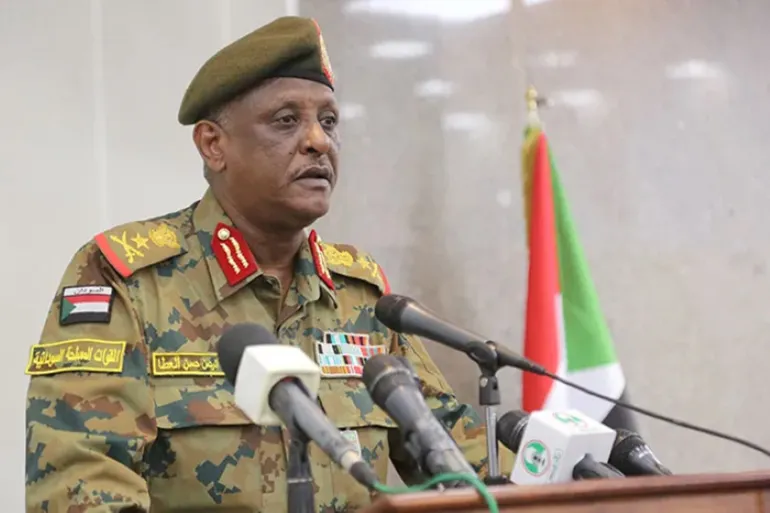
The SAF and RSF remain engaged in active fighting in Blue Nile, including reported drone attacks around Ad-Damazin and against infrastructure near the Ethiopian border. Sudanese officials continue to accuse Ethiopia of enabling RSF drone operations and training, while Ethiopia rejects the allegations and Sudanese officials state they do not want a wider war. SAF Chief of Staff Yasser Al-Atta has identified El Fasher, Ed Daein, Nyala, El Geneina and Zalingei as military priorities, but the reporting records intent rather than verified SAF movement or control. Humanitarian pressure is worsening, with about 20 million people facing acute hunger, about 14 million displaced, 205 reported attacks on health-care facilities and 37 per cent of health-care centres destroyed. Diplomatic activity has increased through a proposed UN humanitarian ceasefire monitoring mechanism, renewed Sudanese participation in IGAD and calls from the UN and AU for an immediate ceasefire.
Change from previous assessment
Since the 18 September prior brief, the assessment retains the same direction on continued SAF-RSF combat, worsening humanitarian conditions and unlikely direct Sudan-Ethiopia war. The evidence base is broader: new reporting records repeated Blue Nile drone activity, 205 attacks on health-care facilities, destruction of 37 per cent of health-care centres, about 20 million people facing acute hunger and about 14 million displaced. The Darfur judgement is now more narrowly framed as likely SAF attempts to enter five cities, rather than an expectation of verified control, and confidence remains low because the evidence is a single SAF interview. A new diplomatic judgement has been added on the proposed UN monitoring mechanism and Sudan’s renewed participation in IGAD. No prior judgement has been retired.
Key judgments
- The SAF and RSF are likely to sustain active combat in Blue Nile over the next 14 days, with drone attacks around Ad-Damazin and Kurmuk and reported targeting of the Upper Atbara and Setit dams and Khashm al-Girba remaining the clearest near-term military warning. The reporting supports repeated attacks and SAF air-defence responses, but does not independently establish the attacker identity for every incident. Confidence is medium because the current evidence relies mainly on Sudanese official and local reporting. (Confidence: medium · ASSESSED)
- I&W: A further named drone attack on Ad-Damazin, Kurmuk, the Upper Atbara and Setit dams, or Khashm al-Girba is reported by at least two independent sources. (0-14 days)
- I&W: No additional drone incident is reported in Blue Nile for 14 days and local reporting records a sustained cessation of SAF-RSF contact. (0-14 days)
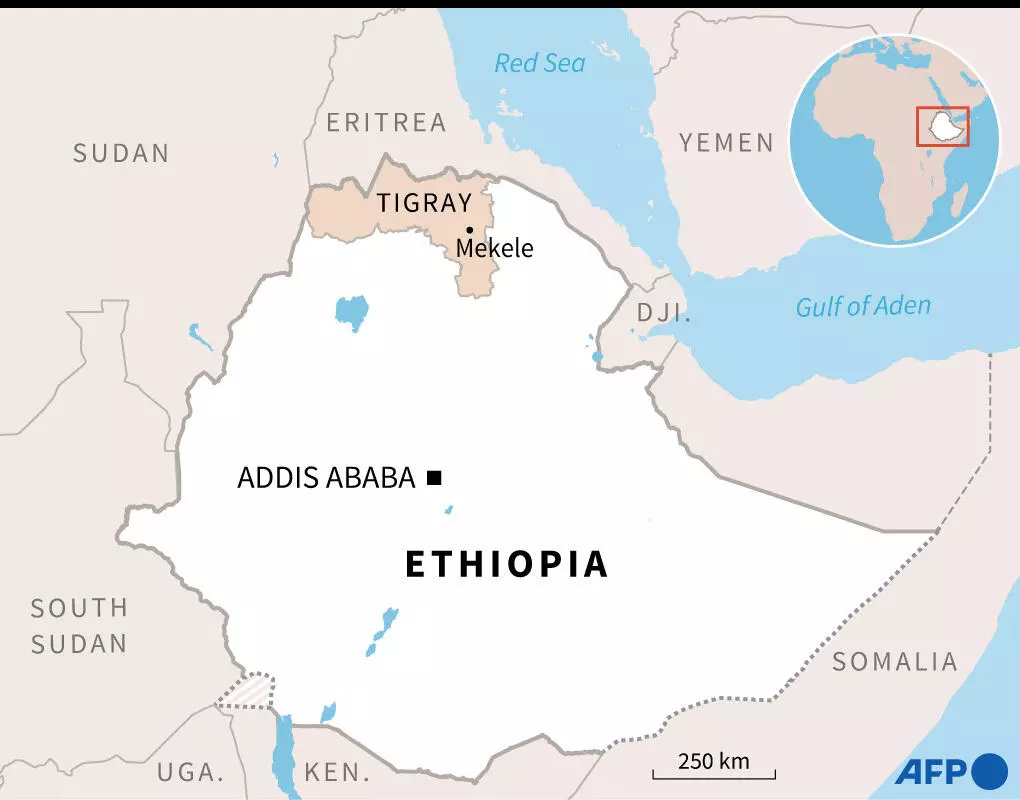
- A direct Sudan-Ethiopia war is unlikely over the next 30 days, while cross-border military friction and allegations of Ethiopian support to the RSF are likely to persist. Sudanese officials have named Assosa Airport, Ethiopian airfields and alleged RSF training camps, while Reuters and Yale reporting describe evidence consistent with Ethiopian military assistance to the RSF. Ethiopia rejects the allegations, and General Malik Agar has said Sudan does not want war with Ethiopia. Responsibility for the specific Blue Nile and dam drone incidents remains unconfirmed. Confidence is medium because the core allegations are contested, although several reporting streams point to sustained concern about Ethiopian involvement. (Confidence: medium · ASSESSED)
- I&W: Sudan issues another official allegation tied to a named Ethiopian site, or a new drone incident near Kurmuk or the border dams is independently corroborated. (0-30 days)
- I&W: Khartoum and Addis Ababa announce a border deconfliction arrangement and no additional cross-border drone allegation or incident is reported for 30 days. (0-30 days)
- The SAF is likely to prioritise attempts to enter El Fasher, Ed Daein, Nyala, El Geneina and Zalingei over the next 1-3 months, but is unlikely to establish control of all five cities in that period. The operational timing rests mainly on Yasser Al-Atta’s 14 September interview, which records SAF intent rather than verified movement or control. The earlier RSF capture of El Fasher remains relevant background, but is based on older, low-confidence reporting. Confidence is low because the assessment depends on a single SAF interview and lacks independent confirmation of preparations or forward movement. (Confidence: low · ASSESSED)
- I&W: Independent imagery or reporting places SAF units at approaches to any named city, or records an SAF entry into one of the five cities. (1-3 months)
- I&W: No corroborated SAF movement toward any named city is reported for 30 days and either side announces a local pause around the cities. (0-30 days)
- Humanitarian pressure is very likely to worsen over the next 1-3 months, with the greatest near-term risks to food access and medical care in Darfur and across Sudan. WFP reporting places acute hunger at about 20 million people and displacement at about 14 million, while the UN reports 205 attacks on health-care facilities and WHO reports that 37 per cent of health-care centres have been destroyed. WFP has warned of sharp operational reductions within weeks if funding is not provided. The supplied displacement estimates vary between about 13 million and 14 million, but the direction of the trend is consistent. Confidence is high because the judgement draws on WFP, UN and WHO reporting and major-media corroboration. (Confidence: high · ASSESSED)
- I&W: WFP announces a reduction in operations or ration levels, or reports an inability to sustain deliveries to Sudan. (0-6 weeks)
- I&W: WFP confirms funding sufficient to avoid planned cuts and UN agencies report improved access to named affected locations. (1-3 months)
- A limited humanitarian diplomacy channel is likely to remain open over the next 30 days, but a nationwide ceasefire is unlikely in that period. The United States is preparing a final draft of a UN humanitarian ceasefire monitoring mechanism, Sudan has resumed participation in IGAD, and UN and AU officials have called for an immediate ceasefire. The reporting records proposals and diplomatic calls, not acceptance by the SAF or RSF. Confidence is medium because the diplomatic activity is corroborated, while the parties’ willingness to implement a mechanism remains unreported. (Confidence: medium · ASSESSED)
- I&W: The United States sends the final draft to the SAF and RSF and either party publicly accepts talks or monitoring arrangements. (0-30 days)
- I&W: The SAF or RSF rejects the mechanism, or fighting continues on named fronts without any announced contact between the parties. (0-30 days)
Outlook & scenarios
Continued multi-front war and worsening humanitarian conditions (60%)
The SAF and RSF sustain combat in Blue Nile while the SAF publicly prioritises operations towards El Fasher, Ed Daein, Nyala, El Geneina and Zalingei. Humanitarian conditions deteriorate as WFP faces funding pressure, health-care access contracts and displacement remains high. Reporting remains insufficient to verify a decisive territorial shift.
Limited humanitarian pause without a political settlement (20%)
The United States, UN, AU and IGAD advance a monitoring arrangement that produces a limited pause for humanitarian access in selected areas. Combat continues elsewhere, and the SAF and RSF retain their territorial and political objectives.
Cross-border friction intensifies without full Sudan-Ethiopia war (15%)
Further drone incidents near Kurmuk, Ad-Damazin or border infrastructure prompt additional Sudanese accusations against Ethiopia and renewed Ethiopian denials. General Malik Agar’s stated opposition to war holds, limiting the crisis to indirect support allegations, drone activity and border pressure.
Regional confrontation wildcard (5%)
A confirmed strike or clash directly involving Ethiopian territory and Sudanese forces, combined with fighting between Ethiopian federal forces and TPLF troops near the Sudan border, triggers a broader confrontation. This would sharply increase pressure on border communities and humanitarian access.
Recommendations
- Maintain a daily incident log for Ad-Damazin, Kurmuk, the Upper Atbara and Setit dams, and Khashm al-Girba. Record the claimed attacker, weapon type, target, casualties and the number and quality of independent sources.
- Separate Sudanese allegations about Ethiopian support from independently observed activity. Prioritise imagery and geolocated reporting on Assosa Airport, other named Ethiopian airfields, Benishangul-Gumuz and the Ethiopia-Sudan border.
- Treat the SAF announcement about the five Darfur cities as an intent indicator until independent reporting confirms SAF movement, entry or sustained control. Track each city separately rather than treating Darfur as a single front.
- Monitor WFP funding decisions, ration levels and access to North Darfur and other named affected areas. Flag any operational reduction within six weeks as confirmation of the humanitarian deterioration judgement.
- Assess the proposed UN monitoring mechanism against observable implementation steps: transmission of the draft, SAF and RSF responses, named monitors, access guarantees and any verified pause in fighting.
- Use NASA FIRMS thermal detections only as corroborative evidence. The two Darfur detections recorded on 19 September do not identify the cause of the heat signatures or establish a military strike.
Confidence & uncertainty
Overall confidence is high because the main judgements draw on corroborating reporting from NASA FIRMS, UN and WHO sources, WFP reporting, major media and separate Reuters and Yale investigations. The evidence consistently supports continued conflict, severe humanitarian pressure and elevated Sudan-Ethiopia friction. The principal uncertainties concern attribution of individual drone attacks, current SAF-RSF front lines, the operational credibility of SAF plans for Darfur and whether either party will accept a humanitarian monitoring mechanism.
Intelligence gaps
- [EEI 1.1 · PARTIAL] Observed concentrations and movement of armed units (size estimates, unit identifiers if visible) within X km of named towns/roads/airfields (e.g., El Fasher, Geneina, Nyala, Khartoum neighborhoods) including timestamps and direction of movement. Recommended collection: imagery/satellite
- [EEI 1.3 · PARTIAL] Reports or intercepts of orders, operational directives or public statements from RSF/SAF commanders indicating planned offensives, ceasefire acceptance/rejection, defensive postures or orders to withdraw from named locations. Recommended collection: signals/communications intercepts
- [EEI 1.4 · PARTIAL] Status of critical infrastructure and lines of communication: control or denial of named bridges, main highways (identify route numbers), airfields, fuel depots and telecommunication hubs and any reported sabotage/blockage incidents. Recommended collection: human intelligence/field reporting
- [EEI 2.1 · PARTIAL] Counts and locations of newly displaced persons arriving at formal sites, informal camps, border crossings or collective centers (daily/weekly arrivals, site coordinates), including demographics (women, children, elderly) where available. Recommended collection: humanitarian/UN OCHA reports
- [EEI 2.2 · UNCOVERED] Access impediments to humanitarian assistance: reported attacks on, blockages of, or denial of passage for named humanitarian convoys (dates, GPS locations, responsible actor if known) and closure status of specific routes. Recommended collection: human intelligence/field reporting
- [EEI 2.3 · PARTIAL] Functional status of medical infrastructure in named locations: number of operational hospitals/clinics, reported shortages of key medicines/blood, and hospital casualty/occupancy figures for the last 72 hours. Recommended collection: medical/health cluster reporting
- [EEI 3.1 · PARTIAL] Detection of flights, ships or overland convoys delivering military materiel or foreign personnel to named airfields, ports or border crossings (flight/IMO numbers, manifests if available, timestamps, route origin/destination). Recommended collection: air-traffic / maritime / border customs
- [EEI 3.3 · PARTIAL] Financial and sanctions-relevant indicators: atypical large transfers, use of designated front companies, or shipments routed through third states linked to procurement of weapons or fuel for RSF or SAF (transaction dates, parties, amounts where obtainable). Recommended collection: financial intelligence
Cited sources
[1] WardheerNews · Tigray Conflict Intensifies Amid Sudan’s Tumultuous Civil War - WardheerNews (D) · Fri Sep 18 2026 17:08:08 GMT+0000 (Coordinated Universal Time) · sha256:9c9eec5481ea [2] a5r5br.net · "أكبر أزمة في العالم". دعوات لوقف الحرب بالسودان وخطر المجاعة يتسع (F) · Tue Sep 15 2026 14:07:10 GMT+0000 (Coordinated Universal Time) · sha256:5557a2132191 [3] The Eastleigh Voice · Sudan says it does not want war with Ethiopia amid rising tensions | The Eastleigh Voice (D) · Fri Sep 18 2026 08:18:31 GMT+0000 (Coordinated Universal Time) · sha256:6f70d21c7873 [4] Asharq Al-Awsat (asharqalawsat.a) · الجيش السوداني يعلن إسقاط مسيرة لـ«الدعم السريع» بولاية النيل الأزرق | صحيفة الشرق الأوسط (E) · sha256:0bf7bd26ec3d [5] AllAfrica · Sudan Says It Does Not Want War With Ethiopia Amid Rising Tensions (D) · Thu Sep 17 2026 10:29:20 GMT+0000 (Coordinated Universal Time) · sha256:9ca15c4f7479 [6] Sudanhorizon · SAF Chief of Staff in an Interview with Al-Shorouk: No Future for the RSF in Sudan (D) · Mon Sep 14 2026 14:38:25 GMT+0000 (Coordinated Universal Time) · sha256:35189f37932c [7] Modern Tokyo Times · Sudan Crisis and War – Darfur to Kordofan – Modern Tokyo Times (D) · sha256:55bcb866a248 [8] STAT News · In Sudan, attacks on hospitals force patients to make dangerous journeys (A) · Fri Sep 18 2026 08:30:00 GMT+0000 (Coordinated Universal Time) · sha256:0a33b9c30412 [9] صحيفة مداميك (Medameek) · أخبار - الصفحة 156 من 1911 - صحيفة مداميك (D) · sha256:4c11ac812942
Source content hashes were computed at collection time; the cited text is preserved unmodified for the life of this product.
TLP:CLEAR