TLP:CLEAR · Disclosure is not limited.
Sudan Conflict: El Obeid Pressure and Humanitarian Collapse Risk
Time window: Last 7 days · Audience: General analyst · Type: Situation report · DTG: 2026-09-21 13:26Z · Overall confidence: HIGH
BLUF
SAF-RSF combat is likely to remain active across North Kordofan, Blue Nile, South Kordofan and Darfur over the next 14 days, with El Obeid the clearest near-term pressure point. Humanitarian conditions are very likely to worsen by the end of September as IOM supplies approach exhaustion, while US-led truce diplomacy is unlikely to produce a nationwide ceasefire within 30 days.
Executive summary
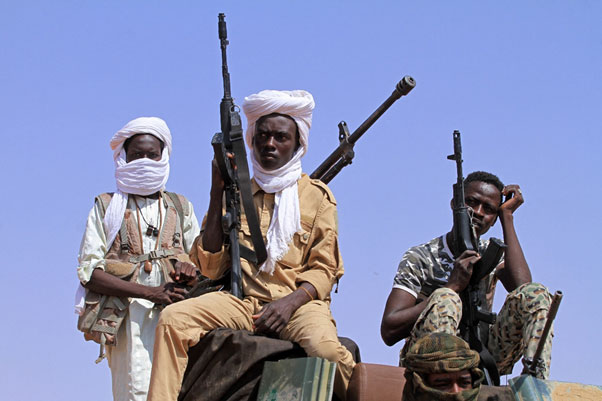
The RSF is reported to have surrounded El Obeid, while SAF and RSF claims indicate contested battlefield activity in South Kordofan, Blue Nile and west of El Obeid. Drone strikes have displaced civilians across Blue Nile and Darfur, and recent reporting documents mass-casualty attacks in Darfur and Kordofan. IOM and the UN warn that Sudan's humanitarian system is near collapse, with shelter and sanitation supplies expected to run out by the end of September. The US has renewed calls for a 90-day humanitarian truce and committed US$375 million, but neither SAF nor RSF acceptance is reported. Allegations of Ethiopian support to RSF drone operations remain disputed, while new reporting adds detail on foreign personnel, logistics and weapons networks supporting the conflict.
Change from previous assessment
Since the 20 September brief, the assessment has sharpened rather than materially reversed. New reporting raises the immediacy of humanitarian deterioration by adding a UN warning that the system is near collapse, an IOM end-September supply deadline and a UN Fact-Finding Mission conclusion that the El Fasher massacre killed at least 60,000 people and bore the hallmarks of genocide. The US has renewed its 90-day humanitarian truce proposal and committed US$375 million, while the Quintet has conducted a good offices mission. A new judgment has been added on foreign support networks, including FFM-Sudan findings on transit routes and reporting on up to 2,000 former Colombian military contractors. The assessment of direct Sudan-Ethiopia war remains unlikely, but the allegation-denial dispute is now more detailed and remains unresolved. No prior judgment has been retired.
Key judgments
- SAF-RSF combat is likely to remain active across North Kordofan, Blue Nile, South Kordofan and Darfur over the next 14 days, with El Obeid the clearest near-term pressure point. The RSF is reported to have surrounded El Obeid, while SAF and RSF statements present conflicting accounts of gains in South Kordofan, Blue Nile and Abu Qauod. Recent drone strikes also displaced thousands across Blue Nile, North Darfur and West Darfur. Confidence is medium because El Obeid and displacement reporting comes from multilateral sources, but several battlefield claims come from the parties themselves and lack independent confirmation. (Confidence: medium · ASSESSED)
- I&W: Independent reporting or satellite imagery confirms new SAF or RSF positions, strikes or route closures within the El Obeid perimeter or on the Al-Rahad-Dilling-Kadougli routes. (0-14 days)
- I&W: Multilateral reporting records no attacks around El Obeid, Blue Nile, North Darfur or West Darfur for 14 days and verifies the reopening of access routes. (0-14 days)
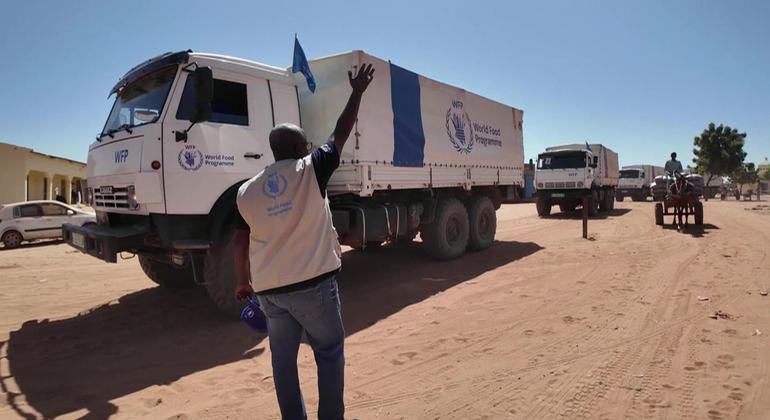
- Humanitarian conditions are very likely to worsen across Sudan, especially in Tawila, North Darfur and areas around El Obeid, with an aid-supply shock by the end of September. IOM reports that shelter, sanitation and emergency household items will run out by the end of September and that warehouses will close by December without additional funding. WFP reaches nearly the entire displaced population in Tawila but provides only half rations, while the UN warns that Sudan's humanitarian system is on the brink of collapse. Reported displacement totals range from 8.6 million internally displaced people to more than 14 million forcibly displaced people, reflecting different definitions and reporting dates rather than a single settled total. Confidence is high because IOM, WFP, UN and UNICEF reporting is mutually reinforcing, although the exact displacement totals remain contested. (Confidence: high · ASSESSED)
- I&W: Field reporting records stockouts of shelter, sanitation or household relief items after 30 September, while WFP continues half-ration distributions in Tawila. (0-14 days)
- I&W: IOM confirms replenishment of critical supplies and WFP reports full-ration distributions to the displaced population in Tawila. (0-30 days)
- The US and the AU, IGAD, League of Arab States, EU and UN Quintet are likely to keep humanitarian ceasefire diplomacy active over the next 30 days, but a nationwide SAF-RSF ceasefire is unlikely in that period. The US has renewed its call for a 90-day humanitarian truce, Massad Boulos has committed US$375 million to humanitarian efforts, and the Quintet has conducted consultations and a good offices mission to Khartoum. Neither party's acceptance is reported, the May 2023 Jeddah Declaration collapsed after repeated violations, and one Sudanese academic assesses that the military leadership is stalling negotiations. Confidence is medium because diplomatic activity is directly reported, but the parties' willingness to accept or enforce a truce is unconfirmed. (Confidence: medium · ASSESSED)
- I&W: SAF and RSF publicly accept the 90-day proposal and permit UN or WFP access on named routes. (0-30 days)
- I&W: Verified SAF or RSF attacks continue after any formal truce announcement, or neither party issues public acceptance within 14 days. (0-30 days)
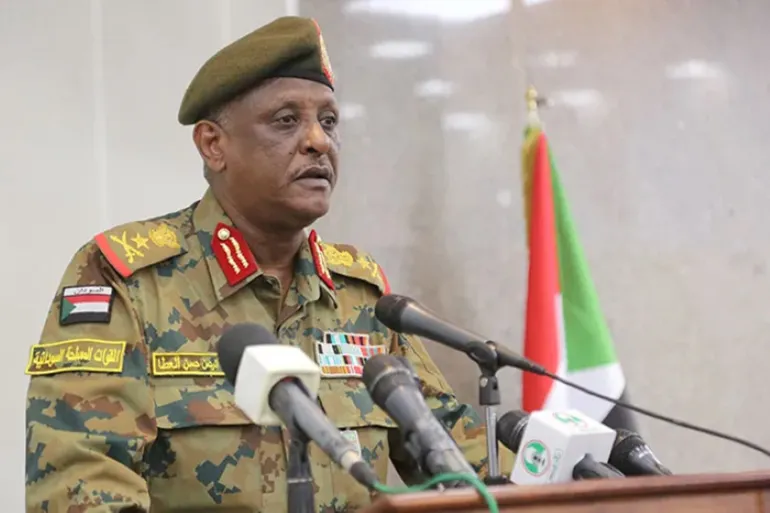
- A direct Sudan-Ethiopia war is unlikely over the next 30 days, while allegations that Ethiopian territory supports RSF drone operations are likely to persist. Yasser Al-Atta accused Ethiopia of allowing RSF drones to operate from Assosa and of seeking to exploit Sudan's war for border territory or access to Assab. Sudan's Defence Ministry separately alleged that a drone shot down near Kurmuk was launched from Ethiopian territory. Ethiopia rejected the accusations as baseless, while Malik Agar said Sudan does not want war with Ethiopia. This judgment rests on contested local-media reporting, official allegations and a direct denial, with no independent verification of the alleged launch sites. Confidence is medium. (Confidence: medium · ASSESSED)
- I&W: A further drone incident in Kurmuk or Blue Nile is independently linked to a launch site in Ethiopia, or Sudan conducts a verified cross-border military action. (0-30 days)
- I&W: Khartoum and Addis Ababa announce a verified deconfliction arrangement and no new border incidents are reported for 30 days. (0-30 days)
- Foreign support networks are likely to sustain the military capacity and civilian harm of the Sudan conflict over the next 1-3 months, but attribution to specific governments remains unresolved. The FFM-Sudan found reasonable grounds to believe that private entities, logistics intermediaries and recruiters operating from Colombia and the UAE used transit locations in Chad, southeastern Libya and Somalia to deliver personnel, training, weapons and logistics to the RSF. Separate reporting documented up to 2,000 former Colombian military contractors operating combat drones, artillery and advanced weapons systems alongside RSF units in Darfur and Kordofan. UN reporting also attributes continued weapons, personnel and logistical support to foreign powers. Confidence is medium because the findings indicate external support but do not establish direct government control over every network or shipment. (Confidence: medium · ASSESSED)
- I&W: Independent reporting documents additional Colombian contractors, weapons convoys or drone systems entering Darfur or Kordofan through Chad, southeastern Libya or Somalia. (1-3 months)
- I&W: Verified external deliveries and contractor activity decline for 30 consecutive days after a Sudan-wide arms embargo or coordinated transfer suspensions. (1-3 months)
- Further mass civilian harm in Darfur and Kordofan is very likely over the next 1-3 months. The UN Fact-Finding Mission concluded that the RSF massacre in El Fasher killed at least 60,000 people and bore the hallmarks of genocide. Other reporting attributes 114 deaths, including approximately 60 children, to RSF drone strikes in Kalogi, and at least 70 deaths and the destruction of a major hospital to SAF strikes in Al-Da'ein. Recent drone strikes have also displaced thousands across Blue Nile, North Darfur and West Darfur. Confidence is medium because the direction of risk is supported by multiple sources, but the precise casualty figures and attribution for some incidents remain dependent on NGO and think tank reporting. (Confidence: medium · ASSESSED)
- I&W: New mass-casualty strikes or attacks are reported in El Fasher, Kalogi, Al-Da'in, North Kordofan or other Darfur population centres. (0-30 days)
- I&W: A sustained halt in attacks is accompanied by verified civilian protection measures and expanded humanitarian access in Darfur and Kordofan. (0-30 days)
Outlook & scenarios
Protracted and contested fighting (60%)
The baseline outcome over the next 30 days is continued SAF-RSF fighting around El Obeid, Blue Nile, South Kordofan and Darfur, with competing claims of local gains and no decisive national breakthrough. Drone strikes continue to disrupt civilian movement and basic services, while IOM and WFP assistance becomes more constrained.
SAF local counteroffensive (20%)
SAF claims of gains in South Kordofan and Blue Nile translate into a local counteroffensive that reopens routes towards El Obeid and increases pressure on RSF positions in Darfur. This outcome would reduce pressure in selected SAF-held areas but retain a high risk of retaliatory RSF drone strikes and civilian displacement.
Limited humanitarian pause (25%)
The US 90-day proposal and Quintet engagement produce a limited, time-bound pause around selected aid routes or population centres. Humanitarian deliveries improve in those locations, but the pause does not become a nationwide settlement because SAF and RSF retain competing military objectives.
Cross-border escalation wildcard (10%)
A verified drone launch from Ethiopian territory, a Sudanese retaliatory strike or a border clash triggers direct Sudan-Ethiopia confrontation. This remains very unlikely, but it would rapidly widen the conflict beyond Sudan's internal fronts and disrupt access to Blue Nile and border areas.
Recommendations
- Maintain a daily 14-day watch on El Obeid, Abu Qauod, the Al-Rahad-Dilling-Kadougli routes and Blue Nile. Separate SAF and RSF claims from independent confirmation of positions, strikes and access changes.
- Treat the end of September as a humanitarian decision point. Track IOM stock levels, WFP ration levels in Tawila and shelter conditions for displaced people around El Obeid, and report any stockout or warehouse closure immediately.
- Track the US 90-day truce proposal against concrete party behaviour: public acceptance by SAF and RSF, named access routes, convoy movements and verified reductions in attacks. Do not assess diplomatic progress from statements alone.
- Keep allegations concerning Assosa, Ethiopian airfields and RSF drone operations in a disputed category until independent imagery, geolocation or corroborated reporting establishes the launch sites and chain of control.
- Monitor foreign support through personnel, weapons and logistics indicators rather than government attribution alone. Prioritise reporting on Colombian contractors and transit routes through Chad, southeastern Libya and Somalia.
- Report displacement figures by category and date. Keep internally displaced people, refugees and total forcibly displaced people separate until the differences between the 8.6 million, more than 11 million and 14 million figures are resolved.
- Track the UK Sudan Stability Programme milestones, including clarification questions due by 25 September and expressions of interest due by 16 October, as indicators of sustained international investment in local governance, civilian protection and conflict resolution.
Confidence & uncertainty
Overall confidence is high because the central judgments draw on mutually reinforcing reporting from the UN, IOM, WFP, UNICEF, NASA FIRMS, official government sources and major media. The direction of military and humanitarian trends is well supported across multiple sources. Main uncertainties concern the attribution of individual drone strikes, competing displacement totals, the alleged use of Ethiopian territory by RSF-linked forces, the extent of government control over foreign support networks and whether SAF or RSF will accept and enforce a humanitarian truce.
Intelligence gaps
- [EEI 1.1 · PARTIAL] Observed concentrations and movement of armed units (size estimates, unit identifiers if visible) within X km of named towns/roads/airfields (e.g., El Fasher, Geneina, Nyala, Khartoum neighborhoods) including timestamps and direction of movement. Recommended collection: imagery/satellite
- [EEI 1.2 · PARTIAL] Changes in employment of heavy weapons and systems: documented use or emplacement of artillery, multiple-launch rocket systems, tanks, combat helicopters, and airstrikes at specific coordinates and times. Recommended collection: open-source/media
- [EEI 1.4 · PARTIAL] Status of critical infrastructure and lines of communication: control or denial of named bridges, main highways (identify route numbers), airfields, fuel depots and telecommunication hubs and any reported sabotage/blockage incidents. Recommended collection: human intelligence/field reporting
- [EEI 2.1 · PARTIAL] Counts and locations of newly displaced persons arriving at formal sites, informal camps, border crossings or collective centers (daily/weekly arrivals, site coordinates), including demographics (women, children, elderly) where available. Recommended collection: humanitarian/UN OCHA reports
- [EEI 2.2 · PARTIAL] Access impediments to humanitarian assistance: reported attacks on, blockages of, or denial of passage for named humanitarian convoys (dates, GPS locations, responsible actor if known) and closure status of specific routes. Recommended collection: human intelligence/field reporting
- [EEI 2.3 · PARTIAL] Functional status of medical infrastructure in named locations: number of operational hospitals/clinics, reported shortages of key medicines/blood, and hospital casualty/occupancy figures for the last 72 hours. Recommended collection: medical/health cluster reporting
- [EEI 3.1 · PARTIAL] Detection of flights, ships or overland convoys delivering military materiel or foreign personnel to named airfields, ports or border crossings (flight/IMO numbers, manifests if available, timestamps, route origin/destination). Recommended collection: air-traffic / maritime / border customs
- [EEI 3.2 · PARTIAL] Imagery or on-the-ground confirmation of foreign military personnel or private military contractor bases/forward operating elements at specified coordinates or compounds, including vehicle/weapon types observed. Recommended collection: imagery/satellite
- [EEI 3.3 · PARTIAL] Financial and sanctions-relevant indicators: atypical large transfers, use of designated front companies, or shipments routed through third states linked to procurement of weapons or fuel for RSF or SAF (transaction dates, parties, amounts where obtainable). Recommended collection: financial intelligence
Cited sources
[1] United Nations News · UN agencies warn humanitarian system in Sudan ‘could collapse’ (A) · Mon Sep 14 2026 19:27:01 GMT+0000 (Coordinated Universal Time) · sha256:fe86ccd69954 [2] Al Jazeera · Why do Sudan’s humanitarian truces keep failing and who is to blame? (A) · Mon Sep 21 2026 11:22:40 GMT+0000 (Coordinated Universal Time) · sha256:9c89a146715f [3] Bloomsbury Intelligence and Security Institute (BISI) · External Support Networks Sustain Sudan’s Multi-Faceted Conflict — Bloomsbury Intelligence and Security Institute (BISI) (C) · Mon Sep 21 2026 05:01:56 GMT+0000 (Coordinated Universal Time) · sha256:8dcfc4c77b51 [4] Sudanhorizon · SAF Chief of Staff in an Interview with Al-Shorouk: No Future for the RSF in Sudan (D) · Mon Sep 14 2026 14:38:25 GMT+0000 (Coordinated Universal Time) · sha256:35189f37932c [5] Al Jazeera · Sudan | Sudan | Today's latest from Al Jazeera (A) · sha256:a1aba836106b [6] Modern Tokyo Times · Sudan Crisis and War – Darfur to Kordofan – Modern Tokyo Times (D) · sha256:55bcb866a248 [7] Inter Press Service (IPS), republished on Global Issues · Sudan: Blood on Foreign Powers’ Hands (C) · Mon Sep 21 2026 00:00:00 GMT+0000 (Coordinated Universal Time) · sha256:adfe96ca17dc [8] The Eastleigh Voice · Sudan says it does not want war with Ethiopia amid rising tensions | The Eastleigh Voice (D) · Fri Sep 18 2026 08:18:31 GMT+0000 (Coordinated Universal Time) · sha256:678521c246e9 [9] Inter Press Service (IPS), republished on NewsBreak · Sudan: Blood on Foreign Powers’ Hands - NewsBreak (B) · Mon Sep 21 2026 04:49:26 GMT+0000 (Coordinated Universal Time) · sha256:cbf5e6d70011
Source content hashes were computed at collection time; the cited text is preserved unmodified for the life of this product.
TLP:CLEAR