TLP:CLEAR · Disclosure is not limited.
Sudan Conflict: Front-Line Contestation and Humanitarian Deterioration
Time window: Last 7 days · Audience: General analyst · Type: Situation report · DTG: 2026-08-26 22:07Z · Overall confidence: MEDIUM
BLUF
The SAF and RSF are very likely to remain in armed conflict through early September 2026. SAF gains in North Kordofan and fighting between the RSF and Joint Forces near the Sudanese-Chadian-Libyan border show continued contestation, but the RSF likely retains the broad advantage in Darfur and current control of El Fasher remains unresolved. Humanitarian pressure is very likely to intensify as seasonal rains damage homes and fighting drives further displacement.
Executive summary
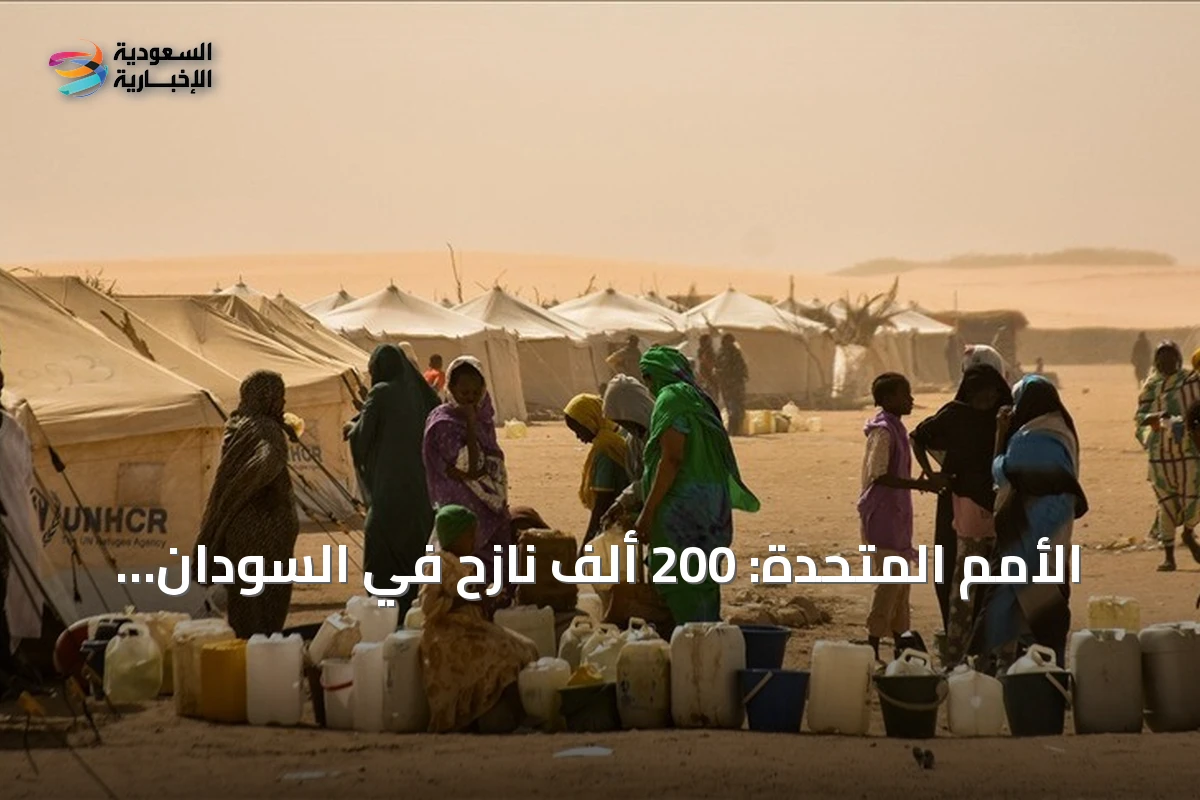
Reporting indicates continued SAF and RSF operations, including SAF gains in North Kordofan and clashes between the RSF and Joint Forces in the Wadi Hawr desert on 23 August 2026. The RSF's control of major Darfur cities is well established in historical reporting, but the current disposition of El Fasher is not independently established. The United States proposed extending the UN arms embargo across Sudan on 26 August, including unmanned aerial vehicles and related technologies, while Russia and China oppose or urge caution over expansion. Humanitarian pressure is rising: the UN and IOM reported an additional 200,000 displaced people, heavy rains damaged approximately 1,350 homes in Tallila, North Darfur, and airstrikes on Al-Obeid's main power station caused continuous outages affecting water, health and communications. NASA recorded seven thermal anomalies in Sudan over 25 and 26 August, but none had high confidence and the data do not identify an attacker.
Change from previous assessment
Since the 24 August 2026 brief, the assessment adds SAF gains in North Kordofan, the 23 August RSF-Joint Forces clash in Wadi Hawr and the US proposal on 26 August to extend the arms embargo across Sudan. The humanitarian judgement remains high confidence, with new reporting on 200,000 additional displaced people, rain damage to approximately 1,350 homes in Tallila and power outages in Al-Obeid. The territorial judgement remains low confidence because current control of El Fasher is still unresolved. The thermal-detection judgement is retained, with the new run reporting seven anomalies over 25 and 26 August rather than the six recorded in the prior run. The earlier flight-ban judgement is retired because this run provides no new Sudan-specific reporting on that issue.
Key judgments
- The SAF and RSF are very likely to remain in armed conflict through early September 2026. A 23 August clash between the RSF and Joint Forces allied with the Sudanese army in the Wadi Hawr desert near the Sudanese-Chadian-Libyan border, together with reported SAF gains in North Kordofan, indicates active front-line contestation. The current-status element rests on one academic assessment and a medium-confidence local-media report, while major-media and multilateral reporting corroborate the conflict's continuation since April 2023. (Confidence: medium · ASSESSED)
- I&W: A new independently corroborated report of SAF-RSF or RSF-Joint Forces fighting in Wadi Hawr, North Kordofan or the wider Kordofan region would confirm continued armed conflict. (0-14 days)
- I&W: A jointly announced ceasefire by the SAF and RSF followed by independently verified cessation of attacks across two reporting cycles would break this judgement. (0-14 days)
- The RSF likely retains the broad territorial advantage across Darfur, but current control of El Fasher remains unresolved. The RSF captured Zalingei on 6 August 2023, Nyala on 26 October 2023, Geneina on 4 November 2023 and Ed Daein by 22 November 2023; major-media reporting also states that it captured El Fasher in October 2025. SAF gains in North Kordofan and the Wadi Hawr fighting show that the wider balance remains contested. This judgement has low confidence because the evidence is predominantly historical and does not establish the current disposition of El Fasher. (Confidence: low · ASSESSED)
- I&W: Two independent sources or geolocated imagery showing RSF administration, checkpoints or sustained resupply in El Fasher would confirm continued RSF control. (0-30 days)
- I&W: An SAF announcement supported by geolocated imagery and independent reporting showing SAF entry into or administration of El Fasher would break the assessment of an unresolved disposition. (0-30 days)
- Severe humanitarian pressure in Sudan is very likely to persist and intensify through 31 October 2026. Reporting places cumulative displacement at about 13 million people and conflict deaths at least 59,000, while the UN and IOM report an additional 200,000 people displaced by escalating fighting. Heavy seasonal rains are rapidly worsening conditions, damaged approximately 1,350 homes in Tallila, North Darfur, and are compounding the effects of conflict. Airstrikes on Al-Obeid's main power station have caused continuous outages affecting water supplies, health facilities and communications. The figures have different dates and definitions and should not be added together. (Confidence: high · ASSESSED)
- I&W: UN or IOM reporting of further displacement above the current additional 200,000, or new rain damage in North Darfur, would confirm continued deterioration. (0-14 days)
- I&W: UN agencies reporting sustained aid access, restored basic services in Al-Obeid and no additional conflict-related displacement across two reporting cycles would break the assessment of intensifying pressure. (0-30 days)
- The United States proposal to extend the UN arms embargo across all Sudan, including unmanned aerial vehicles and related technologies, is likely to face delay or dilution rather than prompt adoption through 23 September 2026. Russia and China oppose or urge caution over expanding the sanctions regime, while the US is pressing for stronger UN sanctions against the warring parties. The proposal is directly reported by a local-media source, with additional major-media and wire-service reporting on the US position and Russian and Chinese opposition, so confidence is medium. (Confidence: medium · ASSESSED)
- I&W: A UN Security Council draft or scheduled vote retains all-Sudan coverage and explicit UAV language without Russian or Chinese support for a blocking amendment. (0-30 days)
- I&W: The United States withdraws the draft, narrows it to Darfur or removes UAV provisions before a formal vote, confirming delay or dilution. (0-30 days)
- A lasting ceasefire or comprehensive political settlement is unlikely through late September 2026. The UN political chief describes the parties as locked in zero-sum military logic, and reporting states that repeated regional and international mediation initiatives have failed to produce a lasting ceasefire or comprehensive settlement. Sudanese opposition political and civil forces rejected an initiative backed by General Abdel Fattah al-Burhan, while participants warned that a dialogue held from territory controlled by one warring party would not be credible or inclusive. This judgement has low confidence because several supporting reports are dated and the current negotiating positions of the SAF and RSF are incompletely reported. (Confidence: low · ASSESSED)
- I&W: The SAF and RSF sign a ceasefire with named implementation arrangements, followed by independently verified compliance and humanitarian access. (0-30 days)
- I&W: A new dialogue process includes both warring parties and Sudanese civilian forces, is held outside territory controlled by either side and produces a jointly accepted agenda. (0-30 days)
- The seven NASA thermal anomalies recorded in Sudan over 25 and 26 August 2026 are very likely to remain insufficient to attribute attacks to the SAF or RSF. NASA reported zero high-confidence detections and states that the VIIRS product records heat that can result from strikes, shelling, industrial fires or wildfires without identifying cause or actor. This judgement rests on a high-reliability official source and has high confidence. (Confidence: high · ASSESSED)
- I&W: NASA continues to report no high-confidence detections and no independent imagery or reporting identifies a responsible actor. (0-14 days)
- I&W: A high-confidence detection is matched to geolocated imagery and independent reporting that identifies an SAF or RSF strike, breaking the attribution limitation. (0-14 days)
Outlook & scenarios
Protracted conflict with worsening humanitarian conditions (65%)
This is the most likely near-term outcome. The SAF and RSF continue fighting through early September, SAF pressure persists in North Kordofan, and the RSF retains its broad position across Darfur. Seasonal rains, damage in Tallila and further displacement keep humanitarian conditions deteriorating.
Contested front without a decisive territorial reversal (50%)
Roughly even chance. SAF gains in North Kordofan and RSF-Joint Forces clashes in Wadi Hawr continue, but no independently verified change in control of El Fasher emerges. The RSF's historical control of major Darfur cities remains the strongest indicator of the wider territorial balance.
US arms-embargo initiative stalls at the UN (45%)
Likely enough to warrant active monitoring. Russia and China maintain opposition or caution over extending the embargo, delaying a vote or producing a narrower text that omits some all-Sudan or UAV provisions. The US continues diplomatic pressure, but the initiative does not produce a near-term political settlement.
Darfur atrocity and displacement shock (15%)
Unlikely but high impact. New violence by the RSF against non-Arab communities in Darfur coincides with renewed fighting around El Fasher, producing another sharp displacement increase and further restricting humanitarian access. The scenario draws on documented RSF war crimes, systematic sexual violence and accusations of genocide, but current reporting does not establish that such an episode is under way.
Recommendations
- Prioritise collection on El Fasher over the next 14 days. Require two independent sources, geolocated imagery or verified aid-access reporting before changing the current control assessment.
- Track Wadi Hawr, North Kordofan and the routes linking Darfur to the Sudanese-Chadian-Libyan border for evidence of force movement, new clashes, supply-line disruption or changes in local administration.
- Maintain a UN Security Council decision log for the US all-Sudan arms-embargo proposal. Record changes to coverage of UAVs, voting procedures, Russian and Chinese positions, and any formal vote or withdrawal.
- Separate cumulative displacement, newly displaced people and people in temporary shelters in all reporting products. Do not aggregate the 13 million and 200,000 figures without confirmed dates and definitions.
- Set humanitarian warning thresholds around additional displacement, rain damage in North Darfur and restoration of power, water and communications in Al-Obeid. Flag any new UN or IOM report that indicates further deterioration.
- Use NASA FIRMS as an event-detection cue rather than an attribution source. Pair any thermal anomaly with geolocated imagery, local reporting and independent accounts before assessing whether the SAF or RSF conducted an attack.
Confidence & uncertainty
Overall confidence is medium. Conflict continuation is supported by academic, major-media and multilateral reporting, while the humanitarian assessment draws on UN, IOM and other multilateral reporting alongside wire-service coverage. NASA provides a high-reliability official record for the thermal anomalies. The main uncertainties are the current disposition of El Fasher, the limited corroboration for recent battlefield reporting in Wadi Hawr, the dated evidence on political negotiations and the unresolved timing and prospects of the US arms-embargo proposal.
Intelligence gaps
- [EEI 1.1 · PARTIAL] Observed concentrations and movement of armed units (size estimates, unit identifiers if visible) within X km of named towns/roads/airfields (e.g., El Fasher, Geneina, Nyala, Khartoum neighborhoods) including timestamps and direction of movement. Recommended collection: imagery/satellite
- [EEI 1.2 · PARTIAL] Changes in employment of heavy weapons and systems: documented use or emplacement of artillery, multiple-launch rocket systems, tanks, combat helicopters, and airstrikes at specific coordinates and times. Recommended collection: open-source/media
- [EEI 1.4 · PARTIAL] Status of critical infrastructure and lines of communication: control or denial of named bridges, main highways (identify route numbers), airfields, fuel depots and telecommunication hubs and any reported sabotage/blockage incidents. Recommended collection: human intelligence/field reporting
- [EEI 2.1 · PARTIAL] Counts and locations of newly displaced persons arriving at formal sites, informal camps, border crossings or collective centers (daily/weekly arrivals, site coordinates), including demographics (women, children, elderly) where available. Recommended collection: humanitarian/UN OCHA reports
- [EEI 2.2 · UNCOVERED] Access impediments to humanitarian assistance: reported attacks on, blockages of, or denial of passage for named humanitarian convoys (dates, GPS locations, responsible actor if known) and closure status of specific routes. Recommended collection: human intelligence/field reporting
- [EEI 2.3 · UNCOVERED] Functional status of medical infrastructure in named locations: number of operational hospitals/clinics, reported shortages of key medicines/blood, and hospital casualty/occupancy figures for the last 72 hours. Recommended collection: medical/health cluster reporting
- [EEI 3.1 · UNCOVERED] Detection of flights, ships or overland convoys delivering military materiel or foreign personnel to named airfields, ports or border crossings (flight/IMO numbers, manifests if available, timestamps, route origin/destination). Recommended collection: air-traffic / maritime / border customs
- [EEI 3.2 · UNCOVERED] Imagery or on-the-ground confirmation of foreign military personnel or private military contractor bases/forward operating elements at specified coordinates or compounds, including vehicle/weapon types observed. Recommended collection: imagery/satellite
- [EEI 3.3 · PARTIAL] Financial and sanctions-relevant indicators: atypical large transfers, use of designated front companies, or shipments routed through third states linked to procurement of weapons or fuel for RSF or SAF (transaction dates, parties, amounts where obtainable). Recommended collection: financial intelligence
Cited sources
[1] Wikipedia · Sudanese Armed Forces (C) · sha256:915a4f946fef [2] SDTEST® · Sudan: A Fragmented Spiral – Analyzing Conflict and Collapse Through Spiral Dynamics (B) · sha256:f2049a81d534 [3] 3ayin.com · Ayin network – شبكة عاين (D) · sha256:c71ad3199b1a [4] Al Jazeera · Is Sudan’s battlefield shaping the terms of its next political phase? (A) · sha256:54ad8b9a6be4 [5] allafrica.com · Ethiopia: Sudanese Opposition Groups Reject Burhan-Backed Dialogue, Call for Alternative Peace Process (B) · sha256:8d5a0e5082db [6] Wikipedia · Darfur campaign (2023–present) (B) · sha256:64ac80e2ce22 [7] Wikipedia · Rapid Support Forces (B) · sha256:926edb7e6457 [8] Associated Press · US urges new UN sanctions to spur rivals in Sudan to negotiate an end to war (A) · sha256:12a80205362d [9] africa.businessinsider.com · Russia and China push back as Trump administration seeks arms embargo across Sudan (B) · sha256:bdf47754519c [10] الأمم المتحدة · الأمم المتحدة: 200 ألف نازح في السودان بسبب الصراع والأمطار » السعودية الإخبارية (A) · sha256:aa06378b8bb7 [11] UPSCraze · Sudan’s Civil War: Why Is Nobody Stopping It? #worldsecurity #conflictanalysis #currentaffairs (B) · sha256:02d9ee1dd181 [12] NASA · NASA FIRMS thermal detections — Sudan (3d) (A) · sha256:8fc0d6c9b97e
Source content hashes were computed at collection time; the cited text is preserved unmodified for the life of this product.
TLP:CLEAR