TLP:CLEAR · Disclosure is not limited.
Sudan Conflict: Kordofan Fighting and Humanitarian Pressure
Time window: Last 7 days · Audience: General analyst · Type: Situation report · DTG: 2026-08-31 22:08Z · Overall confidence: HIGH
BLUF
The SAF and RSF are very likely to remain in active combat through 30 September 2026, with Bara and El Obeid in North Kordofan the main immediate pressure points. Humanitarian conditions are very likely to deteriorate as fighting drives displacement and civilian harm. Cross-border tension involving Chad remains a secondary but credible escalation risk.
Executive summary
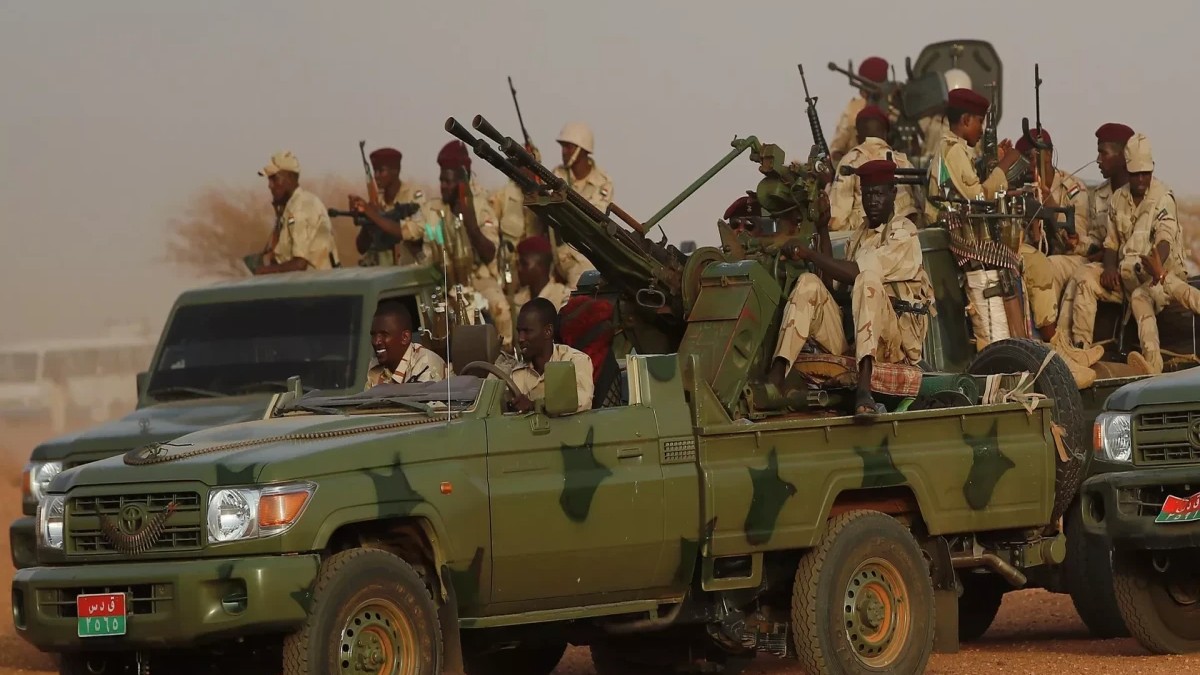
RSF assaults on Bara began on 24 August and reportedly killed five civilians, displaced thousands and damaged local medical capacity. The SAF has improved access towards El Obeid through its control of a key road, but reporting remains inconsistent over control of Bara and the RSF continues to contest the area with drone strikes. Humanitarian pressure is increasing across Darfur and Kordofan, with more than 100,000 people facing displacement and large new arrivals in El Obeid. Diplomatic activity continues through UN confidence-building efforts and planned talks in Addis Ababa, but no verified nationwide ceasefire or political settlement is reported.
Change from previous assessment
Since the 29 August 2026 brief, the assessment has shifted towards a more immediate North Kordofan focus. New reporting on RSF assaults on Bara, five civilian deaths, thousands displaced, clinic damage and an SAF warning of intensified operations raises confidence that Bara and El Obeid are the near-term flashpoints. The humanitarian assessment is unchanged in direction but now incorporates more than 100,000 people facing displacement across Darfur and Kordofan, 21 million people requiring food assistance, and further arrivals and tent growth around El Obeid. A new report of around 200 RSF fighters joining the SAF is a low-confidence, single-report indicator of possible SAF momentum. The prior Chad-spillover and ceasefire judgements remain, with no verified settlement or independent confirmation of the reported cross-border strike.
Key judgments
- The SAF and RSF are very likely to remain in active combat through 30 September 2026, with North Kordofan the immediate focal point. RSF assaults on Bara began on 24 August, reportedly killed five civilians and displaced thousands, while the SAF and RSF are competing around El Obeid and drone attacks remain concentrated across Kordofan. Available reporting conflicts over whether Bara has remained under SAF control or was recaptured by the RSF, which lowers confidence in the local battlefield picture. (Confidence: medium · ASSESSED)
- I&W: Confirm: independent reporting or imagery records continued RSF attacks on Bara or SAF counterstrikes around Bara and El Obeid. (0-14 days)
- I&W: Break: the controlling force in Bara is independently verified and no armed incidents are reported around Bara and El Obeid for 14 consecutive days. (0-30 days)
- The SAF is likely to strengthen its position along the Export Road and around El Obeid over the next 1-3 months, but this is unlikely to remove the RSF's ability to contest movement and supplies. The SAF recaptured a key road towards Khartoum, controls the Export Road supply route towards Kordofan and Darfur, and is assessed to have seized RSF weapons and drone warehouses. RSF drone activity around El Obeid and the disputed status of Bara limit confidence that the SAF has secured the wider corridor. (Confidence: medium · ASSESSED)
- I&W: Confirm: the SAF retains Bara and the Export Road, while reporting shows sustained movement of fuel, food or military supplies towards El Obeid, Kordofan or Darfur. (1-3 months)
- I&W: Break: the RSF re-establishes control over Bara or repeatedly disrupts the Export Road with attacks near El Obeid. (0-30 days)
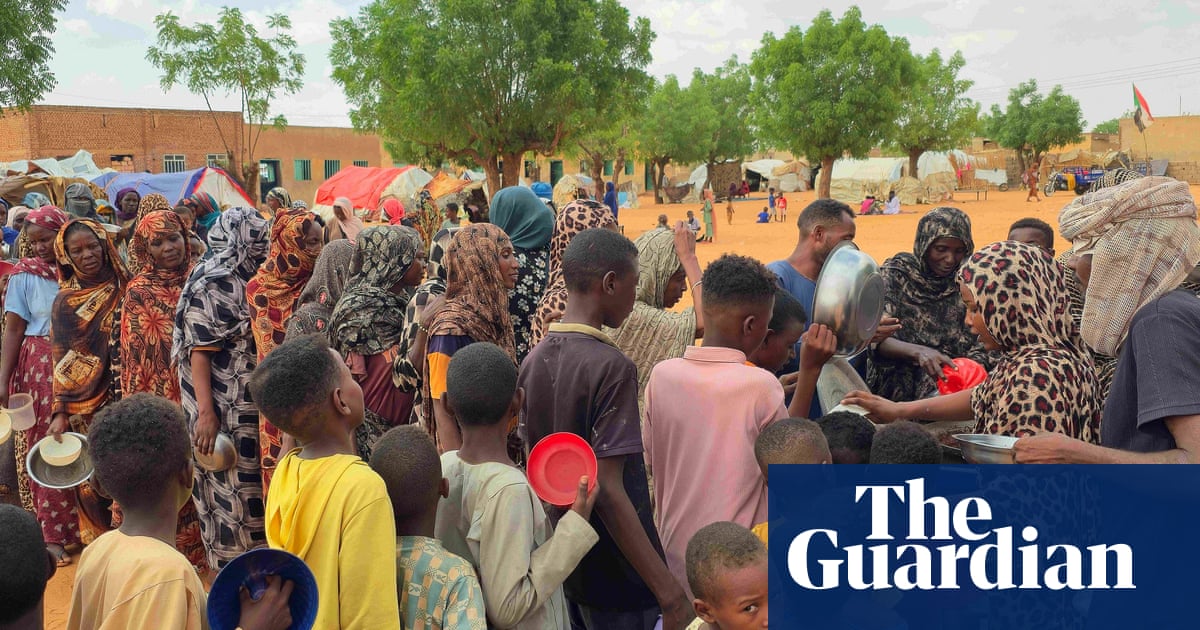
- Humanitarian pressure is very likely to worsen across Darfur and Kordofan through 30 September 2026. International organisations report more than 100,000 people facing displacement in Darfur and Kordofan, while more than 15,000 families have arrived in El Obeid since mid-July and satellite analysis identified 800 new tents between 4 and 25 August. Food needs are also severe, with around 21 million people estimated to require assistance and more than 19.5 million assessed as acutely food insecure. Displacement and food figures use different dates and definitions, including competing totals of 8.6 million, 11.3 million and 13 million displaced, so the direction of deterioration is more reliable than any single aggregate figure. (Confidence: high · ASSESSED)
- I&W: Confirm: UN, local health or humanitarian reporting records new displacement from Bara, El Obeid, West Darfur or North Darfur, alongside further tent growth in El Obeid camps. (0-30 days)
- I&W: Break: OCHA or WFP reports a sustained fall in food assistance needs and displacement, accompanied by improved humanitarian access to Darfur and Kordofan. (1-3 months)
- Cross-border tension involving Chad is likely to persist through 14 September 2026, while a broader regional conflict remains unlikely during that period. SAF officials report that SAF aircraft and drones struck an RSF resupply convoy in Chad's Ennedi-Est region on 20 August, alleging that roughly 200 combat vehicles were carrying UAE-linked weapons from Al-Kufra through Chad into Sudan. The African Union has warned of wider regional escalation, but the strike and convoy account remain largely based on SAF reporting without independent confirmation. (Confidence: low · ASSESSED)
- I&W: Confirm: another SAF air or drone strike is reported inside Chad, or Chadian authorities announce a military response linked to Sudan. (0-14 days)
- I&W: Break: Chad publicly verifies a deconfliction arrangement with the SAF and no additional cross-border strike is reported for 14 days. (0-14 days)
- A nationwide ceasefire or comprehensive political settlement is unlikely through 30 September 2026, despite continuing mediation. Rosemary DiCarlo has warned that the war is becoming harder to stop, while Pekka Haavisto is pursuing prisoner-exchange discussions, the UN is supporting a humanitarian truce backed by the US, Saudi Arabia, Egypt and the UAE, and Sudanese political and civilian actors are due to meet in Addis Ababa in September. These activities show diplomatic engagement but do not establish consent, implementation or a durable SAF-RSF negotiating process, leaving this judgement low confidence. (Confidence: low · ASSESSED)
- I&W: Confirm: the SAF and RSF jointly accept and sustain a monitored nationwide humanitarian truce for at least 14 days. (0-30 days)
- I&W: Break: Addis Ababa talks produce a signed SAF-RSF process with implementation measures, or both sides release prisoners under a verified arrangement. (0-30 days)
- Drone strikes by the SAF and RSF are very likely to continue causing civilian harm in Sudan through 30 September 2026. The UN documented around 1,400 civilian deaths between January and June 2026, including 1,100 attributed to drone strikes, while reporting states that both forces have repeatedly hit markets, schools, fuel stations and water infrastructure. The RSF assault on Bara also targeted a makeshift clinic, and medical groups report that the destruction of the local clinic has left thousands without basic emergency care. (Confidence: high · ASSESSED)
- I&W: Confirm: the UN or local health organisations document another SAF or RSF drone strike on civilian infrastructure in North Kordofan, Darfur, Blue Nile or another Sudanese locality. (0-30 days)
- I&W: Break: independent monitoring records no drone strikes on civilian sites anywhere in Sudan for 14 consecutive days. (0-30 days)
Outlook & scenarios
Protracted Kordofan contest (75%)
The SAF and RSF continue fighting around Bara and El Obeid through September. The Export Road remains contested, drone strikes continue and displacement grows in North Kordofan, Darfur and nearby refugee-hosting areas.
SAF corridor consolidation (40%)
The SAF retains the Export Road and Bara, improves access to El Obeid and uses captured RSF weapons and drone facilities to press towards West Kordofan and RSF positions in Darfur. The RSF shifts towards disruption through drone strikes and attacks on supply movement rather than immediate territorial control.
Chad-linked regional escalation (20%)
Further SAF strikes on alleged RSF supply movements inside Chad produce a stronger Chadian response and wider regional diplomatic or military involvement. This is a low-probability, high-impact wildcard because the existing cross-border account lacks independent confirmation.
Limited humanitarian opening (25%)
UN confidence-building, prisoner-exchange discussions and the planned Addis Ababa talks produce a temporary humanitarian truce or local access arrangement. Fighting continues elsewhere, and the development does not become a nationwide settlement.
Recommendations
- Prioritise collection on Bara and El Obeid for the next 14 days. Establish the controlling force in Bara, confirm the status of the Export Road, and distinguish RSF attacks from SAF counterstrikes using geolocated imagery and independent local reporting.
- Reconcile humanitarian figures before using them in products or briefings. Track the reporting dates and definitions used by OCHA, WFP, IOM and other humanitarian bodies, separating food assistance needs, acute food insecurity, internal displacement and cross-border displacement.
- Monitor the Chad-Sudan-Libya corridor for additional airstrikes, convoy movement and official responses. Give particular attention to Ennedi-Est, Al-Kufra and the Adre crossing, and seek confirmation from Chadian authorities before treating SAF accounts as established fact.
- Track civilian protection indicators in Bara, El Geneina, El Obeid and Darfur. Record attacks on clinics, detention of civilians, safe-corridor requests, trauma-supply shortages and new arrivals in displacement camps.
- Follow implementation rather than statements in the diplomatic track. Record whether the Addis Ababa talks occur, whether the SAF and RSF accept a humanitarian truce, and whether prisoner releases are verified by both sides.
Confidence & uncertainty
Overall confidence is high because the central assessment is supported by multiple high-confidence claims from the UN, WFP, ACLED, major media and humanitarian organisations. The broad pattern of continued SAF-RSF fighting, worsening displacement and civilian harm is corroborated across several sources. Confidence is lower for precise battlefield control in Bara, the reported SAF strike inside Chad, competing displacement and food-need totals, and the prospects for diplomatic implementation.
Intelligence gaps
- [EEI 1.1 · PARTIAL] Observed concentrations and movement of armed units (size estimates, unit identifiers if visible) within X km of named towns/roads/airfields (e.g., El Fasher, Geneina, Nyala, Khartoum neighborhoods) including timestamps and direction of movement. Recommended collection: imagery/satellite
- [EEI 1.2 · PARTIAL] Changes in employment of heavy weapons and systems: documented use or emplacement of artillery, multiple-launch rocket systems, tanks, combat helicopters, and airstrikes at specific coordinates and times. Recommended collection: open-source/media
- [EEI 1.4 · PARTIAL] Status of critical infrastructure and lines of communication: control or denial of named bridges, main highways (identify route numbers), airfields, fuel depots and telecommunication hubs and any reported sabotage/blockage incidents. Recommended collection: human intelligence/field reporting
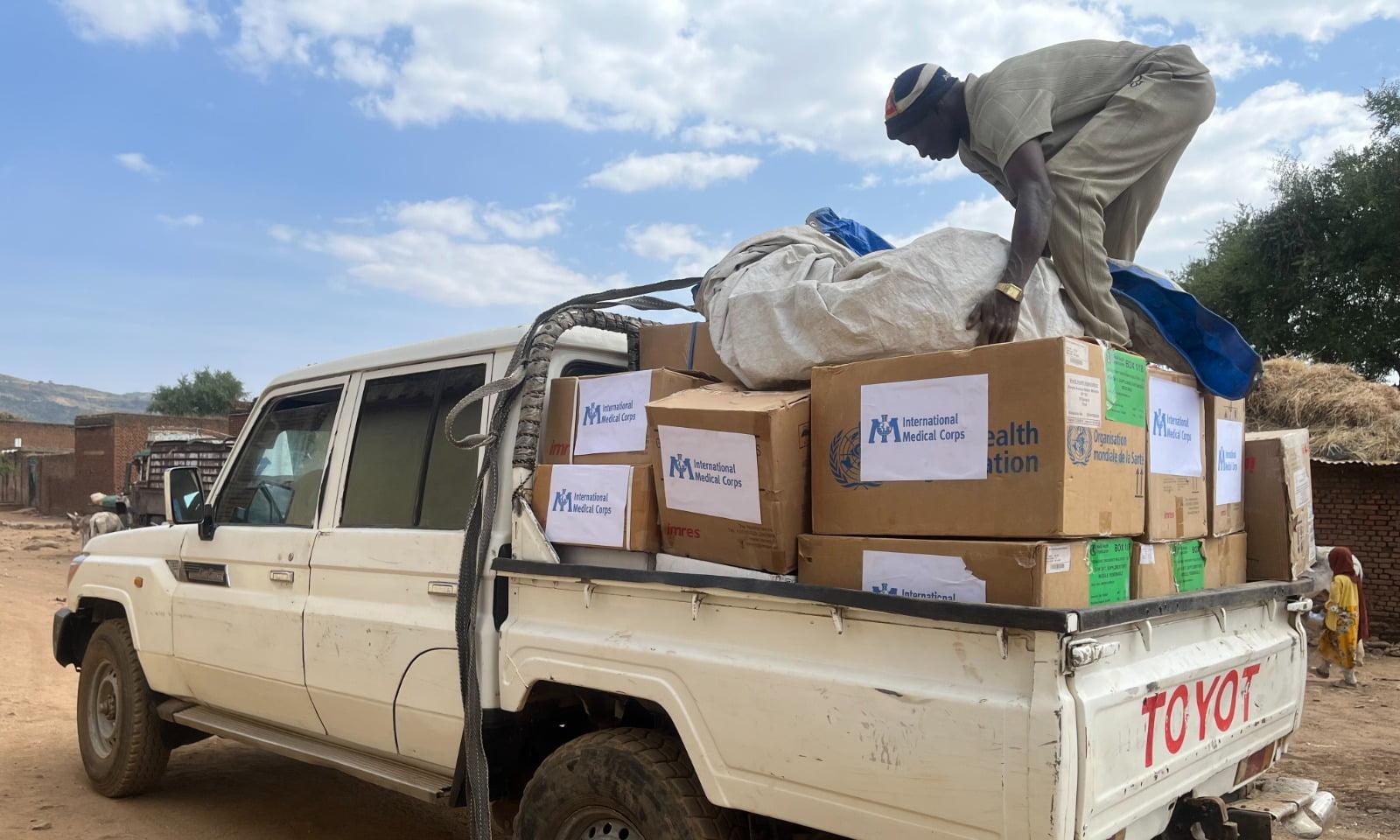
- [EEI 2.2 · PARTIAL] Access impediments to humanitarian assistance: reported attacks on, blockages of, or denial of passage for named humanitarian convoys (dates, GPS locations, responsible actor if known) and closure status of specific routes. Recommended collection: human intelligence/field reporting
- [EEI 2.3 · PARTIAL] Functional status of medical infrastructure in named locations: number of operational hospitals/clinics, reported shortages of key medicines/blood, and hospital casualty/occupancy figures for the last 72 hours. Recommended collection: medical/health cluster reporting
- [EEI 3.1 · PARTIAL] Detection of flights, ships or overland convoys delivering military materiel or foreign personnel to named airfields, ports or border crossings (flight/IMO numbers, manifests if available, timestamps, route origin/destination). Recommended collection: air-traffic / maritime / border customs
- [EEI 3.2 · PARTIAL] Imagery or on-the-ground confirmation of foreign military personnel or private military contractor bases/forward operating elements at specified coordinates or compounds, including vehicle/weapon types observed. Recommended collection: imagery/satellite
- [EEI 3.3 · PARTIAL] Financial and sanctions-relevant indicators: atypical large transfers, use of designated front companies, or shipments routed through third states linked to procurement of weapons or fuel for RSF or SAF (transaction dates, parties, amounts where obtainable). Recommended collection: financial intelligence
Cited sources
[1] The Taiwan Times · RSF Assault on Bara, North Kordofan Kills Five Civilians, Displaces Thousands (D) · Mon Aug 31 2026 13:00:05 GMT+0000 (Coordinated Universal Time) · sha256:aa4923cf81c4 [2] AllAfrica · Sudan War - a Conflict Sustained By Weapons, Fragmentation, and Diplomatic Inertia (B) · Wed Aug 26 2026 04:13:59 GMT+0000 (Coordinated Universal Time) · sha256:ca1ac956f646 [3] Arab News (arabnews.jp) · How one highway could determine Sudan’s war — and the future of its fractured regions (A) · sha256:e3a948b0b7b9 [4] Middle East Eye · Sudanese in Kordofan's Bara the latest civilians to be forced into battle (B) · Fri Aug 28 2026 15:26:12 GMT+0000 (Coordinated Universal Time) · sha256:ec96e8bf2581 [5] The Guardian · People fleeing Sudan civil war face ‘dire and deteriorating’ conditions in refuge city (A) · Sun Aug 30 2026 06:00:48 GMT+0000 (Coordinated Universal Time) · sha256:1198b6ea0441 [6] Daily News Egypt · Around 200 RSF Fighters Join Sudanese Army, Reports Say (B) · Mon Aug 31 2026 20:08:25 GMT+0000 (Coordinated Universal Time) · sha256:de1ea9b01724 [7] Log Update Africa · How humanitarian logistics is keeping medical aid moving into Darfur (C) · Wed Aug 26 2026 07:34:39 GMT+0000 (Coordinated Universal Time) · sha256:1711211a1572
Source content hashes were computed at collection time; the cited text is preserved unmodified for the life of this product.
TLP:CLEAR