TLP:CLEAR · Disclosure is not limited.
Sudan Conflict: Power Strikes, Disputed Attribution and Civilian Harm
Time window: Last 7 days · Audience: General analyst · Type: Situation report · DTG: 2026-11-02 22:09Z · Overall confidence: HIGH
BLUF
The 2 November strikes on three named substations add to a reported 18 attacks on Sudan’s electricity network in the past week, but the attacker remains unidentified and reported totals do not align. Sudan has now detailed its allegation that RSF drones operated from Ethiopian territory and filed complaints with the UN and African Union; the supplied reporting does not independently verify that allegation.
Executive summary
Reporting during the week describes drone attacks on electricity infrastructure, including strikes on the New Halfa and Aroma substations in Kassala and al-Ghazali in Northern State on 2 November. Sudan attributes a wider drone campaign to the RSF and alleges launches from Ethiopia, but neither RSF responsibility for the latest strikes nor Ethiopian involvement is independently established in the supplied reporting. In Nyala, MSF reported 36 bodies received at its supported hospital and more than 150 injured; higher casualty claims remain disputed. The UN Human Rights Office reported more than 6,000 people killed in the first three days after the RSF captured El Fasher. Sudan’s humanitarian needs remain acute, while reports of fighting and defections in Blue Nile leave current control around Bakori unresolved. UN plans for talks with the RSF on a transition to civilian rule remain separate from prospects for a ceasefire.
Change from previous assessment
Since the prior brief earlier on 2 November, new reporting names three substations hit that day and gives a weekly total of 18 network strikes. This expands the reported campaign, but the total remains unreconciled with the earlier 15-station figure and the separate report of 13 facilities. Sudan’s complaint to the UN and African Union and its allegation of more than 180 RSF drone launches from Ethiopian territory are now more specifically reported; confidence in Ethiopian attribution remains low. New reports of RSF surrenders in Damazin and Siddiq Ander’s reported defection add a Blue Nile military dimension, but do not resolve control of Bakori or Sali. The Nyala casualty dispute and the UN Human Rights Office estimate for El Fasher remain unchanged. The outlook for UN-RSF transition talks remains likely, while a near-term ceasefire remains unlikely.
Key judgments
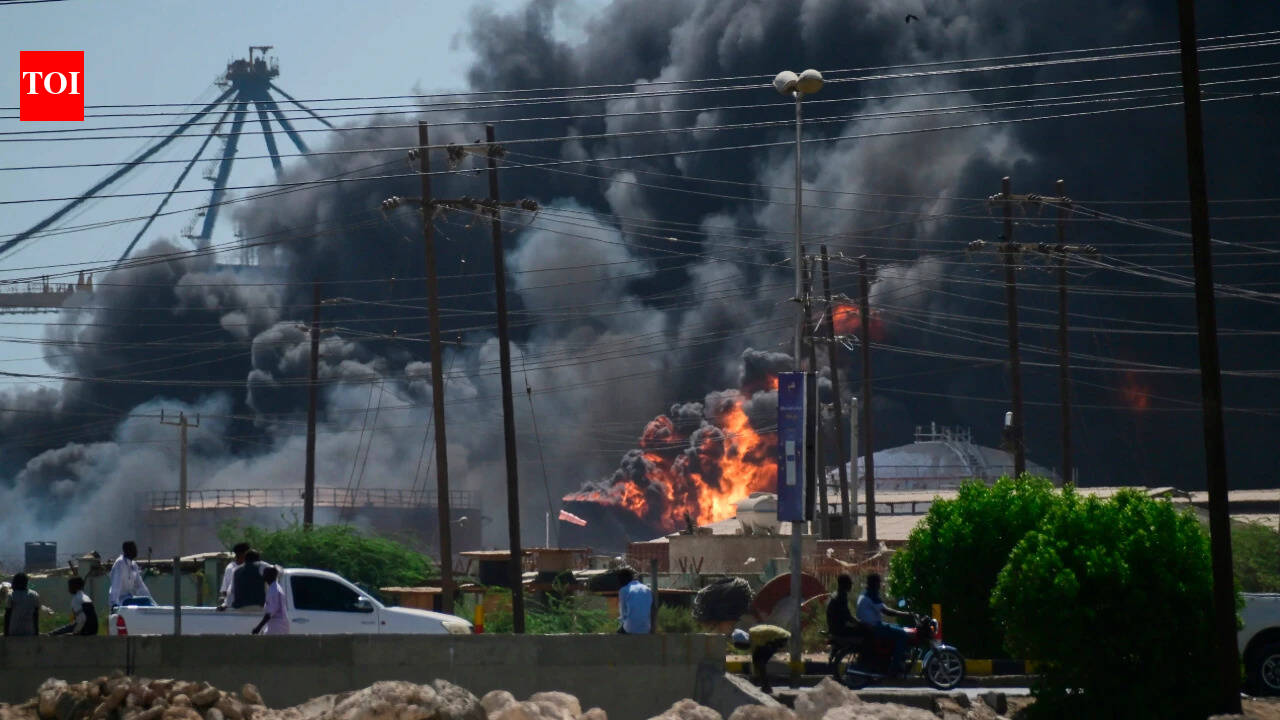
- Further drone attacks on Sudan’s electricity network are likely over the next 14 days. On 2 November, strikes reportedly hit the New Halfa and Aroma substations in Kassala and al-Ghazali in Northern State, causing widespread outages; one report counted 18 network strikes over the past week. A separate account refers to 13 electricity facilities in Khartoum, Al-Jazira, Sennar and Al-Qadarif, so the totals and target sets are not reconciled. The attackers in the 2 November strikes remain unidentified. (Confidence: medium · ASSESSED)
- I&W: Confirmation: a new, named substation attack is reported in Sudan before 16 November. (0-14 days)
- I&W: Break: operators report no further substation strikes and confirm service restoration at New Halfa, Aroma and al-Ghazali. (0-14 days)
- The supplied reporting does not establish that Ethiopian state actors assisted RSF drone operations or that the latest attacks were launched from Ethiopia. Sudan’s Sovereignty Council alleges that more than 180 RSF drones attacked from Ethiopian territory, and Sudan’s Foreign Ministry says it holds supporting documents; Sudan has also filed complaints with the UN Security Council and the African Union Peace and Security Council. Ethiopia had previously denied similar allegations. The evidence presented remains Sudanese government reporting, not independent verification, and some accounts describe direct Ethiopian assistance while others describe alleged use of Ethiopian territory. (Confidence: low · ASSESSED)
- I&W: Sudan releases the documents it says it holds and an independent technical review confirms or rejects the alleged launch origins. (0-3 months)
- I&W: The UN Security Council or African Union Peace and Security Council publishes findings on Sudan’s complaint. (1-3 months)
- MSF reported that the MSF-supported Nyala Teaching Hospital received 36 bodies after the Tanqong Market strike in the Dumaya neighbourhood and treated more than 150 injured people. This is a hospital count, not a settled overall death toll: the RSF-aligned Tasis health minister reported 102 dead and 113 injured, while the RSF claimed 188 dead and 356 injured, a figure the reporting says could not be independently verified. MSF and Emergency Lawyers blamed the Sudanese armed forces, but responsibility remains alleged; accounts also differ on whether the strike occurred on 26 or 27 October. (Confidence: medium · REPORTED)
- I&W: An independent casualty accounting from Nyala reconciles the hospital count with the higher claims from Tasis officials and the RSF. (0-14 days)
- I&W: A public investigation identifies the strike’s operator and provides evidence for its attribution. (1-3 months)
- The UN Human Rights Office’s reported estimate of more than 6,000 people killed in the first three days after the RSF captured El Fasher on 26 October 2025 remains the most specific post-capture toll in the supplied reporting. It does not establish the total number killed in El Fasher since the capture. (Confidence: medium · ASSESSED)
- I&W: The UN Human Rights Office or another UN body publishes a post-capture casualty breakdown that corroborates or materially revises the estimate. (1-3 months)
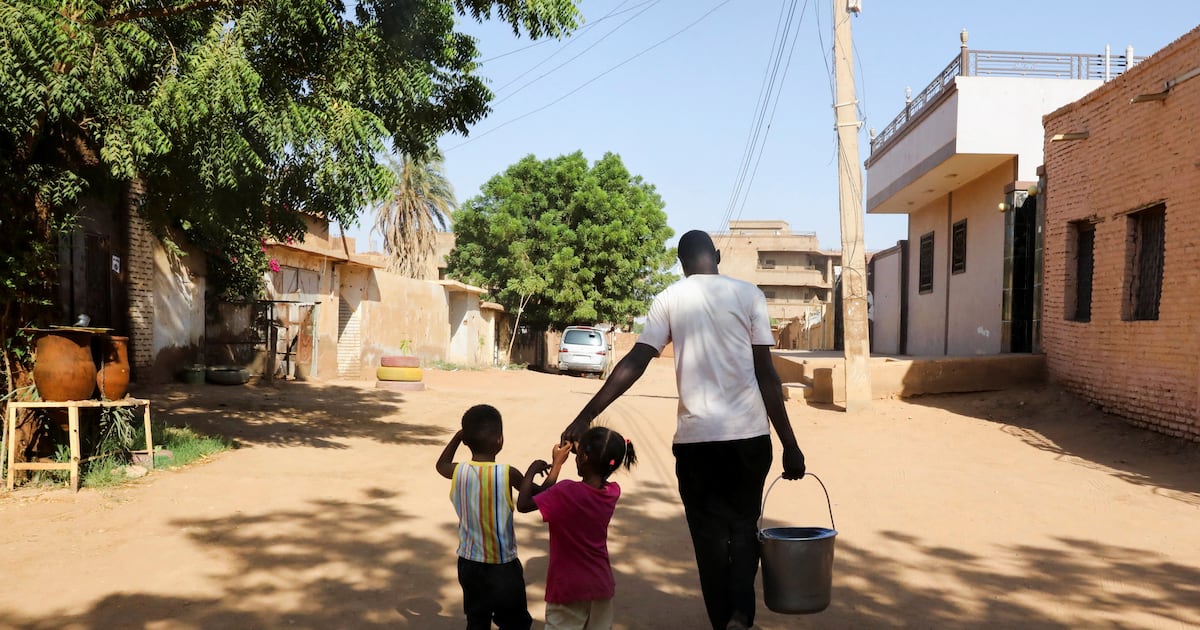
- Humanitarian pressure across Sudan is very likely to remain acute over the next three months. WFP figures put displacement above 14 million and the number facing hunger near 20 million. Separate reporting puts people needing assistance above 33 million; a CARE survey found 8 million children out of school and severe water shortages and no toilets in more than 90 per cent of schools. (Confidence: high · ASSESSED)
- I&W: A subsequent WFP update continues to report hunger near 20 million and displacement above 14 million. (1-3 months)
- I&W: WFP reports sustained declines in hunger and displacement in a new situation update. (1-3 months)
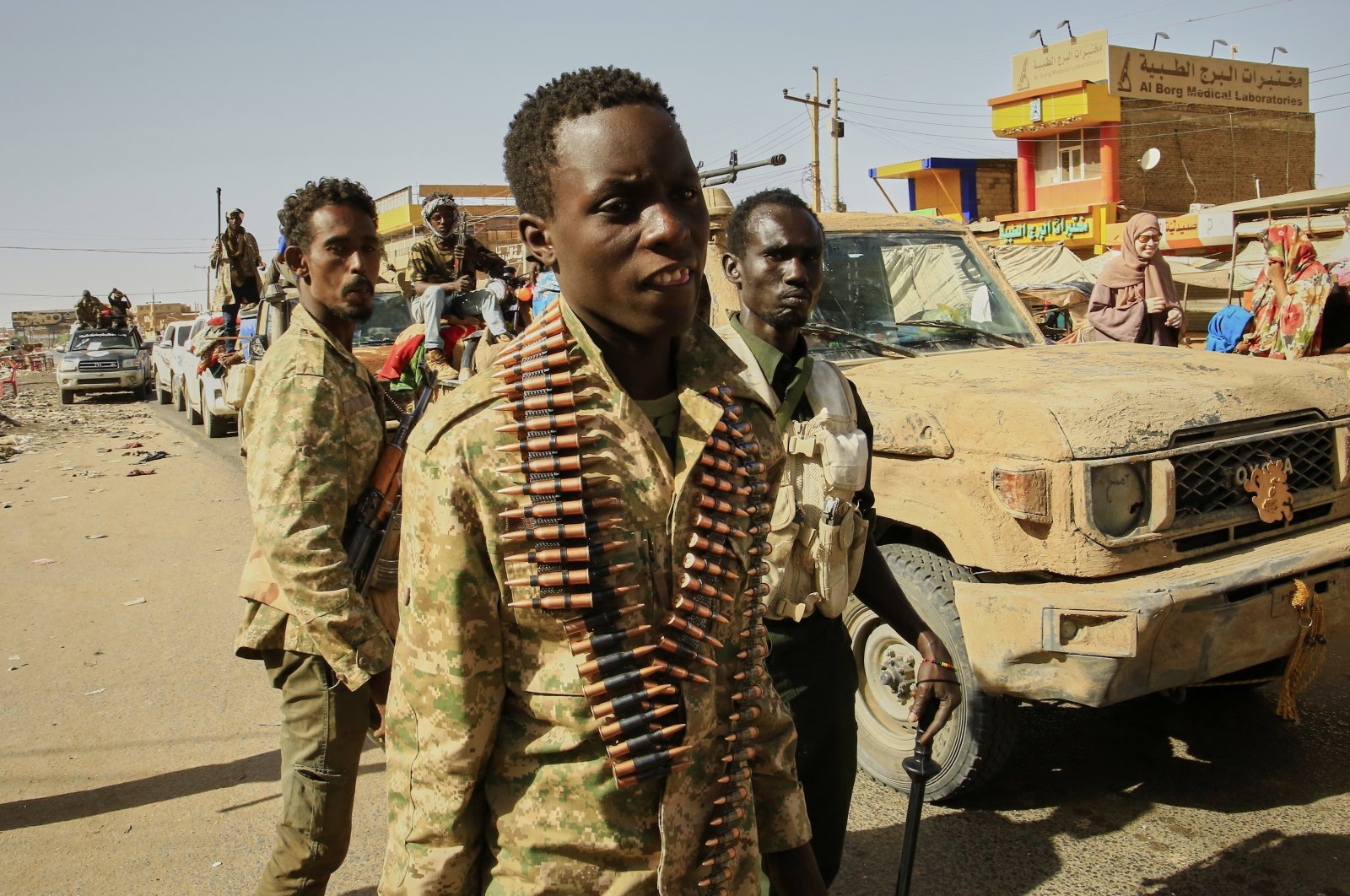
- Blue Nile remains contested, but recent reports do not establish current control of Bakori or Sali. The Sudanese army reported repelling attacks by the RSF and SPLM-North and said RSF members surrendered in Damazin; video footage obtained by Al Jazeera showed senior RSF commander Siddiq Ander declaring his defection. Army claims about holding positions around Bakori and its 22 October announcement that it had recaptured the area describe different phases or accounts of the fighting. This judgment rests largely on army statements and local-media reporting. (Confidence: low · ASSESSED)
- I&W: Independent reporting establishes whether SAF or RSF forces hold Bakori and Sali. (0-14 days)
- I&W: A verifiable follow-up confirms or contradicts Siddiq Ander’s reported defection and identifies any RSF units that surrendered in Damazin. (0-14 days)
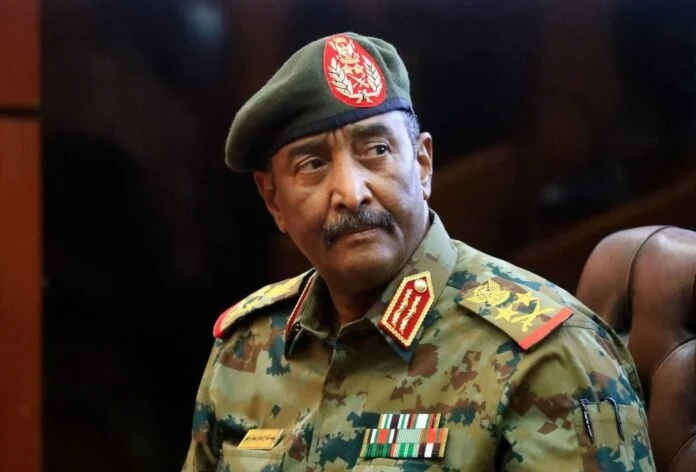
- UN talks with the RSF on Sudan’s transition to civilian rule are likely before Christmas 2026, while a near-term ceasefire is unlikely. UN envoy Pekka Haavisto reported substantive discussions with an anti-war coalition in Addis Ababa and meetings with parties close to the SAF. The supplied reporting does not say the SAF has agreed to talks, and Gen Abdel Fattah Al Burhan has repeatedly rejected ceasefire proposals. (Confidence: medium · ASSESSED)
- I&W: The UN publishes dates and participants for talks with the RSF on transition to civilian rule. (0-2 months)
- I&W: Al Burhan publicly accepts or rejects a specific ceasefire proposal or direct SAF participation in talks. (0-2 months)
Outlook & scenarios
Power strikes continue and attribution remains contested (55%)
Further attacks on Sudanese electricity infrastructure produce additional outages over the next two weeks. Reporting continues to give differing network totals, and no independently verified evidence resolves responsibility for the latest strikes or the alleged Ethiopian launch origins.
Attacks ease as transition talks advance (35%)
Reported strikes become less frequent while the UN sets dates for talks with the RSF and continues engagement with the anti-war coalition and parties close to the SAF. This would advance discussion of civilian rule but would not by itself indicate a ceasefire, given Al Burhan’s reported rejection of ceasefire proposals.
Low-probability, high-impact: Sudan-Ethiopia dispute escalates (10%)
Independently verified evidence that RSF drones launched from Ethiopian territory prompts Sudan to take steps beyond its complaints to the UN Security Council and African Union, producing a direct bilateral crisis. Current reporting establishes the allegation and complaints, not Ethiopian involvement or an escalation beyond diplomacy.
Recommendations
- Maintain separate incident tallies for the reported 18 network strikes and the 13 electricity facilities cited in other reporting. Record each strike’s date, location, facility and outage impact before presenting a campaign total.
- Label claims of RSF launches from Ethiopia as allegations. Seek the documents Sudan says it holds and look for independent technical review before assessing Ethiopian involvement.
- Use the 36 bodies reported at the MSF-supported Nyala Teaching Hospital as a hospital count, not a final death toll. Present the higher Tasis and RSF figures as disputed, and retain the 26-27 October date discrepancy.
- Track control claims and independently sourced reporting for Bakori and Sali separately. Verify the reported Damazin surrenders and Siddiq Ander’s defection before assessing whether they indicate a wider RSF breakdown.
- Track the UN’s announced RSF talks separately from ceasefire negotiations. Record any published meeting dates and participants alongside direct statements from Al Burhan on ceasefire proposals.
Confidence & uncertainty
Overall confidence is high for the broad situation: multilateral and humanitarian reporting, MSF reporting from Nyala, CARE survey findings and major-media accounts converge on extensive civilian need and the occurrence of recent infrastructure attacks. Confidence is lower on disputed casualty totals, responsibility for the Nyala strike, the exact scale and locations of electricity attacks, and Sudan’s allegations concerning Ethiopian territory. Those uncertainties limit the individual judgments on attribution and Blue Nile control.
Intelligence gaps
- [EEI 1.1 · PARTIAL] Observed concentrations and movement of armed units (size estimates, unit identifiers if visible) within X km of named towns/roads/airfields (e.g., El Fasher, Geneina, Nyala, Khartoum neighborhoods) including timestamps and direction of movement. Recommended collection: imagery/satellite
- [EEI 1.4 · PARTIAL] Status of critical infrastructure and lines of communication: control or denial of named bridges, main highways (identify route numbers), airfields, fuel depots and telecommunication hubs and any reported sabotage/blockage incidents. Recommended collection: human intelligence/field reporting
- [EEI 2.1 · PARTIAL] Counts and locations of newly displaced persons arriving at formal sites, informal camps, border crossings or collective centers (daily/weekly arrivals, site coordinates), including demographics (women, children, elderly) where available. Recommended collection: humanitarian/UN OCHA reports
- [EEI 2.2 · UNCOVERED] Access impediments to humanitarian assistance: reported attacks on, blockages of, or denial of passage for named humanitarian convoys (dates, GPS locations, responsible actor if known) and closure status of specific routes. Recommended collection: human intelligence/field reporting
- [EEI 2.3 · PARTIAL] Functional status of medical infrastructure in named locations: number of operational hospitals/clinics, reported shortages of key medicines/blood, and hospital casualty/occupancy figures for the last 72 hours. Recommended collection: medical/health cluster reporting
- [EEI 3.1 · UNCOVERED] Detection of flights, ships or overland convoys delivering military materiel or foreign personnel to named airfields, ports or border crossings (flight/IMO numbers, manifests if available, timestamps, route origin/destination). Recommended collection: air-traffic / maritime / border customs
- [EEI 3.2 · UNCOVERED] Imagery or on-the-ground confirmation of foreign military personnel or private military contractor bases/forward operating elements at specified coordinates or compounds, including vehicle/weapon types observed. Recommended collection: imagery/satellite
- [EEI 3.3 · UNCOVERED] Financial and sanctions-relevant indicators: atypical large transfers, use of designated front companies, or shipments routed through third states linked to procurement of weapons or fuel for RSF or SAF (transaction dates, parties, amounts where obtainable). Recommended collection: financial intelligence
Red cell review: CONCUR WITH COMMENT
TLP:CLEAR