TLP:CLEAR · Disclosure is not limited.
Sudan Conflict Situation Report, 25 October 2026
Time window: Last 7 days · Audience: General analyst · Type: Situation report · DTG: 2026-10-25 22:12Z · Overall confidence: HIGH
BLUF
Drone attacks remain a direct civilian threat, while fighting and displacement continue to pressure Greater Kordofan and Darfur. The 18 October Dibab and 19 October Abyei attacks caused mass casualties, but reported death tolls and responsibility remain unresolved; famine warnings and acute food insecurity point to further humanitarian deterioration.
Executive summary
From 18 to 25 October, reporting highlighted civilian deaths from drone strikes across Sudan, continued fighting and displacement in Greater Kordofan, and severe conditions for civilians in RSF-controlled El Fasher. The UN Human Rights Office documented at least 306 deaths and hundreds of injuries from drone strikes in the first three weeks of October, attributing strikes to both the SAF and RSF. Accounts of the 18 October Dibab strike differ on the death toll, and reporting on the 19 October Amiet Market attack in Abyei leaves both the final toll and operator unsettled. Food insecurity is already acute for 19.5 million people, while official and IPC warnings point to increasing famine risk. Nabil Fahmy, Secretary-General of the Arab League, is scheduled to visit Khartoum on 26 October to discuss Sudanese political affairs and dialogue.
Change from previous assessment
Since the 24 October brief, the central assessments on drone casualties, unresolved Dibab and Abyei figures, food insecurity and RSF abuses in El Fasher remain unchanged. New reporting adds Amnesty International interview detail on detention in El Fasher and reports more than 300,000 people displaced in Greater Kordofan since October 2025, with farming communities moving towards El Obeid. No new reporting resolves the Dibab or Abyei tolls or independently establishes the operator of either attack.
Key judgments
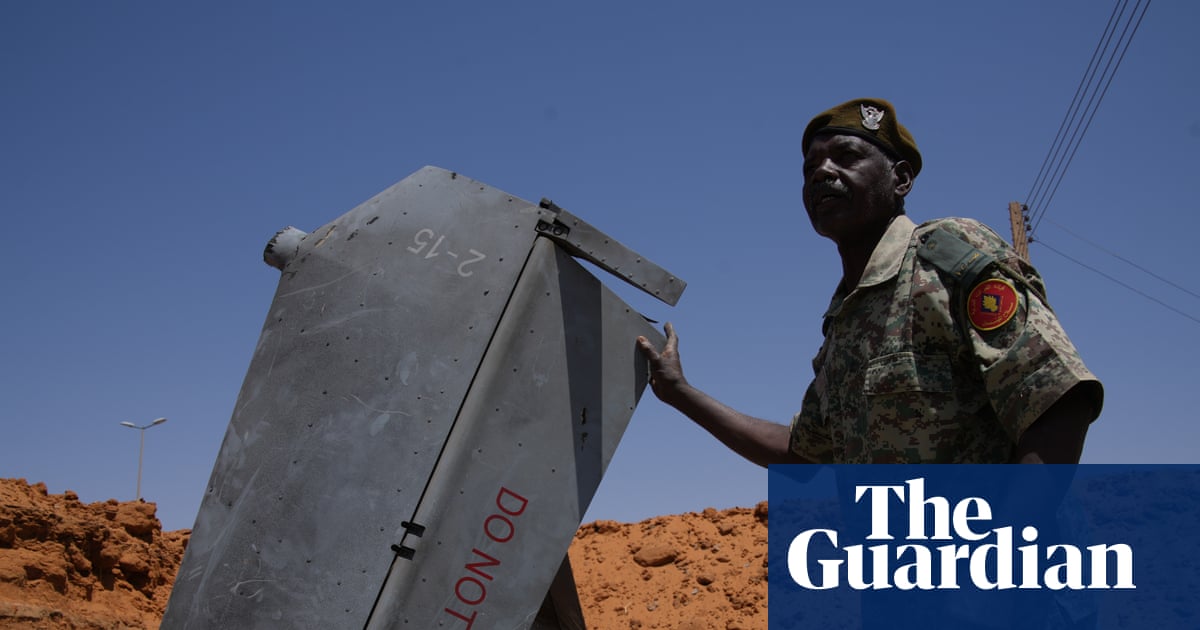
- Drone strikes are very likely to remain a direct civilian hazard in Sudan over the next 1 to 3 months. The UN Human Rights Office documented at least 306 deaths and hundreds of injuries in the first three weeks of October, attributing strikes to both the SAF and RSF; reporting also describes attacks on civilian sites in Kordofan, Darfur and Blue Nile. The broad pattern is supported by high-reliability UN reporting and additional incident reporting, but attribution for individual strikes remains uneven. Confidence is medium. (Confidence: medium · ASSESSED)
- I&W: Confirm: the UN Human Rights Office or two independent monitors document another drone strike causing civilian deaths at a named civilian site in Kordofan, Darfur or Blue Nile. (0-14 days)
- I&W: Break: the UN Human Rights Office reports a sustained halt in drone strikes causing civilian casualties across these areas. (1-3 months)
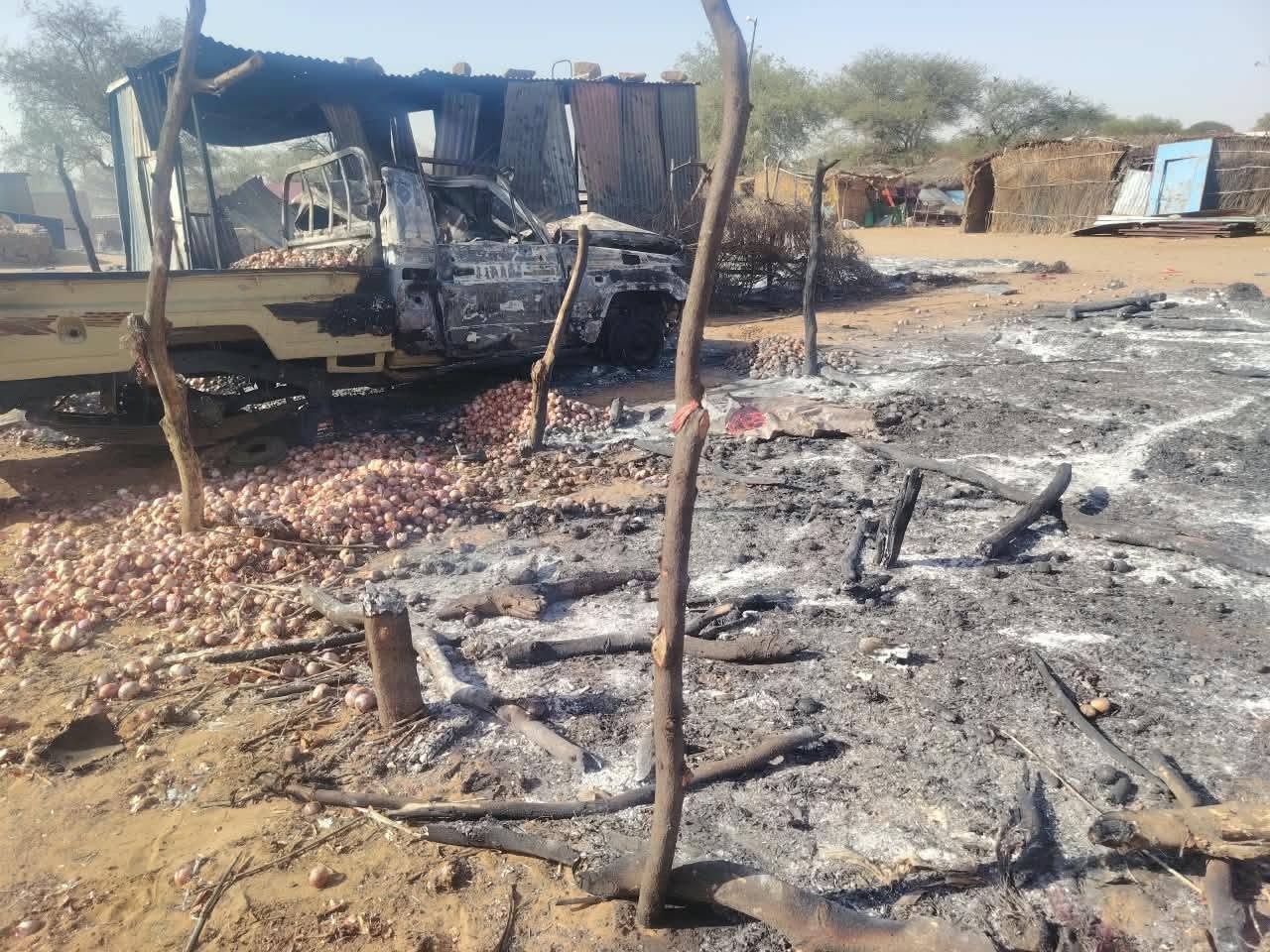
- The 18 October drone strike on a transport hub in Dibab, West Kordofan, almost certainly caused mass civilian casualties, but the final death toll is unresolved. Published accounts report 80 deaths, at least 139 deaths, or 145 at the truck and five at a funeral tent; a witness said he helped bury 50 bodies. The accounts support a mass-casualty event but differ in their count and scope. Tasis accused the SAF, but the operator has not been independently established. Confidence is medium. (Confidence: medium · REPORTED)
- I&W: Confirm: an independent medical or humanitarian tally confirms at least 80 deaths in Dibab while leaving the separate truck and funeral-tent counts unreconciled. (0-14 days)
- I&W: Break: an independently verified final count falls below 80 or establishes that the reported tolls refer to separate incidents. (0-14 days)
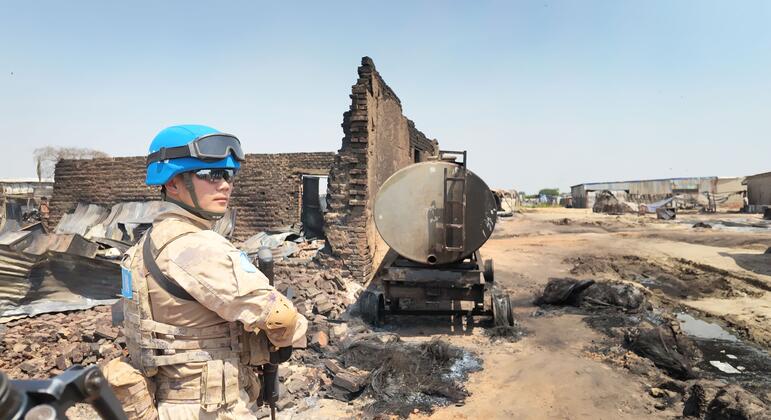
- The 19 October drone attack on Amiet Market and the Todach area in Abyei almost certainly caused mass civilian casualties, but the final toll and operator remain unsettled. One report gave more than 80 deaths, while the Abyei region's information minister reported 153; UNISFA took more than 27 injured people to its hospital in Todach. Abyei authorities and an anonymous military source attributed the attack to the Sudanese army, but the UN Security Council called for investigation and did not confirm responsibility. Confidence is medium because casualty verification was still under way and the attribution rests partly on uncorroborated reporting. (Confidence: medium · REPORTED)
- I&W: Confirm: UNISFA's casualty verification produces a count within the reported range but still does not establish the operator. (0-14 days)
- I&W: Break: a transparent investigation publishes a reconciled death toll and independently verified attribution. (0-14 days)
- Food security conditions are likely to worsen over the next 1 to 3 months. A joint ministerial statement reported 19.5 million people facing acute food insecurity, including 5 million at emergency levels, and said the 14 food-insecure areas were expected to double. The IPC warned of famine risk in the coming months; reported drought affects more than half of Sudan. These official warnings and reported conditions support the direction of the assessment, but they are not a new outcome assessment. Confidence is medium. (Confidence: medium · ASSESSED)
- I&W: Confirm: a new food security assessment records deterioration from the reported 19.5 million people facing acute food insecurity or identifies additional food-insecure areas. (1-3 months)
- I&W: Break: a new assessment reports a sustained decline in emergency-level food insecurity and no expansion in the number of food-insecure areas. (1-3 months)
- Civilians remaining in El Fasher are very likely to continue facing detention, abuse and severe shortages of food and healthcare under RSF control. Amnesty International reported that 17 of 19 El Fasher residents it interviewed had been detained by the RSF; it interviewed 25 civilians in total. The BBC separately documented at least 43 attacks on hospitals and healthcare sites in the city, while an RSF-affiliated health minister dismissed its findings as propaganda. The reporting is substantial but relies on a limited interview sample and includes a denial by the accused side. Confidence is medium. (Confidence: medium · ASSESSED)
- I&W: Confirm: new testimony or independent monitoring documents further RSF detention of civilians or continued lack of food and healthcare access in El Fasher. (0-3 months)
- I&W: Break: independent monitoring confirms detainee releases and sustained restoration of civilian access to healthcare and humanitarian assistance in El Fasher. (1-3 months)
- Fighting and displacement are likely to persist in Greater Kordofan over the next 1 to 3 months, including pressure on routes around Bara and movement towards El Obeid. Reporting puts cumulative displacement in Greater Kordofan above 300,000 since October 2025 and says fighting forced farming communities in North Kordofan to leave for El Obeid; a think-tank assessment reports SAF gains along routes around Bara in July and September. These reports indicate sustained pressure, but they do not establish current control of every route. Confidence is medium. (Confidence: medium · ASSESSED)
- I&W: Confirm: new reporting records additional displacement from North Kordofan towards El Obeid or further SAF advances along routes around Bara. (0-14 days)
- I&W: Break: verified reporting records sustained safe return to farming areas and no new displacement from Greater Kordofan. (1-3 months)
Outlook & scenarios
Continued attrition and civilian harm (65%)
Drone attacks and ground fighting continue across Kordofan, Darfur and Blue Nile, with further civilian casualties and displacement. Food insecurity worsens, and no ceasefire or political breakthrough follows in the near term.
Limited diplomatic opening without an immediate ceasefire (25%)
Nabil Fahmy's scheduled 26 October visit to Khartoum gives Sudanese dialogue efforts renewed attention. The visit produces further political engagement but does not quickly stop fighting or resolve humanitarian access constraints.
Abyei attack triggers a wider crisis (10%)
A further strike near Amiet Market or Todach causes additional deaths and sharpens tensions around Abyei. South Sudan's protest and the UN Security Council's call for investigation increase diplomatic pressure, while the requirement that Abyei remain demilitarised faces renewed strain. This is a low-probability, high-impact wildcard.
Recommendations
- Keep separate incident records for Dibab and Abyei. Track location, date, casualty range, source, and attribution independently; do not combine reports that may describe separate strikes or different parts of one attack.
- Prioritise follow-up on UNISFA casualty verification in Abyei and independent medical or humanitarian tallies for Dibab. Treat claims assigning responsibility to the SAF or RSF as unconfirmed unless independently corroborated.
- Update the Sudan food security picture against the reported baseline of 19.5 million people facing acute food insecurity and 5 million at emergency levels. Track revised IPC assessments, changes in food-insecure areas, drought reporting, and humanitarian funding constraints.
- Monitor displacement reporting from Greater Kordofan and any documented movement from North Kordofan towards El Obeid. Distinguish new weekly displacement from the cumulative figure reported since October 2025.
- Review the outcomes of Nabil Fahmy's 26 October Khartoum visit for specific public commitments on dialogue, ceasefire or humanitarian access, rather than treating the visit itself as evidence of progress.
Confidence & uncertainty
Overall confidence is high in the broad assessment of continuing civilian harm, worsening humanitarian pressure and severe conditions in El Fasher. High-reliability UN reporting documents the October drone casualty pattern, UNISFA confirms the evacuation of injured people from the Abyei attack, and separate BBC and Amnesty International reporting supports the El Fasher findings. Confidence is lower in the precise Dibab and Abyei death tolls, attribution for individual strikes, and the pace of future food security deterioration; several casualty accounts conflict, and some operator claims rely on anonymous or partisan sources.
Alternative analysis (red cell)
Greater Kordofan has experienced substantial displacement and fighting, but the available evidence may also be consistent with localized SAF consolidation rather than continued broad route pressure. The displacement figure in claim 94801174-a1f1-4e45-8894-5a2f66c83f1c is cumulative, while the operational evidence in claim 2ead4ba0-8a27-4366-ac75-6fbb1804e03f is dated to July and September. On the current record, persistent conflict is plausible but not the only defensible reading.
Intelligence gaps
- [EEI 1.1 · UNCOVERED] Observed concentrations and movement of armed units (size estimates, unit identifiers if visible) within X km of named towns/roads/airfields (e.g., El Fasher, Geneina, Nyala, Khartoum neighborhoods) including timestamps and direction of movement. Recommended collection: imagery/satellite
- [EEI 1.3 · PARTIAL] Reports or intercepts of orders, operational directives or public statements from RSF/SAF commanders indicating planned offensives, ceasefire acceptance/rejection, defensive postures or orders to withdraw from named locations. Recommended collection: signals/communications intercepts
- [EEI 1.4 · PARTIAL] Status of critical infrastructure and lines of communication: control or denial of named bridges, main highways (identify route numbers), airfields, fuel depots and telecommunication hubs and any reported sabotage/blockage incidents. Recommended collection: human intelligence/field reporting
- [EEI 2.1 · PARTIAL] Counts and locations of newly displaced persons arriving at formal sites, informal camps, border crossings or collective centers (daily/weekly arrivals, site coordinates), including demographics (women, children, elderly) where available. Recommended collection: humanitarian/UN OCHA reports
- [EEI 2.2 · PARTIAL] Access impediments to humanitarian assistance: reported attacks on, blockages of, or denial of passage for named humanitarian convoys (dates, GPS locations, responsible actor if known) and closure status of specific routes. Recommended collection: human intelligence/field reporting
- [EEI 3.1 · UNCOVERED] Detection of flights, ships or overland convoys delivering military materiel or foreign personnel to named airfields, ports or border crossings (flight/IMO numbers, manifests if available, timestamps, route origin/destination). Recommended collection: air-traffic / maritime / border customs
- [EEI 3.2 · UNCOVERED] Imagery or on-the-ground confirmation of foreign military personnel or private military contractor bases/forward operating elements at specified coordinates or compounds, including vehicle/weapon types observed. Recommended collection: imagery/satellite
- [EEI 3.3 · PARTIAL] Financial and sanctions-relevant indicators: atypical large transfers, use of designated front companies, or shipments routed through third states linked to procurement of weapons or fuel for RSF or SAF (transaction dates, parties, amounts where obtainable). Recommended collection: financial intelligence
Red cell review: PARTIAL DISSENT
TLP:CLEAR