TLP:CLEAR · Disclosure is not limited.
Sudan: Drone warfare, mass detentions and a deepening humanitarian collapse
Time window: Last 7 days · Audience: General analyst · Type: Situation report · DTG: 2026-06-16 22:17Z · Overall confidence: MEDIUM
BLUF
Drone strikes have very likely escalated since early 2026, killing more than 1,000 civilians and repeatedly hitting markets and health centres, while both the Sudanese Armed Forces and Rapid Support Forces are detaining, torturing and extorting civilians. RSF very likely holds much of Darfur including El Fasher; SAF likely runs Port Sudan and says it controls Khartoum, though this remains uncertain. The humanitarian emergency is almost certainly the world’s worst, with tens of millions in need and displacement on an unprecedented scale.
Executive summary
Reporting points to a sharp rise in drone warfare across Sudan in 2026, with over 1,000 civilian deaths documented between January and May and at least 15 killed in El-Obeid, alongside at least 16 drone strikes on health centres and 33 attacks on markets earlier in the conflict. Rights investigators detail widespread arbitrary arrests, torture and enforced disappearance by both SAF and RSF, an RSF pattern of detention-for-ransom including demands up to 25 million Sudanese pounds, and incommunicado detainees in El Geneina. On the battlefield, RSF is reported to control large areas of western Sudan including El Fasher, while SAF is reported to control Port Sudan and large parts of eastern and central Sudan and to control Khartoum. Humanitarian need is extreme: about 34 million people require assistance, more than 11 million are displaced inside Sudan, roughly 4 million have fled to neighbouring countries and over 1 million have crossed into Chad. In Geneva, states and rights groups are pressing for accountability and detention access ahead of the Sudan Fact-Finding Mission’s report presentation on 26 June, but near-term changes in combatant behaviour are unlikely.
Change from previous assessment
New reporting quantifies over 1,000 civilian drone deaths in January, May 2026 and details a strike in El‑Obeid, raising the assessed lethality of drone use. Fresh UN Fact‑Finding Mission updates describe widespread arbitrary detention, torture and enforced disappearance by both parties, an RSF ransom‑for‑release pattern with demands up to 25 million Sudanese pounds, and at least 70 incommunicado arrests in El Geneina. Geneva process milestones are now time‑bound, with the Mission’s report due on 26 June and calls to extend its mandate. A single major‑media report states SAF controls Khartoum and Port Sudan while RSF controls large areas of Darfur including El Fasher; this narrows the previous view of contested control of the capital, but confidence remains medium given sourcing. Humanitarian figures are consistent with a worsening crisis and mass displacement. Initial assessment of this topic for this run with adjustments from the prior brief reflected in the updated territorial control judgment and strengthened evidence on detentions and drone harm.
Key judgments
- Drone warfare has very likely intensified across Sudan since early 2026 and is killing civilians at scale, including more than 1,000 deaths between January and May 2026 and at least 15 killed in El-Obeid, with repeated strikes on markets and health facilities. (Confidence: medium · ASSESSED)
- I&W: OHCHR or UN updates show June, July civilian drone fatalities at or above January, May 2026 rates. (1-3 months)
- I&W: A verified 14‑day halt in drone strikes on markets or health centres recorded by the UN. (0-14 days)
- Both SAF and RSF are very likely conducting arbitrary detentions, torture and enforced disappearances, and RSF units are extracting ransom payments for releases, with demands reported up to 25 million Sudanese pounds. (Confidence: high · REPORTED)
- I&W: Fact-Finding Mission publishes on-site findings from Nyala Prison or El Geneina confirming continued incommunicado detention and ransom extraction. (0-14 days)
- I&W: Independent monitors gain access to key detention sites and report immediate releases without payment demands. (0-14 days)
- RSF very likely retains de facto control across much of Darfur, including El Fasher. (Confidence: medium · REPORTED)
- I&W: Observable RSF checkpoints and administration remain active in El Fasher municipal and state facilities. (0-14 days)
- I&W: SAF re-enters and sustains control of North Darfur governorate headquarters in El Fasher. (0-14 days)
- SAF likely controls Port Sudan and large parts of eastern and central Sudan and states it controls Khartoum, though control of the capital remains less certain than reported. (Confidence: medium · ASSESSED)
- I&W: Regular public services and policing are observed operating under SAF authority across multiple Khartoum districts. (0-14 days)
- I&W: Geolocated evidence shows RSF running central Khartoum ministries or sustained security posts. (0-14 days)
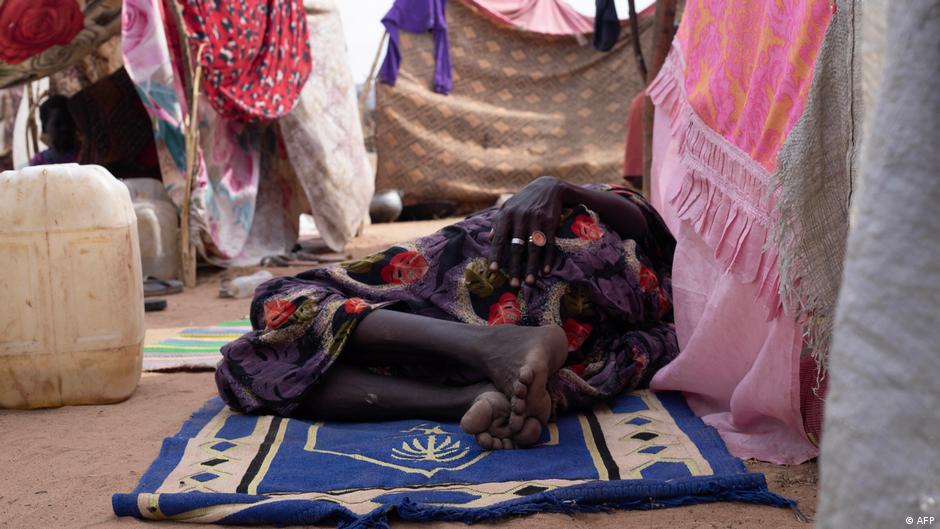
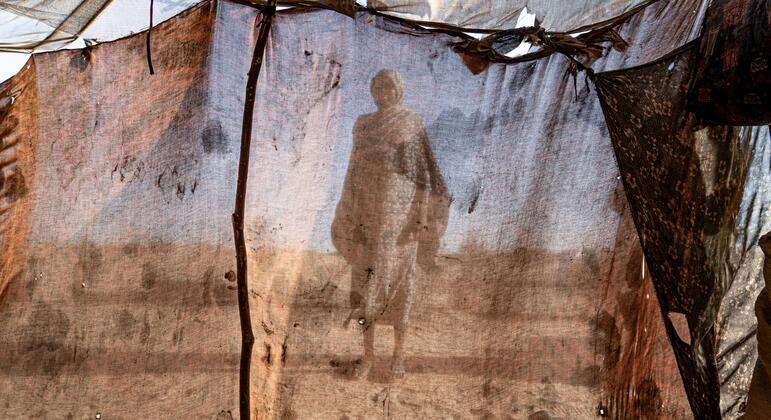
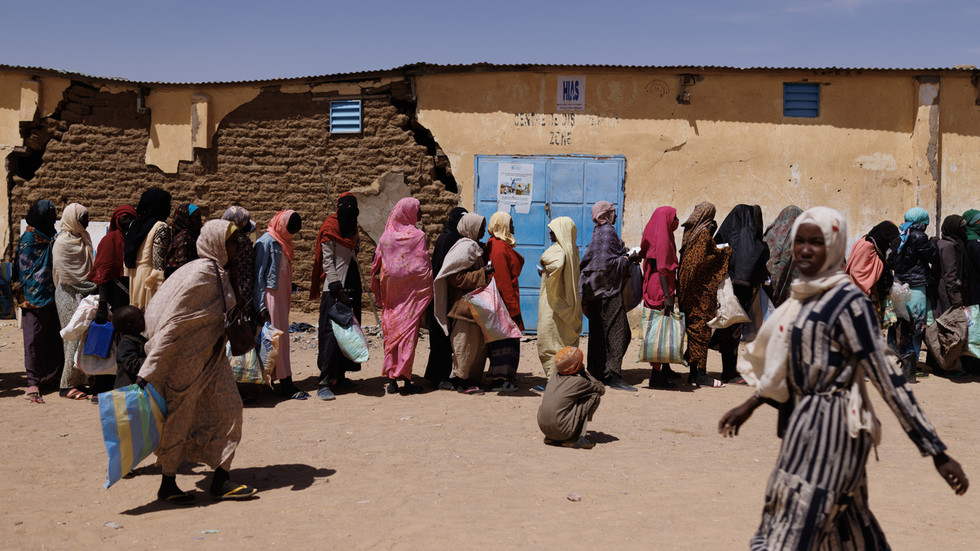
- Sudan almost certainly faces the world’s worst humanitarian and hunger crisis: about 34 million people need assistance, more than 11 million are displaced inside Sudan, roughly 4 million have fled to neighbouring countries and over 1 million are in Chad. (Confidence: high · REPORTED)
- I&W: WFP or OCHA reports show sustained or rising people‑in‑need totals and continued refugee arrivals from Darfur into eastern Chad. (1-3 months)
- I&W: Documented expansion of cross‑border aid corridors into Darfur with significant delivery volumes reaching urban centres. (1-3 months)
- International messaging is unlikely in the short term to change combatant behaviour, despite calls in Geneva to cease arbitrary arrests, grant independent access to detention sites and extend the Sudan Fact‑Finding Mission’s mandate, and public statements by the UAE and Russia favouring an end to fighting. (Confidence: medium · ASSESSED)
- I&W: Human Rights Council extends the Fact‑Finding Mission and no immediate reduction occurs in arbitrary detentions or drone strikes. (0-14 days)
- I&W: SAF or RSF publishes detainee registers and verifiably releases detainees within two weeks of the Geneva session. (0-14 days)
- The manpower balance is fluid: RSF has reportedly recruited hundreds of Colombian mercenaries since 2024, while senior RSF leaders including Nour Ahmed Adam and Ali Abdullah Rizq Allah have defected to SAF. (Confidence: medium · REPORTED)
- I&W: Further named RSF commanders publicly defect to SAF or additional reporting identifies foreign fighters embedded with RSF. (1-3 months)
- I&W: Verified departure or repatriation of foreign fighters and absence of new high‑profile defections. (1-3 months)
Outlook & scenarios
Drone‑led attrition persists (60%)
Drone strikes remain frequent against urban targets nationwide, with casualty rates in June, August tracking at or above the January, May 2026 level, and further incidents like the El‑Obeid strike recur. Markets and health facilities continue to be hit, complicating aid delivery and civilian movement.
Lines harden: RSF holds Darfur while SAF runs the east, centre corridor (50%)
Fronts stabilise with RSF entrenched in Darfur, including El Fasher, and SAF maintaining control along the Port Sudan to Khartoum corridor and across much of eastern and central Sudan. Fighting intensifies episodically in Kordofan and Blue Nile without decisive shifts.
Detention regime entrenches and ransom economy expands (70%)
Both parties continue checkpoint arrests and incommunicado detentions, with severe conditions persisting. RSF‑linked detention‑for‑ransom schemes become more systemic, further degrading household resilience and compounding the humanitarian emergency.
Geneva pressure yields a narrow humanitarian opening (20%)
Following the Human Rights Council session and mandate decisions, one or both parties announce limited detainee releases and allow short‑notice visits to selected facilities, enabling some family reunifications and marginal improvements in protection without curbing wider abuses or drone use.
Recommendations
- Prioritise rapid attribution of drone incidents: build a repository of geolocated strike sites, collect munition fragments and witness media, and align these with UN tallies to map patterns of responsibility and likely launch areas.
- Catalogue and monitor detention networks: maintain an updated list of known facilities including Nyala Prison and El Geneina sites, track reported arrests, disappearance dates and ransom demands, and flag cases where families are instructed to pay for releases.
- Map control and leadership dynamics: track RSF administrative activity in El Fasher and other Darfur towns, and log named defections to SAF and any reporting of foreign fighters with RSF to assess cohesion and manpower trends.
- Prepare decision support for Geneva: draft lines to take on independent access to detention facilities, immediate publication of detainee registers and cessation of checkpoint detentions, anticipating the Fact‑Finding Mission’s 26 June presentation.
- Support humanitarian situational awareness: fuse cross‑border monitoring from Chad with internal displacement reporting to anticipate surges from Darfur and adjust analysis of aid access constraints to markets and health centres frequently struck by drones.
Confidence & uncertainty
Overall confidence is medium. Civilian harm from drones and the pattern of arbitrary detention and extortion rest on multiple, mutually reinforcing reports from UN bodies and major media, supporting high confidence in those findings. Territorial control is less certain: RSF dominance in Darfur is reported but recent, detailed corroboration is limited, and the claim that SAF controls Khartoum is single‑source, so confidence is medium. Displacement and humanitarian magnitude figures are strong but come from a mix of sources with differing scopes, creating some uncertainty in precise totals.
Alternative analysis (red cell)
While reporting documents increased drone use and widespread detention abuses, several quantitative and territorial claims depend on medium‑grade or dated sources and inconsistent datasets. Alternative, plausible assessments are that drone attacks and abuses are occurring but casualty totals remain uncertain, RSF control in Darfur may be localized or contested rather than continuous across 'much' of the region, SAF assertions of broad territorial control may overstate consolidated governance, and reported mercenary recruitment and defections have not been shown to decisively alter the manpower balance.
Intelligence gaps
- [EEI 1.1 · PARTIAL] Observed concentrations and movement of armed units (size estimates, unit identifiers if visible) within X km of named towns/roads/airfields (e.g., El Fasher, Geneina, Nyala, Khartoum neighborhoods) including timestamps and direction of movement. Recommended collection: imagery/satellite
- [EEI 1.3 · PARTIAL] Reports or intercepts of orders, operational directives or public statements from RSF/SAF commanders indicating planned offensives, ceasefire acceptance/rejection, defensive postures or orders to withdraw from named locations. Recommended collection: signals/communications intercepts
- [EEI 1.4 · PARTIAL] Status of critical infrastructure and lines of communication: control or denial of named bridges, main highways (identify route numbers), airfields, fuel depots and telecommunication hubs and any reported sabotage/blockage incidents. Recommended collection: human intelligence/field reporting
- [EEI 2.1 · PARTIAL] Counts and locations of newly displaced persons arriving at formal sites, informal camps, border crossings or collective centers (daily/weekly arrivals, site coordinates), including demographics (women, children, elderly) where available. Recommended collection: humanitarian/UN OCHA reports
- [EEI 2.2 · UNCOVERED] Access impediments to humanitarian assistance: reported attacks on, blockages of, or denial of passage for named humanitarian convoys (dates, GPS locations, responsible actor if known) and closure status of specific routes. Recommended collection: human intelligence/field reporting
- [EEI 2.3 · PARTIAL] Functional status of medical infrastructure in named locations: number of operational hospitals/clinics, reported shortages of key medicines/blood, and hospital casualty/occupancy figures for the last 72 hours. Recommended collection: medical/health cluster reporting
- [EEI 3.1 · UNCOVERED] Detection of flights, ships or overland convoys delivering military materiel or foreign personnel to named airfields, ports or border crossings (flight/IMO numbers, manifests if available, timestamps, route origin/destination). Recommended collection: air-traffic / maritime / border customs
- [EEI 3.2 · UNCOVERED] Imagery or on-the-ground confirmation of foreign military personnel or private military contractor bases/forward operating elements at specified coordinates or compounds, including vehicle/weapon types observed. Recommended collection: imagery/satellite
- [EEI 3.3 · UNCOVERED] Financial and sanctions-relevant indicators: atypical large transfers, use of designated front companies, or shipments routed through third states linked to procurement of weapons or fuel for RSF or SAF (transaction dates, parties, amounts where obtainable). Recommended collection: financial intelligence
Cited sources
[1] rt.com · Doctors Without Borders fires 18 staff over alleged sex abuse of Sudanese refugees (B) · sha256:3d234532cd99 [2] abc.net.au · 'Sharp increase' in drone strikes leads to 1,000 civilian deaths in Sudan (A) · sha256:46b76a32dbf1 [3] Associated Press · Drone strikes kill over 1,000 civilians in Sudan in the first 5 months of 2026, UN rights chief says (A) · sha256:aa19aab7f073 [4] thenationalnews.com · Sudan war escalates as 1,000 civilians killed in drone attacks this year, says UN (A) · sha256:d54eea5db7c8 [5] miragenews.com · UN Mission: Detentions, Torture Worsen Sudan Crisis (A) · sha256:4dbefc597516 [6] Global Issues · Sudan civilians trapped by fear, disappearance and detention: rights experts (B) · sha256:89ab92232369 [7] miragenews.com · Sudan Civilians Fearful Amid Disappearances, Detentions (B) · sha256:05a87414656d [8] United Nations Human Rights Council · Sudan civilians trapped by fear, disappearance and detention: rights experts (B) · sha256:ad26dd4167b9 [9] Deutsche Welle · شراء الولاء. المرتزقة والمنشقون في حرب السودان (A) · sha256:a36d38bc9ff6 [10] jpost.com · Sudan’s war poses a challenge for Abraham Accords partners - opinion (B) · sha256:8ffa4223887c [11] BBC · MSF staff abused Sudanese refugees in sex-for-food scandal (A) · sha256:e084f8a0ade3 [12] United Nations · UN urges adherence to mine ban treaty (A) · sha256:8f8d1675a163
Source content hashes were computed at collection time; the cited text is preserved unmodified for the life of this product.
Red cell review: PARTIAL DISSENT — KJ-1 downgraded HIGH→MEDIUM (estimative_mismatch)
TLP:CLEAR