TLP:CLEAR · Disclosure is not limited.
Sudan: External Support, Drone Warfare and Pressure on El Fasher
Time window: Last 7 days · Audience: General analyst · Type: Situation report · DTG: 2026-09-04 22:10Z · Overall confidence: HIGH
BLUF
External military support is very likely to keep SAF and RSF operations sustained and increasingly drone-enabled across Darfur, Kordofan and Blue Nile over the next 1-3 months. The immediate risk is tighter RSF isolation of El Fasher, while civilian harm and humanitarian pressure are likely to rise; international pressure is increasing but a near-term halt to supply networks is unlikely.
Executive summary
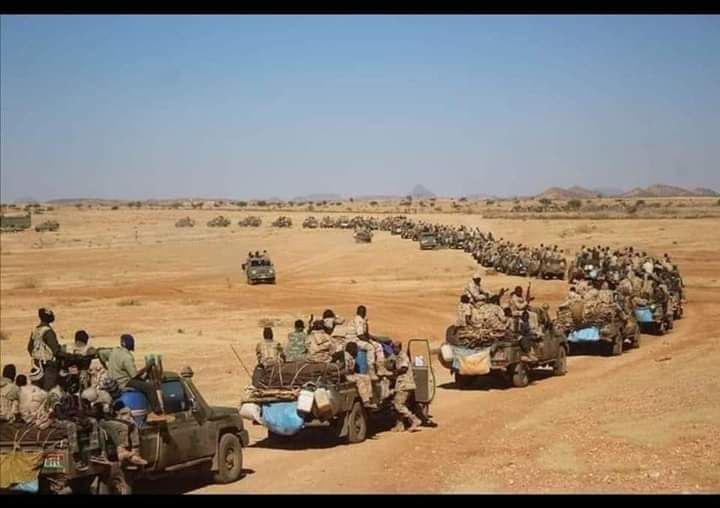
The UN Independent International Fact-Finding Mission reported on 3 September that foreign networks are strengthening both sides, including the deployment of up to 2,000 former Colombian military contractors alongside RSF units in Darfur and Kordofan. Drone attacks killed more than 1,000 people in the first five months of 2026, with reported strikes by the RSF in Kalogi and El Obeid and by the SAF in Ad-Da'ein and Blue Nile. RSF forces are tightening movement restrictions around El Fasher, while SAF and allied forces are reinforcing positions in Blue Nile amid conflicting reports over RSF and SPLM-N control of Kurmuk and Geissan. More than 33 million people need basic assistance, with displacement and food insecurity estimates varying by date and metric. The United States and the UN are pressing for a nationwide arms embargo, but alleged external support remains contested, particularly because the UAE denies assisting the RSF.
Change from previous assessment
Since 3 September, the assessment has shifted from a broad warning about external support and drone harm to a more immediate focus on RSF restrictions around El Fasher and new SAF and Joint Force activity in Blue Nile. The core judgments on continued fighting, foreign support, civilian drone harm and worsening humanitarian conditions are unchanged. Overall confidence remains high, while medium confidence is retained for El Fasher access, Blue Nile territorial control and the prospects for embargo enforcement.
Key judgments
- External military support is very likely to sustain and improve SAF and RSF operations across Darfur, Kordofan and Blue Nile over the next 1-3 months. The UN Mission documented up to 2,000 former Colombian military contractors operating combat drones, artillery and advanced weapons alongside RSF units, while other reporting described foreign networks supplying personnel, weapons, training and logistics through Chad, southeastern Libya and Bosaso in Somalia. Foreign suppliers have also enhanced the drone capabilities of both sides. (Confidence: high · ASSESSED)
- I&W: Confirm: UN, official or major-media reporting identifies new personnel, weapons, training or logistics moving through Chad, southeastern Libya or Bosaso to RSF units. (0-14 days)
- I&W: Break: credible reporting records a sustained interruption of the named supply routes and no new foreign personnel or advanced systems reaching SAF or RSF units. (1-3 months)
- Drone attacks are very likely to remain a principal source of civilian harm across Sudan over the next 30 days. The reported pattern includes more than 1,000 deaths from airstrikes and drone attacks in the first five months of 2026, an RSF strike that killed 114 people in Kalogi, repeated RSF strikes that damaged El Obeid infrastructure, and SAF strikes that killed at least 70 people and injured 146 at Ed Daein Teaching Hospital. The UN Mission also found reasonable grounds to believe that SAF drones struck civilian objects including Yabus Market in Blue Nile. (Confidence: high · ASSESSED)
- I&W: Confirm: a new RSF strike affects civilians or essential infrastructure in Kalogi, El Obeid or another named North or South Kordofan location, or a new SAF strike affects Ad-Da'ein, Yabus Market or another civilian site. (0-14 days)
- I&W: Break: both parties record 14 consecutive days without a reported drone strike affecting a civilian location, hospital, market, school or essential-service facility. (0-14 days)
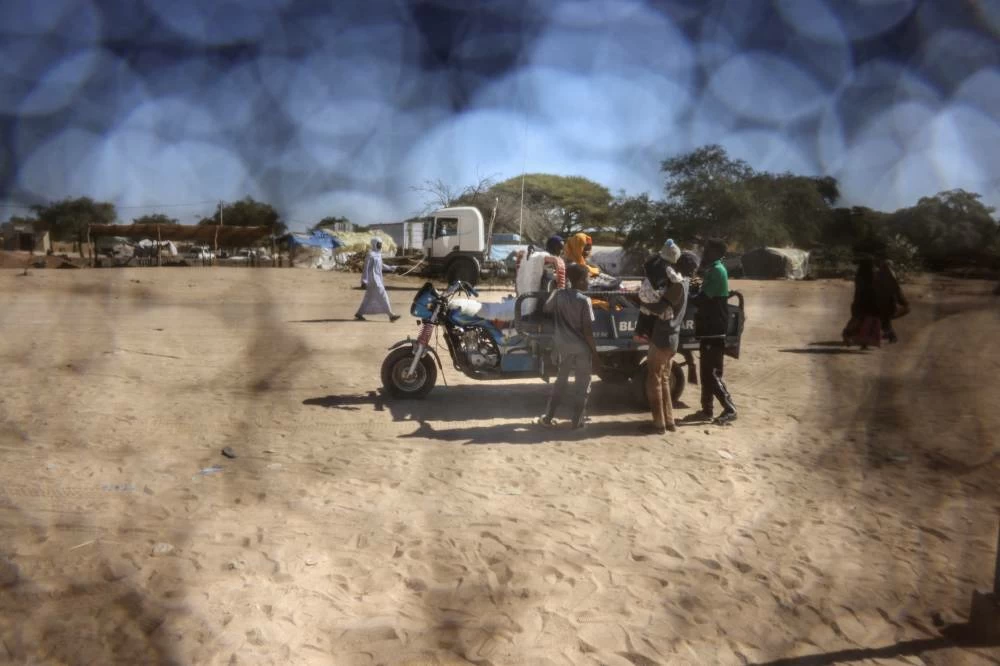
- El Fasher is likely to face tighter RSF restrictions on civilian movement and humanitarian access over the next 30 days. Medium-confidence local reporting says RSF and allied forces are reinforcing berms and trenches around the city's northern, western and southern approaches, leaving only one route between Zamzam camp and El Fasher and obstructing access to Norwegian Refugee Council cash assistance. This assessment rests largely on local media and eyewitness reporting, so the exact scale of the restriction remains uncertain. (Confidence: medium · ASSESSED)
- I&W: Confirm: additional berms or trenches close the route linking Zamzam camp and El Fasher, or RSF restrictions prevent new NRC registrations or cash distributions. (0-14 days)
- I&W: Break: reporting confirms more than one open civilian route into El Fasher and the RSF permits regular access to NRC and other humanitarian assistance. (0-30 days)
- SAF-led operations in Blue Nile are likely to intensify over the next 1-3 months, but exact territorial control around Kurmuk and Geissan remains uncertain. Abdel Fattah al-Burhan inspected the SAF 4th Infantry Division in Damazin on 3 September, and Joint Force units arrived to reinforce government forces. In contrast, RSF and SPLM-N forces reportedly claimed Kurmuk, Geissan, Bakori and Sorkam, while the Blue Nile governor described parts of the area as relatively calm. The competing reports lower confidence in current control lines. (Confidence: medium · ASSESSED)
- I&W: Confirm: further SAF or Joint Force units arrive in Damazin, or SAF announces and conducts operations towards Kurmuk, Geissan, Bakori or Sorkam. (0-30 days)
- I&W: Break: no additional force movements or reported operations occur in Blue Nile for 30 days, while independent reporting continues to describe Kurmuk and surrounding areas as relatively calm. (0-30 days)
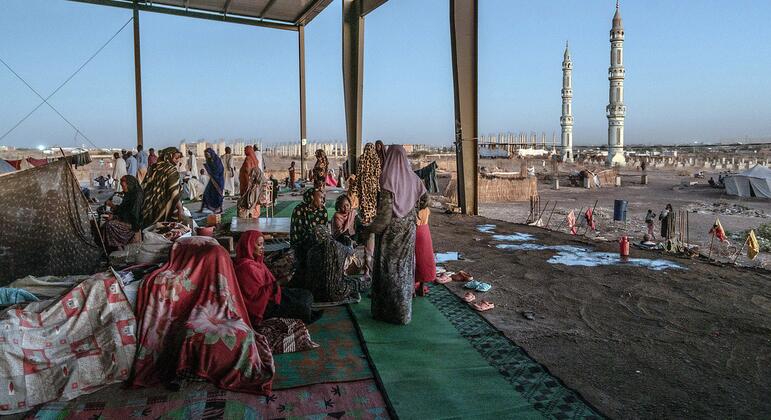
- Humanitarian pressure is very likely to worsen in Darfur, Kordofan and Blue Nile over the next 30 days. More than 33 million people in Sudan need basic assistance, 19.5 million face acute hunger, and more than 11 million people are forcibly displaced within Sudan or in neighbouring countries. International organisations report that more than 100,000 people face displacement in Darfur and Kordofan, while thousands have been displaced from Blue Nile towards Damazin. The exact totals remain uncertain because published estimates use different dates and definitions for displacement and food insecurity. (Confidence: high · ASSESSED)
- I&W: Confirm: aid agencies report new displacement from North Darfur, Kordofan or Blue Nile, or further restrictions on access to food, cash assistance, water or medical care. (0-14 days)
- I&W: Break: aid agencies report stable or falling displacement figures and restored access to assistance routes in El Fasher, Damazin or Kordofan. (0-30 days)
- International pressure to restrict external support is likely to intensify over the next 1-3 months, but a near-term halt to the alleged supply networks is unlikely. The UN Mission has called for enforcement of the Darfur embargo and its extension across Sudan, while the United States has presented a Security Council resolution for a nationwide embargo. Russia rejected an earlier proposal, and the UAE denies providing military, logistical, financial or political support to the RSF. These denials, the reported Russian opposition and uncertainty over enforcement lower confidence in the prospects for immediate disruption. (Confidence: medium · ASSESSED)
- I&W: Confirm: the Security Council adopts a nationwide arms embargo that explicitly covers drones, or states announce enforcement actions against the named supply networks. (1-3 months)
- I&W: Break: the Security Council rejects or defers nationwide coverage and no new enforcement action targets personnel, weapons or logistics moving through the named transit routes. (1-3 months)
Outlook & scenarios
Prolonged, externally enabled conflict (75%)
This is the very likely baseline. SAF and RSF retain access to foreign personnel, weapons, logistics and improved drone capabilities. Combat continues across Darfur, Kordofan and Blue Nile, with repeated attacks on civilian areas and further displacement.
Tighter isolation of El Fasher (60%)
El Fasher is likely to become more isolated as RSF berms and trenches restrict movement and the Zamzam route becomes harder to use. Humanitarian access deteriorates, with civilians in Zamzam and eastern El Fasher facing greater difficulty reaching NRC and other assistance.
Diplomatic pressure without rapid enforcement (50%)
There is a roughly even chance that the United States and the UN sustain pressure for a nationwide arms embargo while Russia, the Sudanese authorities or other actors resist implementation. Public denials by the UAE and contested attribution of supply networks limit immediate policy effects.
Cross-border escalation (15%)
A cross-border escalation involving Chad or Ethiopia is unlikely but high impact. The pathway would involve a reported SAF strike inside Chad, alleged RSF training camps in Ethiopia, or the military build-up observed at the Ethiopian National Defense Forces base in Asosa becoming linked to operations in Blue Nile.
Recommendations
- Prioritise daily collection on the named external-support routes through Chad, southeastern Libya and Bosaso, with separate tracking of personnel, weapons, training and logistics reaching RSF units.
- Maintain a strike ledger that separates RSF and SAF incidents by location, platform, casualty count and confidence. Give priority to Kalogi, El Obeid, Ad-Da'ein, Yabus Market and other civilian sites.
- Track El Fasher access through route counts, berm and trench construction, NRC registration and cash-distribution activity, and movement between Zamzam camp and the city.
- Maintain a Blue Nile control map that records SAF, Joint Force, RSF and SPLM-N movements around Damazin, Kurmuk, Geissan, Bakori and Sorkam. Treat competing control claims as unresolved until corroborated.
- Separate the UN Mission's qualified finding that conduct displayed hallmarks of genocide from unqualified public assertions of genocide in future reporting. Preserve the attribution and legal wording of each source.
- Use clearly labelled humanitarian baselines for displacement and food insecurity. Do not combine estimates that use different dates or metrics, and flag new access restrictions affecting food, water, medical care and cash assistance.
- Monitor Security Council action on nationwide embargo coverage, including drones, alongside Russian opposition, UAE denials and any concrete enforcement measures against external personnel or supply networks.
Confidence & uncertainty
Overall confidence is high because the central judgments are supported by the UN Independent International Fact-Finding Mission, UN reporting and corroborating major-media accounts on external support, drone attacks, civilian casualties and humanitarian conditions. Confidence is lower for exact territorial control in Blue Nile, the scale of current access restrictions around El Fasher, the scope of UAE-linked support and the precise humanitarian totals because reporting is contested or uses different metrics.
Intelligence gaps
- [EEI 1.1 · UNCOVERED] Observed concentrations and movement of armed units (size estimates, unit identifiers if visible) within X km of named towns/roads/airfields (e.g., El Fasher, Geneina, Nyala, Khartoum neighborhoods) including timestamps and direction of movement. Recommended collection: imagery/satellite
- [EEI 1.2 · PARTIAL] Changes in employment of heavy weapons and systems: documented use or emplacement of artillery, multiple-launch rocket systems, tanks, combat helicopters, and airstrikes at specific coordinates and times. Recommended collection: open-source/media
- [EEI 1.3 · UNCOVERED] Reports or intercepts of orders, operational directives or public statements from RSF/SAF commanders indicating planned offensives, ceasefire acceptance/rejection, defensive postures or orders to withdraw from named locations. Recommended collection: signals/communications intercepts
- [EEI 1.4 · PARTIAL] Status of critical infrastructure and lines of communication: control or denial of named bridges, main highways (identify route numbers), airfields, fuel depots and telecommunication hubs and any reported sabotage/blockage incidents. Recommended collection: human intelligence/field reporting
- [EEI 2.1 · PARTIAL] Counts and locations of newly displaced persons arriving at formal sites, informal camps, border crossings or collective centers (daily/weekly arrivals, site coordinates), including demographics (women, children, elderly) where available. Recommended collection: humanitarian/UN OCHA reports
- [EEI 2.2 · PARTIAL] Access impediments to humanitarian assistance: reported attacks on, blockages of, or denial of passage for named humanitarian convoys (dates, GPS locations, responsible actor if known) and closure status of specific routes. Recommended collection: human intelligence/field reporting
- [EEI 2.3 · PARTIAL] Functional status of medical infrastructure in named locations: number of operational hospitals/clinics, reported shortages of key medicines/blood, and hospital casualty/occupancy figures for the last 72 hours. Recommended collection: medical/health cluster reporting
- [EEI 3.1 · PARTIAL] Detection of flights, ships or overland convoys delivering military materiel or foreign personnel to named airfields, ports or border crossings (flight/IMO numbers, manifests if available, timestamps, route origin/destination). Recommended collection: air-traffic / maritime / border customs
- [EEI 3.2 · PARTIAL] Imagery or on-the-ground confirmation of foreign military personnel or private military contractor bases/forward operating elements at specified coordinates or compounds, including vehicle/weapon types observed. Recommended collection: imagery/satellite
- [EEI 3.3 · PARTIAL] Financial and sanctions-relevant indicators: atypical large transfers, use of designated front companies, or shipments routed through third states linked to procurement of weapons or fuel for RSF or SAF (transaction dates, parties, amounts where obtainable). Recommended collection: financial intelligence
TLP:CLEAR