TLP:CLEAR · Disclosure is not limited.
Sudan: Khartoum drone strikes and contested fronts
Time window: Last 7 days · Audience: General analyst · Type: Situation report · DTG: 2026-11-22 22:09Z · Overall confidence: HIGH
BLUF
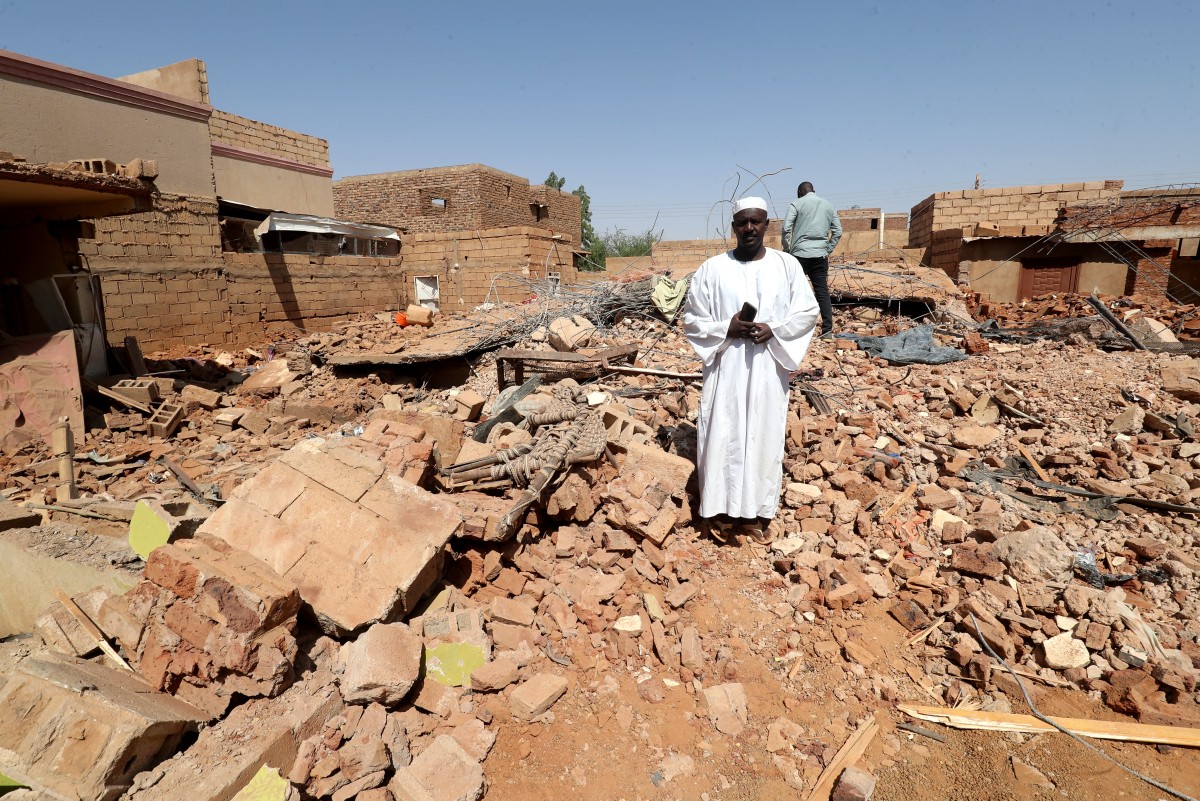
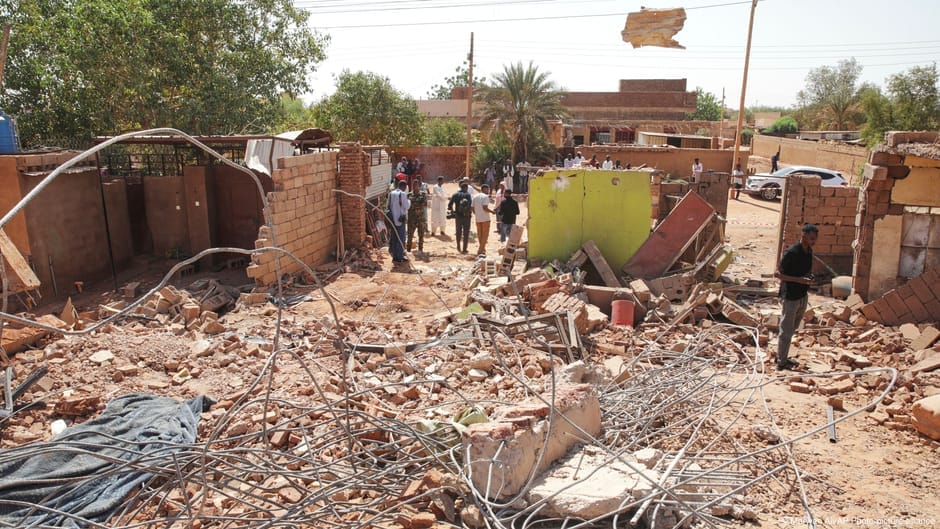
Drone strikes hit homes and a UN building in greater Khartoum on 22 November, while reporting describes SAF advances in West Kordofan and RSF-aligned claims of gains in Blue Nile. The damage and civilian harm are reported across multiple sources; the allegation that the drones launched from Bahir Dar and claims of durable control in Blue Nile remain unverified.
Executive summary
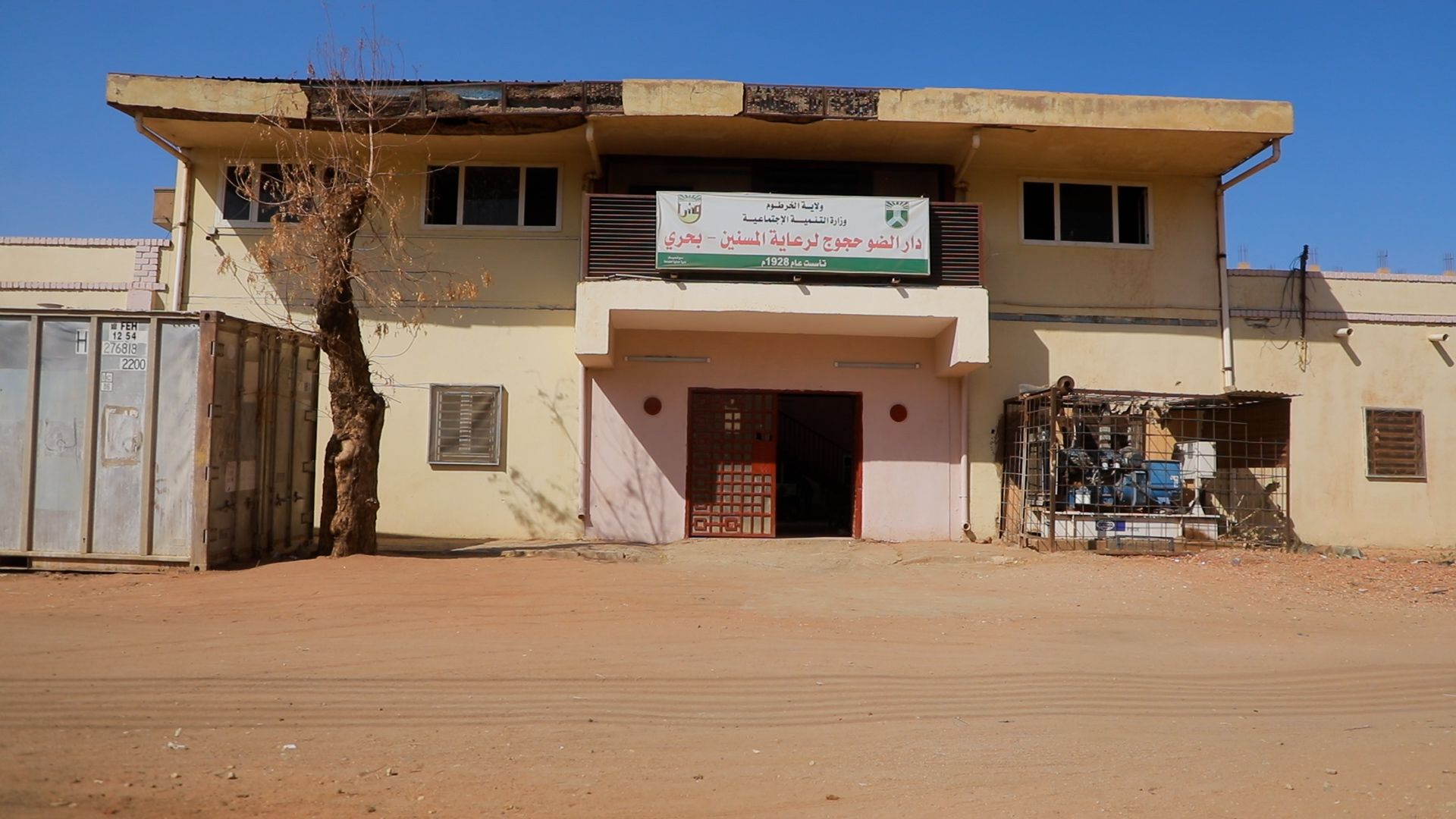
On 22 November, explosions and drone strikes were reported in Khartoum, Omdurman and Jebel Aulia. A UN building in Khartoum was damaged while staff were inside. Reports attribute the strikes to the RSF, but responsibility is not established; a Sudanese army allegation that drones launched from Bahir Dar airport in Ethiopia was not independently verified, and Ethiopia has denied allowing attacks from its territory. Separate reporting describes SAF advances in West Kordofan and competing RSF-aligned claims and SAF activity in Blue Nile. Humanitarian needs remain acute, although the latest warning of worsening winter aid conditions for Darfur families rests on thin reporting.
Change from previous assessment
Since the 21 November brief, reporting adds drone strikes in Khartoum, Omdurman and Jebel Aulia, damage to a UN building, and a Sudanese army allegation naming Bahir Dar airport; the strikes are corroborated, but the launch origin is not. New reporting describes SAF advances in West Kordofan and RSF-aligned claims of gains in Blue Nile, alongside a social-media report of a SAF counterattack south of Damazin. This strengthens the assessment of active contestation but does not establish a strategic shift or durable Blue Nile control, so confidence there remains low. This week's material adds no substantiated change to the prior territorial assessment of Darfur. No settled prior forecast outcomes were provided for probability calibration.
Key judgments
- Very likely, drones struck residential areas in greater Khartoum on 22 November, including homes in northern Omdurman and Jebel Aulia, and damaged a UN building while UN staff were inside. Reports include four deaths in and around the capital and a separate account of three people killed and nine wounded in northern Omdurman; the incident boundaries and casualty figures are not fully reconciled. RSF responsibility has been reported as an accusation, not independently confirmed. (Confidence: medium · REPORTED)
- I&W: A UN or OCHA update, or corroborated reporting, publishes a site-by-site casualty account for Khartoum, Omdurman and Jebel Aulia that confirms or revises the current incident picture. (0-14 days)
- I&W: Independently verified evidence identifies the drone operators or launch location, confirming or breaking the current uncertainty over responsibility. (0-14 days)
- Unlikely, direct military confrontation between Sudan and Ethiopia will occur in the next 1 to 3 months, despite heightened tension. A Sudanese army source alleged that the Khartoum drones launched from Bahir Dar airport, but the allegation was not independently verified and Ethiopia has denied allowing attacks from its territory. Hassan Khannenje warned that mutual accusations raise fears of confrontation, while ICG analyst Magnus Taylor assessed direct conflict as unlikely for now. These competing assessments and the unverified launch allegation lower confidence. (Confidence: low · ASSESSED)
- I&W: Independent evidence ties the 22 November drones to Bahir Dar airport, which would materially raise the assessed risk of interstate escalation. (0-30 days)
- I&W: Sudan or Ethiopia publicly reports troop movements towards the other country or a cross-border exchange of fire. (0-3 months)
- It is unlikely that RSF-aligned forces have established durable control across the claimed Blue Nile areas. The RSF announced control of Khor Mak, city 10, city 11, Sandja Nak and a village in Kaisan Province; the Tasis Alliance separately claimed control of Bao, also reported as Bau, while social-media reporting described a SAF counterattack south of Damazin. These claims indicate active contestation but do not independently establish sustained control. (Confidence: low · ASSESSED)
- I&W: Independent field reporting or imagery confirms sustained RSF or Tasis presence in the five announced locations, or at Bao/Bau. (0-14 days)
- I&W: Corroborated reporting identifies SAF positions or a confirmed recapture south of Damazin or around Bao/Bau. (0-30 days)
- Very likely, drone attacks will remain a leading civilian threat in Sudan over the next month. UN-reported figures cite more than 1,100 people killed by drones in the first half of 2026 and more than 1,630 of 2,230 documented civilian deaths caused by drones across 2026; UNICEF separately reports that drones accounted for about two-thirds of child casualties from January to September. The figures cover different periods and populations, and do not establish which side caused the overall toll. (Confidence: medium · ASSESSED)
- I&W: A new UN or UNICEF update again attributes most documented civilian fatalities, or a majority of child casualties, to drone attacks. (0-30 days)
- I&W: Corroborated reporting records further drone strikes on residential areas or civilian facilities in Khartoum, Omdurman or Jebel Aulia. (0-14 days)
- Very likely, humanitarian needs will remain acute across Sudan over the next 1 to 3 months; evidence of worsening winter aid access for displaced families in Darfur is thin. OCHA counts 33.7 million people needing assistance in 2026 and more than 9 million internally displaced, while the Minister of Social Welfare cited about 8.6 million currently displaced. These figures may reflect different dates or definitions. The Darfur-specific warning comes from social-media headlines rather than corroborated reporting, so confidence in that part of the judgement is low. (Confidence: medium · ASSESSED)
- I&W: OCHA or a named aid organisation reports cancelled or reduced winter distributions at displacement sites in Darfur, supporting concern about worsening access; restored distributions would weaken it. (0-30 days)
- I&W: An updated OCHA assessment reports persistent or rising assistance needs and internal displacement in Sudan. (1-3 months)
Outlook & scenarios
Localized fighting continues without interstate spillover (65%)
Likely, SAF operations in West Kordofan and competing claims in Blue Nile will continue without a confirmed shift in control across the Blue Nile locations. Drone attacks remain a leading civilian danger, while the origin of the 22 November Khartoum strikes remains unverified.
Sudan and Ethiopia escalate diplomatically (25%)
Likely, Sudan continues to accuse Ethiopia of allowing attacks from its territory and Ethiopia continues to deny the allegation. Public accusations and diplomatic complaints intensify, but direct military confrontation remains unlikely.
Cross-border confrontation (5%)
Unlikely but high impact. Verified evidence linking the Khartoum strikes to Bahir Dar, or a confirmed cross-border exchange, would raise the risk of direct Sudan-Ethiopia military confrontation. Current reporting does not verify the launch origin.
Recommendations
- Separate confirmed damage and civilian harm from claims about responsibility in all reporting. Describe RSF responsibility as reported blame, and do not present the Bahir Dar launch allegation as established fact.
- Seek a site-by-site casualty reconciliation for the 22 November strikes, distinguishing Khartoum, northern Omdurman and Jebel Aulia and checking whether reported deaths refer to the same incidents.
- Track control claims separately for Khor Mak, city 10, city 11, Sandja Nak, Kaisan Province and Bao/Bau. Require corroboration of sustained presence before assessing territorial control, and verify reports of SAF action south of Damazin.
- Monitor official Sudanese and Ethiopian statements and independently verifiable evidence about the alleged Bahir Dar launch. Record any reported troop movements or cross-border incidents as escalation indicators, not as confirmation of the launch allegation.
- Ask humanitarian reporting teams to verify Darfur winter distributions and access with named aid organisations. Keep the countrywide assistance and displacement figures distinct until their dates and definitions are reconciled.
Confidence & uncertainty
Overall confidence is high for the occurrence of the 22 November strikes and damage to the UN building: multiple major-media reports converge, and UN statements and witness accounts provide direct corroboration. Confidence is lower on exact casualty totals, responsibility for the strikes, the alleged Bahir Dar launch, Blue Nile control claims and Darfur-specific aid conditions. Drone and displacement figures also use different time periods or populations.
Intelligence gaps
- [EEI 1.1 · PARTIAL] Observed concentrations and movement of armed units (size estimates, unit identifiers if visible) within X km of named towns/roads/airfields (e.g., El Fasher, Geneina, Nyala, Khartoum neighborhoods) including timestamps and direction of movement. Recommended collection: imagery/satellite
- [EEI 1.3 · PARTIAL] Reports or intercepts of orders, operational directives or public statements from RSF/SAF commanders indicating planned offensives, ceasefire acceptance/rejection, defensive postures or orders to withdraw from named locations. Recommended collection: signals/communications intercepts
- [EEI 1.4 · PARTIAL] Status of critical infrastructure and lines of communication: control or denial of named bridges, main highways (identify route numbers), airfields, fuel depots and telecommunication hubs and any reported sabotage/blockage incidents. Recommended collection: human intelligence/field reporting
- [EEI 2.2 · UNCOVERED] Access impediments to humanitarian assistance: reported attacks on, blockages of, or denial of passage for named humanitarian convoys (dates, GPS locations, responsible actor if known) and closure status of specific routes. Recommended collection: human intelligence/field reporting
- [EEI 2.3 · PARTIAL] Functional status of medical infrastructure in named locations: number of operational hospitals/clinics, reported shortages of key medicines/blood, and hospital casualty/occupancy figures for the last 72 hours. Recommended collection: medical/health cluster reporting
- [EEI 3.1 · PARTIAL] Detection of flights, ships or overland convoys delivering military materiel or foreign personnel to named airfields, ports or border crossings (flight/IMO numbers, manifests if available, timestamps, route origin/destination). Recommended collection: air-traffic / maritime / border customs
- [EEI 3.2 · UNCOVERED] Imagery or on-the-ground confirmation of foreign military personnel or private military contractor bases/forward operating elements at specified coordinates or compounds, including vehicle/weapon types observed. Recommended collection: imagery/satellite
- [EEI 3.3 · UNCOVERED] Financial and sanctions-relevant indicators: atypical large transfers, use of designated front companies, or shipments routed through third states linked to procurement of weapons or fuel for RSF or SAF (transaction dates, parties, amounts where obtainable). Recommended collection: financial intelligence
Red cell review: CONCUR WITH COMMENT
TLP:CLEAR