Sudan SITREP: Air/drone strikes disrupt aid routes; RSF holds Darfur terrain; spillover strains Chad (3-10 Jun 2026)
Time window: Last 7 days · Audience: General analyst · Type: Situation report · DTG: 2026-06-10 00:10Z · Overall confidence: MEDIUM
BLUF
Air and drone strikes are very likely degrading key aid routes in Darfur and South Kordofan as RSF maintains broad control across Darfur; the humanitarian crisis is almost certainly extreme and persistent. Spillover into Chad is very likely intensifying pressure on health and aid systems, while prospects for a comprehensive ceasefire remain unlikely in the near term.
Executive summary
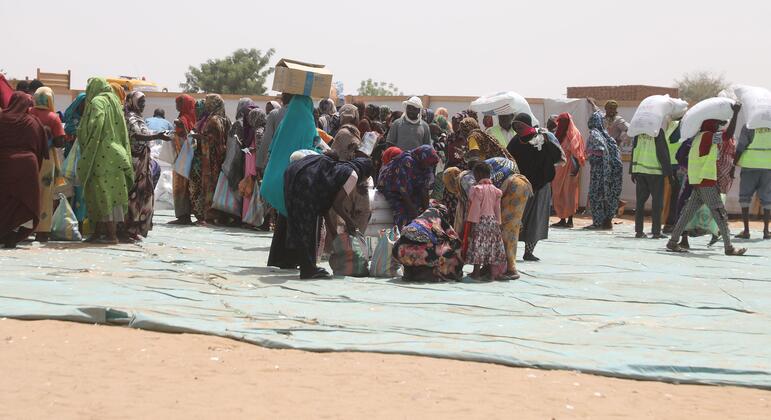
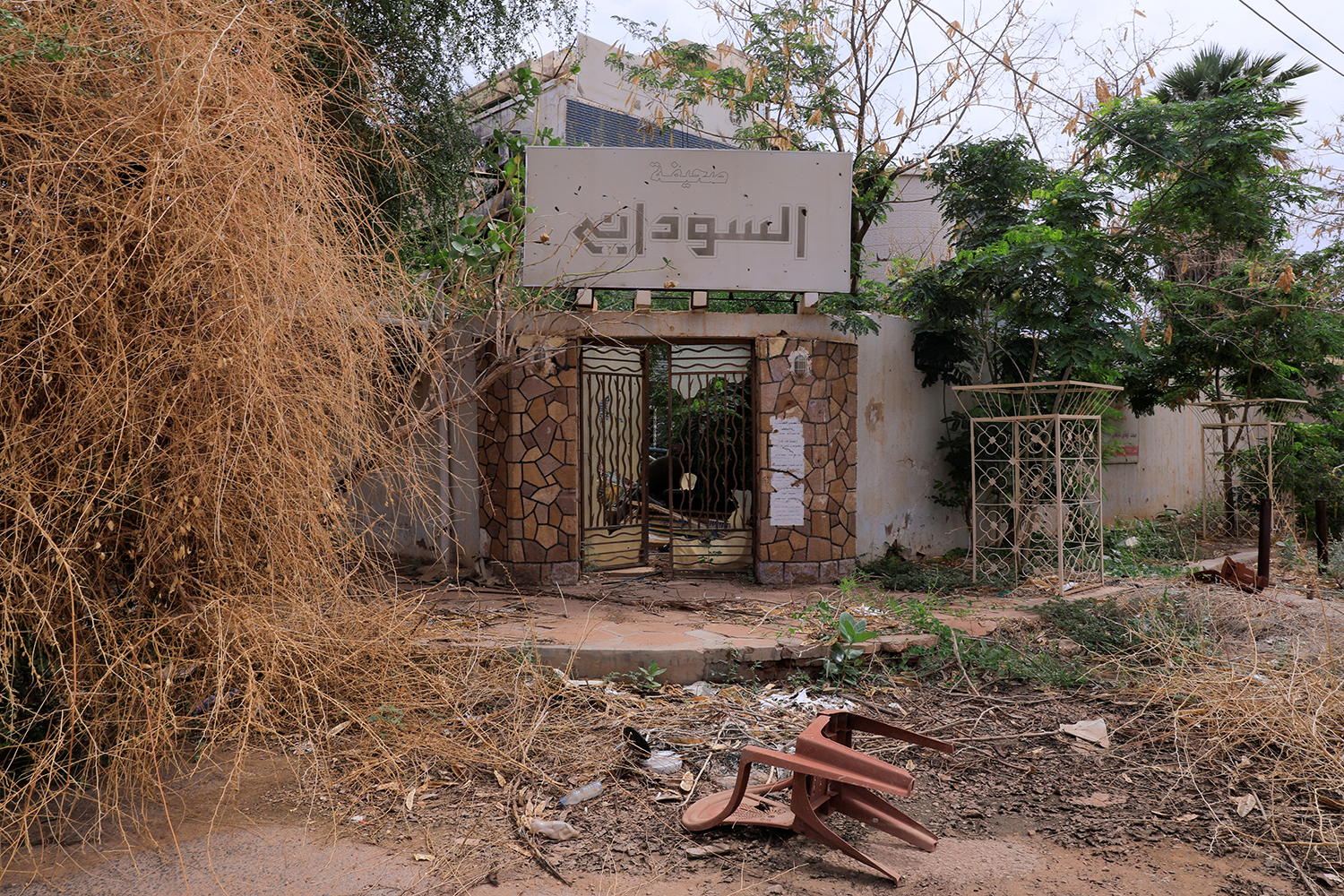
Between 3-10 June 2026, UN reporting indicates drone attacks damaged the Ardamata bridge in West Darfur, another drone was shot down over Omdurman in Khartoum State, and two bridges on the Kadugli, Dilling road in South Kordofan were reportedly destroyed; limited humanitarian movements on the Geneina, Zalingei corridor resumed after a brief suspension. NASA logged 26 thermal anomalies in Sudan during 6-9 June, consistent with elevated kinetic activity. RSF has captured and holds major Darfur nodes since 2023-2025, including Geneina, Nyala, Zalingei, Ed Daein, the Shag Omar oilfield, and El Fasher, while control in Khartoum shifted back to SAF by March 2025. The humanitarian toll is severe: ~12 million displaced, nearly 25 million severely food insecure, 4 million children acutely malnourished, and a highly uncertain national death toll estimated in the 150,000-400,000 range. Nearly one million Sudanese refugees have entered Chad, where WHO is reinforcing emergency response. A Quad-led effort to pressure SAF and RSF toward a ceasefire is active, but alignment among external actors is contested, keeping near-term truce prospects limited.
Key judgments
- Air and drone warfare is very likely intensifying and degrading aid routes in Darfur and South Kordofan. Reported: drone attacks damaged the Ardamata bridge in West Darfur; two bridges on the Kadugli, Dilling road were reportedly destroyed; and a drone was shot down over Omdurman, Khartoum State. ACLED assesses air and drone strikes now constitute over 50% of violent events versus 15% at the war’s start. NASA detected 26 thermal anomalies in Sudan on 6-9 June, and NASA notes such heat signatures can corroborate strikes and shelling. (Confidence: high)
- Sudan’s humanitarian emergency is almost certainly extreme and likely to persist, with mass displacement, food insecurity, acute child malnutrition, and large-scale mortality. Reported: 12 million people displaced as of 5 Feb 2025; nearly 25 million severely food insecure; 4 million children acutely malnourished (770,000 at imminent risk of death); a highly uncertain national death toll estimated at 150,000-400,000; and 61,000 deaths in Khartoum State alone. (Confidence: medium)
- RSF very likely retains the initiative and broad territorial control across Darfur, while control in Khartoum remains contested over time. Reported: by late 2023 RSF controlled most of Darfur; RSF captured Nyala (26 Oct 2023), Zalingei (6 Aug 2023), Ed Daein (by 22 Nov 2023) including its airport (21 Nov 2023), and the Shag Omar oilfield (21 Nov 2023); RSF captured Geneina (15 Apr 2023) and El Fasher (Oct 2025). In Khartoum, RSF seized the presidential palace on 15 Apr 2023, but SAF reportedly retook the capital by March 2025. (Confidence: medium)
- RSF and allied militias very likely committed systematic atrocity crimes against civilians in Darfur since April 2023, including acts meeting the U.S. genocide determination. Reported: U.S. determined on 7 Jan 2025 that RSF and allied militias committed acts of genocide; sources describe the Darfur genocide beginning 15 Apr 2023, with organized massacres of non-Arab civilians; over 15,000 civilians killed in the June 2023 Geneina massacre; allegations and documentation of genocide, widespread war crimes, and systematic sexual violence; and the abduction and killing of West Darfur Governor Khamis Abakar after he accused RSF of genocide. (Confidence: medium)
- Conflict spillover into Chad is very likely to intensify humanitarian strain along the border. Reported: nearly one million Sudanese refugees have entered Chad; UN officials underscore the direct impact on Chad; WHO is working with authorities and partners to strengthen emergency response. (Confidence: high)
- A nationwide ceasefire in the near term is unlikely; localized, time-bound access arrangements have a roughly even chance. Reported: a tentative peace process led by the Quad (United States, Egypt, Saudi Arabia, UAE) seeks a ceasefire with a U.S.-chaired oversight body; however, China’s stated neutrality is contested by claims it is supplying military equipment, suggesting divergent external alignments; the Geneina, Zalingei aid corridor resuming after a brief suspension shows limited deconfliction windows are feasible. (Confidence: low)
Outlook & scenarios
Attrition by air and drone strikes continues to degrade infrastructure and access, 60%
Over the next 30-60 days, air and drone strikes likely remain the dominant modality of violence, with additional damage to bridges, depots, and road chokepoints in West Darfur and South Kordofan. Aid corridors experience intermittent suspensions and rerouting. Indicators: further UN reporting of drone incidents around Omdurman and Darfur; additional damage to the Ardamata or Kadugli, Dilling routes; elevated NASA FIRMS detections near frontlines.
Localized humanitarian access windows hold on select routes, 40%
Negotiated, temporary deconfliction similar to the Geneina, Zalingei corridor sustains limited aid flows for weeks at a time, though subject to abrupt suspension after strikes or localized clashes. Indicators: recurrent UN notices of convoy movements; local agreements tied to specific corridors; alternating suspensions and resumptions.
Quad-brokered limited ceasefire with oversight mechanism, 30%
A narrow, time-bound truce with a light oversight cell materializes in selected urban areas or corridors. Implementation is partial, with violations and contested external positions, especially if Chinese neutrality remains disputed, constraining scope and duration. Indicators: public reference to a U.S.-chaired oversight body; identification of monitoring teams; announcements of truce zones.
Spillover crisis in Chad intensifies, 25%
Refugee inflows into Chad rise, stretching health and logistics; WHO and partners scale emergency support but face gaps. Sporadic border insecurity complicates aid staging. Indicators: rising refugee registration figures; WHO surge staffing; reports of overcrowded transit points and disease surveillance alerts.
Recommendations
- Task commercial satellite imagery and SAR to verify serviceability of the Ardamata bridge (West Darfur) and the Kadugli, Dilling corridor bridges (South Kordofan); fuse with NASA FIRMS hotspots to cue collection on likely strike locations and burn scars.
- Maintain rolling, multi-source control-status assessments for El Fasher, Nyala, Zalingei, Ed Daein, Geneina, and Khartoum, integrating geolocated media, satellite imagery, and UN field notes to resolve contested narratives on RSF and SAF territorial control.
- Support humanitarian deconfliction planning by mapping choke points and alternates on the Geneina, Zalingei route and adjacent corridors; pre-brief partners on triggers for suspension (e.g., bridge damage or nearby drone activity) and on rapid reroute options.
- Prioritize OSINT and SIGINT collection on drone employment in Omdurman and Khartoum State to characterize platform types, launch sites, loiter patterns, and target sets; update risk overlays for urban civilian infrastructure accordingly.
- Engage with Quad counterparts on a verifiable truce architecture, drawing on the Nuba Mountains Joint Monitoring Mission model for scope, staffing, and cost baselines (e.g., mixed national, international monitors, lean support, rapid deployability).
- Coordinate with WHO and humanitarian clusters in Chad to anticipate additional refugee surges from Darfur; pre-position public-health and WASH support and map high-throughput crossing and staging areas for rapid response.
- Systematically document RSF-attributed atrocity patterns (massacres, sexual violence, forced displacement) to support accountability and sanctions design, cross-referencing the U.S. genocide determination, Geneina casualty evidence, and other incident-level reporting.
Confidence & uncertainty
Overall confidence is medium. High-reliability UN and NASA reporting underpin assessments on recent air/drone incidents, bridge damage, and aid-route volatility. RSF territorial control and atrocity findings draw on multiple, mutually reinforcing sources but rely heavily on Wikipedia compilations and secondary media, tempering confidence. Humanitarian figures, especially casualty totals, are explicitly uncertain and vary by locality, warranting caution. External-actor alignment (e.g., China’s neutrality vs alleged materiel supply) rests on contested, lower-reliability social media claims and is assessed with low confidence.
Cited sources
[1] United Nations, Sudan war: Drone attacks damage key aid routes (A) [2] ACLED, The wildest part of Sudan’s War? This. (B) [3] NASA, NASA FIRMS thermal detections, Sudan (5d) (A) [4] Wikipedia, Sudanese civil war (2023, present) (B) [5] Wikipedia, Darfur campaign (2023, present) (B) [6] Wikipedia, Rapid Support Forces (B) [7] Wikipedia, Darfur genocide (2023, present) (B) · Fri Oct 20 2023 00:00:00 GMT+0000 (Coordinated Universal Time) [8] Atlantic Council, For a sustained ceasefire or truce in Sudan, remember: Trust, but verify (C) [9] Siasat Dunia, peran Tiongkok di perang sudan #geopolitik #siasatdunia (E)