TLP:CLEAR · Disclosure is not limited.
Sudan Situation Report: Aid Stocks Depleted, Drone Attacks Continue
Time window: Last 7 days · Audience: General analyst · Type: Situation report · DTG: 2026-11-06 22:09Z · Overall confidence: HIGH
BLUF
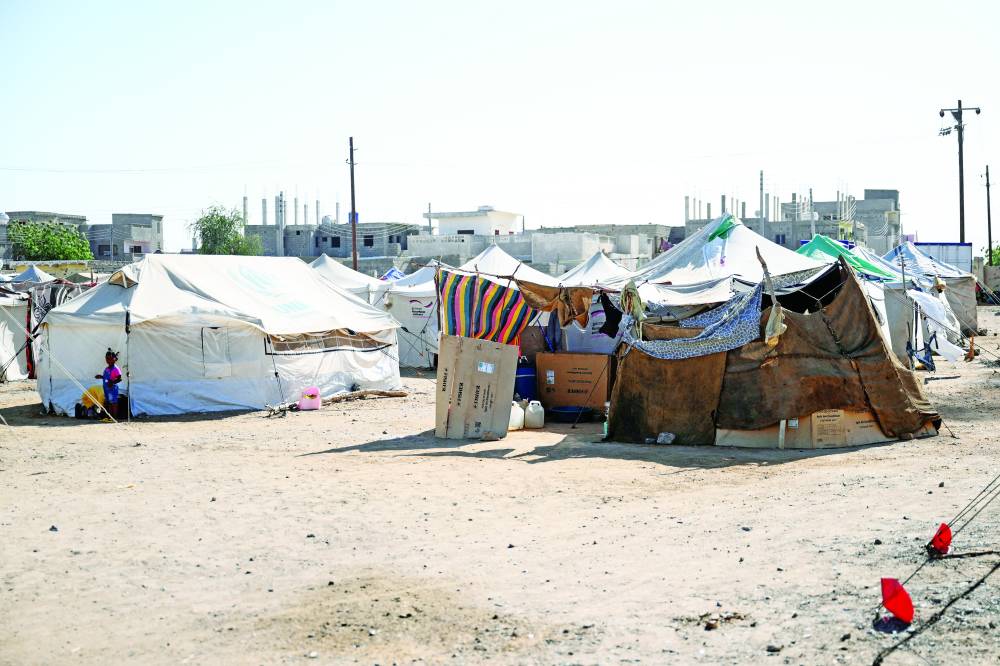
Sudan’s near-term risk is worsening access to shelter, health care and utilities: IOM reported empty warehouses, while UNHCR and IOM figures put emergency shelter assistance at 936,000 of 15.4 million people in need. More than 19 power plants were reportedly attacked in the past week, but responsibility for most drone strikes remains unconfirmed and battlefield control claims in Blue Nile and Kordofan remain unsettled.
Executive summary
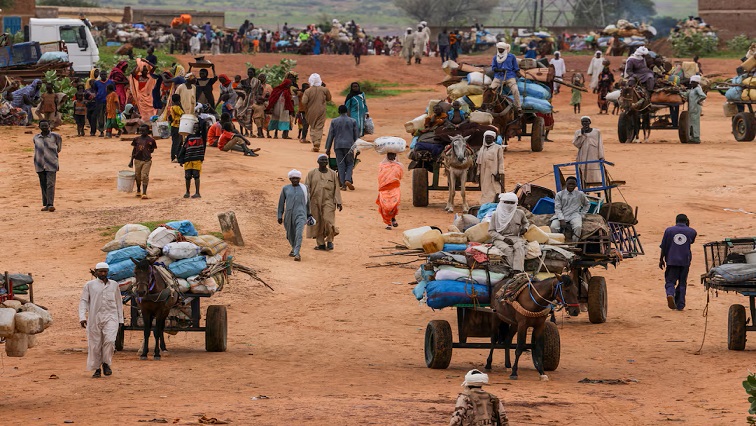
Reporting during 30 October to 6 November describes severe humanitarian constraints. IOM said its Sudan warehouses were empty; UNHCR and IOM reported that 936,000 of 15.4 million people requiring emergency shelter had received assistance, and UN agencies said the $2.9 billion response plan was less than half funded. Wire reporting described attacks on more than 19 power plants and six markets, including one in Nyala, with power and water disruptions affecting hospitals. Sudanese forces said they had detected more than 180 drones over two months, most intercepted. In Blue Nile, RSF-aligned forces claimed positions in Al-Keili while a Sudanese military source described a withdrawal from Sali as planned. SAF and allied-force claims of advances in North and West Kordofan also remain unverified. In North Darfur, imagery analysis attributed to Yale’s Humanitarian Research Lab found no notable human or vehicle activity at 19 El-Fasher hospitals. Sudan and Ethiopia exchanged consular closures and diplomat expulsions amid reciprocal allegations of support for armed groups. Australia announced sanctions on Abdel Fattah al-Burhan, Mohamed Hamdan Dagalo, Al-Tijani Taher Kershoum and Hussein Barsham.
Change from previous assessment
Since the 5 November brief, the humanitarian assessment is sharper: new reporting says IOM warehouses are empty and quantifies shelter assistance at 936,000 of 15.4 million people in need. The infrastructure assessment now includes a report of more than 19 power plants attacked in one week and drone strikes on markets, including in Nyala. New reports add a drone attack on Ed Damazin and competing control claims in Blue Nile and Kordofan; confidence in territorial assessments remains low. Sudan-Ethiopia diplomatic friction remains the prior assessment, with additional detail on the consulate closures and allegations but no independent confirmation of Ethiopian support for RSF operations.
Key judgments
- Humanitarian relief capacity in Sudan is likely to deteriorate over the next month. IOM reported that its warehouses were empty, while UNHCR and IOM reported 936,000 people reached out of 15.4 million requiring emergency shelter, about 6 percent; the UN’s $2.9 billion response plan was reported as less than half funded. Confidence is medium: UN agency and IOM figures are reported by major media, but warehouse stocks and assistance totals are not independently audited in the available reporting. (Confidence: medium · ASSESSED)
- I&W: Confirm: IOM or UNHCR reports continued empty warehouses or shelter assistance remaining below 10 percent of the 15.4 million people in need. (0-30 days)
- I&W: Break: IOM confirms warehouse replenishment and UNHCR or IOM reports assistance reaching more than 10 percent of the shelter caseload. (0-30 days)
- Drone attacks on Sudanese infrastructure are likely to continue over the next 14 days, while attribution will remain uncertain. Wire reporting says more than 19 power plants were attacked in the past week and drones struck six markets, including one in Nyala; the attacks disrupted power and water and hampered hospital operations. Sudanese forces reported detecting more than 180 drones over two months, most intercepted. Confidence is medium: wire and multilateral reporting support the reported effects, but most attackers are unidentified and the drone count comes from Sudanese forces. (Confidence: medium · ASSESSED)
- I&W: Confirm: UN or wire reporting records another dated drone strike on a named power plant or water facility, with a documented outage. (0-14 days)
- I&W: Break: UN or utility reporting records no new drone-related power or water outage during the next 14 days. (0-14 days)
- Fighting in Blue Nile and Kordofan is likely to remain active, but recent claims do not establish durable control changes. The RSF-led Sudan Founding Alliance claimed military positions in Al-Keili, while a Sudanese military source described the SAF withdrawal from Sali as a planned manoeuvre. Separate reporting attributed an RSF drone attack to Ed Damazin and described SAF and allied-force advances around Abu Qudud, Umm Sumayma, Al-Hamadi and Kazqil in North Kordofan, and towards Ayal Bakhit in West Kordofan. Confidence is low because the battlefield accounts rely on party statements, military sources and limited local reporting, with no independent confirmation of control. (Confidence: low · ASSESSED)
- I&W: Confirm: Independent geolocated imagery or third-party field reporting verifies armed-force positions or renewed fighting at Sali, Al-Keili or Ed Damazin. (0-14 days)
- I&W: Break: Independent reporting verifies sustained SAF access and control at Sali and Al-Keili, with no further reported fighting in those locations. (0-14 days)
- El-Fasher’s hospital network is likely to remain severely constrained in the near term. Imagery analysis attributed to Yale’s Humanitarian Research Lab found no notable human or vehicle activity at any of 19 assessed hospitals, burn or debris indicators at five hospital sites, and activity indicators at only one of nine major markets. The RSF was also reported to have detained dozens of professionals, including medical personnel and professors, in El Geneina. Confidence is low: the El-Fasher findings are relayed through local media and the El Geneina detention report is attributed to the Sudan Doctors Network, with no independent confirmation in the available reporting. (Confidence: low · ASSESSED)
- I&W: Confirm: Follow-up imagery or named medical reporting continues to show no operational activity at multiple El-Fasher hospitals. (0-30 days)
- I&W: Break: Follow-up imagery or named medical reporting documents sustained operations at multiple El-Fasher hospitals. (0-30 days)
- Sudan-Ethiopia relations are likely to remain strained over the next month, but the available reporting does not verify Sudan’s allegation that Ethiopia facilitated RSF drone operations. Ethiopia ordered six Sudanese diplomats to leave and closed the Sudanese consulate in Asosa; Sudan closed Ethiopia’s consulate in Qadaref or Gedaref. Sudan has also accused Ethiopia of allowing RSF use of its territory, while Ethiopia has accused Sudan of supporting fighters in Tigray. Confidence is medium: consular actions and allegations are reported by multiple outlets, but the competing claims of support for armed groups are not independently substantiated here. (Confidence: medium · ASSESSED)
- I&W: Confirm: Either government announces another diplomat expulsion, closes another consular facility, or files a new formal complaint over alleged support to armed groups. (0-30 days)
- I&W: Break: Both governments announce reopening of the closed consulates or resume formal bilateral talks on the allegations. (0-30 days)
Outlook & scenarios
Aid shortfalls deepen as infrastructure attacks continue (65%)
This is the most likely near-term path. IOM warehouse stocks remain constrained, shelter assistance stays far below the number of people in need, and further drone attacks disrupt power or water at named sites. Responsibility for individual attacks remains contested.
Contested fronts persist without verified major territorial shifts (30%)
Fighting continues around Sali, Al-Keili and Ed Damazin, while SAF and allied forces press claims of gains in North and West Kordofan. Neither side establishes independently verified control over the locations it claims.
Sudan-Ethiopia dispute escalates into a cross-border security crisis (5%)
This is an unlikely, high-impact wildcard. A verified drone launch from Ethiopian territory or a direct cross-border armed incident triggers further diplomatic retaliation and heightened security measures. Current reporting establishes accusations and consular closures, not such an incident.
Recommendations
- Maintain a daily humanitarian supply tracker for Sudan. Record IOM warehouse status, new deliveries into Darfur, UNHCR and IOM shelter recipients, and funding against the $2.9 billion response plan.
- Separate confirmed drone impacts from claims about perpetrators. Log each dated strike by named site, resulting power or water outage, source type and attribution confidence; reconcile the reported 180 drones detected with the reported plant and market strikes.
- Require independent geolocation or third-party field reporting before revising control assessments for Sali, Al-Keili, Ed Damazin or the named North and West Kordofan locations.
- Track Sudan-Ethiopia diplomatic actions separately from allegations about RSF support. Seek verification of any evidence concerning Asosa airport before treating the allegation as established.
- Prioritise follow-up on El-Fasher hospital activity and the reported detention of professionals in El Geneina. Distinguish imagery indicators from confirmed facility operations and independently corroborated detention cases.
Confidence & uncertainty
Overall confidence is high for the broad situation picture because UN agencies and IOM provide concrete humanitarian figures, multilateral and wire reporting describe infrastructure effects, and separate reporting records the consular actions. The main uncertainties concern attribution of drone attacks, battlefield control in Blue Nile and Kordofan, and Darfur reporting relayed through local media or NGO accounts. Confidence in those specific judgments is lower than confidence in the overall assessment.
Alternative analysis (red cell)
The battlefield reporting supports continued fighting, but the localized advances and seizures in claims, and c213bfdc-e951-4ff4-8cf4-3d315f592c8c leave open the possibility that control changes have already occurred, despite the counterclaim in 22f739a6-aece-495c-8542-472c780d2fae. Likewise, the El-Fasher imagery in claims, and b7480f2c-3218-427f-8bd9-1aadcf9b2752 suggests severe disruption but does not by itself demonstrate continuing hospital incapacity. The available evidence therefore supports active conflict and probable humanitarian disruption, while leaving both the durability of territorial changes and near-term hospital functionality unresolved.
Intelligence gaps
- [EEI 1.1 · PARTIAL] Observed concentrations and movement of armed units (size estimates, unit identifiers if visible) within X km of named towns/roads/airfields (e.g., El Fasher, Geneina, Nyala, Khartoum neighborhoods) including timestamps and direction of movement. Recommended collection: imagery/satellite
- [EEI 1.2 · PARTIAL] Changes in employment of heavy weapons and systems: documented use or emplacement of artillery, multiple-launch rocket systems, tanks, combat helicopters, and airstrikes at specific coordinates and times. Recommended collection: open-source/media
- [EEI 1.3 · PARTIAL] Reports or intercepts of orders, operational directives or public statements from RSF/SAF commanders indicating planned offensives, ceasefire acceptance/rejection, defensive postures or orders to withdraw from named locations. Recommended collection: signals/communications intercepts
- [EEI 1.4 · PARTIAL] Status of critical infrastructure and lines of communication: control or denial of named bridges, main highways (identify route numbers), airfields, fuel depots and telecommunication hubs and any reported sabotage/blockage incidents. Recommended collection: human intelligence/field reporting
- [EEI 2.1 · PARTIAL] Counts and locations of newly displaced persons arriving at formal sites, informal camps, border crossings or collective centers (daily/weekly arrivals, site coordinates), including demographics (women, children, elderly) where available. Recommended collection: humanitarian/UN OCHA reports
- [EEI 2.2 · PARTIAL] Access impediments to humanitarian assistance: reported attacks on, blockages of, or denial of passage for named humanitarian convoys (dates, GPS locations, responsible actor if known) and closure status of specific routes. Recommended collection: human intelligence/field reporting
- [EEI 2.3 · PARTIAL] Functional status of medical infrastructure in named locations: number of operational hospitals/clinics, reported shortages of key medicines/blood, and hospital casualty/occupancy figures for the last 72 hours. Recommended collection: medical/health cluster reporting
- [EEI 3.1 · UNCOVERED] Detection of flights, ships or overland convoys delivering military materiel or foreign personnel to named airfields, ports or border crossings (flight/IMO numbers, manifests if available, timestamps, route origin/destination). Recommended collection: air-traffic / maritime / border customs
- [EEI 3.2 · UNCOVERED] Imagery or on-the-ground confirmation of foreign military personnel or private military contractor bases/forward operating elements at specified coordinates or compounds, including vehicle/weapon types observed. Recommended collection: imagery/satellite
- [EEI 3.3 · PARTIAL] Financial and sanctions-relevant indicators: atypical large transfers, use of designated front companies, or shipments routed through third states linked to procurement of weapons or fuel for RSF or SAF (transaction dates, parties, amounts where obtainable). Recommended collection: financial intelligence
Red cell review: PARTIAL DISSENT
TLP:CLEAR