TLP:CLEAR · Disclosure is not limited.
Sudan Situation Report: Blue Nile Drone Attacks and Rising Diplomatic Tension
Time window: Last 7 days · Audience: General analyst · Type: Situation report · DTG: 2026-11-25 17:25Z · Overall confidence: HIGH
BLUF
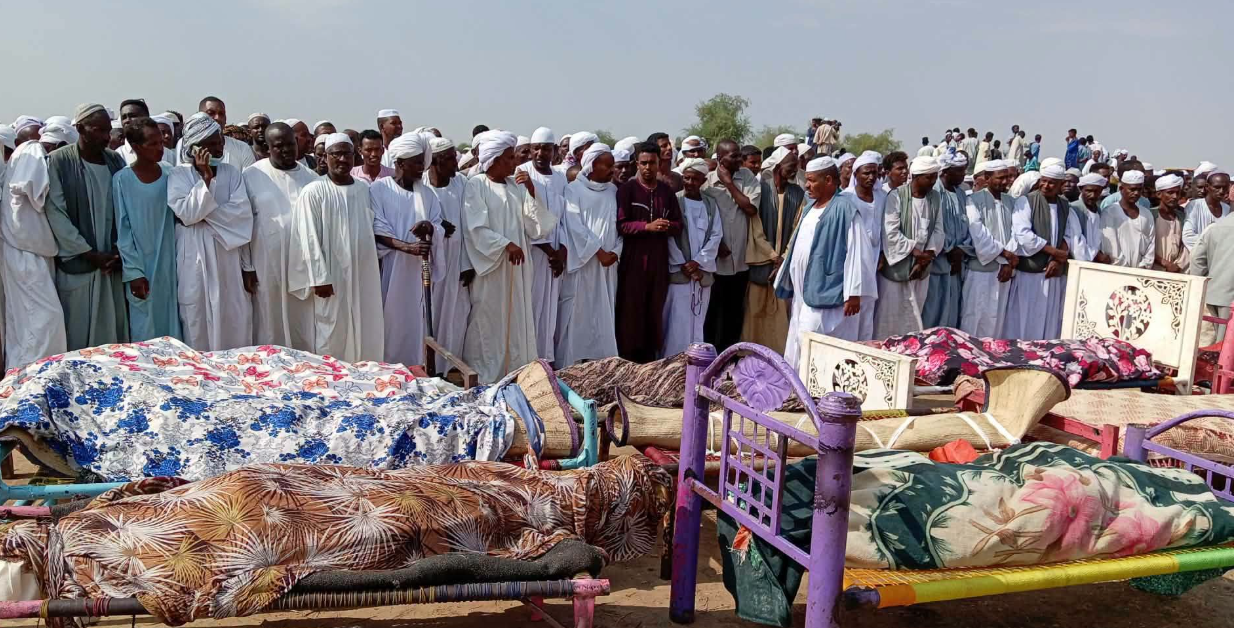
The 24 November drone attacks in Blue Nile killed at least 19 people, according to several reports, while the final casualty count and responsibility remain contested. RSF claims of advancing towards Ed Damazin are not independently confirmed; meanwhile, Sudan’s rejection of Ethiopia’s mediation and its formal complaint against Addis Ababa have raised diplomatic tensions without establishing Ethiopian involvement in the attacks.
Executive summary
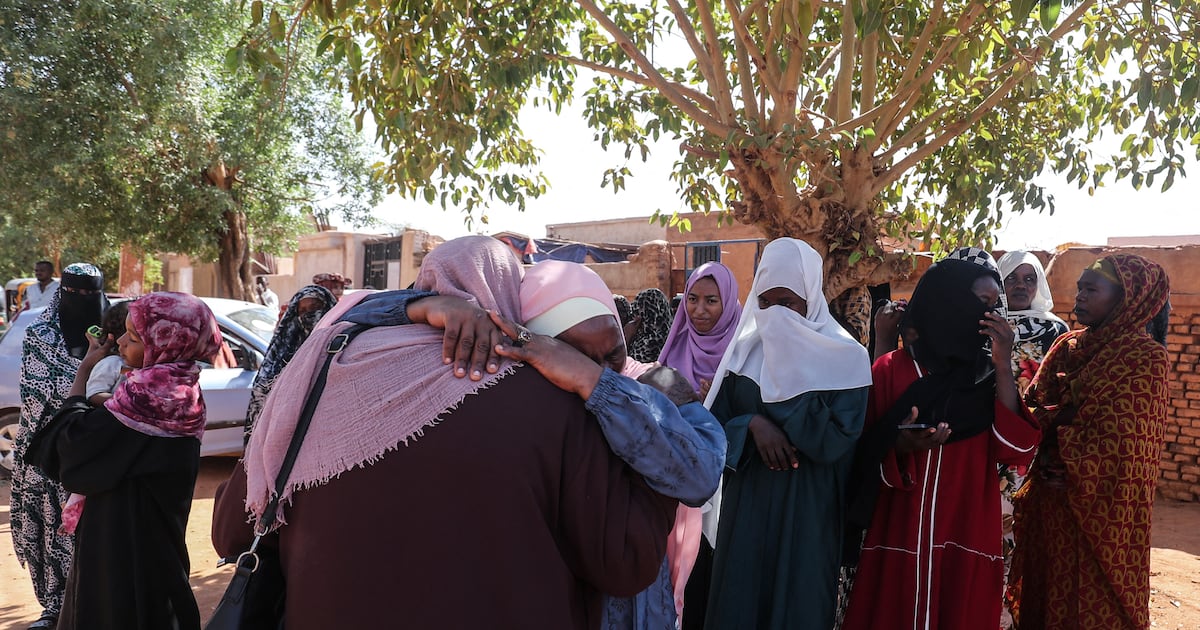
Drone attacks struck residential areas in Ed Damazin and Roseires on 24 November. Reports put deaths at 19 to 20 and injuries at 22 to 33, with the Blue Nile health ministry reporting the higher figures. Sudanese authorities and military sources attributed the attacks to the RSF, but independent attribution is not established. The RSF claimed control of New Fung and said its fighters approached Ed Damazin, while separate reporting says the SAF still holds Blue Nile’s major cities. In West Kordofan, the SAF has retaken El-Khuwei and reported preparations to advance towards El-Nahud. Sudan rejected Abiy Ahmed’s Ethiopia-hosted dialogue proposal and filed a complaint alleging Ethiopian support for RSF drone operations; Ethiopia denies supporting the RSF. Humanitarian needs remain severe, with more than 100,000 people reported displaced in Blue Nile and more than 60 water stations out of service in El-Khuwei.
Change from previous assessment
Since the 24 November brief, reporting has added the 24 November drone attacks in Ed Damazin and Roseires, with updated but differing casualty totals. The assessment now gives greater weight to pressure on Ed Damazin, while retaining uncertainty over RSF territorial claims and SAF control. The SAF recapture of El-Khuwei adds a new westward military development. Sudan’s rejection of Ethiopia’s dialogue proposal and its formal complaint against Ethiopia sharpen the diplomatic risk; the alleged launch sites and Ethiopian support remain unverified. The prior assessment that drone strikes would remain a leading source of civilian harm is unchanged.
Key judgments
- Very likely, drone strikes will remain a leading cause of civilian deaths in Sudan over the next 1-3 months. Reporting on a UN tally attributes more than 1,630 civilian deaths this year to drone attacks, while separate reporting records further drone-related deaths in the following months. The 24 November attacks in Ed Damazin and Roseires add a recent example, although reports differ on the casualty totals and attribution to the RSF is not independently established. (Confidence: high · ASSESSED)
- I&W: A further independently reported drone strike causes civilian casualties in Ed Damazin or Roseires. (0-14 days)
- I&W: The next UN civilian casualty reporting period shows drone strikes no longer account for a leading share of recorded civilian deaths. (1-3 months)
- Likely, fighting and displacement around Ed Damazin will continue over the next 1-3 months, but the supplied reporting does not establish that the RSF controls the city or any major Blue Nile city. The RSF said it controlled New Fung and that its fighters reached Ed Damazin’s entrances; other reporting describes RSF gains as modest and says the SAF retains control of Blue Nile’s major cities. These accounts leave the scale of the RSF advance unresolved. (Confidence: medium · ASSESSED)
- I&W: Independent reporting confirms RSF or allied forces operating at Ed Damazin’s outskirts, or verifies RSF control of Bau or New Fung beyond the group’s own statements. (0-14 days)
- I&W: New reporting confirms RSF forces have withdrawn from the approaches to Ed Damazin and no longer hold Bau or New Fung. (0-1 month)
- Likely, the SAF will try to use its recapture of El-Khuwei to advance towards El-Nahud over the next 1-3 months. Reporting says SAF units are conducting clearance operations and preparing to move towards El-Nahud, which remains among the towns reported under RSF control. The recapture is reported, but the scale and pace of any further advance remain uncertain. (Confidence: medium · ASSESSED)
- I&W: The SAF announces and independently reported sources confirm its capture of El-Nahud or a named settlement on the route from El-Khuwei. (0-1 month)
- I&W: The SAF reports no westward advance from El-Khuwei, while the RSF retains control of El-Nahud and the reported connecting routes. (1-3 months)
- Very likely, humanitarian pressure will remain acute in Blue Nile and West Kordofan over the next 1-3 months. UN reporting puts displacement from Blue Nile fighting above 100,000 people, while reporting from El-Khuwei describes more than 60 water stations out of service and damage to the city’s only hospital. Separate humanitarian reporting says 30.4 million people in Sudan need assistance. These figures come from different reporting streams, but consistently indicate severe needs. (Confidence: high · ASSESSED)
- I&W: UN reporting records additional displacement into Ed Damazin or Ar Rosieres, or continued disruption to water services in El-Khuwei. (0-1 month)
- I&W: Field reporting confirms that El-Khuwei’s water stations and hospital have resumed service and that new displacement into Ed Damazin and Ar Rosieres has stopped. (1-3 months)
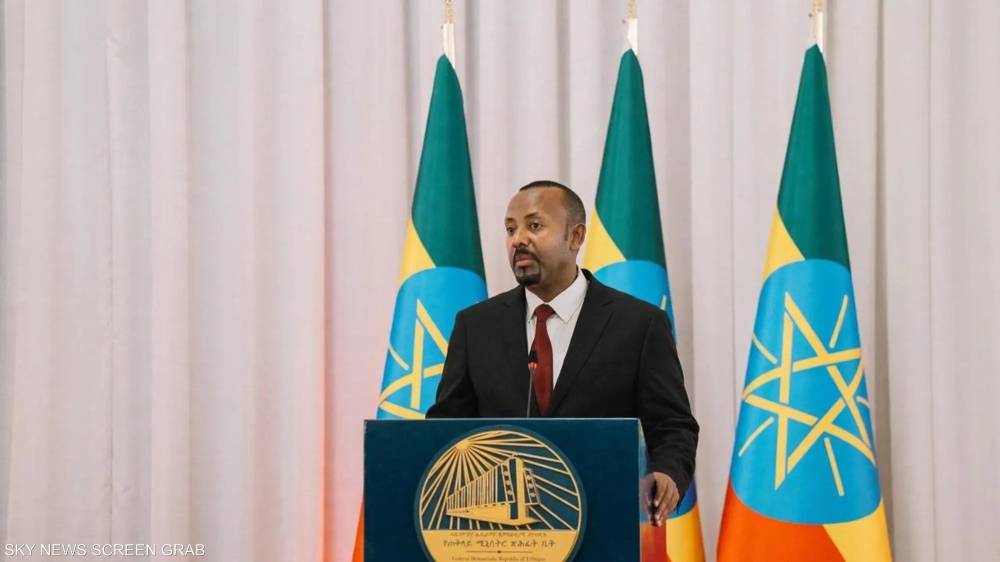
- Likely, Sudan-Ethiopia diplomatic tensions will deepen over the next 1-3 months. Sudan filed a complaint with the UN Security Council and the African Union, rejected Abiy Ahmed’s mediation proposal, and accused Ethiopia of enabling RSF-linked drone operations. Ethiopia denies supporting the RSF and counteraccuses Sudan of supporting armed groups. The diplomatic actions are reported, but the central allegation about drone launches from Ethiopian territory remains unverified. (Confidence: medium · ASSESSED)
- I&W: Sudan or Ethiopia announces another consular closure, diplomatic expulsion or formal complaint against the other. (0-14 days)
- I&W: Both governments accept an independent inquiry and announce steps to restore consular operations. (1-3 months)
- Unlikely, Ethiopia’s proposed dialogue will bring both SAF-aligned and RSF-aligned authorities into the same process over the next 1-3 months. Sudan’s army-aligned government rejected the invitation, while the RSF-aligned administration welcomed it. Ethiopia has proposed an inclusive process, but the opposing responses leave participation by both sides unresolved. (Confidence: medium · ASSESSED)
- I&W: The SAF-aligned government publicly accepts the invitation or names representatives for the proposed dialogue. (0-1 month)
- I&W: No joint agenda or attendance announcement includes representatives accepted by both the SAF-aligned and RSF-aligned authorities. (1-3 months)
Outlook & scenarios
Continued attrition and civilian exposure (55%)
Drone attacks and ground fighting continue in Blue Nile, while the SAF consolidates El-Khuwei and presses towards El-Nahud. Ed Damazin remains under SAF control, but displacement and damage to civilian infrastructure persist.
RSF pressure expands around Ed Damazin (20%)
The RSF and allied forces sustain their reported advance through Blue Nile and increase pressure on the approaches to Ed Damazin. The SAF reinforces the city and retains control of its major urban positions, with further displacement following.
Diplomatic opening despite current rejection (15%)
The SAF-aligned government revises its position or a broader mediation format draws in both camps. Talks begin, but the supplied reporting provides no agreed timetable or participation mechanism.
Cross-border crisis over drone allegations (10%)
Sudan’s accusations against Ethiopia prompt additional diplomatic or military measures. Independent evidence of launches from Ethiopian territory, followed by a declared Sudanese response, would turn the current diplomatic dispute into a direct interstate crisis.
Recommendations
- Separate confirmed control from claims of control in Blue Nile reporting. Track RSF statements about New Fung, Bau and Ed Damazin against independent accounts and SAF statements about holding major cities.
- Reconcile the 24 November casualty figures before using a single total. Preserve the reported range of 19 to 20 deaths and 22 to 33 injuries, and distinguish official attribution from independently established responsibility.
- Track Sudan’s complaint to the UN Security Council and African Union alongside any independent findings on drone launch locations. Do not treat allegations about Assosa or Bahir Dar as verified evidence of Ethiopian involvement.
- Prioritise monitoring of displacement into Ed Damazin and Ar Rosieres and restoration of water and hospital services in El-Khuwei. Report changes in service availability separately from new claims of military control.
Confidence & uncertainty
Overall confidence is high because multiple major-media reports, Emergency Lawyers, Blue Nile authorities and UN or NGO reporting corroborate the main pattern of drone attacks, civilian harm, displacement and the SAF recapture of El-Khuwei. This confidence applies to the reported events and humanitarian effects, not to responsibility for the drone attacks or Ethiopia’s alleged role. Casualty totals differ, and reporting on RSF advances in Blue Nile conflicts with accounts that the SAF retains the major cities.
Alternative analysis (red cell)
Sudan-Ethiopia tensions are likely to remain severe, but the supplied evidence does not establish a further deterioration during the forecast period. The complaint, mediation rejection, reciprocal accusations, and consular closures may represent a new baseline of confrontation rather than an accelerating trajectory. Without verified evidence of the alleged drone launches or additional punitive measures, diplomatic tensions could plateau or be partly contained through renewed mediation.
Intelligence gaps
- [EEI 1.1 · PARTIAL] Observed concentrations and movement of armed units (size estimates, unit identifiers if visible) within X km of named towns/roads/airfields (e.g., El Fasher, Geneina, Nyala, Khartoum neighborhoods) including timestamps and direction of movement. Recommended collection: imagery/satellite
- [EEI 1.3 · PARTIAL] Reports or intercepts of orders, operational directives or public statements from RSF/SAF commanders indicating planned offensives, ceasefire acceptance/rejection, defensive postures or orders to withdraw from named locations. Recommended collection: signals/communications intercepts
- [EEI 1.4 · PARTIAL] Status of critical infrastructure and lines of communication: control or denial of named bridges, main highways (identify route numbers), airfields, fuel depots and telecommunication hubs and any reported sabotage/blockage incidents. Recommended collection: human intelligence/field reporting
- [EEI 2.1 · PARTIAL] Counts and locations of newly displaced persons arriving at formal sites, informal camps, border crossings or collective centers (daily/weekly arrivals, site coordinates), including demographics (women, children, elderly) where available. Recommended collection: humanitarian/UN OCHA reports
- [EEI 2.2 · UNCOVERED] Access impediments to humanitarian assistance: reported attacks on, blockages of, or denial of passage for named humanitarian convoys (dates, GPS locations, responsible actor if known) and closure status of specific routes. Recommended collection: human intelligence/field reporting
- [EEI 2.3 · PARTIAL] Functional status of medical infrastructure in named locations: number of operational hospitals/clinics, reported shortages of key medicines/blood, and hospital casualty/occupancy figures for the last 72 hours. Recommended collection: medical/health cluster reporting
- [EEI 3.1 · UNCOVERED] Detection of flights, ships or overland convoys delivering military materiel or foreign personnel to named airfields, ports or border crossings (flight/IMO numbers, manifests if available, timestamps, route origin/destination). Recommended collection: air-traffic / maritime / border customs
- [EEI 3.2 · UNCOVERED] Imagery or on-the-ground confirmation of foreign military personnel or private military contractor bases/forward operating elements at specified coordinates or compounds, including vehicle/weapon types observed. Recommended collection: imagery/satellite
- [EEI 3.3 · UNCOVERED] Financial and sanctions-relevant indicators: atypical large transfers, use of designated front companies, or shipments routed through third states linked to procurement of weapons or fuel for RSF or SAF (transaction dates, parties, amounts where obtainable). Recommended collection: financial intelligence
Red cell review: PARTIAL DISSENT
TLP:CLEAR