TLP:CLEAR · Disclosure is not limited.
Sudan situation report: drone attacks and deepening humanitarian pressure
Time window: Last 7 days · Audience: General analyst · Type: Situation report · DTG: 2026-10-20 15:27Z · Overall confidence: HIGH
BLUF
Drone attacks continue to threaten civilians across Sudan, while reports from Al-Dibab and Amiet market leave casualty totals and responsibility unsettled. Famine risk in parts of Darfur and Greater Kordofan is rising, and current diplomatic calls have not produced evidence of an agreed SAF-RSF truce.
Executive summary
Reporting from 17 to 19 October describes drone attacks and airstrikes in West Darfur, South Darfur, West Kordofan, North Kordofan, Abyei and Khartoum. Reports put deaths from the 18 October Al-Dibab strike at about 80, with a medical source later reporting that 30 of 47 wounded people taken to Al-Mujlad died. At Amiet market in Abyei, reported death tolls range from 19 to 73; local authorities and South Sudan blamed the SAF, while an anonymous military source told the BBC the army carried out the attack. The UN and food-security organisations warn of rising famine risk in Darfur and Greater Kordofan. The UK and UN have called for a truce or renewed talks, and consultations were scheduled in Geneva, but no current reporting records SAF and RSF agreement.
Change from previous assessment
Compared with the 19 October prior brief, this update adds more detail on the 18 October Al-Dibab strike, including the reported deaths of 30 wounded people after transfer to Al-Mujlad, and new reporting on the Amiet market strike with death tolls ranging from 19 to 73. South Sudan's formal protest and the reported military-source account of SAF involvement sharpen the diplomatic and attribution picture without resolving it. FEWS NET's Catastrophe projections add specificity to the existing famine-risk assessment. No judgment is retired; the assessment that a truce is unlikely remains unchanged, with Geneva consultations now scheduled.
Key judgments
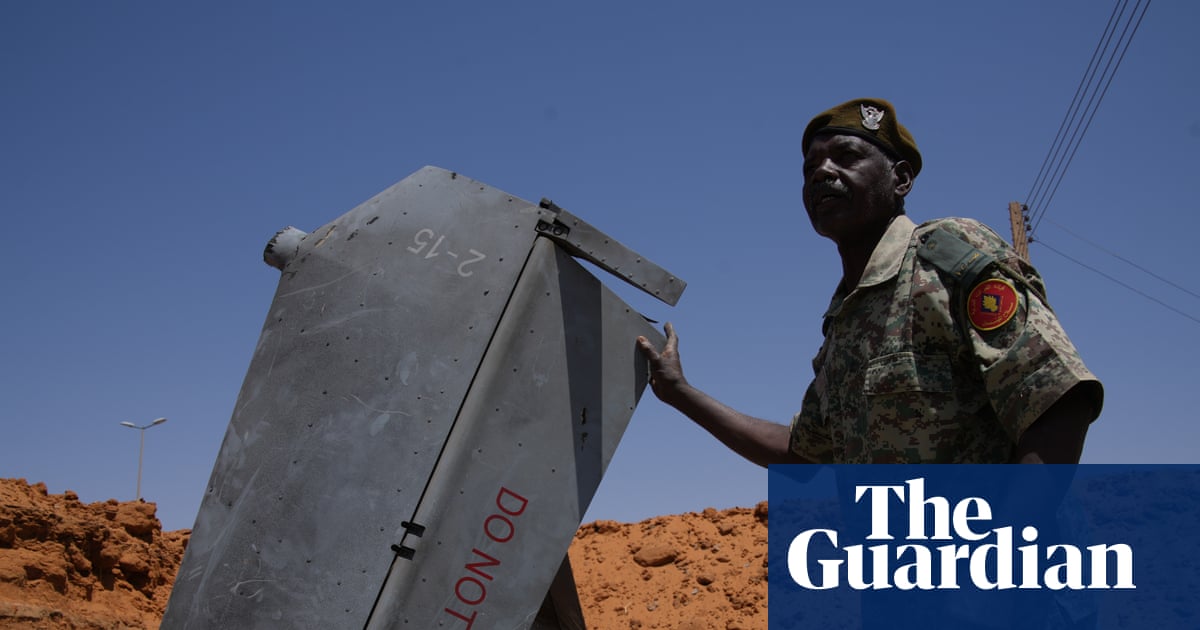
- Drone attacks are likely to remain a direct civilian threat across Sudan over the next 1-3 months. Reporting from 17 to 19 October records attacks in West Darfur, South Darfur, North Kordofan, West Kordofan, Abyei and Khartoum. The UN reported at least 19 deaths, including 10 children, in weekend attacks across West Darfur, South Darfur and North Kordofan; major-media accounts put deaths in the Al-Dibab attack at about 80. Reports also describe RSF drones directed towards Gedaref, Kassala and Khartoum International Airport, with SAF air defences reporting interceptions. Civilian harm is better corroborated than responsibility for individual attacks. (Confidence: medium · ASSESSED)
- I&W: Confirm: UN reporting or two independent major-media outlets document another drone attack causing civilian deaths in Darfur, Kordofan, Khartoum or Blue Nile. (0-30 days)
- I&W: Break: no independently corroborated drone attack causes civilian deaths in those areas during the next 30 days. (0-30 days)
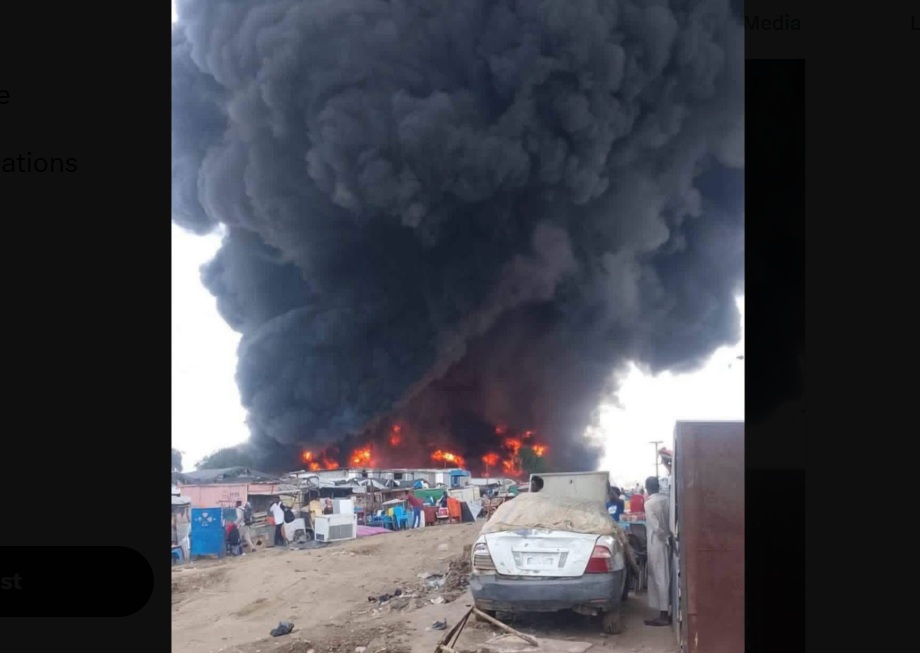
- The 18 October Al-Dibab drone strike was reported to have killed about 80 people, but the final toll and perpetrator remain unresolved. A medical source said 30 of 47 wounded people transferred to Al-Mujlad later died. Tasis and Emergency Lawyers accused the SAF; the Sudanese military had not commented in the cited reporting. (Confidence: medium · REPORTED)
- I&W: Confirm: a medical source or hospital account reports further deaths among the 47 people transferred to Al-Mujlad. (0-14 days)
- I&W: Break: a verified medical or local-authority casualty list establishes a final Al-Dibab toll and independently identifies the strike's perpetrator. (0-30 days)
- The 19 October strike on Amiet market almost certainly caused civilian deaths, but reporting does not reconcile the toll or establish official SAF responsibility. UN information put the death toll at at least 19; Abyei authorities reported 53, while Abyei's information minister reported 73. Accounts also differ on the number wounded. Abyei and South Sudan officials blamed the SAF, and an anonymous military source told the BBC the army carried out the attack, but the available reporting says officials provided no direct evidence and the Sudanese government had not publicly commented. (Confidence: medium · REPORTED)
- I&W: Confirm: no UN, MSF or Abyei administration account reconciles the reported death tolls of 19, 53 and 73, or the differing wounded counts. (0-14 days)
- I&W: Break: an independently corroborated casualty list reconciles the Amiet toll and the Sudanese government issues a statement on SAF involvement. (0-30 days)
- Famine risk is likely to worsen in parts of Darfur and Greater Kordofan over the next 1-3 months. The IPC warned of increasing risk, and FEWS NET said displacement camps in both areas were expected to face Catastrophe-level food insecurity. The UN reported 20 million people facing acute hunger. The reported 2026 humanitarian response-plan funding level ranges from 41 per cent to just over 43 per cent, depending on the reporting account. These are risk warnings and projections, not evidence of a famine declaration across either region. (Confidence: medium · ASSESSED)
- I&W: Confirm: the next IPC or FEWS NET update maintains Catastrophe projections for displacement camps in Greater Darfur or Greater Kordofan, while the response plan remains below 50 per cent funded. (1-3 months)
- I&W: Break: an IPC or FEWS NET update withdraws the Catastrophe projections for those camps and reports a lower famine-risk outlook. (1-3 months)
- A humanitarian truce between the SAF and RSF is unlikely to be agreed and implemented within the next month. The UK called for a humanitarian truce and permanent ceasefire on 16 October; Rosemary DiCarlo urged external actors to stop fuelling the conflict and called on the warring parties to return to negotiations. Geneva consultations were scheduled for the following week, but current reporting records no SAF-RSF acceptance or implementation agreement. (Confidence: medium · ASSESSED)
- I&W: Confirm: Geneva consultations conclude without a signed SAF-RSF truce text or an announced implementation schedule. (0-14 days)
- I&W: Break: the SAF and RSF publicly accept a truce and announce a dated cessation of hostilities with humanitarian-access terms. (0-30 days)
Outlook & scenarios
Continued fighting and drone attacks (65%)
Over the next 1-3 months, the SAF and RSF continue strikes and ground operations across Darfur and Kordofan. Drone attacks remain a civilian risk in places including Al-Dibab, Nyala, Khartoum and the eastern states. Contested casualty reports complicate attribution and assessment.
Limited humanitarian arrangement (25%)
Geneva consultations produce a limited arrangement on humanitarian access or local pauses, without a nationwide SAF-RSF ceasefire. Aid operations in Darfur and Greater Kordofan gain some access, but food-security warnings remain acute.
Abyei dispute sharpens (10%)
The Amiet market strike becomes a sustained Sudan-South Sudan diplomatic dispute. South Sudan's protest over the alleged SAF attack deepens, while disagreement over casualties and the strike's target obstructs a common account. This is the low-probability, high-impact wildcard.
Recommendations
- Maintain separate incident records for Al-Dibab, Amiet market, Nyala and Khartoum. Record each source, event date, casualty figure and attribution separately; do not aggregate reports until the event boundaries and casualty overlap are checked.
- For Al-Dibab, seek follow-up from Al-Mujlad medical sources on the 47 wounded people and the 30 reported later deaths. Do not add those deaths to the initial toll of about 80 unless a source confirms they were excluded.
- For Amiet market, report the UN figure and the local figures with attribution. Treat SAF responsibility as unconfirmed in public-facing analysis until official or independently corroborated evidence resolves the conflicting accounts.
- Track the Geneva consultations for a signed truce text, SAF and RSF acceptance, implementation dates and specific humanitarian-access terms. Distinguish diplomatic calls from an agreement in force.
- Prioritise updated IPC and FEWS NET reporting on displacement camps in Greater Darfur and Greater Kordofan. Track the response-plan funding figure by reporting date because current accounts give different percentages.
Confidence & uncertainty
Overall confidence is high in the broad picture because UN reporting, humanitarian organisations, major-media accounts and wire-service reporting converge on continuing drone attacks, civilian casualties and severe food insecurity. Confidence is lower on individual casualty totals and responsibility: Amiet reports range from 19 to 73 deaths, Al-Dibab's final toll is unsettled, and allegations about perpetrators are not uniformly supported by direct evidence. The humanitarian response-plan funding figure also differs across reports.
Intelligence gaps
- [EEI 1.1 · PARTIAL] Observed concentrations and movement of armed units (size estimates, unit identifiers if visible) within X km of named towns/roads/airfields (e.g., El Fasher, Geneina, Nyala, Khartoum neighborhoods) including timestamps and direction of movement. Recommended collection: imagery/satellite
- [EEI 1.3 · UNCOVERED] Reports or intercepts of orders, operational directives or public statements from RSF/SAF commanders indicating planned offensives, ceasefire acceptance/rejection, defensive postures or orders to withdraw from named locations. Recommended collection: signals/communications intercepts
- [EEI 1.4 · PARTIAL] Status of critical infrastructure and lines of communication: control or denial of named bridges, main highways (identify route numbers), airfields, fuel depots and telecommunication hubs and any reported sabotage/blockage incidents. Recommended collection: human intelligence/field reporting
- [EEI 2.1 · PARTIAL] Counts and locations of newly displaced persons arriving at formal sites, informal camps, border crossings or collective centers (daily/weekly arrivals, site coordinates), including demographics (women, children, elderly) where available. Recommended collection: humanitarian/UN OCHA reports
- [EEI 2.2 · UNCOVERED] Access impediments to humanitarian assistance: reported attacks on, blockages of, or denial of passage for named humanitarian convoys (dates, GPS locations, responsible actor if known) and closure status of specific routes. Recommended collection: human intelligence/field reporting
- [EEI 2.3 · PARTIAL] Functional status of medical infrastructure in named locations: number of operational hospitals/clinics, reported shortages of key medicines/blood, and hospital casualty/occupancy figures for the last 72 hours. Recommended collection: medical/health cluster reporting
- [EEI 3.1 · PARTIAL] Detection of flights, ships or overland convoys delivering military materiel or foreign personnel to named airfields, ports or border crossings (flight/IMO numbers, manifests if available, timestamps, route origin/destination). Recommended collection: air-traffic / maritime / border customs
- [EEI 3.2 · UNCOVERED] Imagery or on-the-ground confirmation of foreign military personnel or private military contractor bases/forward operating elements at specified coordinates or compounds, including vehicle/weapon types observed. Recommended collection: imagery/satellite
- [EEI 3.3 · PARTIAL] Financial and sanctions-relevant indicators: atypical large transfers, use of designated front companies, or shipments routed through third states linked to procurement of weapons or fuel for RSF or SAF (transaction dates, parties, amounts where obtainable). Recommended collection: financial intelligence
Red cell review: CONCUR WITH COMMENT
TLP:CLEAR