TLP:CLEAR · Disclosure is not limited.
Sudan Situation Report: Drone Strikes, Grid Damage and Civilian Risk
Time window: Last 7 days · Audience: General analyst · Type: Situation report · DTG: 2026-10-28 22:13Z · Overall confidence: HIGH
BLUF
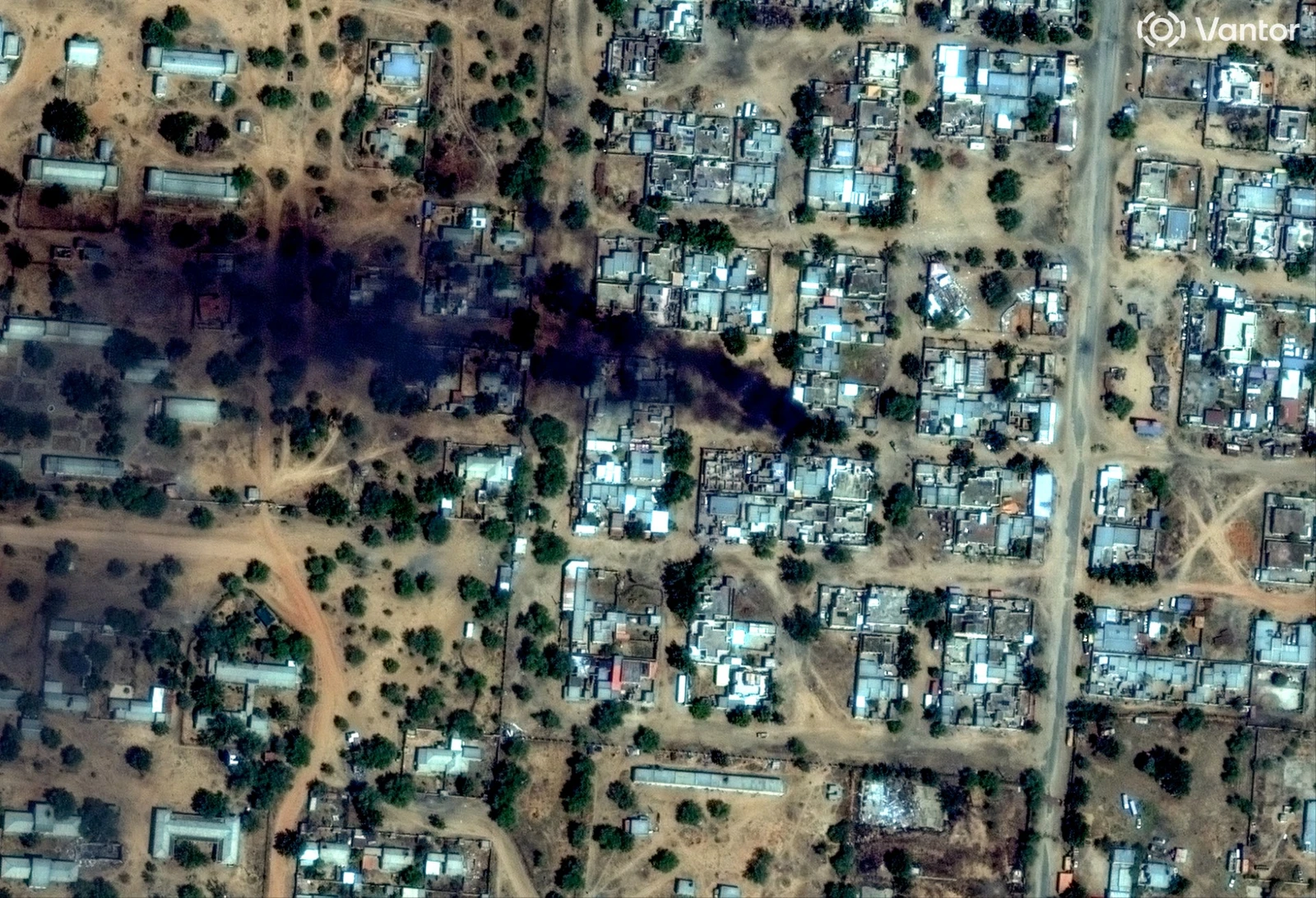
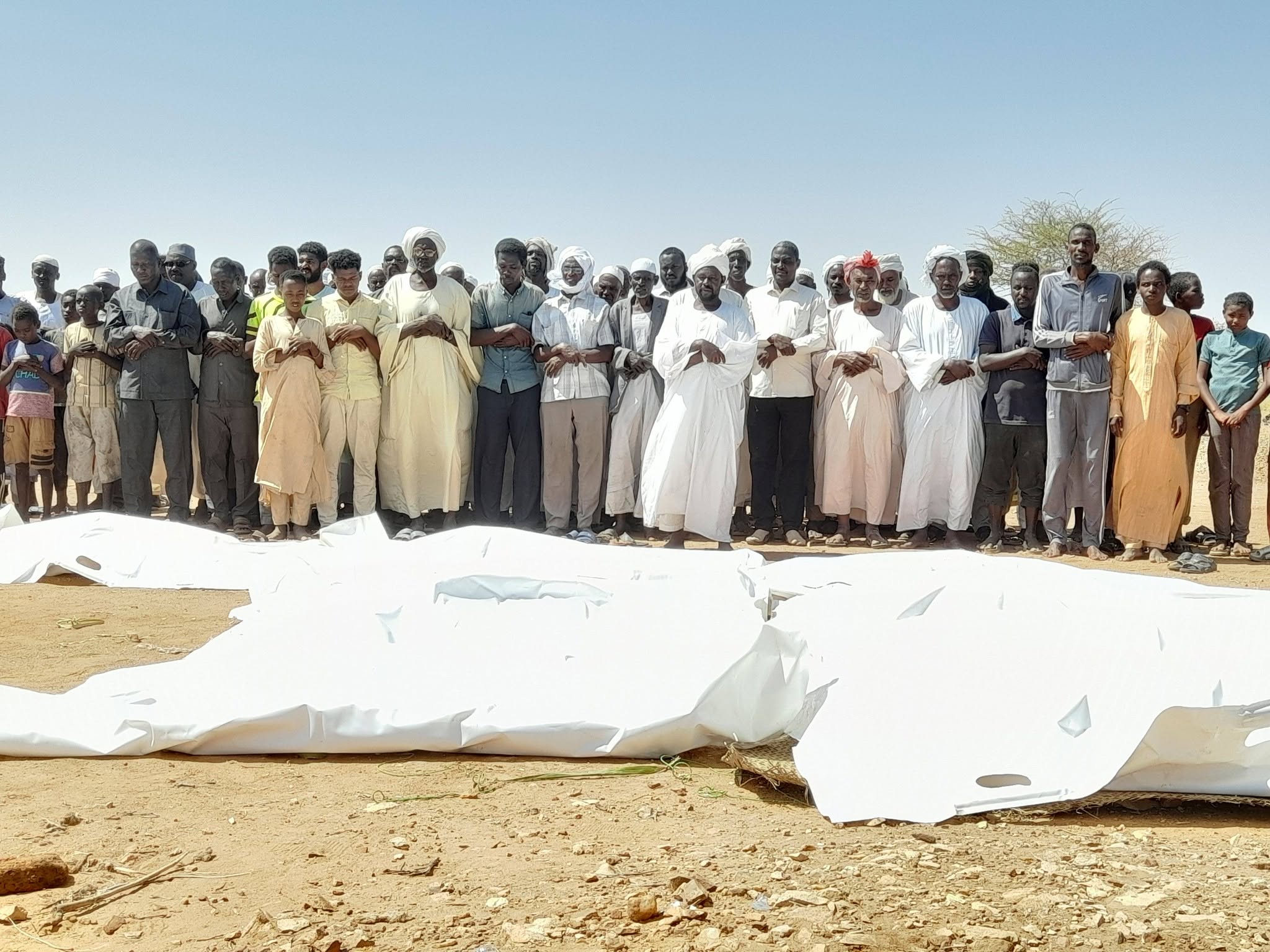
The 26 October drone strike on Tanqong Market in Nyala killed at least 36 people, according to hospital reporting, while higher casualty totals remain disputed and responsibility is not independently established. Drone attacks, damage to electricity infrastructure and severe humanitarian conditions in Blue Nile continue to expose civilians to harm. New reporting on external support routes to RSF-held areas warrants monitoring, but does not establish state-directed support.
Executive summary
Reporting from 21 to 28 October describes continued drone attacks on civilian sites, including a strike on Tanqong Market in Nyala that killed at least 36 people and injured more than 150 according to Nyala Teaching Hospital. Emergency Lawyers and the RSF-aligned Tasis health minister reported higher death tolls, which remain unverified. Drone strikes also damaged electricity infrastructure in several states; the 27 October strike on Al-Markhiyat transformer station left large parts of Khartoum without power for more than 12 hours. In Blue Nile, residents and a camp manager described severe food and health conditions at Al-Karama 3 camp. Anniversary reporting on El Fasher included renewed UN and Amnesty International warnings about abuses and civilian safety. Separately, local-media reporting of UN fact-finding findings identified alleged support routes to RSF-held areas, while the Sudanese government and the UAE maintain competing claims about external support.
Change from previous assessment
Compared with the 27 October brief, this update adds the 26 October Tanqong Market strike in Nyala, with a hospital-based minimum of 36 deaths and substantially higher disputed totals. The power-infrastructure assessment is strengthened by reporting of outages lasting more than 12 hours in Khartoum and an OCHA warning about national-grid stability. New field reporting from Al-Karama 3 adds specific evidence of prolonged food-aid interruption and health problems. Anniversary reporting adds UN and Amnesty International concerns about El Fasher and new, low-confidence reporting on external support routes. The prior truce assessment is not updated because the current reporting supplies no new terms or response from the RSF. The prior UK sanctions judgment is not materially changed.
Key judgments
- At least 36 people were killed and more than 150 injured in the 26 October drone strike on Tanqong Market in Domaya, Nyala; this is the best hospital-based minimum, not a settled final toll. MSF reported that Nyala Teaching Hospital received 36 bodies and treated more than 150 injured people. Emergency Lawyers and the RSF-aligned Tasis health minister reported 102 and 188 deaths respectively, but those higher totals conflict and remain unverified. (Confidence: medium · REPORTED)
- I&W: MSF or Nyala Teaching Hospital publishes a reconciled casualty list that confirms or revises the reported 36 deaths and more than 150 injured. (0-14 days)
- I&W: An independent medical or civil registry account confirms the 102 or 188 reported deaths, or establishes a different total. (0-14 days)
- The SAF likely carried out the 26 October drone strike on Tanqong Market, but attribution remains unconfirmed. MSF, Emergency Lawyers and eyewitness reporting attributed the strike to the Sudanese military; other reports do not establish the attacker, and the supplied reporting contains no forensic confirmation. Confidence is medium because several sources make the attribution, but the evidence presented is not independently conclusive. (Confidence: medium · ASSESSED)
- I&W: An independent investigation identifies the launch platform or launch location and attributes the strike to the SAF. (0-14 days)
- I&W: An independent investigation attributes the strike to another actor or rules out SAF involvement. (0-14 days)
- Civilian exposure to drone attacks is likely to remain high across Sudan over the next 1-3 months. The UN Human Rights Office reported at least 306 people killed in three weeks and at least 1,120 civilians killed by drone strikes in the first half of 2026. Recent reporting on Nyala, Abyei and other civilian sites is consistent with continued risk, although responsibility for individual attacks is often disputed. (Confidence: medium · ASSESSED)
- I&W: UN or OCHA reporting records further drone strikes on markets, hospitals or displacement sites in Darfur, Kordofan, Blue Nile or Khartoum. (0-14 days)
- I&W: Two consecutive UN or OCHA updates report no new drone strikes on civilian sites in those areas. (1-3 months)
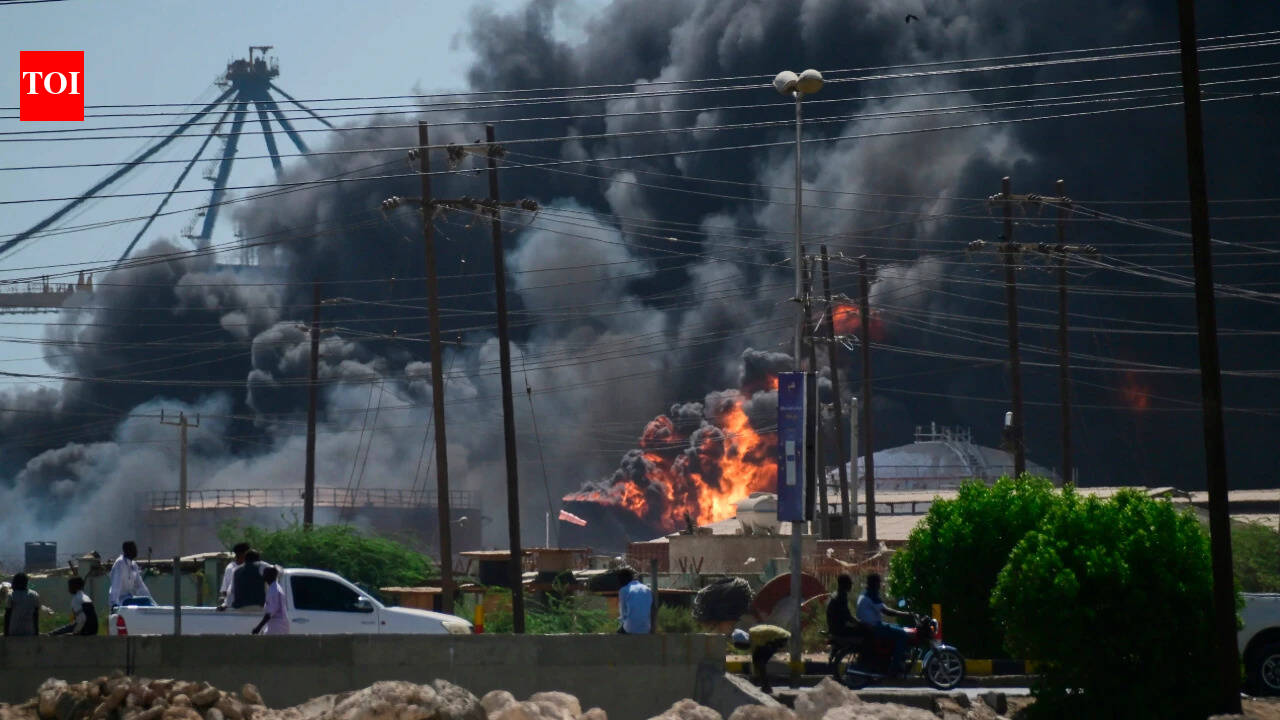
- Further drone strikes on electricity infrastructure are likely to disrupt power supply in the next 1-3 months. Strikes were reported at power stations in El Gezira, Sennar and El Gedaref on 26 October, followed by the 27 October strike on Al-Markhiyat transformer station in Omdurman, which left large parts of Khartoum without electricity for more than 12 hours. OCHA warned that the attacks threaten the stability of the national grid; responsibility for individual strikes is not consistently established. (Confidence: medium · ASSESSED)
- I&W: OCHA or the Sudanese electricity company reports another strike on a named power station or a new outage affecting multiple states. (0-30 days)
- I&W: The electricity company reports Al-Markhiyat restored and no further station strikes or major outages over 30 consecutive days. (0-30 days)
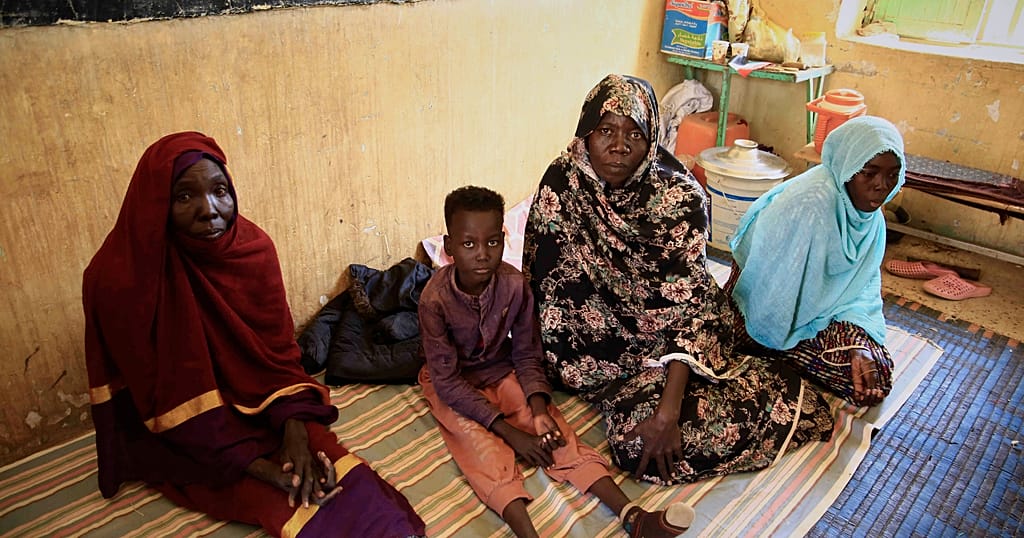
- Conditions at Al-Karama 3 camp in El-Damazin are likely to worsen over the next 1-3 months if food and health support do not reach residents. The camp manager reported four months without food aid, a resident said people were relying on corn, and the manager described malaria and schistosomiasis among the health problems at a camp housing about 24,000 displaced people. These conditions are reported chiefly through interviews in one media account, which limits confidence in their scale. (Confidence: medium · ASSESSED)
- I&W: The camp manager or humanitarian agencies report another month without food deliveries or worsening disease conditions at Al-Karama 3. (0-30 days)
- I&W: Humanitarian agencies confirm food deliveries and functioning health services at Al-Karama 3. (0-30 days)
- El Fasher is likely to remain unsafe for civilian return over the next 1-3 months. Amnesty International rejected RSF claims that the city is safe, and its October reporting described ongoing arbitrary detention, torture, unlawful killings and restricted humanitarian access. UN reporting also described accountability for almost all grave violations as absent. These assessments support continued concern, but do not quantify the current level of risk across the city. (Confidence: medium · ASSESSED)
- I&W: Amnesty International or a UN body documents further unlawful killings, detention or torture in El Fasher. (0-3 months)
- I&W: A UN body or humanitarian organisation verifies safe civilian returns and sustained humanitarian access in El Fasher. (0-3 months)
- A local-media account of the UN Independent International Fact-Finding Mission for Sudan reported evidence of individuals and entities operating from the UAE, Chad, southeastern Libya and Puntland facilitating transfers of weapons, drone-related technology, logistics and personnel to RSF-held areas, including Nyala. This is a reported finding, not proof of state-directed support. Confidence is low because the supplied reporting contains one account of the mission findings; the Sudanese government accuses the UAE of supporting the RSF, while the UAE denies it. (Confidence: low · REPORTED)
- I&W: The mission publishes findings naming specific transfer routes, intermediaries or recipients, with corroborating evidence. (0-3 months)
- I&W: Independent reporting or an official investigation contradicts the reported routes or identifies a different source of support. (0-3 months)
Outlook & scenarios
Continued drone attacks and localised service disruption (55%)
Drone attacks continue to hit civilian sites and electricity infrastructure in Sudan. Further casualties and local outages follow, while responsibility for individual strikes remains disputed and humanitarian pressure persists in Blue Nile and Darfur.
Wider damage to civilian infrastructure (25%)
Repeated attacks on power stations produce longer or wider outages, compounding the effects of strikes on markets and displacement sites. Humanitarian access and basic services deteriorate further in affected areas.
Limited humanitarian relief (15%)
UK funding and appeals by Western states translate into food and health support for displaced people, including residents of Al-Karama 3. Aid delivery eases immediate pressure, while conflict-related risks and El Fasher's unsafe return conditions persist.
Regional tensions over alleged external support (5%)
Allegations about support routes to RSF-held areas, including the Sudanese government's accusations against the UAE and Ethiopia, trigger a wider diplomatic crisis or cross-border action. This is a low-probability, high-impact wildcard; the supplied reporting does not establish state-directed support or cross-border action.
Recommendations
- Maintain a casualty ledger for the Nyala strike that separates hospital-received bodies from later reported totals. Seek a reconciled count from MSF, Nyala Teaching Hospital and Emergency Lawyers before treating 102 or 188 deaths as established.
- Keep SAF responsibility for the Nyala strike at assessed rather than confirmed status. Seek independent investigation findings on the aircraft, munition and launch location before making a firm attribution.
- Track daily outage and repair reporting for Al-Markhiyat and the power stations in El Gezira, Sennar and El Gedaref. Record which areas lose service, outage duration and the status of grid restoration.
- Request a near-term update on food deliveries, clinic access and disease reports from Al-Karama 3 camp. Keep the camp manager's and residents' accounts distinct from verified aid-delivery data.
- Obtain and review the original UN fact-finding material on alleged support routes before attributing assistance to any government. Track the UAE's denial and the Sudanese government's allegations as competing claims.
Confidence & uncertainty
Overall confidence is high in the pattern of repeated drone attacks, civilian casualties, power disruption and humanitarian stress. Reporting from UN bodies, OCHA, MSF and major media converges on these developments, although some reports repeat the same underlying figures. Confidence is lower on the final Nyala death toll and responsibility for individual strikes. Cross-border support claims rest on a single local-media account of mission findings and remain contested.
Intelligence gaps
- [EEI 1.1 · UNCOVERED] Observed concentrations and movement of armed units (size estimates, unit identifiers if visible) within X km of named towns/roads/airfields (e.g., El Fasher, Geneina, Nyala, Khartoum neighborhoods) including timestamps and direction of movement. Recommended collection: imagery/satellite
- [EEI 1.3 · UNCOVERED] Reports or intercepts of orders, operational directives or public statements from RSF/SAF commanders indicating planned offensives, ceasefire acceptance/rejection, defensive postures or orders to withdraw from named locations. Recommended collection: signals/communications intercepts
- [EEI 1.4 · PARTIAL] Status of critical infrastructure and lines of communication: control or denial of named bridges, main highways (identify route numbers), airfields, fuel depots and telecommunication hubs and any reported sabotage/blockage incidents. Recommended collection: human intelligence/field reporting
- [EEI 2.2 · PARTIAL] Access impediments to humanitarian assistance: reported attacks on, blockages of, or denial of passage for named humanitarian convoys (dates, GPS locations, responsible actor if known) and closure status of specific routes. Recommended collection: human intelligence/field reporting
- [EEI 2.3 · PARTIAL] Functional status of medical infrastructure in named locations: number of operational hospitals/clinics, reported shortages of key medicines/blood, and hospital casualty/occupancy figures for the last 72 hours. Recommended collection: medical/health cluster reporting
- [EEI 3.1 · UNCOVERED] Detection of flights, ships or overland convoys delivering military materiel or foreign personnel to named airfields, ports or border crossings (flight/IMO numbers, manifests if available, timestamps, route origin/destination). Recommended collection: air-traffic / maritime / border customs
- [EEI 3.2 · UNCOVERED] Imagery or on-the-ground confirmation of foreign military personnel or private military contractor bases/forward operating elements at specified coordinates or compounds, including vehicle/weapon types observed. Recommended collection: imagery/satellite
- [EEI 3.3 · UNCOVERED] Financial and sanctions-relevant indicators: atypical large transfers, use of designated front companies, or shipments routed through third states linked to procurement of weapons or fuel for RSF or SAF (transaction dates, parties, amounts where obtainable). Recommended collection: financial intelligence
Red cell review: CONCUR WITH COMMENT
TLP:CLEAR