TLP:CLEAR · Disclosure is not limited.
Sudan situation report: SAF advances in West Kordofan, pressure on civilians persists
Time window: Last 7 days · Audience: General analyst · Type: Situation report · DTG: 2026-11-15 22:11Z · Overall confidence: HIGH
BLUF
SAF has likely made tactical gains in West Kordofan, but reporting does not establish durable control or a decisive shift in the war. Drone attacks on electricity infrastructure and acute humanitarian needs remain central risks; a reported RSF commander defection is not yet independently corroborated.
Executive summary
Reporting from 8 to 15 November describes SAF advances in West Kordofan, including the reported capture of al-Khuwai, while the RSF is still reported to hold al-Nuhud and parts of South Kordofan. Accounts differ over whether SAF alone or SAF with the Joint Force of armed struggle movements captured al-Khuwai. UNICEF and other reporting describe recurring drone attacks on electricity infrastructure, while Sudan's reported power generation has fallen from about 4,400 megawatts before the war to about 1,100 megawatts. Humanitarian needs remain acute: more than 15 million people urgently need shelter, about 20 million face acute food insecurity, and around 100,000 displaced people have arrived in El Obeid. A 15 November report of an RSF commander's defection is notable but not independently confirmed.
Change from previous assessment
Since the 14 November prior brief, the assessment adds reporting that power generation has fallen to about 1,100 megawatts and that attacks on electricity infrastructure occurred across at least nine states between 20 October and 2 November. New reporting also gives a more specific account of around 100,000 displaced people arriving in El Obeid and reports the defection of Ahmed Ali Hasab Al-Rasoul; the defection remains low confidence because its location and relationship to separate reports about defectors travelling through Chad and Ethiopia are unresolved. The assessment of SAF's West Kordofan gains remains medium confidence, and the assessment of RSF control across Darfur remains low confidence. No prior judgment is retired.
Key judgments
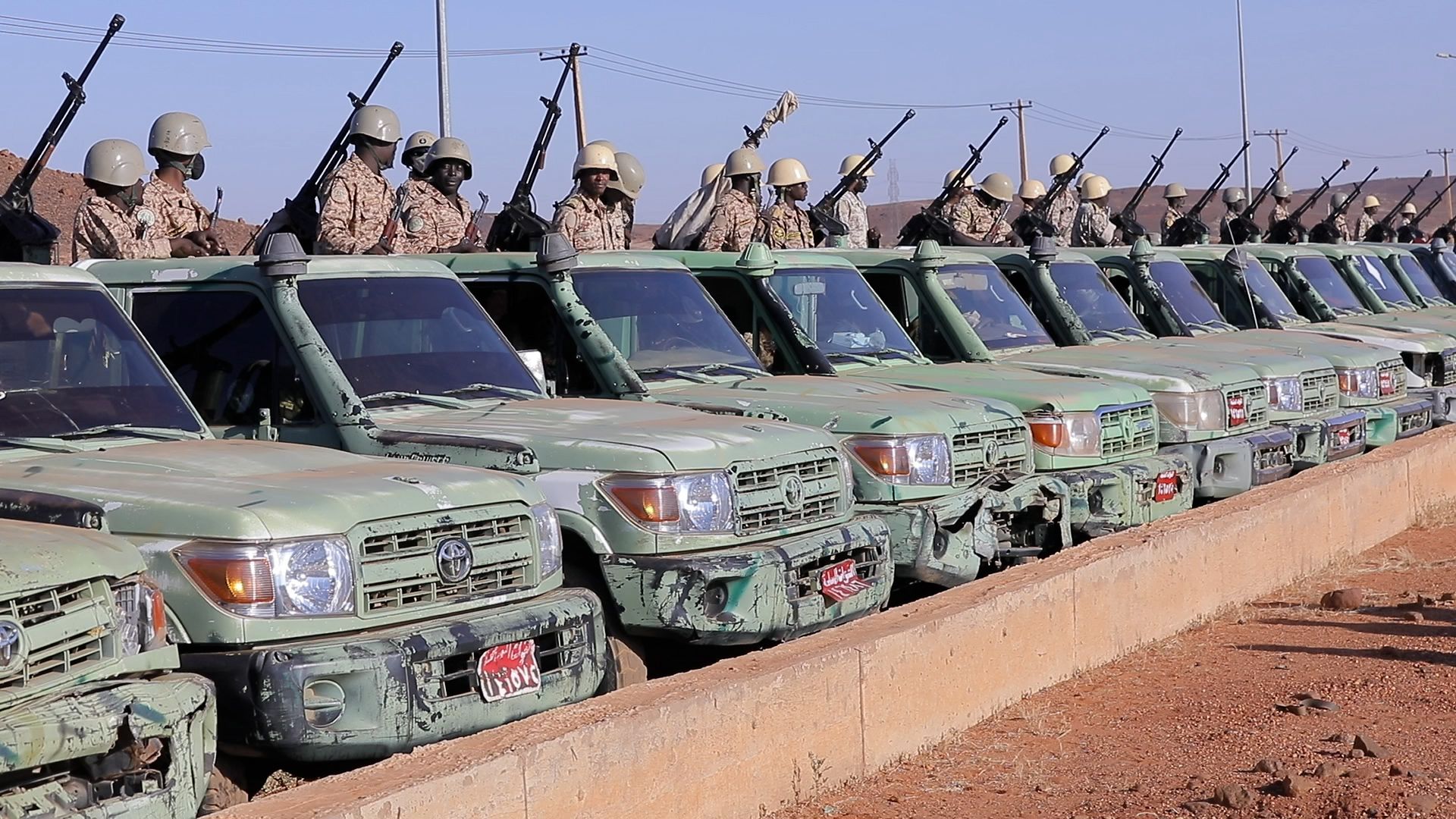
- SAF has likely made tactical gains in West Kordofan, including the reported capture of al-Khuwai on 13 November and claims to have retaken Khamas Al-Dunki, the Murkab administrative unit and the Khmasat villages complex. The available reporting does not establish durable control or a strategic shift: accounts differ over whether SAF alone or SAF and the Joint Force of armed struggle movements captured al-Khuwai, and the RSF is still reported to hold al-Nuhud and parts of South Kordofan. (Confidence: medium · ASSESSED)
- I&W: Confirm if independent reporting or verifiable local accounts show SAF or allied forces retaining al-Khuwai and the named Abu Zabad areas; break if credible reporting confirms RSF recapture. (0-14 days)
- I&W: Confirm a durable advance if SAF establishes a sustained presence beyond al-Khuwai and Abu Zabad; break the assessment of continued SAF gains if RSF forces regain these locations. (2-6 weeks)
- Further drone attacks on electricity infrastructure in Sudan are likely over the next 30 days. UNICEF reported daily strikes on power stations during the last week of October, and other reporting counted at least 18 attacks on electricity infrastructure across at least nine states from 20 October to 2 November. Reports differ on whether the October tally counts strikes or stations, and the perpetrators of many attacks remain unidentified. Sudan's reported generation capacity is about 1,100 megawatts, down from about 4,400 megawatts before the war. (Confidence: medium · ASSESSED)
- I&W: Confirm if reporting or documented damage records show another attack on a named power station or electricity facility in Sudan. (0-30 days)
- I&W: Break the forecast of continuing attacks if independently verified reporting records no new strikes and power generation or scheduled electricity supply improves. (0-30 days)
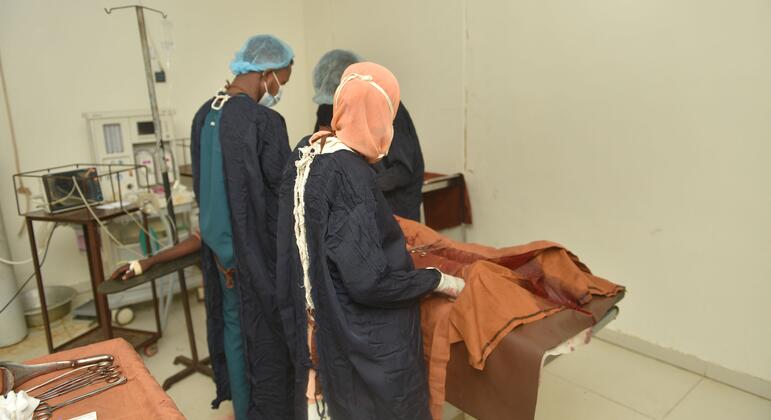
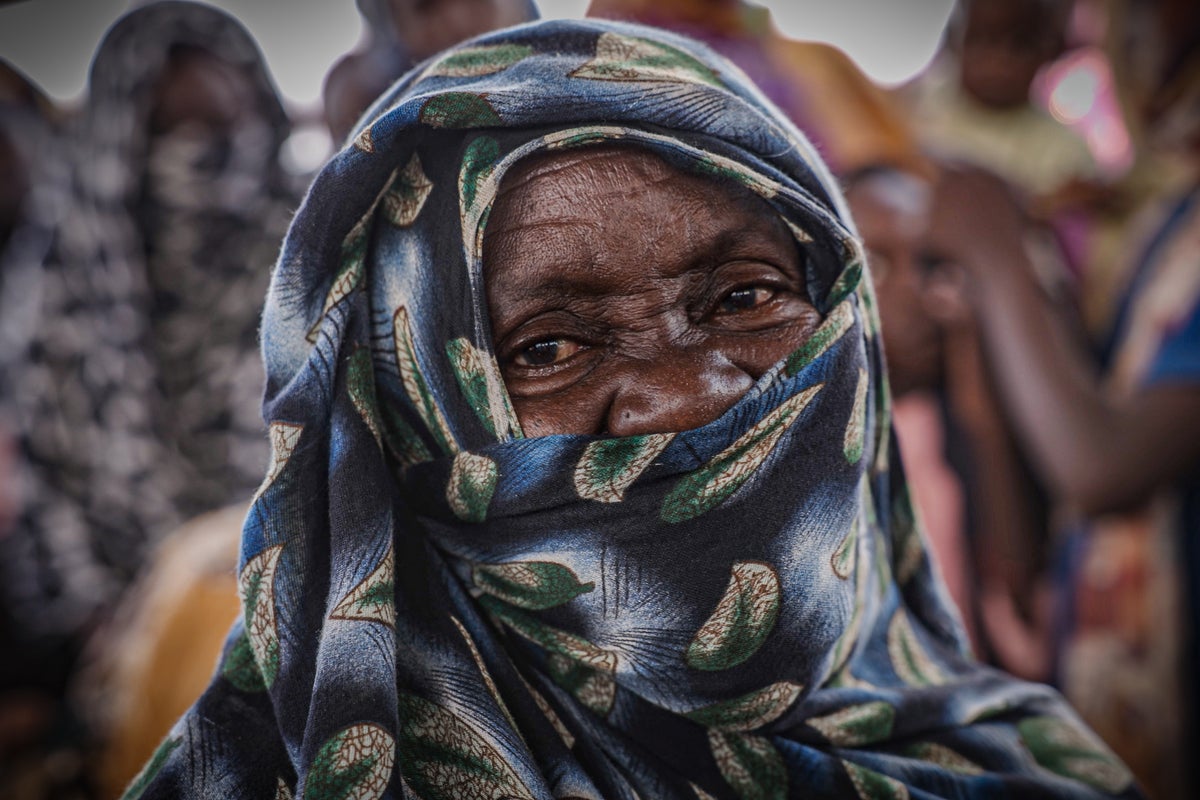
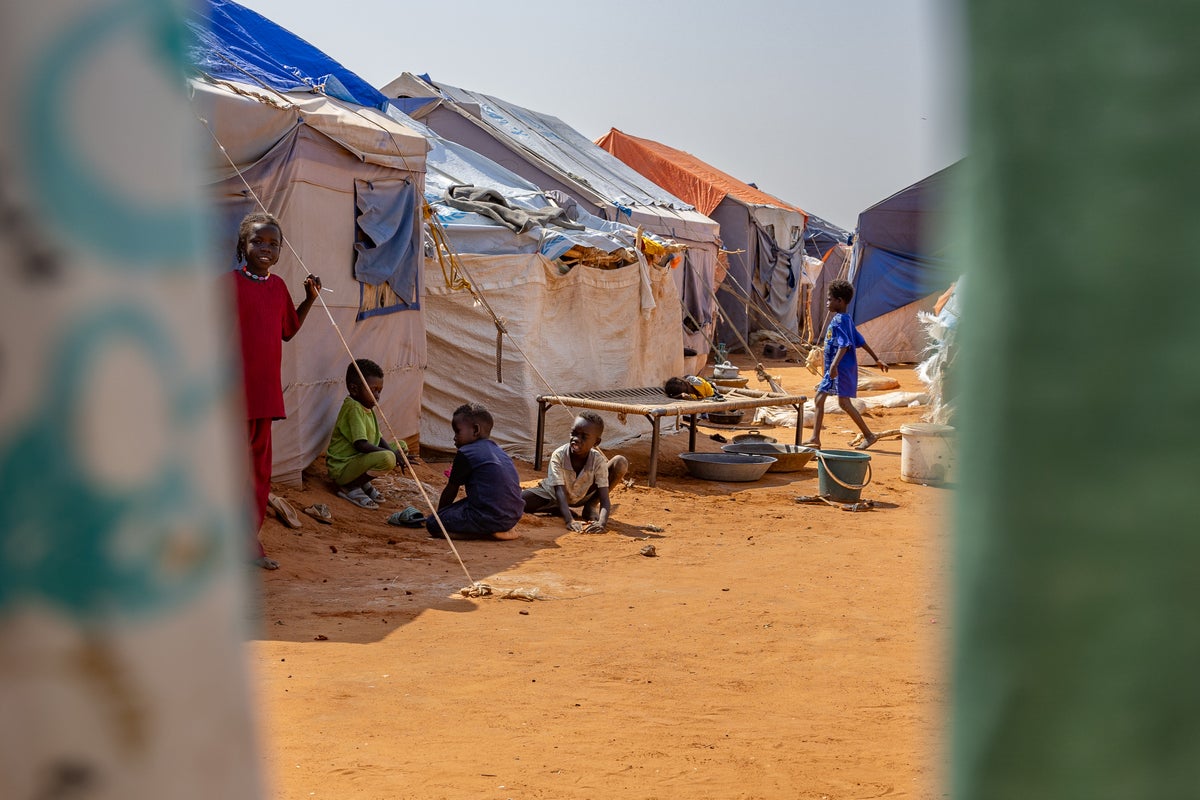
- Humanitarian pressure in Sudan is likely to remain severe over the next three months, particularly in El Obeid, North Kordofan, and conflict-affected parts of Darfur and Kordofan. UNICEF reported that well over 15 million people urgently need shelter and estimated that 825,000 children under five will suffer severe acute malnutrition in 2026. Other reporting puts acute food insecurity at about 20 million people and says around 100,000 displaced people have arrived in El Obeid. Nearly 80 per cent of medical facilities in conflict-affected areas are reported inoperable, while the UN humanitarian appeal remains underfunded. (Confidence: medium · ASSESSED)
- I&W: Confirm worsening pressure if new reporting records further arrivals in El Obeid, rising shelter needs or interruptions to medical services there. (0-30 days)
- I&W: Break the forecast of persistently severe pressure if reported funding for the UN appeal increases substantially and verified reporting shows humanitarian services and medical facilities resuming in affected areas. (1-3 months)
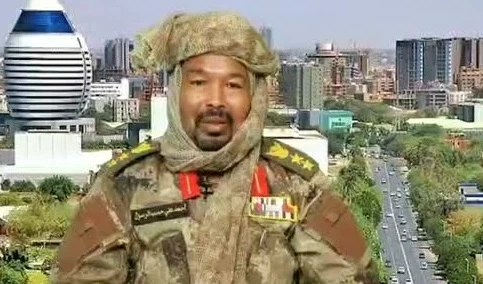
- A reported defection by Ahmed Ali Hasab Al-Rasoul, an RSF First Group commander in North Darfur, remains unconfirmed beyond a report published on 15 November that said he surrendered to SAF in Khartoum. Separate social-media reporting describes other defectors travelling through Chad and Ethiopia to Blue Nile State, so the available material does not establish whether those accounts concern the same people. (Confidence: low · REPORTED)
- I&W: Confirm the reported defection if SAF, the RSF or independent reporting identifies Hasab Al-Rasoul and confirms his surrender location. (0-14 days)
- I&W: Reduce confidence further if subsequent reporting identifies the Blue Nile route as a separate defection and provides no corroboration of Hasab Al-Rasoul's reported surrender in Khartoum. (0-14 days)
- The RSF is likely to retain control across most of Darfur over the next 30 days, but confidence is low because current reporting does not provide independent, locality-by-locality confirmation. Reports say the RSF controls all five Darfur states and captured El Fasher in October 2025; SAF's stated intention to reach Darfur is not evidence that it has established a presence there. (Confidence: low · ASSESSED)
- I&W: Confirm continued RSF control if reporting from named Darfur state capitals shows RSF forces retaining their positions and no verified SAF entry. (0-30 days)
- I&W: Break the assessment if credible reporting confirms SAF or allied forces have taken and held a named Darfur locality. (0-30 days)
Outlook & scenarios
Continued contested fighting in Kordofan (55%)
SAF holds some recently reported West Kordofan gains, while the RSF retains positions around al-Nuhud and in parts of South Kordofan. Fighting continues without a verified, durable shift in control.
SAF consolidates and extends its West Kordofan gains (25%)
SAF and allied forces retain al-Khuwai and the reported Abu Zabad areas, then establish a sustained presence in additional West Kordofan localities. A verified advance would increase pressure on RSF positions, but would not by itself establish an advance into Darfur.
RSF counterattacks and infrastructure damage worsens (20%)
The RSF reinforces its Kordofan positions and contests SAF's recent gains. Further attacks on electricity infrastructure prolong outages and disrupt services in Khartoum and other affected areas.
Recommendations
- Keep the West Kordofan control picture provisional. Seek locality-specific confirmation of al-Khuwai and the named Abu Zabad areas before treating SAF's reported gains as durable.
- Track reported electricity strikes separately from the number of power stations hit. Record the location, date and attributed operator only when reporting identifies them.
- Monitor El Obeid for changes in displaced-person arrivals, medical service availability and humanitarian access; use these as near-term measures of civilian pressure.
- Treat the reported Hasab Al-Rasoul defection as unconfirmed until an independent account or an attributable statement clarifies his identity, surrender location and whether the Blue Nile reports concern the same group.
- Maintain a separate, low-confidence assessment of RSF control in Darfur until reporting verifies control in specific localities or confirms a SAF presence there.
Confidence & uncertainty
Overall confidence is high for the broad picture of severe humanitarian needs and repeated attacks on electricity infrastructure, which is supported by reporting from UNICEF, UN bodies, major media and an NGO. Confidence is lower for recent territorial changes, the reported commander defection and the precise extent of RSF control in Darfur. Reported death tolls also vary widely, so this brief does not use a single figure as definitive.
Intelligence gaps
- [EEI 1.1 · PARTIAL] Observed concentrations and movement of armed units (size estimates, unit identifiers if visible) within X km of named towns/roads/airfields (e.g., El Fasher, Geneina, Nyala, Khartoum neighborhoods) including timestamps and direction of movement. Recommended collection: imagery/satellite
- [EEI 1.4 · PARTIAL] Status of critical infrastructure and lines of communication: control or denial of named bridges, main highways (identify route numbers), airfields, fuel depots and telecommunication hubs and any reported sabotage/blockage incidents. Recommended collection: human intelligence/field reporting
- [EEI 2.1 · PARTIAL] Counts and locations of newly displaced persons arriving at formal sites, informal camps, border crossings or collective centers (daily/weekly arrivals, site coordinates), including demographics (women, children, elderly) where available. Recommended collection: humanitarian/UN OCHA reports
- [EEI 2.2 · UNCOVERED] Access impediments to humanitarian assistance: reported attacks on, blockages of, or denial of passage for named humanitarian convoys (dates, GPS locations, responsible actor if known) and closure status of specific routes. Recommended collection: human intelligence/field reporting
- [EEI 2.3 · PARTIAL] Functional status of medical infrastructure in named locations: number of operational hospitals/clinics, reported shortages of key medicines/blood, and hospital casualty/occupancy figures for the last 72 hours. Recommended collection: medical/health cluster reporting
- [EEI 3.1 · UNCOVERED] Detection of flights, ships or overland convoys delivering military materiel or foreign personnel to named airfields, ports or border crossings (flight/IMO numbers, manifests if available, timestamps, route origin/destination). Recommended collection: air-traffic / maritime / border customs
- [EEI 3.2 · UNCOVERED] Imagery or on-the-ground confirmation of foreign military personnel or private military contractor bases/forward operating elements at specified coordinates or compounds, including vehicle/weapon types observed. Recommended collection: imagery/satellite
- [EEI 3.3 · PARTIAL] Financial and sanctions-relevant indicators: atypical large transfers, use of designated front companies, or shipments routed through third states linked to procurement of weapons or fuel for RSF or SAF (transaction dates, parties, amounts where obtainable). Recommended collection: financial intelligence
Red cell review: CONCUR
TLP:CLEAR