TLP:CLEAR · Disclosure is not limited.
Sudan Situation Report: SAF Gains in Kordofan, Front Lines Unsettled
Time window: Last 7 days · Audience: General analyst · Type: Situation report · DTG: 2026-11-18 22:10Z · Overall confidence: HIGH
BLUF
Reports describe SAF gains across Kordofan, including al-Khuwai, and place SAF forces about 60 kilometres from El Nuhud, but they do not establish SAF control of the town. Drone attacks remain the clearest reported civilian threat; custody claims about Ahmed Haroun and Sudan’s allegation of drone launches from Ethiopia remain unresolved.
Executive summary
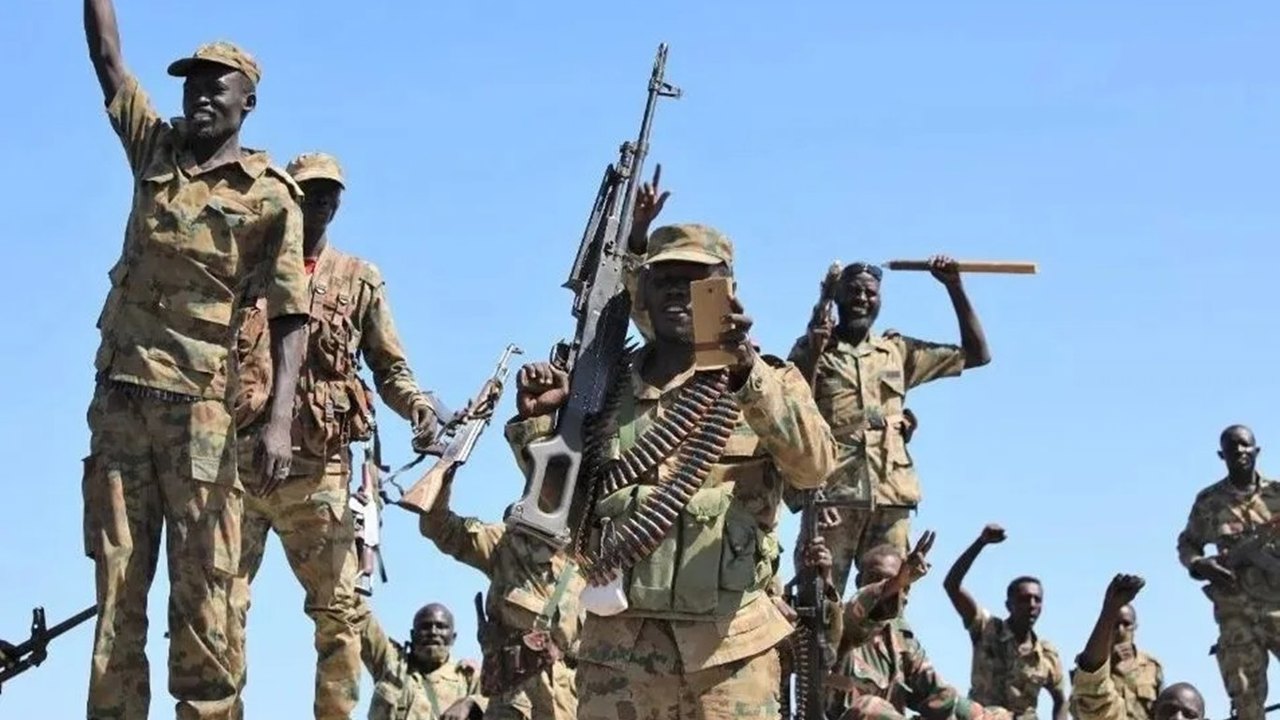
Reporting during 11-18 November describes SAF advances in West and North Kordofan, including more than 30 towns and villages since the start of November and the reported capture of al-Khuwai. One account says the SAF broke the RSF siege of El Obeid; reports place SAF forces about 60 kilometres from El Nuhud while another says the RSF still holds al-Nuhud. OHCHR reporting puts civilian deaths above 2,230 between January and October, with more than 1,630 attributed to drones. UN agencies report 15.4 million people urgently need shelter. Local reporting says the RSF controls almost all Darfur, while fighting continues near Karnoye in North Darfur. Separate reports conflict over whether Ahmed Haroun is in custody or was released. Sudan’s allegation that drones targeting Sudanese sites originated in Ethiopia has not been independently established in the available reporting.
Change from previous assessment
Since the prior brief, the assessment of SAF movement in Kordofan is more specific: reporting now describes more than 30 towns and villages taken since early November and places SAF forces about 60 kilometres from El Nuhud. The assessment remains that SAF movement is reported but durable control of El Nuhud is unproven. The drone-threat and humanitarian judgments are unchanged. This brief adds a low-confidence assessment of the RSF’s broad position in Darfur and the fighting near Karnoye, and adds the conflicting reports on Ahmed Haroun’s custody. The Ethiopia allegation remains unverified; the reported Ethiopian call for Sudan to present evidence to the UN Security Council does not resolve it.
Key judgments
- SAF very likely made further territorial gains in Kordofan in November, but the reporting does not establish durable SAF control of El Nuhud. Reports describe more than 30 towns and villages taken, the capture of al-Khuwai and a SAF advance to about 60 kilometres from El Nuhud; another report says the RSF still holds al-Nuhud. The reported break of the El Obeid siege is not independently corroborated in the available claims. Confidence is medium: reporting attributed to ACLED and separate local and major-media accounts support SAF movement, while control of El Nuhud remains unresolved. (Confidence: medium · ASSESSED)
- I&W: Confirm: dated, independent reports document additional SAF-held towns in West or North Kordofan while placing SAF forces short of El Nuhud. (0-14 days)
- I&W: Break: independently corroborated reporting shows RSF recaptures of towns counted among the SAF’s November gains. (0-14 days)
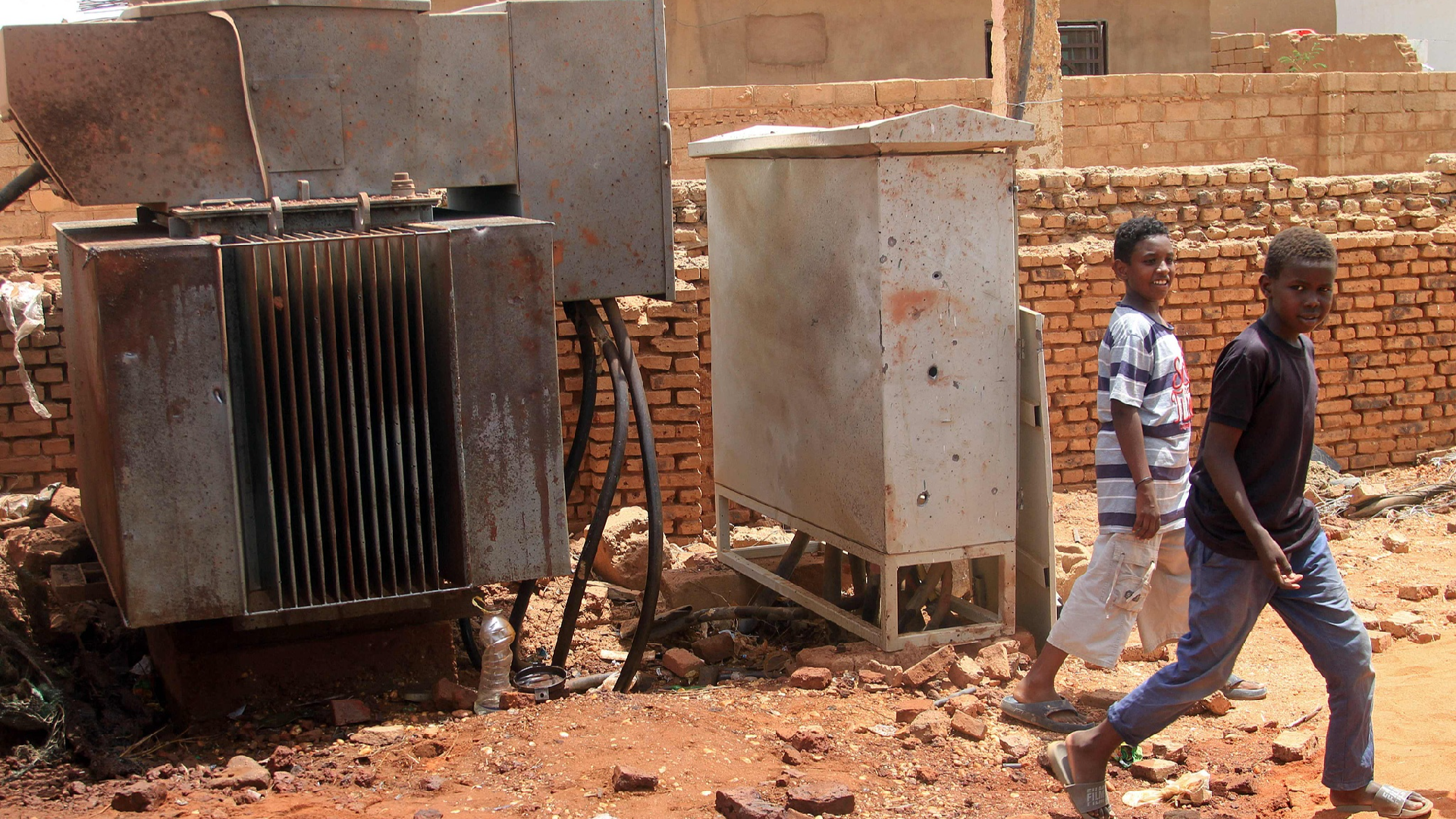
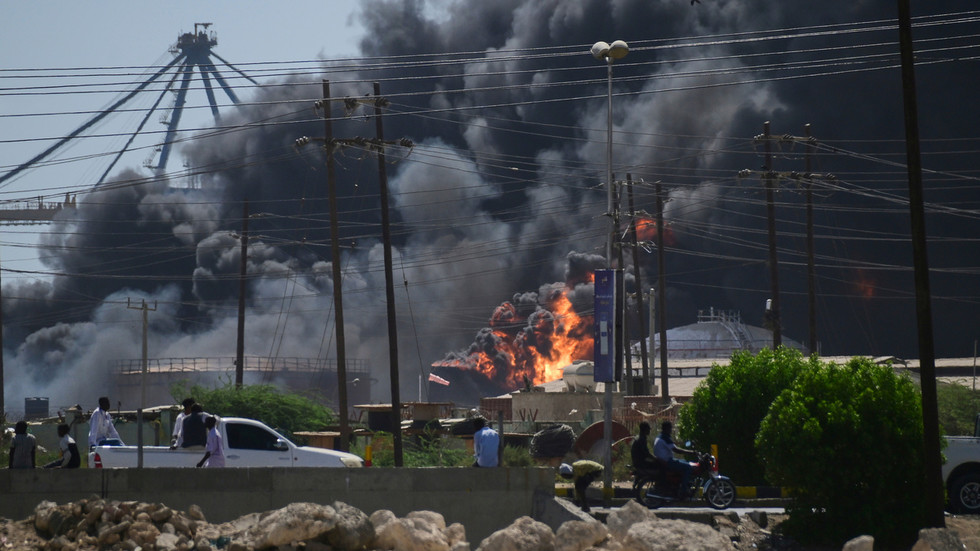
- Drone strikes are very likely to remain a leading civilian threat in Sudan over the next month. OHCHR reporting puts verified civilian deaths above 2,230 between January and October, with more than 1,630 attributed to drones; the UN also documented strikes on markets, hospitals, water sources and electricity facilities. Separate local reporting says both the SAF and RSF are increasing drone use. Confidence is medium: the casualty figures are repeated coverage of UN reporting rather than independent counts, and the report does not consistently attribute individual strikes to a party. (Confidence: medium · ASSESSED)
- I&W: Confirm: OHCHR verifies new civilian deaths from drone strikes or reports additional drone attacks on civilian infrastructure. (0-30 days)
- I&W: Break: an updated OHCHR assessment puts the drone share below half of verified civilian deaths. (1-3 months)
- Humanitarian needs in Sudan are very likely to remain acute over the next one to three months. UN migration and refugee agencies reported that 15.4 million people urgently needed shelter in November; UNHCR and IOM separately reported about 8.6 million people displaced inside Sudan and more than 4.6 million who had fled abroad. Shelter need and displacement are different measures. Confidence is medium because the figures come from agency reporting but cover distinct populations and reporting dates. (Confidence: medium · ASSESSED)
- I&W: Confirm: a subsequent UN agency update keeps the urgent shelter estimate at or above 15.4 million. (1-3 months)
- I&W: Break: a subsequent UN agency update lowers the urgent shelter estimate below 15.4 million. (1-3 months)
- The RSF likely retains broad control across Darfur, while SAF-aligned forces continue fighting near Karnoye in North Darfur. Local reporting describes Darfur as almost entirely RSF-controlled and reports continued fighting near the Chadian border; it also identifies Nyala as the centre of the RSF-aligned administration and reports repeated SAF drone strikes there. Confidence is low because the broad control picture rests on local-media reporting and the front line is fluid. (Confidence: low · ASSESSED)
- I&W: Confirm: independent reporting continues to describe RSF control across most of Darfur and fighting near Karnoye. (0-30 days)
- I&W: Break: independently corroborated reporting documents SAF control of Nyala or multiple Darfur localities. (1-3 months)
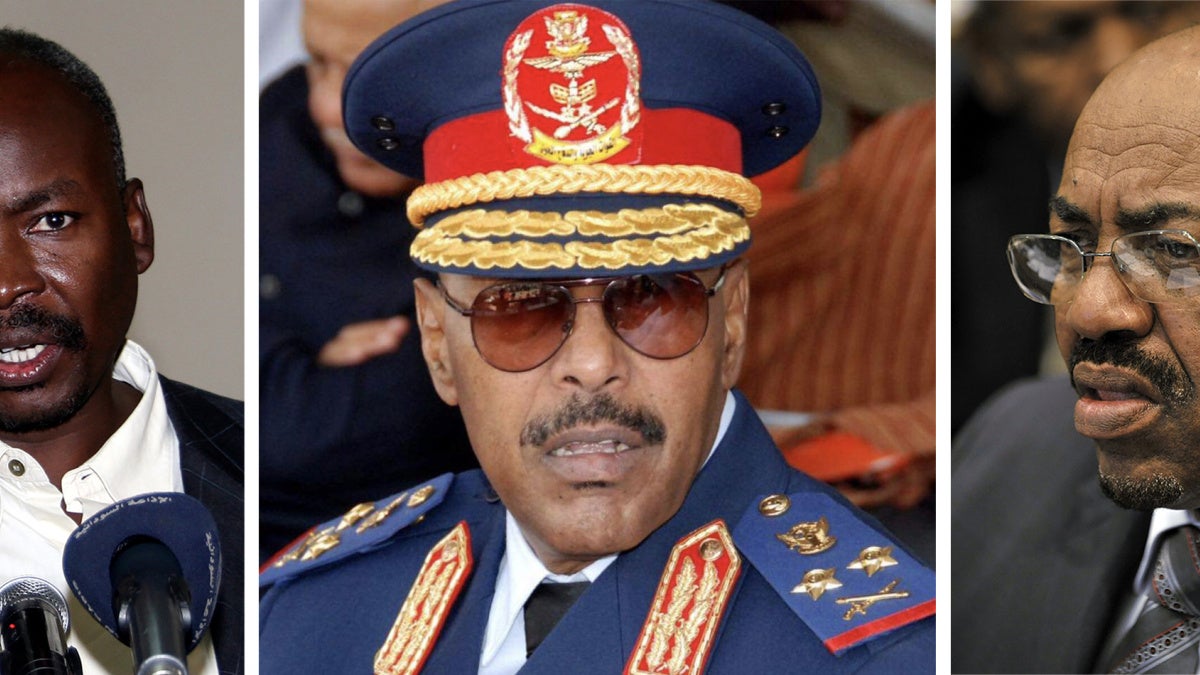
- Public reporting does not resolve whether Ahmed Haroun is currently in Sudanese custody. Human Rights Watch says the SAF re-arrested him on 8 November, while a Sudanese civil society coalition says the de facto military authority released him; another report says the SAF has not officially confirmed his whereabouts. The claims may describe different points in time, but the available reporting does not establish the sequence or his present status. Confidence is low because the accounts conflict and official confirmation is absent. (Confidence: low · REPORTED)
- I&W: Confirm current custody: the SAF issues a dated statement or independent reporting confirms access to Haroun in detention. (0-14 days)
- I&W: Break the reported re-arrest account: a verified public appearance or official release statement dated after 8 November establishes that Haroun is not detained. (0-14 days)
- Sudan’s allegation that drones targeting Sudanese sites were launched from Ethiopian territory remains unverified; the available reporting establishes a diplomatic dispute, not a confirmed cross-border attack. Sudan made the allegation, and Ethiopian parliament member Mohamed Al-Arrousi said Sudan should present evidence to the UN Security Council. Confidence is low because the claim and response are reported through social-media material, with no independent confirmation of launch origin. (Confidence: low · ASSESSED)
- I&W: Confirm: Sudan presents evidence to the UN Security Council and independent reporting corroborates a launch site in Ethiopia. (0-30 days)
- I&W: Break: independent evidence locates the launch site inside Sudan rather than Ethiopia. (0-30 days)
Outlook & scenarios
SAF advances, El Nuhud remains contested (55%)
SAF continues to consolidate reported gains in West and North Kordofan and presses towards El Nuhud. RSF resistance prevents a clear change of control in the town. Drone attacks continue to threaten civilians and essential infrastructure.
Kordofan front stabilises and humanitarian pressure persists (35%)
The front line changes little around El Nuhud and other contested Kordofan areas. The RSF retains its broad position in Darfur, with fighting continuing near Karnoye. Displacement and shelter needs remain high, while drone attacks sustain pressure on civilian services.
Cross-border allegation escalates into a regional confrontation (10%)
Low-probability, high-impact wildcard: independent evidence confirms drone launches from Ethiopian territory, and Sudan-Ethiopia tensions develop into direct military confrontation. The present reporting does not confirm the allegation or establish cross-border attacks.
Recommendations
- Keep SAF proximity to El Nuhud separate from claims of control. Require dated, independently corroborated reporting before revising the town’s control status.
- Track OHCHR updates on civilian deaths and drone attribution, and record attacks on markets, hospitals, water sources and electricity facilities separately from strikes on military targets.
- Use UN agency updates to track shelter need and displacement as separate measures. Flag changes in each figure with the reporting date and population covered.
- Seek official SAF confirmation and independent corroboration of Ahmed Haroun’s custody status before treating his detention or release as established.
- Treat the Ethiopia launch-site allegation as unverified. Seek evidence of launch origin and any UN Security Council submission before updating the cross-border risk assessment.
Confidence & uncertainty
Overall confidence is high for the broad picture because OHCHR reporting provides a quantified civilian death toll and drone attribution, UN agencies provide displacement and shelter estimates, and reporting attributed to ACLED alongside separate media accounts describes SAF gains in Kordofan. This headline confidence does not apply equally to every judgment: El Nuhud’s control, RSF control across Darfur, Ahmed Haroun’s custody and the Ethiopia allegation remain uncertain, with lower confidence assigned to those assessments.
Alternative analysis (red cell)
The available reporting more securely supports claims of SAF-reported or media-reported advances than a confirmed shift in territorial control. Claims, and 8fe22633-b8d1-4d0d-b7e7-dc8ebc899bb6 indicate movement, but claim ff06b8a1-3574-4fb3-b001-c290651f9aa4 still places al-Nuhud with the RSF and claim 00ab7679-2485-494b-a2a9-db57607c7f1a is not independently corroborated. A more defensible assessment is that SAF has probably conducted a significant offensive in Kordofan, while the extent and durability of its territorial gains remain uncertain.
Intelligence gaps
- [EEI 1.2 · PARTIAL] Changes in employment of heavy weapons and systems: documented use or emplacement of artillery, multiple-launch rocket systems, tanks, combat helicopters, and airstrikes at specific coordinates and times. Recommended collection: open-source/media
- [EEI 1.3 · PARTIAL] Reports or intercepts of orders, operational directives or public statements from RSF/SAF commanders indicating planned offensives, ceasefire acceptance/rejection, defensive postures or orders to withdraw from named locations. Recommended collection: signals/communications intercepts
- [EEI 1.4 · PARTIAL] Status of critical infrastructure and lines of communication: control or denial of named bridges, main highways (identify route numbers), airfields, fuel depots and telecommunication hubs and any reported sabotage/blockage incidents. Recommended collection: human intelligence/field reporting
- [EEI 2.1 · PARTIAL] Counts and locations of newly displaced persons arriving at formal sites, informal camps, border crossings or collective centers (daily/weekly arrivals, site coordinates), including demographics (women, children, elderly) where available. Recommended collection: humanitarian/UN OCHA reports
- [EEI 2.2 · PARTIAL] Access impediments to humanitarian assistance: reported attacks on, blockages of, or denial of passage for named humanitarian convoys (dates, GPS locations, responsible actor if known) and closure status of specific routes. Recommended collection: human intelligence/field reporting
- [EEI 2.3 · PARTIAL] Functional status of medical infrastructure in named locations: number of operational hospitals/clinics, reported shortages of key medicines/blood, and hospital casualty/occupancy figures for the last 72 hours. Recommended collection: medical/health cluster reporting
- [EEI 3.1 · PARTIAL] Detection of flights, ships or overland convoys delivering military materiel or foreign personnel to named airfields, ports or border crossings (flight/IMO numbers, manifests if available, timestamps, route origin/destination). Recommended collection: air-traffic / maritime / border customs
- [EEI 3.2 · PARTIAL] Imagery or on-the-ground confirmation of foreign military personnel or private military contractor bases/forward operating elements at specified coordinates or compounds, including vehicle/weapon types observed. Recommended collection: imagery/satellite
- [EEI 3.3 · PARTIAL] Financial and sanctions-relevant indicators: atypical large transfers, use of designated front companies, or shipments routed through third states linked to procurement of weapons or fuel for RSF or SAF (transaction dates, parties, amounts where obtainable). Recommended collection: financial intelligence
Red cell review: PARTIAL DISSENT
TLP:CLEAR