TLP:CLEAR · Disclosure is not limited.
Taiwan Strait: Persistent PLA Activity and New Coastguard Strike Signalling
Time window: Last 7 days · Audience: General analyst · Type: Situation report · DTG: 2026-09-22 19:10Z · Overall confidence: MEDIUM
BLUF
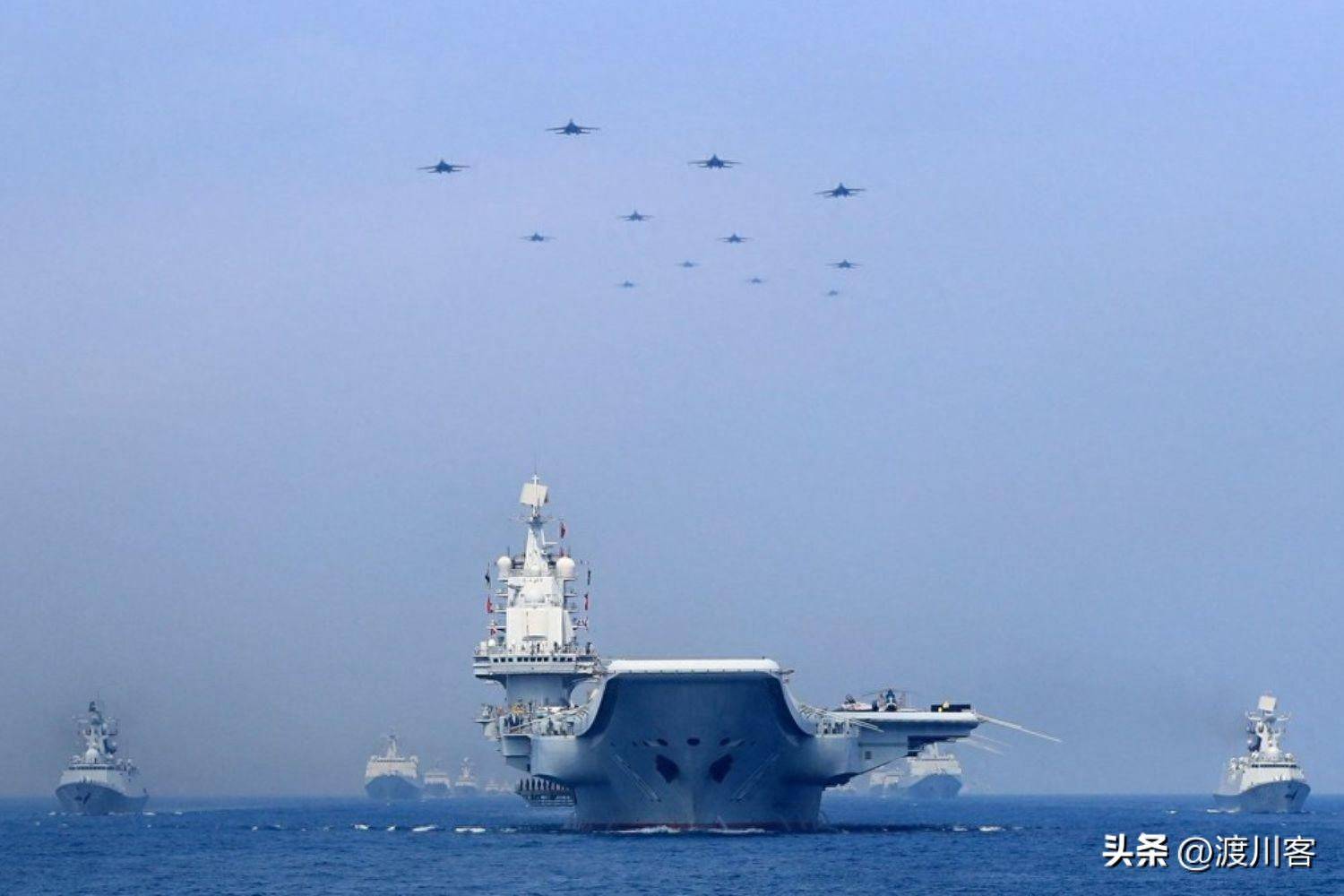
PLA activity around Taiwan remained persistent from 15 to 17 September, reaching 19 aircraft sorties and eight naval vessels on 17 September, with 17 aircraft crossing the Taiwan Strait median line. Taiwan also demonstrated the Qijin coastguard vessel's Hsiung Feng III missile and continued integrating Anping-class vessels into maritime strike roles. Available reporting does not establish a blockade or attack in the next 0-14 days.
Executive summary
PLA aircraft and naval vessels operated around Taiwan on each day from 15 to 17 September, with activity peaking on 17 September. On 18 September, Taiwan's coastguard conducted joint drills involving the Qijin, Hsiung Feng III and Hsiung Feng II missiles, reinforcing the coastguard's role in Taiwan's defence planning. Chinese forces monitored New Zealand's Te Mana and Aotearoa during their Taiwan Strait transit and Chinese aircraft conducted simulated attacks. US-China diplomatic engagement remains scheduled through the 24 September Trump-Xi meeting, with possible meetings in November and December, but official positions on the Taiwan Strait remain opposed. The available thermal and maritime data are too limited to establish a blockade or attack.
Change from previous assessment
Compared with the 21 September brief, the assessment now incorporates reported PLA activity across 15-17 September, including 17 median-line crossings on 17 September, Taiwan's 18 September coastguard missile firing, and the reported monitoring of New Zealand's Te Mana and Aotearoa. Confidence is higher in the assessment of persistent routine PLA activity, while confidence remains low for a near-term blockade or attack because the new AIS and thermal data still do not establish coordinated military action. The coastguard strike-integration judgement is new. The prior judgements on diplomatic engagement, naval development and technology-related pressure are retained, with the diplomatic outlook updated to include the scheduled 24 September Trump-Xi meeting.
Key judgments
- PLA activity around Taiwan was persistent from 15 to 17 September and is likely to continue at a routine combat-readiness level over the next 0-14 days, but the reporting does not establish a new large-scale exercise. Taiwan authorities reported 8 aircraft sorties and 7 naval vessels on 15 September, 15 aircraft and 8 naval vessels on 16 September, and 19 aircraft and 8 naval vessels on 17 September, including 17 aircraft crossing the median line. The three-day sequence is reported by Taiwanese authorities and echoed in additional reporting, but the claims provide no comparable PLA count after 17 September. (Confidence: medium · ASSESSED)
- I&W: CONFIRM: Taiwan authorities report PLA aircraft and naval activity on at least three additional days, including further median-line crossings, within the next 0-14 days. (0-14 days)
- I&W: BREAK: China announces a named, large-scale exercise around Taiwan with defined exclusion zones or live-fire areas. (0-14 days)
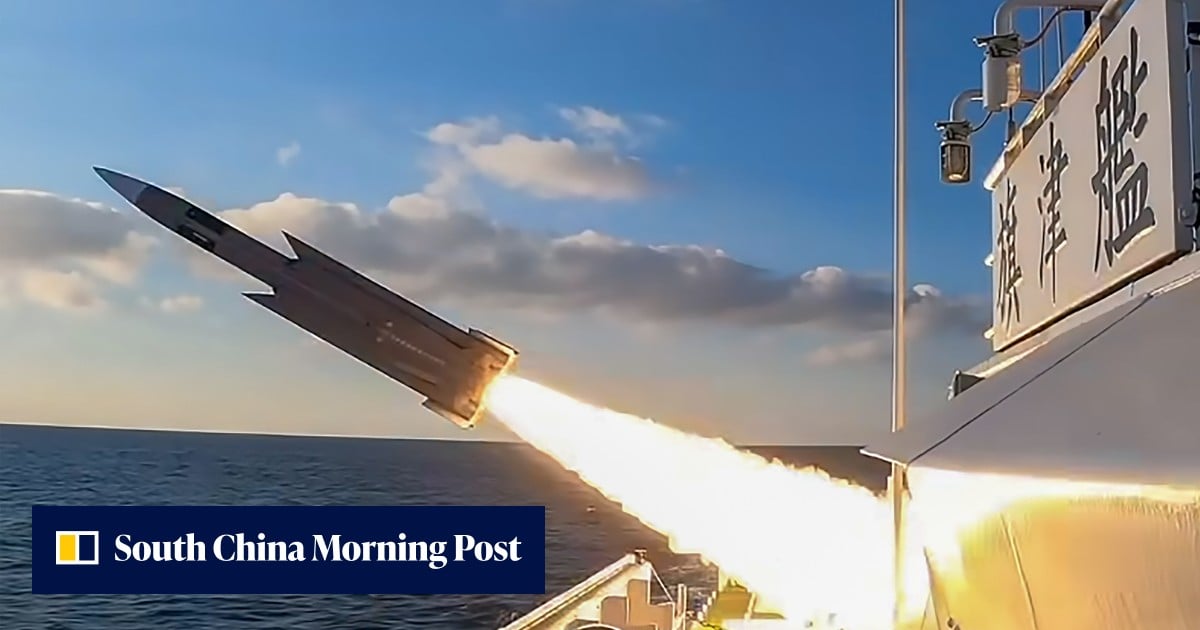
- Taiwan is likely to continue integrating coastguard vessels into maritime strike planning over the next 1-3 months. On 18 September, the Anping-class vessel Qijin launched a Hsiung Feng III missile against a decommissioned frigate more than 100 kilometres away, while the coastguard also fired a Hsiung Feng II during joint army, navy and air force drills. At least three vessels in the 12-ship Anping class have now fired Hsiung Feng missiles. The reported firings and broader conversion effort derive from one major-media account, so confidence in the forward assessment is medium. (Confidence: medium · ASSESSED)
- I&W: CONFIRM: Taiwan identifies another Anping-class vessel as carrying out a Hsiung Feng firing or participating in a joint army, navy and air force exercise. (1-3 months)
- I&W: BREAK: Taiwan authorities describe the Qijin firing as a one-off event and provide no evidence of additional Anping-class missile integration. (1-3 months)
- PRC naval capabilities are likely to expand over the next 1-3 months through continued construction at Shanghai's Hudong-Zhonghua shipyard. Vantor imagery shows a 205-metre ship under construction that US naval analysts assess will be a drone submarine mothership capable of carrying up to four PRC XXLUUVs. The ship's intended mission is an imagery-based analytic assessment, while the assessment that PRC UUVs would conduct reconnaissance, lay mines or attack vessels remains think-tank reporting rather than an official PLAN specification. (Confidence: medium · ASSESSED)
- I&W: CONFIRM: New imagery shows continued hull construction, mission-system fitting or launch arrangements consistent with a drone submarine mothership at Hudong-Zhonghua. (1-3 months)
- I&W: BREAK: Subsequent imagery or official PRC statements identify the 205-metre hull as a conventional support ship or show that construction has stopped. (1-3 months)
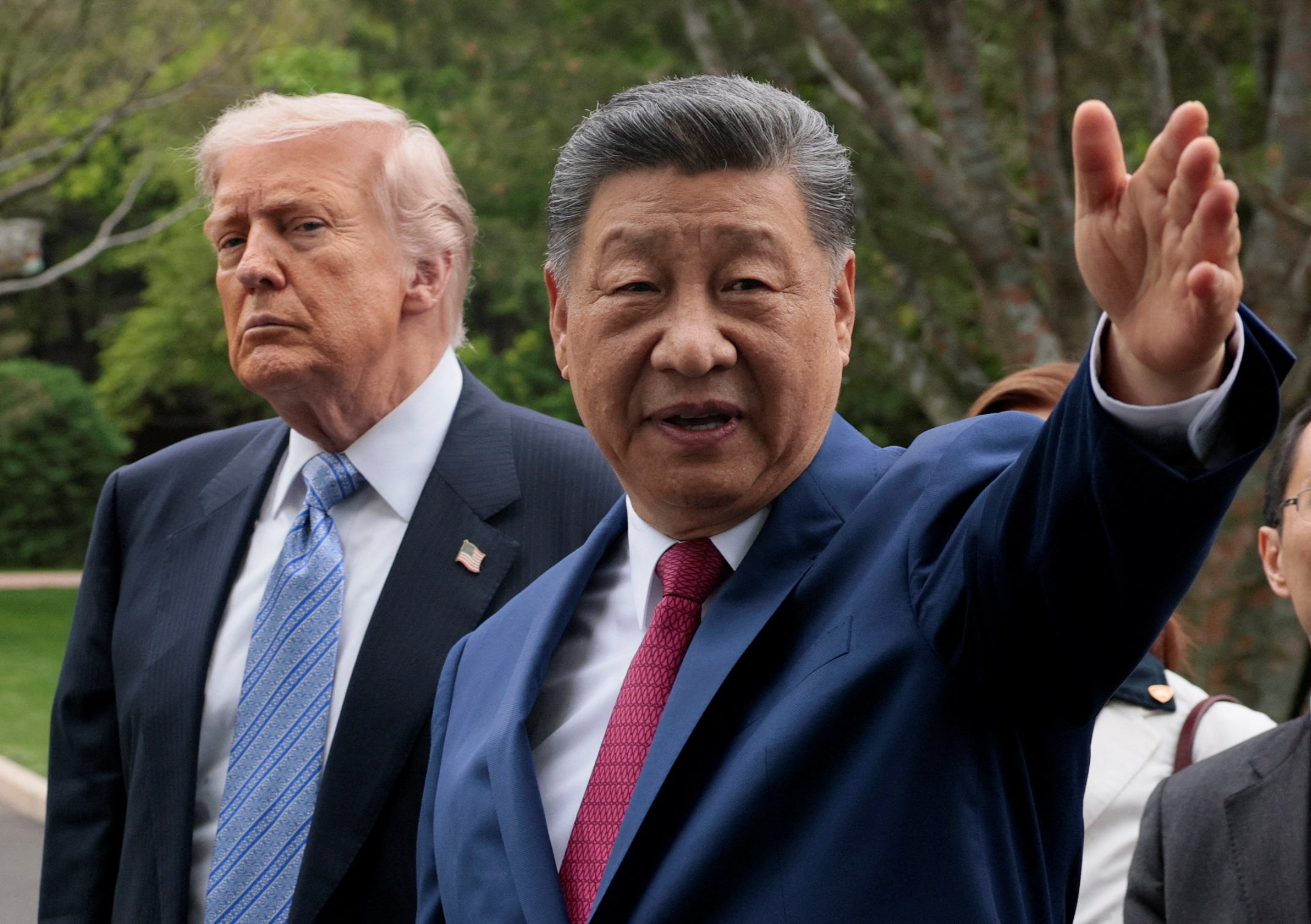
- US-China diplomatic engagement is likely to continue through December, but durable easing of Taiwan Strait tensions is unlikely. Donald Trump and Xi Jinping are scheduled to meet at the White House on 24 September, with prospective reciprocal visits linked to the APEC meeting in November and the G20 summit in Miami in December. Wang Yi's call for extra US prudence on Taiwan, alongside competing PRC and US-Taiwan positions on the strait's legal status, indicates continued contact without resolution of the core dispute. The visit projections are think-tank based and the legal positions are directly opposed, which limits confidence. (Confidence: medium · ASSESSED)
- I&W: CONFIRM: The 24 September Trump-Xi meeting produces confirmed November and December travel arrangements while Wang Yi or China's Ministry of National Defense repeats warnings on Taiwan-related activity. (0-3 months)
- I&W: BREAK: The 24 September meeting is cancelled or produces a specific, verifiable bilateral arrangement that reduces military or legal friction over the Taiwan Strait. (0-14 days)
- An established PLA blockade or attack around Taiwan in the next 0-14 days remains unlikely, but this is a low-confidence assessment. NASA FIRMS recorded 11 VIIRS thermal detections in the Taiwan Strait region between 21 and 22 September, none high-confidence, while AISStream recorded five unique vessels in a roughly six-second sample. NASA states that the thermal data record heat rather than cause, and the AIS sample is too short to demonstrate coordinated military activity, commercial disruption or a blockade. (Confidence: low · ASSESSED)
- I&W: CONFIRM: Taiwan authorities announce maritime or air exclusion areas and report sustained PLA activity alongside merchant-ship diversions or interdictions visible in AIS data. (0-14 days)
- I&W: BREAK: AISStream records sustained commercial traffic around Taiwan and Taiwan authorities report no exclusion areas or disruption during the next 14 days. (0-14 days)
- Operational friction during foreign naval transits of the Taiwan Strait is likely to recur over the next 1-3 months, while a deliberate attack on a transiting vessel is very unlikely. New Zealand Defence Force reporting states that Te Mana and Aotearoa transited the strait, while separate reporting says Chinese ships and aircraft monitored Aotearoa and Chinese jets conducted simulated attacks. Chinese forces also tracked and followed Aotearoa during its November 2025 transit. Confidence is low because the claims disagree on whether the latest transit occurred on 18 or 21 September and provide only limited reporting on the recent episode. (Confidence: low · ASSESSED)
- I&W: CONFIRM: A foreign navy announces another Taiwan Strait transit and reports Chinese ships or aircraft tracking the formation or conducting simulated attacks during the transit. (0-3 months)
- I&W: BREAK: Two subsequent announced foreign naval transits occur without reported Chinese tracking, simulated attacks or other unsafe interaction. (1-3 months)
Outlook & scenarios
Managed pressure with continued diplomatic contact (55%)
PLA patrols continue at levels comparable to 15-19 aircraft sorties and 7-8 naval vessels without a declared exercise or blockade. The Trump-Xi meeting on 24 September proceeds, followed by efforts to preserve the prospective November and December meetings. Taiwan continues defensive signalling, including coastguard missile integration. This scenario is likely.
Expanded coercive activity without blockade (35%)
The PLA increases aircraft and naval activity after the 24 September meeting or in response to foreign naval transits, while Taiwan conducts further joint drills involving Anping-class vessels. Commercial traffic continues, but operational friction and the risk of unsafe encounters rise. This scenario is likely.
Unsafe encounter during a foreign transit (20%)
Chinese forces track a foreign naval formation through the Taiwan Strait and conduct additional simulated attacks or close manoeuvres. The episode produces diplomatic protests and temporary military alerting without an established blockade. This scenario is unlikely.
Rapid move towards blockade or limited attack (8%)
The PLA combines sustained air and naval activity with exclusion zones, merchant-ship disruption and a sharp reduction or diversion of AIS traffic around Taiwan. Such a move would represent a low-probability, high-impact departure from the current evidence. This scenario is very unlikely.
Recommendations
- Maintain daily tracking of Taiwan authorities' PLA aircraft, naval vessel and median-line-crossing reports for the next 14 days. Separate routine patrol activity from exercise indicators by recording declared exercise areas, live-fire notices and duration.
- Prioritise collection on the Anping-class programme. Record any additional vessel firing Hsiung Feng missiles, participation in joint drills or reassignment to roles that indicate integration with Taiwan's navy.
- Review the official readout from the 24 September Trump-Xi meeting for specific Taiwan-related commitments, military communication arrangements and confirmation or cancellation of the prospective November and December visits.
- Cross-check NASA FIRMS thermal detections with AISStream traffic, Taiwan authority notices and reports from named vessels. Do not treat thermal detections alone as evidence of strikes, shelling or military activity.
- Monitor foreign naval transit announcements and post-transit reporting for Chinese tracking, simulated attacks or close manoeuvres. Resolve the 18 versus 21 September date discrepancy for the Te Mana and Aotearoa transit before using it in trend analysis.
- Track new imagery of the 205-metre hull at Shanghai's Hudong-Zhonghua shipyard and look for evidence that confirms or rejects its assessed drone submarine mothership role.
Confidence & uncertainty
Overall confidence is medium. The 15-17 September PLA activity reports and the 18 September Taiwan coastguard missile firing are supported by major-media reporting, while NASA FIRMS provides reliable but inherently limited thermal data. The naval construction assessment rests on Vantor imagery and US naval analysts, but the UUV employment assessment is less firmly sourced. Confidence remains lower for blockade warning because the AIS observation covers only roughly six seconds and the thermal detections do not identify cause. The prospective diplomatic visits, the foreign-transit reporting and several strategic assessments rely partly on think-tank or single-source reporting, with a date discrepancy in the New Zealand transit claims.
Intelligence gaps
- [EEI 1.1 · UNCOVERED] Concentration of PLA amphibious warfare vessels exceeding 15 ships in Fujian Province naval ports. Recommended collection: imagery/satellite
- [EEI 1.2 · UNCOVERED] Unplanned surge in encrypted communications traffic from PLA Eastern Theater Command headquarters. Recommended collection: SIGINT
- [EEI 1.3 · UNCOVERED] Movement of PLA airborne unit heavy equipment to airbases within 200km of Taiwan Strait. Recommended collection: imagery/satellite
- [EEI 2.2 · UNCOVERED] Number of active PLA naval live-fire exercise zones in Taiwan Strait international waters. Recommended collection: SIGINT
- [EEI 2.3 · UNCOVERED] Positioning of PLA Type 055 destroyers west of 122°E longitude. Recommended collection: maritime/AIS
- [EEI 3.2 · UNCOVERED] Increased cargo aircraft movements to Penghu Islands military installations. Recommended collection: air/ADS-B
Cited sources
[1] Sohu (搜狐号) · 解放军舰机持续进台海,郑丽文突然把话挑明:两岸就是同属一中 (B) · Fri Sep 18 2026 06:25:00 GMT+0000 (Coordinated Universal Time) · sha256:0c848595e88e [2] The Japan Times · New Zealand naval ships transit contested Taiwan Strait (A) · Mon Sep 21 2026 05:51:47 GMT+0000 (Coordinated Universal Time) · sha256:4edb2d2ec03d [3] South China Morning Post · Taiwan coastguard’s rare missile firing reveals deepening links with navy (A) · Tue Sep 22 2026 13:00:11 GMT+0000 (Coordinated Universal Time) · sha256:866a946cbaa1 [4] Institute for the Study of War (ISW) · China & Taiwan Update, September 18, 2026 (B) · Fri Sep 18 2026 16:54:17 GMT+0000 (Coordinated Universal Time) · sha256:d4d714d397b2 [5] Atlantic Council · What to expect at the Trump-Xi summit in Washington (C) · Mon Sep 21 2026 18:28:41 GMT+0000 (Coordinated Universal Time) · sha256:856954907f7d [6] NASA FIRMS (NASA/LANCE) · NASA FIRMS thermal detections — Taiwan Strait (2d) (A) · sha256:f56b857d1cba [7] AISStream · AISStream vessel traffic — Taiwan (5 vessels) (F) · sha256:374c31981978
Source content hashes were computed at collection time; the cited text is preserved unmodified for the life of this product.
TLP:CLEAR