U.S. Escalates Interdiction of Iranian Supply Lines as Gulf Missile, Drone Threat Keeps Hormuz at ‘CRITICAL’
Time window: Last 7 days · Audience: General analyst · Type: Situation report · DTG: 2026-06-10 06:38Z · Overall confidence: MEDIUM
BLUF
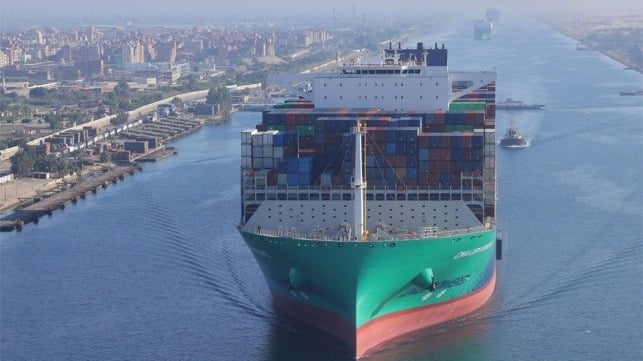
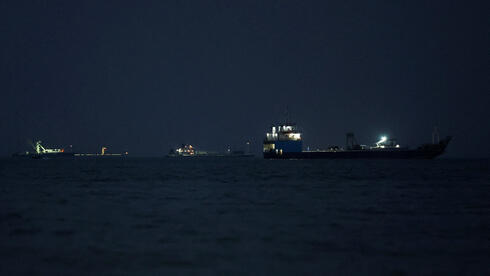
The United States has moved from reactive defense to actively targeting Iranian supply lines and coastal enablers, enforcing a naval blockade, boarding an Iran‑linked tanker, and striking coastal radar, while Iranian ballistic missile and drone attacks on Kuwait and Bahrain sustain a ‘CRITICAL’ maritime threat. Shipping diversions and rising logistics costs are mounting, with Suez surcharges set to increase in mid‑July.
Executive summary
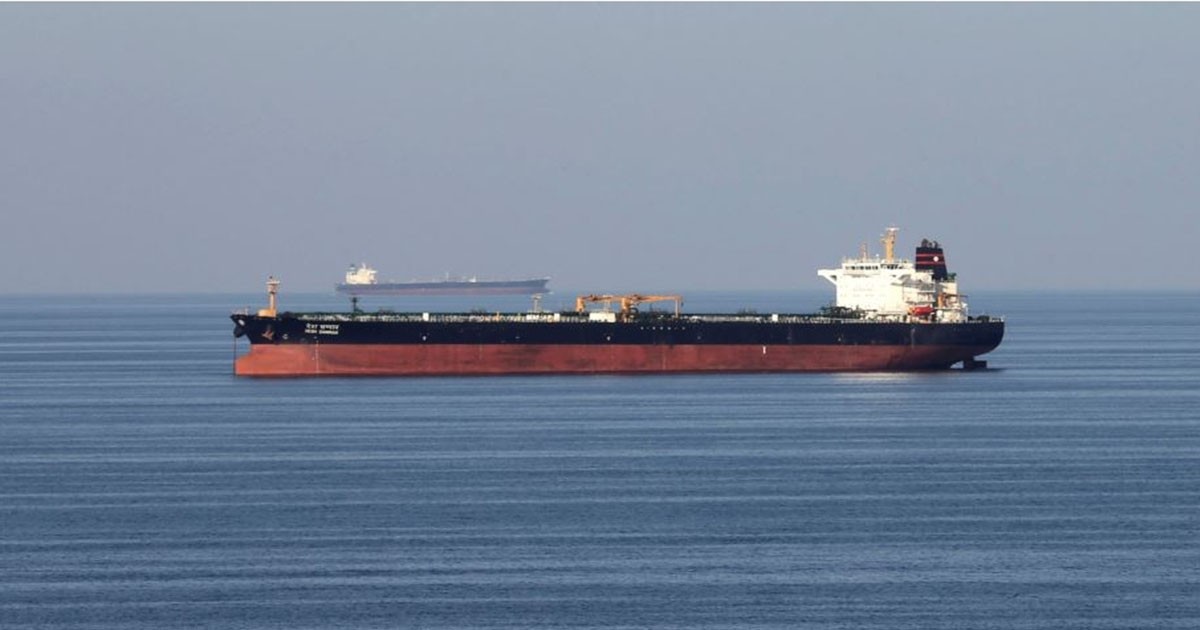
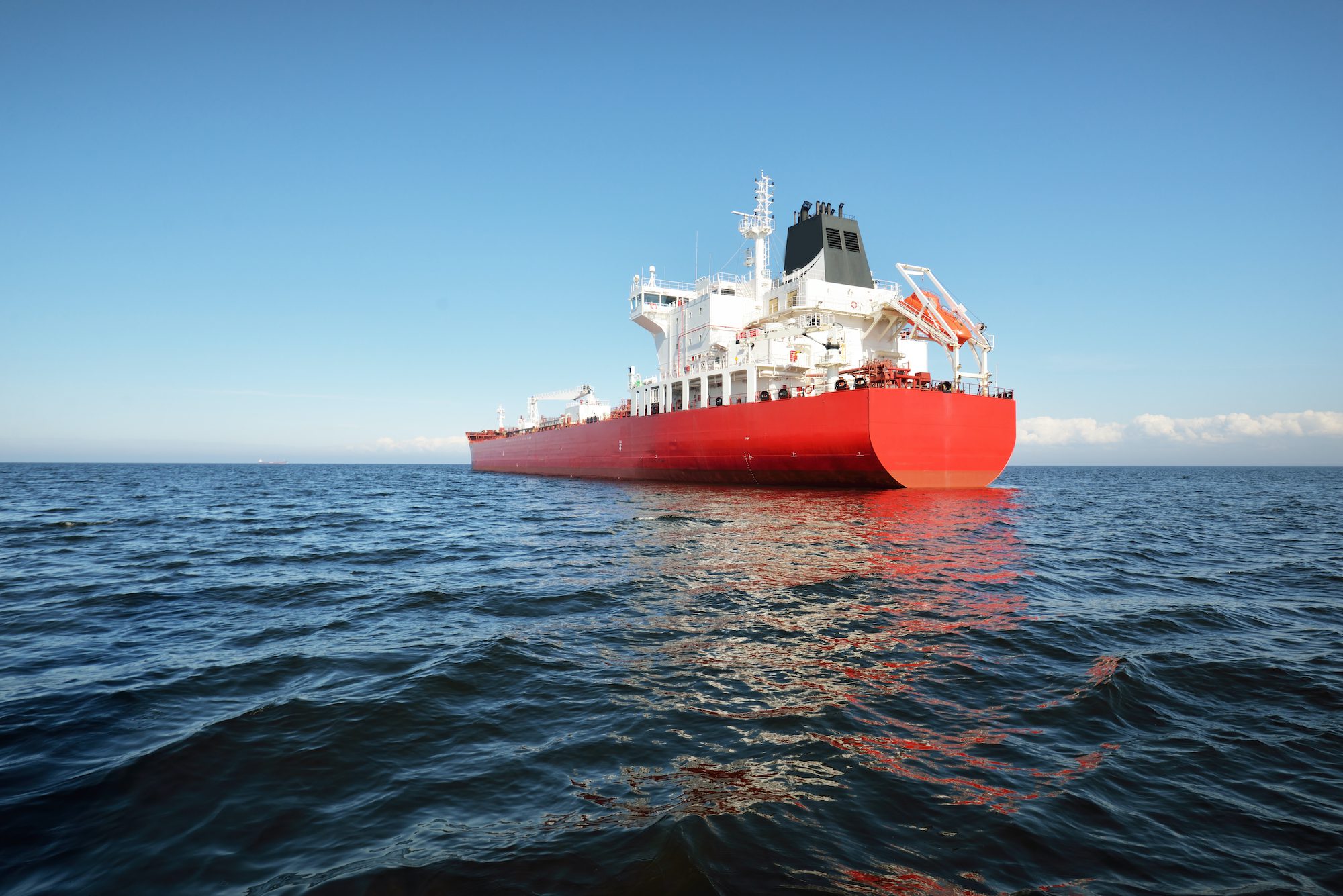
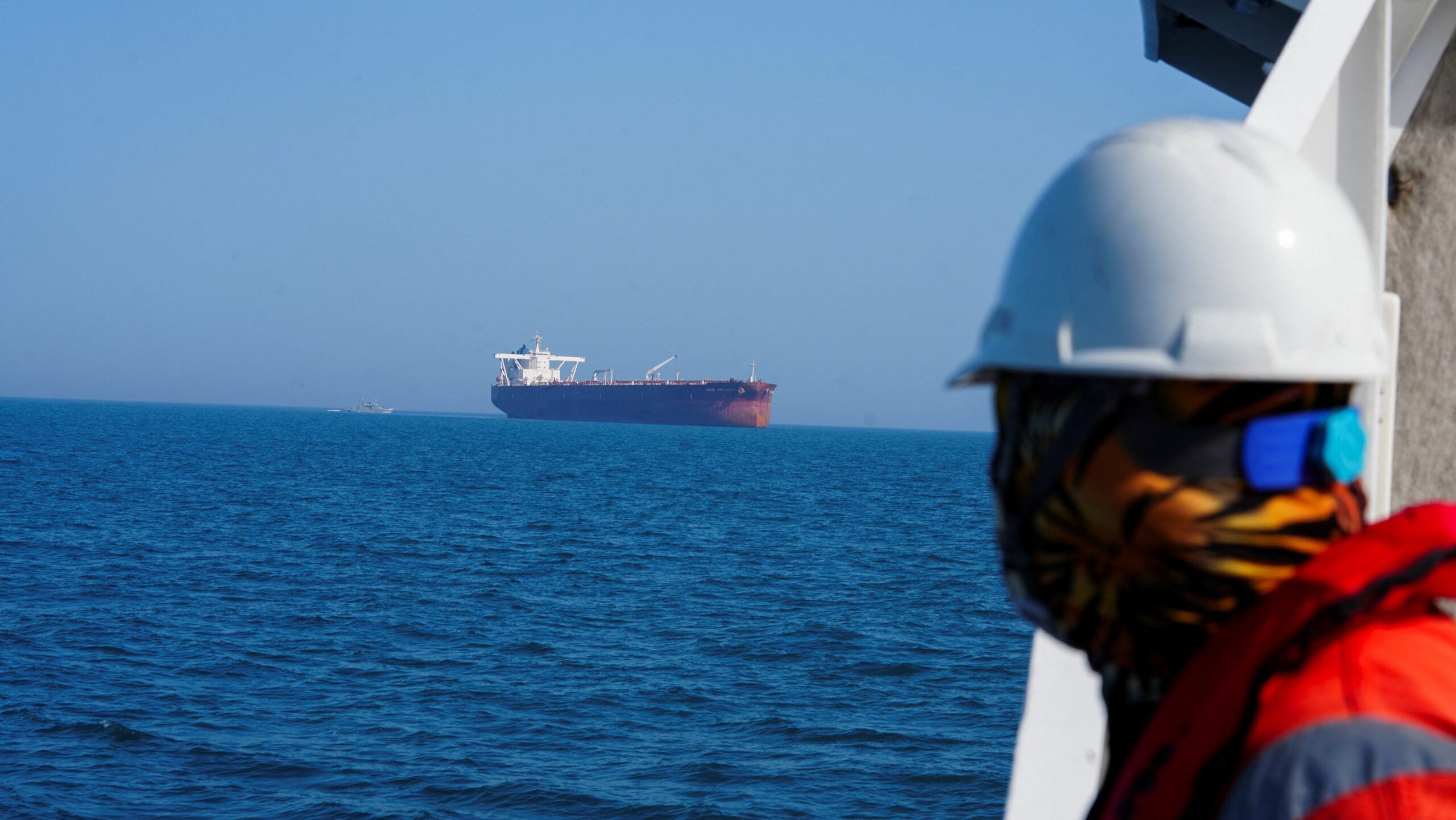
On 5-6 June 2026, U.S. forces shot down Iranian missiles and drones near the Strait of Hormuz and hit Iranian coastal surveillance radar sites, while enforcing a blockade of Iranian ports and boarding a sanctioned Iran‑linked tanker in the Indian Ocean. Iran fired seven ballistic missiles toward Kuwait and Bahrain (six reportedly intercepted), and Bahrain activated air‑raid sirens, underscoring a persistent high‑threat environment the Joint Maritime Information Center classifies as ‘CRITICAL.’ Major carriers are avoiding key routes, diversions around the Cape are adding two to four weeks to voyages, and aid shipping and freight costs are spiking; Suez Canal surcharges will climb on 15 July. Israeli strikes in southern Lebanon and continued Hezbollah fire into northern Israel add escalation risk. Despite U.S. actions, reporting indicates Iran retains substantial weapons capacity as the campaign imposes U.S. costs and attrition, and U.S. advisories warn of targeting risk to U.S.‑linked locations in the UAE.
Key judgments
- The United States very likely shifted to an active campaign against Iranian supply lines and coastal targeting enablers on 5-6 June, enforcing a blockade of Iranian ports, boarding an Iran‑linked sanctioned tanker in the Indian Ocean, and striking Iranian coastal surveillance radar that cues attacks in the Strait of Hormuz. (Confidence: high)
- Iran very likely intends to sustain pressure on U.S. partners Kuwait and Bahrain with ballistic missiles and drones, keeping the maritime security environment at ‘CRITICAL’ even as many threats are intercepted. (Confidence: high)
- Global logistics tied to the Middle East are almost certainly being disrupted: diversions around the Cape of Good Hope add two to four weeks to transits; humanitarian sea, air, and trucking costs are surging; and Suez Canal surcharges will increase in mid‑July, with higher crude and product tanker surcharges compounding pressures. (Confidence: high)
- Despite U.S. interdictions and strikes, Iran likely retains substantial missile and UAV capacity, while U.S. operations are incurring notable financial costs and materiel attrition (including reported aircraft losses and missile stock depletion), constraining sustainment if the blockade endures. (Confidence: medium)
- The threat to U.S.‑linked targets in the United Arab Emirates is high and likely to persist, as Iranian leadership publicly threatened U.S.‑associated locations and U.S. authorities issued aviation cautions and ordered non‑essential personnel to depart in March. (Confidence: high)
- The Israel, Hezbollah front is likely to remain volatile in the near term, as Israeli airstrikes in southern Lebanon and continued Hezbollah fire into northern Israel create escalation pathways that could complicate U.S. force protection and cross‑Levant logistics. (Confidence: medium)
- Energy market volatility is likely to persist: while disruptions and carrier rerouting are straining flows through Hormuz and adjacent chokepoints, the EIA’s lower demand outlook and high U.S. net exports could cap sustained price spikes, though reporting on the degree of ‘closure’ versus continued vessel transits is conflicting. (Confidence: medium)
Outlook & scenarios
Baseline: Sustained blockade and tit‑for‑tat strikes constrain Hormuz traffic, 60%
CENTCOM continues to enforce a blockade of Iranian ports and interdict Iran‑linked shipping while striking coastal enablers after intercepting inbound missiles and drones. Iran keeps targeting Kuwait and Bahrain with periodic salvos that are largely intercepted, maintaining a ‘CRITICAL’ risk rating in the Arabian Gulf. Major carriers avoid high‑risk corridors, diversions around the Cape persist, and July Suez surcharges lift freight further. Humanitarian shipments to the Horn of Africa and Yemen face multi‑week delays, elevating needs assessments. Israeli, Hezbollah exchanges continue without a decisive ground move, sustaining regional escalation risk but short of a broader war.
Negotiated de‑escalation: Partial reopening with guarded transits, 35%
Indirect U.S., Iran talks secure a limited framework that pauses coastal strikes and curbs Iranian launches, enabling escorted or time‑windowed merchant traffic through Hormuz while U.S. interdictions focus on clearly sanctioned flows. The maritime threat rating eases but remains elevated; carriers gradually resume selected routes as insurers adjust. Freight costs stabilize at a higher plateau, and humanitarian pipelines regain predictability. Israeli, Hezbollah fire tapers in parallel with diplomatic pressure.
Breakout escalation: Iranian salvos surge to break the blockade, 25%
Iran concentrates missile and UAV attacks on Kuwait, Bahrain, and maritime corridors to overwhelm defenses and force a rollback of the blockade. CENTCOM expands strikes beyond coastal radar to additional supply‑chain nodes. Vessel operators suspend most Gulf calls, and diversions intensify; energy and aid flows tighten abruptly. Insurance and freight spike; Suez routes remain costly, and alternative corridors struggle to absorb volumes. Regional actors posture more aggressively along the Israel, Lebanon front, compounding risk.
Recommendations
- Establish a daily maritime risk product fusing CENTCOM intercept reports, Joint Maritime Information Center alerts, and carrier routing notices to produce a 72‑hour outlook for Hormuz, the Gulf of Oman, and the Red Sea.
- Prioritize collection on Iranian coastal surveillance radars, UAV launch/storage areas, and tanker logistics nodes that enable strikes or sanctions evasion; track boardings and seizures linked to sanctioned oil flows.
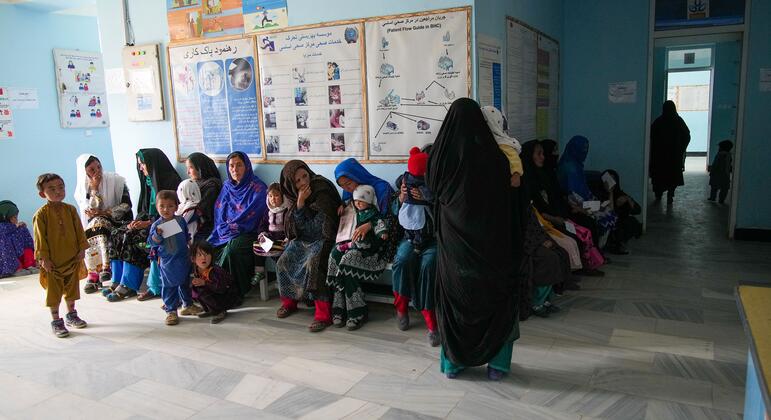
- Develop a shipping disruption dashboard quantifying diversions, added days at sea, and cost pass‑throughs to aid pipelines (sea, air, trucking) to Somalia, South Sudan, the DRC, Yemen, and Afghanistan; brief impacts weekly.
- Alert U.S. missions and commercial operators in the UAE to the elevated targeting risk; update route, facility hardening, and shelter‑in‑place plans in light of FAA advisories and State ordered departure history.
- Coordinate with energy analysts to monitor July Suez surcharge changes and tanker surcharge uplifts; assess downstream effects on refined product availability and U.S. retail fuel exposures.
- Map Israeli, Hezbollah strike patterns alongside NASA thermal detections to identify escalation indicators that would affect U.S. force protection and cross‑Levant logistics.
- Track humanitarian and commercial carriers’ resumption or avoidance of Hormuz/Suez corridors; identify trigger conditions (escorted convoys, reduced missile launches) that would justify revised risk ratings.
- Catalogue and monitor reported U.S. aircraft and missile stock attrition to assess sustainment risk under a prolonged blockade posture; integrate with reporting on Iranian retained missile/UAV capacity.
Confidence & uncertainty
Overall confidence is medium. Multiple high‑reliability sources and official statements corroborate U.S. interceptions, strikes on Iranian coastal radar, blockade enforcement, the boarding of an Iran‑linked tanker, and Iranian missile activity against Kuwait and Bahrain, as well as the ‘CRITICAL’ maritime threat rating and documented logistics cost surges. Confidence is reduced by conflicting reporting on the degree of Strait of Hormuz ‘closure’ versus continued vessel transits, discrepancies in timing and casualty details around Israeli strikes in southern Lebanon, and medium‑reliability single‑source reporting on U.S. costs, losses, and Iranian retained capacity. These uncertainties most affect estimates of durability of the blockade posture, shipping normalization timelines, and escalation risk.