TLP:CLEAR · Disclosure is not limited.
U.S.-Iran Escalation: intensified strikes and policy shifts in the Persian Gulf
Time window: Last 1 day · Audience: General analyst · Type: Situation report · DTG: 2026-07-15 15:18Z · Overall confidence: HIGH
BLUF
The U.S. conducted intensified strikes against Iranian coastal defense systems on 15 July 2026, killing seven Iranian troops and wounding 260 people. President Trump reversed his proposed 20 per cent cargo fee for Strait of Hormuz transits within 24 hours, shifting to seek Gulf state trade and investment commitments. Iran's paramilitary Revolutionary Guard threatened to halt all Middle Eastern energy exports if the naval blockade continues, raising regional energy security risks.
Executive summary
U.S.-Iran military exchanges intensified on 15 July 2026 as U.S. forces struck Iranian coastal defence systems and cruise missile sites in Greater Tunb Island and Bampur, claiming destruction of strategic capabilities. The U.S. reimposed its naval blockade while Trump abruptly abandoned the 20 per cent cargo fee proposal announced the previous day. Iran responded with threats to halt regional energy exports and condemnation through diplomatic channels. Oil prices rose 1 per cent amid heightened tensions while casualty figures from strikes continue to emerge through Iranian official channels. Oman has confirmed the Strait cannot return to pre-war transit arrangements, signalling permanent changes to regional maritime governance.
Change from previous assessment
The U.S. has intensified its airstrikes against Iranian military targets beyond the five-hour wave reported in the previous brief, now targeting coastal artillery and missile storage sites near Greater Tunb Island. Trump has abandoned his proposed 20 per cent cargo fee for Strait transits after strong Gulf Arab opposition, shifting to seek investment commitments instead. Iranian threats have evolved from targeting specific port facilities to announcing potential closure of all regional energy export corridors. Oman has publicly confirmed no return to pre-war transit arrangements, a significant shift from previous diplomatic ambiguity. Oil prices, after exceeding $86 per barrel in the prior assessment, have extended gains by 1 per cent to approach $87.
Key judgments
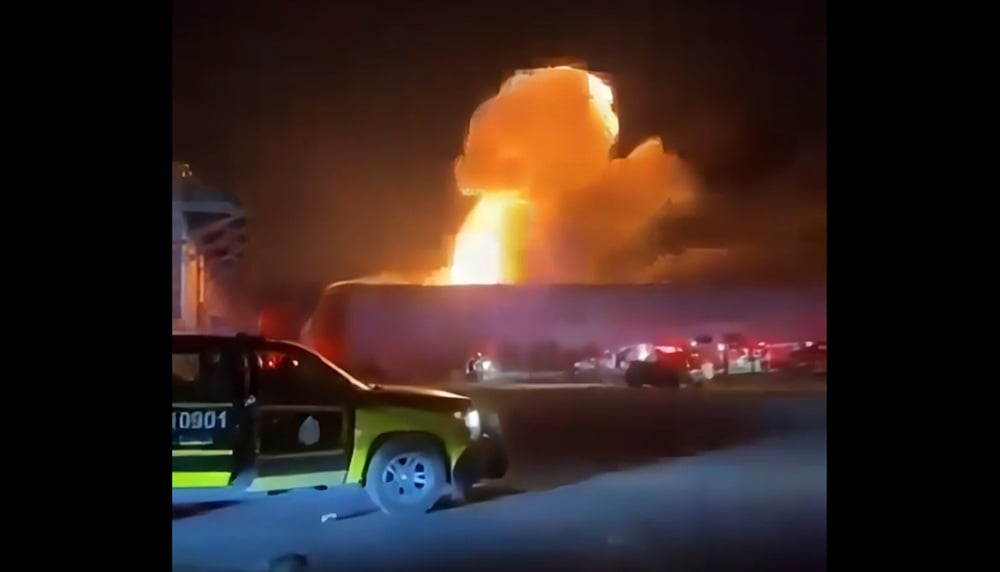
- The U.S. very likely conducted intensified strikes against Iranian coastal defence systems and cruise missile sites on 15 July 2026, killing seven Iranian troops and wounding 260 people. (Confidence: high · REPORTED)
- I&W: U.S. Central Command releases time-stamped imagery of strike sites at Bandar Abbas Naval Base (0-24 hours)
- I&W: Iranian authorities revise casualty figures upward by more than 25 per cent within 48 hours (1-3 days)
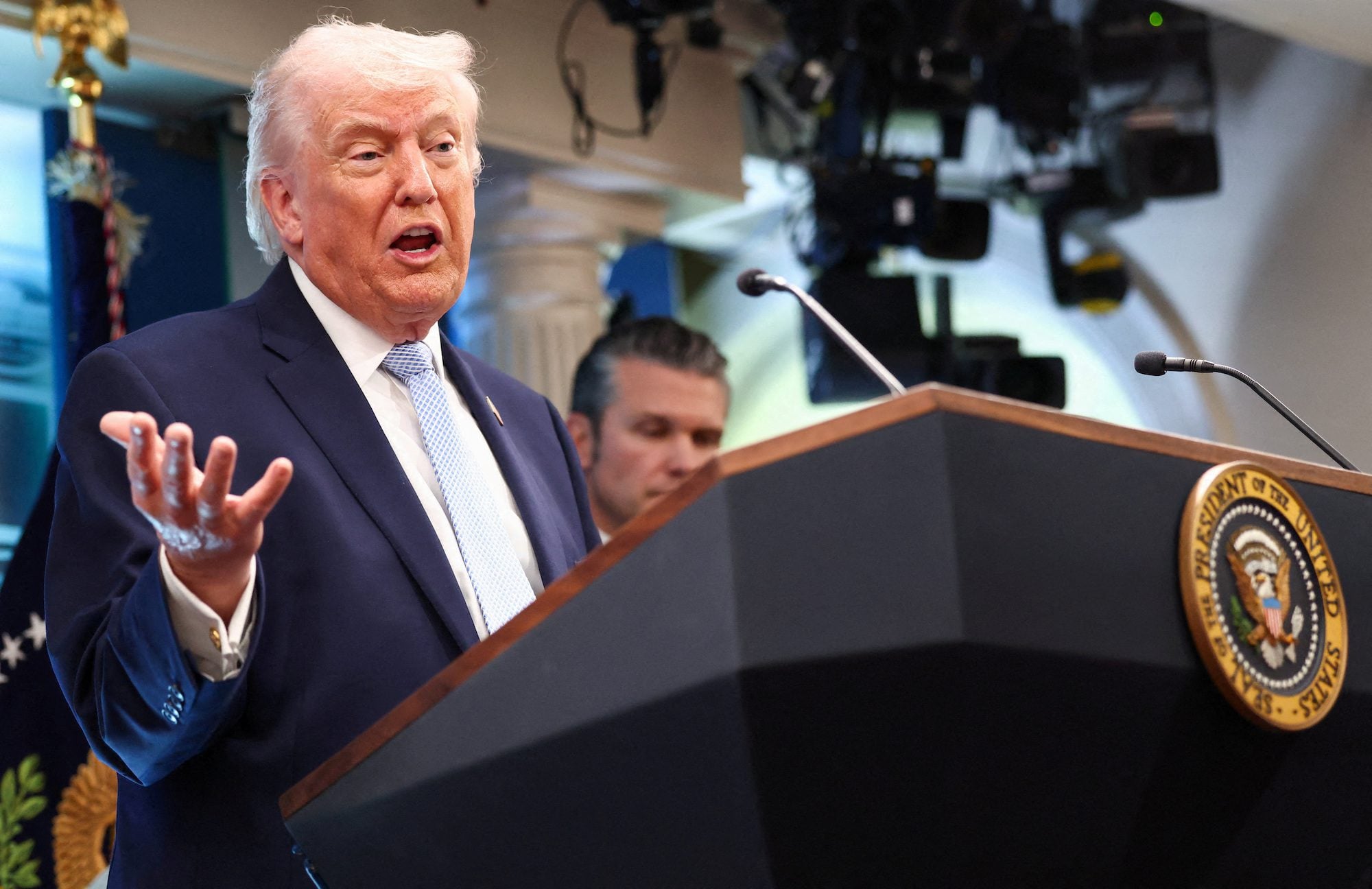
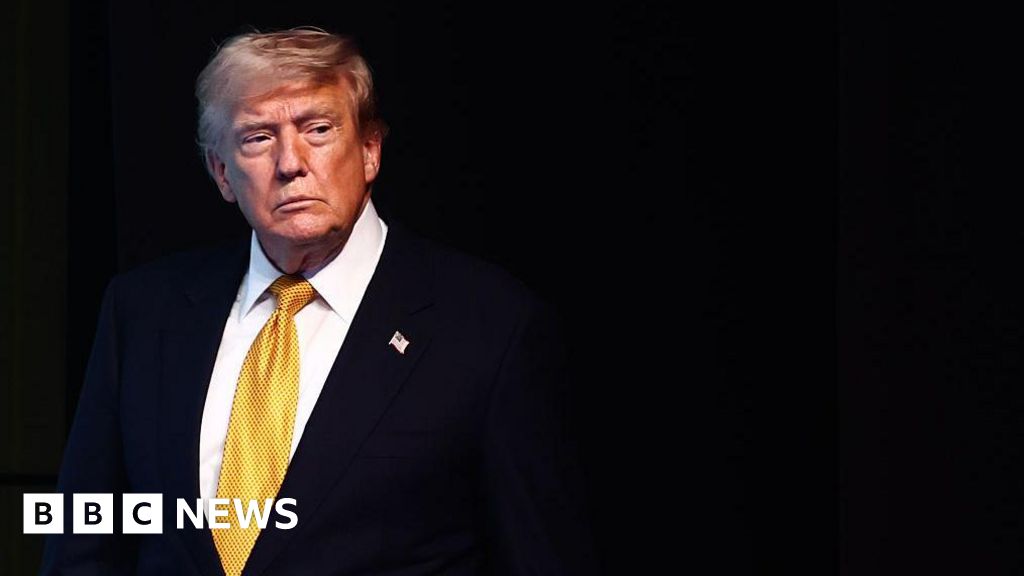
- President Trump very likely abandoned his proposed 20 per cent cargo fee for Strait of Hormuz transits within 24 hours of announcement, shifting to seek trade and investment commitments from Gulf states. (Confidence: high · REPORTED)
- I&W: State Department publishes formal agreement text detailing Gulf investment commitments (1-2 weeks)
- I&W: Saudi Arabia and United Arab Emirates issue joint statement rejecting payment terms for Gulf energy exports (3-7 days)
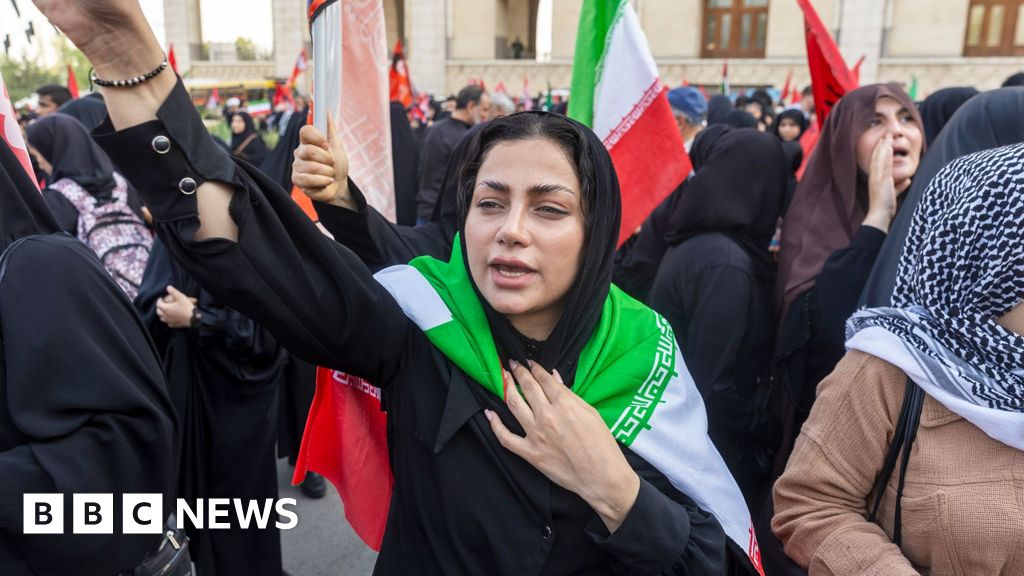
- Iran's paramilitary Revolutionary Guard very likely threatened to halt all Middle Eastern energy exports if U.S. maintains naval blockade against Iranian ports. (Confidence: high · REPORTED)
- I&W: Iran halts LNG shipments from Kharg Island terminal beyond 24-hour maintenance window (3-7 days)
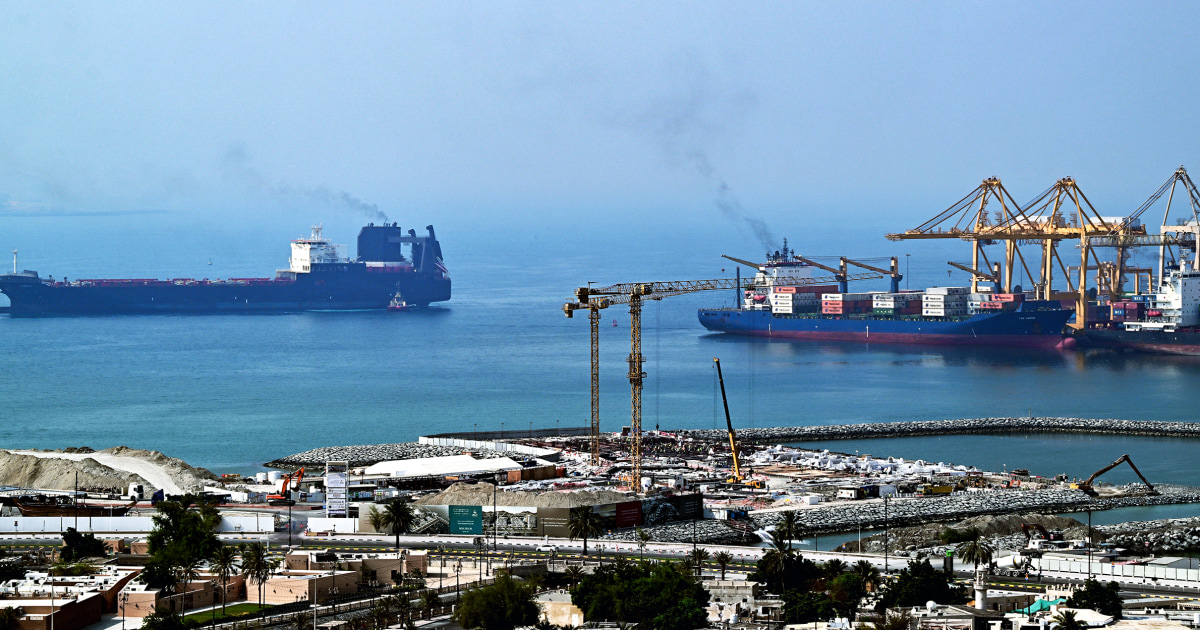
- I&W: Joint Maritime Information Center raises Strait of Hormuz alert status from SEVERE to CRITICAL (0-48 hours)
- Iranian authorities are likely using the Strait of Hormuz crisis to advance their claim of permanent sovereignty over transiting vessels, with little prospect of returning to pre-June transit arrangements. (Confidence: medium · ASSESSED)
- I&W: Iran establishes new 'Persian Gulf Strait Authority' procedures requiring 72-hour notice for all transiting vessels (1-2 weeks)
- I&W: Oman publicly acknowledges its limited ability to influence Iranian control demands for Strait transits (0-7 days)
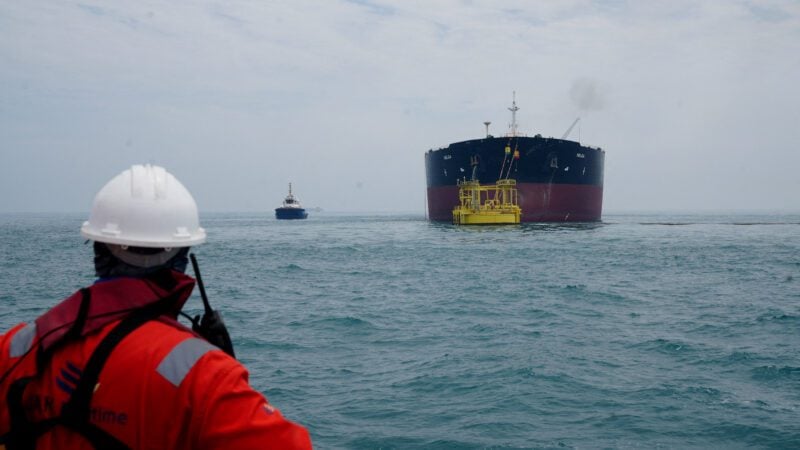
- The conflict escalation very likely reduced Iranian oil export capacity by 40 per cent as sanctions and strikes degrade refining infrastructure, while raising global oil prices. (Confidence: high · ASSESSED)
- I&W: International Energy Agency reports Iranian crude oil exports below 600,000 barrels per day (1-2 weeks)
- I&W: Brent crude price exceeds $90 per barrel for sustained two-week period (2-4 weeks)
Outlook & scenarios
De-escalation through renewed diplomacy (25%)
Within four weeks, U.S. and Iran accept Oman-mediated talks leading to mutual de-escalation. Washington lifts maritime blockade in exchange for Tehran halting retaliatory strikes and allowing International Atomic Energy Agency inspections of previously restricted sites. Oil prices stabilise around $80 per barrel as commercial shipping gradually resumes standard transit patterns through the Strait.
Prolonged attritional conflict in Gulf waters (40%)
U.S.-Iran hostilities become entrenched over six months with recurring tit-for-tat strikes and missile exchanges. Iranian Revolutionary Guard operations against Western shipping intensify using regional proxies, while U.S. expands drone warfare and electronic countermeasures. Commercial shipping continues at reduced capacity through narrow Strait corridors under U.S. naval protection, maintaining oil prices between $85-$95 per barrel. Third-party actors like India and China push for alternative maritime corridors including Arctic routes.
Iran escalates by closing Bab el-Mandeb strait (15%)
Iran directs Houthi forces to significantly increase attacks against vessels transiting the Red Sea's Bab el-Mandeb strait, effectively blocking alternative shipping routes by November 2026. This forces global shipping companies to reroute cargo around Africa for the second time in two years, triggering sustained oil price surges above $110 per barrel and straining international supply chains. Multinational naval forces respond with coordinated strikes against Houthi command centres in Yemen.
U.S. targeted strike on Iran's nuclear facilities (20%)
Following continued Iranian attacks on allied bases in Bahrain and Kuwait, the U.S. conducts precision strikes against Iranian nuclear research sites including the Fordow facility by October 2026. Iran retaliates with attacks on U.S. personnel across the region, potentially involving chemical weapons. International sanctions on Iran tighten significantly while nuclear negotiations collapse, prolonging hostilities for over a year. Oil prices exceed $100 per barrel amid supply disruption fears.
Recommendations
- Track vessel traffic density through AIS Stream feeds in the Strait's northern sector to detect early signs of Iranian closure measures
- Coordinate with Omani authorities on humanitarian shipping corridor verification procedures to mitigate unintended civilian impact
- Establish contingency planning for energy sector clients regarding potential Bab el-Mandeb closure within 12 weeks
- Monitor Royal Navy autonomous surface vessel deployment patterns for insights into evolving maritime warfare tactics
- Advise commercial shipping clients to consider Arctic route alternatives for China-Europe cargo given reduced congestion and emissions benefits
Confidence & uncertainty
Overall confidence is assessed as high due to multiple corroborated source streams including military official statements, international media coverage, and commercial shipping data. The strikes against Iranian facilities are confirmed through U.S. Central Command announcements, Iranian casualty reports, and location-specific strike details. Trump's reversal on the cargo fee is attested by presidential communications, Gulf Arab diplomatic reactions, and policy analysis. Iranian energy export threats are documented through Revolutionary Guard statements, official IRIB broadcasts, and diplomatic channels. Key uncertainties remain around casualty verification and the operational effectiveness of Iranian threats, but core developments are consistently reported across high-reliability sources.
Intelligence gaps
- [EEI 1.1 · UNCOVERED] Concentrations or unusual movements of IRGC-Navy fast attack craft, small boat swarms, or escort vessels within 200 km of U.S./allied ships, including approach distances and formation changes. Recommended collection: maritime/AIS
- [EEI 1.2 · UNCOVERED] Detected pre-launch activity at coastal missile or rocket batteries (vehicle dispersal, fuel/warhead handling, radars powering up, transport erector launchers moving to firing positions). Recommended collection: imagery/signals
- [EEI 1.3 · UNCOVERED] Increased launch/arming/positioning of armed UAVs (MALE/loitering munitions) or tactical aircraft at Iranian coastal bases with sortie generation rates and munitions loadouts. Recommended collection: air/ADS-B/imagery
- [EEI 1.4 · UNCOVERED] Command-and-control indications of attack orders or elevated rules-of-engagement from IRGC/General Staff (intercepted communications, internal order messages, force-wide alert messages). Recommended collection: signals/human
- [EEI 2.1 · UNCOVERED] Public statements or state-media broadcasts from Supreme Leader, President, Minister of Defense, or IRGC commanders indicating authorization, restraint, or conditions for retaliation. Recommended collection: open-source
- [EEI 2.2 · UNCOVERED] Issuance of formal orders, mobilization directives, travel restrictions, or official internal communications within IRGC/Armed Forces indicating escalation posture or stand-down. Recommended collection: human/diplomatic
- [EEI 2.3 · UNCOVERED] Directives, logistics movements, or communications from Iranian commanders to regional proxy militias (Houthis, Iraqi Shia militias, Lebanese groups) that change their threat posture or task them with specific operations. Recommended collection: signals/human
- [EEI 2.4 · UNCOVERED] Changes in Iran's diplomatic exchanges with key states (offers of negotiation, warnings, or coordination with Russia/China) or requests for deconfliction with maritime/naval actors. Recommended collection: diplomatic
- [EEI 3.1 · UNCOVERED] Incidents involving commercial vessels within the Strait of Hormuz or Persian Gulf: attacks, boarding attempts, near-misses, AIS spoofing or deliberate AIS outages, including vessel IDs and locations. Recommended collection: maritime/AIS
- [EEI 3.2 · UNCOVERED] Discovery or reporting of naval mines, unexploded ordnance, or damage to fixed maritime infrastructure (oil platforms, terminals, pipelines) with geolocated imagery or on-scene assessments. Recommended collection: imagery/open-source
- [EEI 3.3 · UNCOVERED] Commercial indicators of disruption: sudden increases in war-risk insurance premiums for Gulf transits, vessel re-routing decisions, port throughput reductions, or charter cancellations for Gulf shipments. Recommended collection: financial/commercial
- [EEI 3.4 · UNCOVERED] Movements or posture changes of regional state navies/air forces (Saudi, UAE, Kuwait, Bahrain, UK) such as task group departures, airbase dispersals, or announced maritime patrols near choke points. Recommended collection: open-source/imagery
Cited sources
[1] Reuters · US launches new round of strikes against Iran as escalation threatens shipping (A) · sha256:5e11d21a043f [2] military.com · Tehran Threatens to Halt All Mideast Energy Exports After US Reimposes Its Blockade on Iran (B) · sha256:f0015118e0df [3] meduza.io · США семь часов наносили удары по Ирану и возобновили морскую блокаду. Трамп пригрозил атаковать иранские электростанции и мосты (B) · sha256:de0fddd8ed16 [4] ynetnews.com · US renews naval blockade and attacks military targets in Iran 'to destroy emerging threats' (B) · sha256:6921da3c8dfd [5] globalbankingandfinance.com · Iran Threatens Vital Seaway Blockades as US Renews Iran Restrictions (B) · sha256:88e2e81a2999 [6] gcaptain.com · Trump Drops Proposed 20% Hormuz Fee, Replaces It With Gulf Investment Deals (B) · sha256:c08d4550cd89 [7] bbc.com · Trump retreat over Hormuz tolls suggests struggle to end Iran war (A) · sha256:7ca3b1b32dfa [8] Bloomberg · Trump Vows Strikes on Iran's Power Plants and Bridges Unless Hormuz Reopens (A) · sha256:f20adb6eaee1 [9] ynetnews.com · The strait at the heart of the US-Iran dispute: control, transit fees and strategic islands (B) · sha256:79b25266f69c [10] Los Angeles Times · U.S. military restores blockade after Iran’s attacks on ships in the Strait of Hormuz - Los Angeles Times (A) · sha256:021fd4bc8713 [11] NBC News · U.S. launches new daylight attacks on Iran, upping pressure alongside naval blockade (A) · sha256:a14da85da38c [12] maritime-executive.com · Iran Threatens to Close Off All Oil and Gas Export Routes From Gulf Region (B) · sha256:7c6f9d9ba3f9 [13] HuffPost · Iran Threatens To Halt All Mideast Energy Exports After Trump Reimposes Naval Blockade (B) · sha256:3e417e15e13a [14] bbc.com · Iran threatens to block more trade routes as US launches fresh strikes (A) · sha256:447681551b83 [15] gcaptain.com · Seafarer Death Toll Climbs as Trump Declares Hormuz 'Open to ALL Ship Traffic' (B) · sha256:5e5db8a0853f [16] Yahoo News · Trump resumes Iran port blockade and threatens strikes on energy targets (B) · sha256:2cbce1dd7f5b [17] gcaptain.com · China Launches First Scheduled Weekly Arctic Container Service to Europe (B) · sha256:8e4a78dc7681
Source content hashes were computed at collection time; the cited text is preserved unmodified for the life of this product.
TLP:CLEAR