TLP:CLEAR · Disclosure is not limited.
U.S.-Iran strikes expand across the Gulf as Israel hardens posture, elevating regional risk
Time window: Last 1 day · Audience: General analyst · Type: Situation report · DTG: 2026-07-18 11:10Z · Overall confidence: MEDIUM
BLUF
U.S. forces are striking infrastructure inside Iran for a seventh straight night and Iran is hitting or attempting to hit U.S. and partner targets in Kuwait, Jordan and beyond, driving up maritime risk and oil prices. Israel’s more aggressive security posture narrows room for near-term de-escalation as Tehran signals Houthi leverage over the Red Sea.
Executive summary
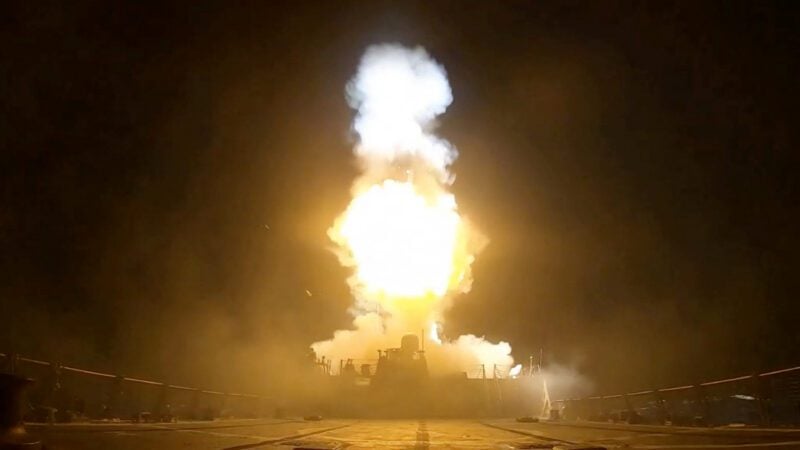
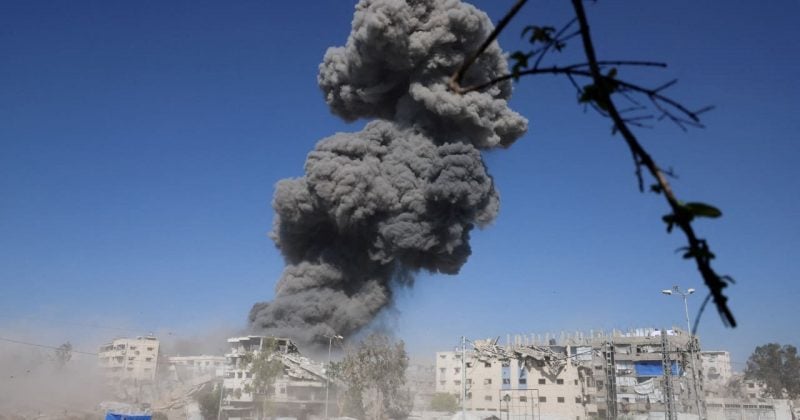
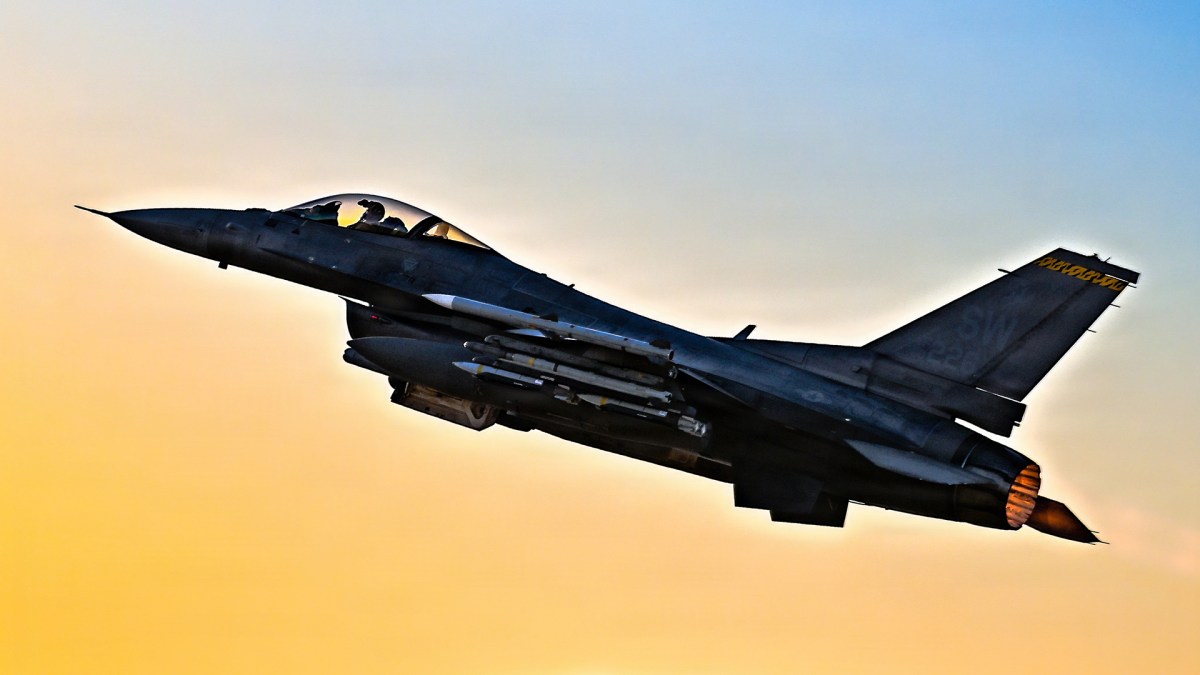
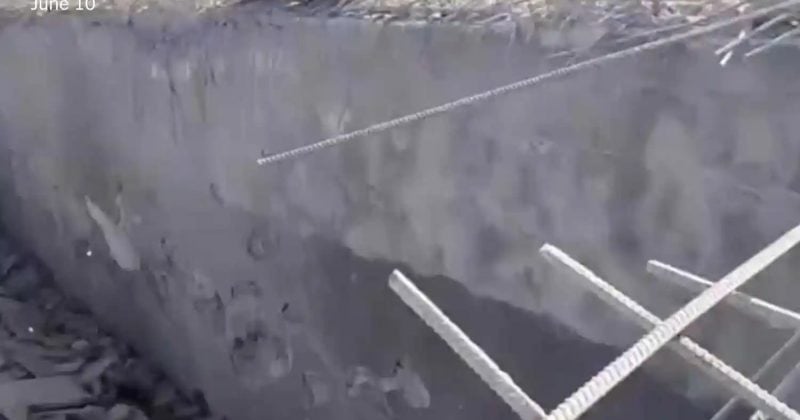
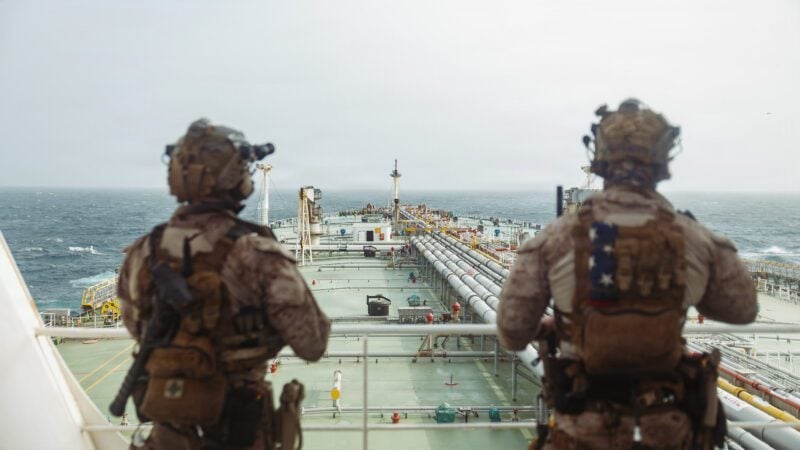
CENTCOM reported fresh strikes on 17 July against targets in Iran, including bridges, an airport and energy infrastructure in southern provinces, with fatalities reported in Hormozgan and water outages affecting an estimated 20,000 residents. Tehran retaliated by hitting a power and desalination plant in Kuwait and claiming strikes on U.S. assets in Bahrain, Jordan and Kuwait, and firing at the U.S. garrison at Tanf in Syria; Jordan intercepted multiple Iranian missiles. Explosions were heard in Doha amid Iranian claims against Qatar that remain unverified. U.S. embassies issued travel warnings and oil prices rose to about 86 dollars as INTERTANKO warned ships are likely to remain targets. The United States restored a blockade on Iranian ports and U.S. Marines boarded a tanker in the Strait of Hormuz. Iran has asked the Houthis to be ready to close the Red Sea oil route if U.S. strikes hit Iranian power infrastructure. Reporting highlights Israel’s shift to a more aggressive, pre-emptive security posture, which markets read as reducing the odds of near-term diplomacy with Hezbollah.
Change from previous assessment
Since the 17 July brief, reporting confirms a seventh consecutive night of U.S. strikes including bridges, an airport and energy assets, with fatalities and utility disruptions in Hormozgan, and a U.S. strike on a port surveillance tower. Kuwait publicly reported a hit on a power and desalination plant, and Jordan intercepted Iranian missiles; Iran also reported firing at the U.S. base at Tanf. The United States restored a blockade on Iranian ports and U.S. Marines boarded a tanker, while oil prices moved to about 86 dollars and U.S. embassies issued travel warnings. Iran’s signalling to the Houthis on the Red Sea and fresh coverage of Israel’s aggressive security posture have been added to the assessment. Confidence on Iranian claims regarding Qatar and Bahrain remains limited pending corroboration, and missile interception counts in Jordan are inconsistent across sources. This is an initial assessment of this topic for this run with updates against the prior brief’s baseline.
Key judgments
- U.S. forces have very likely conducted a sustained strike campaign inside Iran for at least seven consecutive nights, hitting bridges, an airport and energy infrastructure in southern provinces, with reported fatalities and service disruptions. (Confidence: high · REPORTED)
- I&W: CENTCOM issues detailed battle damage assessments naming specific bridges, the airport and power assets struck, with corroborating imagery. (0-14 days)
- I&W: No new CENTCOM strike announcements and no fresh explosion reports in Hormozgan or Yazd by Iranian outlets for 48 hours. (0-14 days)
- Iran very likely retaliated on 17 July by striking or attempting to strike U.S. and partner targets in Kuwait, Jordan, Bahrain and Syria, including a hit on a Kuwaiti power and desalination plant and fire at the U.S. garrison at Tanf; claims regarding Qatar and Bahrain remain to be corroborated. (Confidence: medium · REPORTED)
- I&W: Kuwait’s electricity and water ministry publishes a detailed damage and outage report for the struck plant, and Bahrain or Qatar issue official statements acknowledging attempted or successful strikes. (0-14 days)
- I&W: No further Iranian strike claims against GCC bases and no GCC government acknowledgements by early August. (1-3 months)
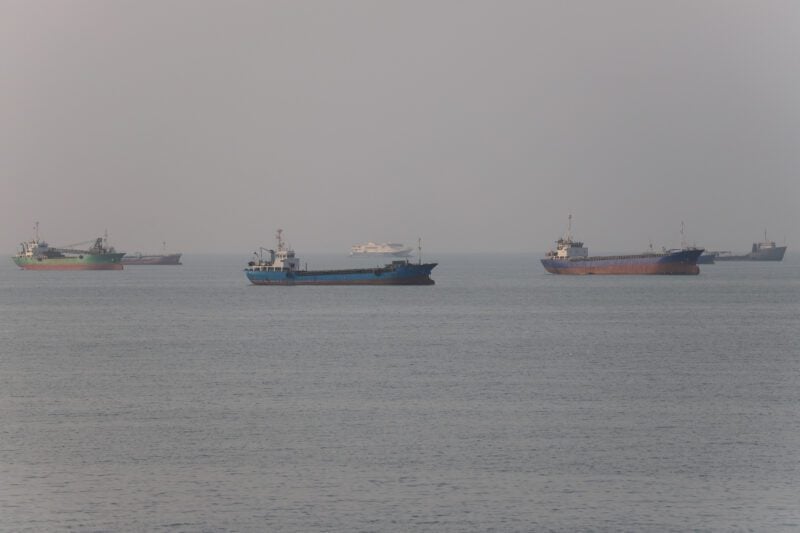
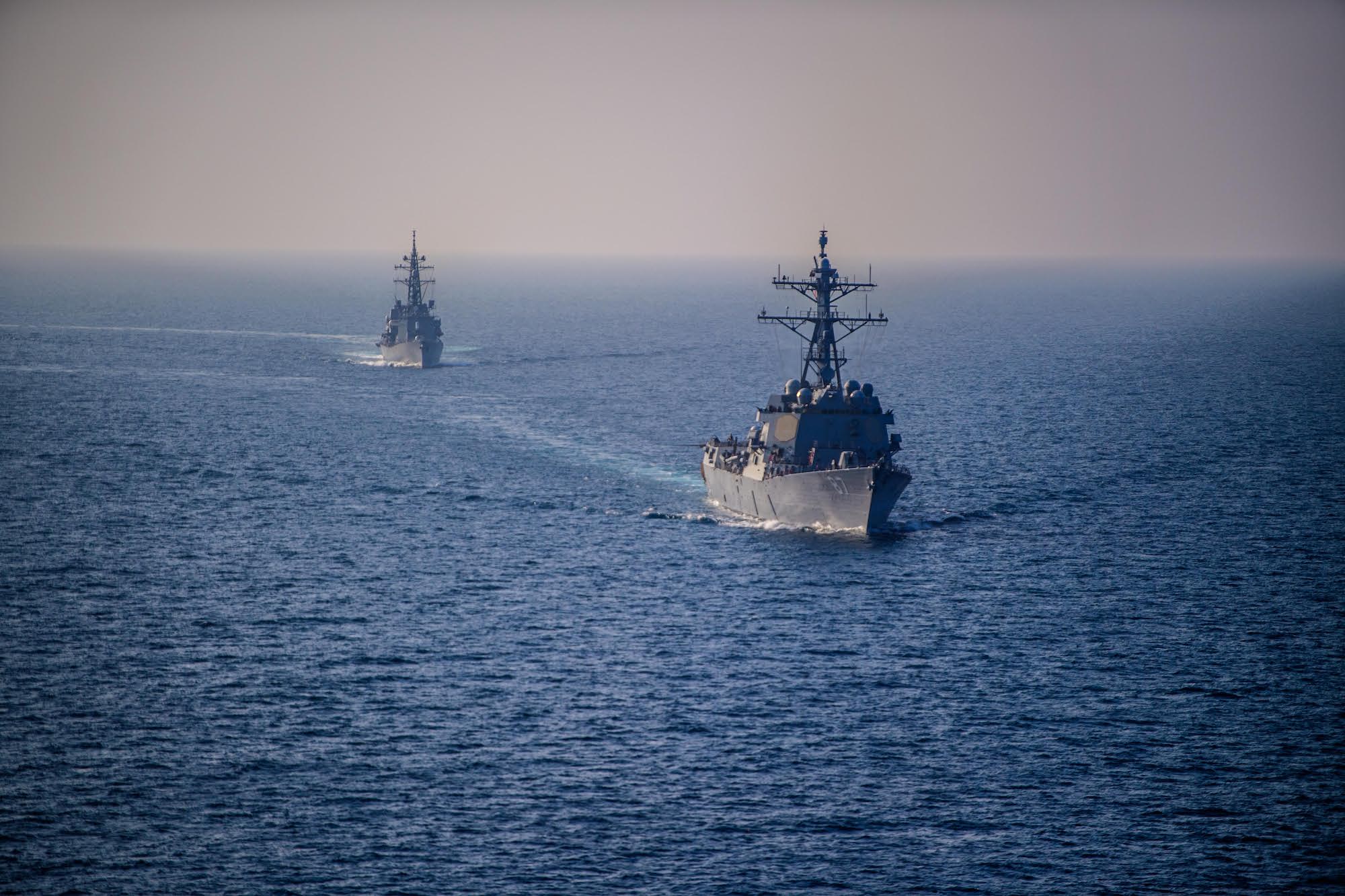
- Maritime risk in and around the Strait of Hormuz and the Gulf of Oman is very likely acute, with multiple Iran-linked attacks on commercial vessels since late June, a restored U.S. blockade, and industry warning that ships will remain significant targets. (Confidence: high · REPORTED)
- I&W: Another UKMTO advisory of a missile, drone or boarding incident within 30 nm of the Strait of Hormuz, or additional U.S. boarding operations announced by CENTCOM. (0-14 days)
- I&W: Sustained increase in daily Hormuz transits reported by commercial trackers alongside two consecutive weeks without UKMTO incident reports in the area. (1-3 months)
- Regional security risk to U.S. personnel and civilians is very likely elevated, reflected in missile interceptions over Jordan, reported U.S. casualties in Jordan, and travel warnings issued by U.S. embassies. (Confidence: high · REPORTED)
- I&W: Additional U.S. embassy security messages elevating threat levels or movement restrictions in Israel, Jordan, Kuwait, Qatar or Bahrain. (0-14 days)
- I&W: Public downgrade or withdrawal of embassy warnings across affected posts. (1-3 months)
- Oil prices have likely risen in response to the escalation and are likely to remain elevated while mutual strikes and shipping threats persist. (Confidence: medium · ASSESSED)
- I&W: Brent trades and settles above 85 dollars and spikes on any verified hit on GCC energy infrastructure. (0-14 days)
- I&W: Brent retraces below 80 dollars following a pause in strikes and a lull in maritime incidents. (1-3 months)
- Iran is very likely positioning Yemen’s Houthis to threaten the Red Sea oil route if U.S. strikes degrade Iranian power infrastructure, raising spillover risk into the Bab el Mandeb in the coming weeks. (Confidence: high · REPORTED)
- I&W: Houthi announcements or action targeting oil shipping lanes in the Red Sea linked to U.S. strikes on Iranian power assets. (0-30 days)
- I&W: Absence of Houthi threats or attacks following additional U.S. strikes on Iranian power infrastructure. (0-30 days)
- Israel has likely shifted to a more aggressive, pre-emptive security posture that reduces near-term prospects for diplomacy with Hezbollah. (Confidence: medium · ASSESSED)
- I&W: Additional Israeli official statements or Knesset measures reinforcing a pre-emptive doctrine and expanded operations. (1-3 months)
- I&W: Announcement of formal de-escalation talks between Israel and Hezbollah by 31 July 2026. (0-14 days)
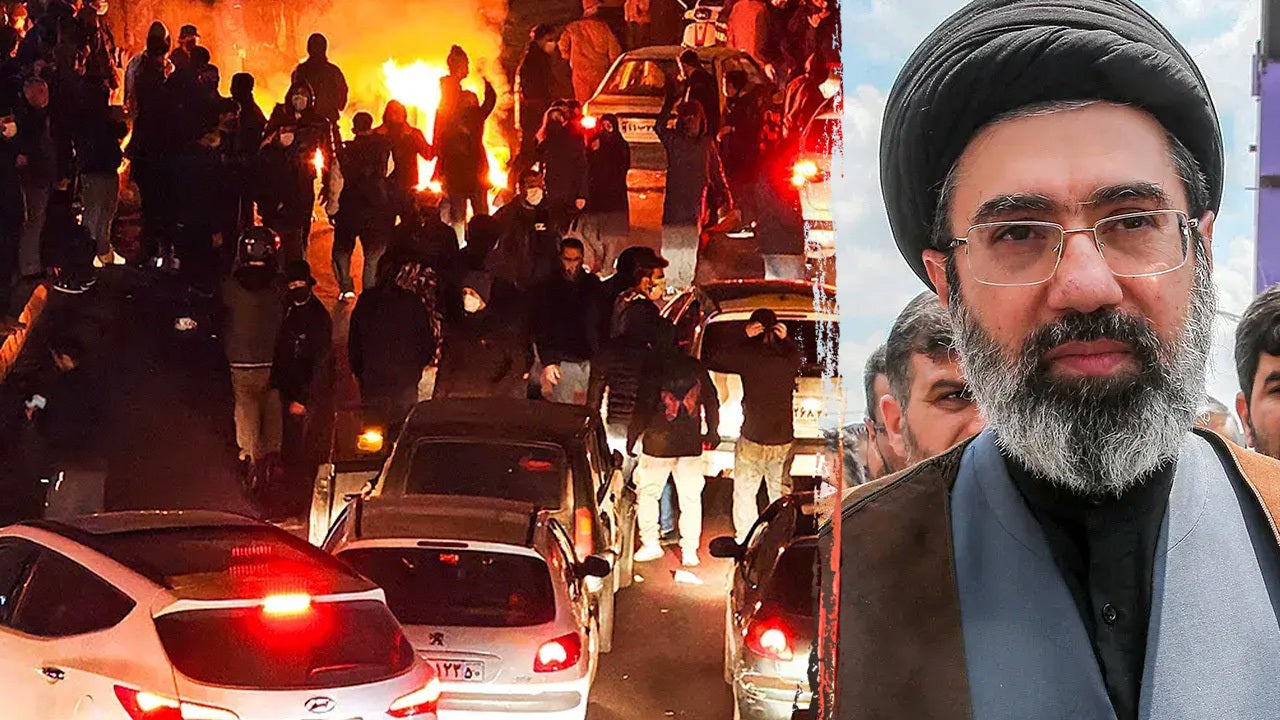
- Public discontent inside Iran is likely intense, with strong preferences for structural change and widespread economic hardship, which likely shapes Tehran’s risk calculus during this confrontation. (Confidence: medium · ASSESSED)
- I&W: Further leaks or polling showing sustained support for systemic reforms and reports of protests across multiple provinces. (1-3 months)
- I&W: Official polling or policy steps that materially address reform demands and show rising support for the status quo. (1-3 months)
Outlook & scenarios
Managed U.S.-Iran escalation centred on Gulf theatres (60%)
CENTCOM continues nightly strikes on Iranian infrastructure and military targets while Iran persists with attacks on U.S. assets in Kuwait, Bahrain and Jordan and sporadic fire at Tanf. GCC governments harden defences and issue periodic alerts. Shipping through Hormuz remains at risk amid U.S. interdictions and industry warnings, and oil prices stay elevated around mid-80s dollars.
Horizontal spillover to the Red Sea and northern Indian Ocean (35%)
Following Iranian direction, the Houthis attempt to disrupt the Red Sea oil route, while Iran increases missile and drone harassment at sea, including claims of shots at U.S. vessels in the northern Indian Ocean. Coalition naval escorts intensify and maritime advisories expand beyond Hormuz, with further upward pressure on oil prices.
Verified strikes on Qatar or Bahrain catalyse a sharper U.S. and GCC response (25%)
Iranian claims of attacks on U.S. bases in Qatar or Bahrain are corroborated by official statements and visible damage. Washington increases strike tempo and force posture, GCC air defences surge, and commercial operators further curtail transits near Hormuz. Market pricing implies a higher probability of wider confrontation.
Recommendations
- Prioritise overhead collection on reported strike sites in Hormozgan, including bridges around Bandar Khamir, adjacent tunnels and power infrastructure, to validate damage and restoration timelines.
- Obtain liaison reporting and imagery from Kuwait’s Ministry of Electricity, Water and Renewable Energy on the struck power and desalination plant to assess outage extent and repair capacity.
- Task collection and open-source geolocation to verify Iranian claims of strikes in Bahrain and Qatar and to refine battle damage assessments at Tanf and Jordan’s Azraq Air Base.
- Maintain a consolidated maritime risk picture with UKMTO advisories, INTERTANKO guidance and CENTCOM releases; flag trips within 30 nm of Hormuz or Khasab and recent boarding or missile incidents.
- Stand up a daily energy risk note tracking Brent movements against verified strike activity and shipping incidents to inform policy customers on price exposure and contingency options.
- Activate a Houthi escalation watch: monitor declared intent and action against the Red Sea oil route following U.S. strikes on Iranian power nodes; prepare routeing advisories for U.S.-linked shipping.
- Coordinate with regional posts on security posture and travel advisories for Israel, Jordan, Kuwait, Qatar and Bahrain; compile a contact roster for U.S. contractors on or near targeted facilities.
- Track Israeli official and legislative signals on pre-emptive doctrine and cross-reference with market odds for Israel-Hezbollah engagement to anticipate windows for, or against, diplomacy.
Confidence & uncertainty
Multiple high-reliability sources and official statements corroborate sustained U.S. strikes inside Iran, Iranian retaliation including the hit on a Kuwaiti power and desalination plant, missile activity over Jordan, maritime interdictions and oil price reactions. Confidence is tempered by contradictory or unverified elements, notably conflicting counts of Jordanian interceptions and Iranian claims of strikes on Qatar and Bahrain that lack independent confirmation. Humanitarian impact figures and some infrastructure details derive from single-source or medium-reliability reporting. On balance, the body of evidence supports a medium overall confidence rating.
Alternative analysis (red cell)
Available reporting credibly documents strikes and retaliatory claims around 17 July and indicates elevated regional and maritime tensions, but the evidence is uneven, often single-source, and contains contradictions. Several key judgments overstate confidence or causal linkage (multi-night U.S. strike campaign, confirmed multi-state successful Iranian strikes, a formal U.S. blockade, durable oil-price elevation, active Houthi positioning, and an unequivocal Israeli doctrinal shift). Additional time-sequenced imagery, multi-source forensic corroboration, official logs, and transparent polling or market analyses are necessary to resolve these analytic gaps and could materially change the assessments.
Intelligence gaps
- [EEI 1.1 · UNCOVERED] Number, type, launch times, and trajectories of ballistic missiles, cruise missiles, armed UAV strikes, and combat-air sorties launched by Iranian or Israeli forces toward the other's territory or forward bases within a 72-hour window. Recommended collection: signals/intel
- [EEI 1.2 · UNCOVERED] Observable changes in Israeli and Iranian force posture: mobilization or reserve call-up orders, unit road/rail movements, dispersal or sortie rates of air squadrons, redeployment of air-defense batteries, and activation of civil-defense alerts or sirens in major population centers. Recommended collection: open-source/media
- [EEI 1.3 · UNCOVERED] Indications of strike authorization or targeting preparations in Iranian or Israeli command chains: authenticated public orders by senior commanders, detected increases in encrypted communications consistent with targeting, or visible movement of strike munitions to launch/storage sites. Recommended collection: signals/intel
- [EEI 2.1 · UNCOVERED] Counts, launch locations (coordinates), weapons types, and assessed damage from rocket/missile/drone strikes originating from Lebanon into northern Israel attributed to Hezbollah or allied groups. Recommended collection: open-source/media
- [EEI 2.2 · UNCOVERED] Reported attacks by Iranian-backed militias in Iraq and Syria: rocket/IED strikes on bases hosting US/coalition or Israeli personnel, documented militia unit movements toward borders, and captured movement or transfer of weapons systems to forward militia positions. Recommended collection: human
- [EEI 2.3 · UNCOVERED] Maritime harassment or attacks by proxies (e.g., Houthis): incidents of missile/rocket strikes against commercial vessels, small-boat swarm attacks, discovery or detonation of naval mines, and corresponding AIS anomalies in the Red Sea, Gulf of Aden, or southern Arabian Gulf. Recommended collection: maritime/AIS
- [EEI 3.1 · UNCOVERED] Movements and arrival dates of foreign military assets into the region: carrier strike groups, amphibious ships, surface combatants, strategic airlift/tanker deployments, and air/sea patrol patterns by US, European, Russian, or regional militaries. Recommended collection: imagery/satellite
- [EEI 3.2 · UNCOVERED] Concrete diplomatic and political actions: emergency UN/Arab League meetings called, official embassy evacuation orders, public declarations of intent to interpose or protect shipping/airspace, and newly announced sanctions or arms-transfer approvals tied to the conflict. Recommended collection: diplomatic
- [EEI 3.3 · UNCOVERED] Immediate commercial and market indicators: rerouting of commercial tankers and container vessels (e.g., avoidance of Bab el-Mandeb or Strait of Hormuz), sudden spikes in war-risk insurance premiums for regional sea lanes, temporary port closures, and near-term price moves in regional benchmark crude tied to incidents. Recommended collection: financial/market
Cited sources
[1] twz.com · U.S.-Iran Fight Heats Up With Mutual Strikes On Infrastructure Targets (Updated) (B) · sha256:a5e7e190db8f [2] gcaptain.com · US, Iran Each Attack Infrastructure in Risky Escalation (B) · sha256:6fbc739e47fa [3] Al Jazeera · US launches seventh straight night of strikes on Iran (A) · sha256:41adbd4299da [4] cryptobriefing.com · US airstrikes cut water to 20,000 in southern Iran amid ongoing conflict (B) · sha256:1e9a99fd6d73 [5] cryptobriefing.com · Enemy airstrikes hit bridges, tunnel in Iran's Hormozgan amid US-Iran conflict (B) · sha256:53baedeedf7f [6] npr.org · The U.S. and Iran blow past red lines as they lurch back toward all-out war (A) · sha256:863d2451d853 [7] cryptobriefing.com · Jordan intercepts 10 missiles from Iran amid regional tensions (B) · sha256:961e09501cd9 [8] ynetnews.com · US attacks Iran, Tehran claims it destroyed Bahrain’s main AI hub (B) · sha256:96c20a885e72 [9] cryptobriefing.com · Iranian Army claims attacks on US depots, Kuwait bridges, Jordan fuel reserve (B) · sha256:4de0850bd30b [10] gcaptain.com · INTERTANKO Warns Threat to Shipping Now Extends Across Gulf Region as Hormuz Transits Continue to Fall (C) · sha256:7b52e3da3037 [11] gcaptain.com · Trump Confronts Limits to US Power to Secure Strait of Hormuz (B) · sha256:809bfb926762 [12] gcaptain.com · Suspected Pirates Seize Tanker Off Yemen Coast in Gulf of Aden, Sources Say (A) · sha256:274ad2f10118 [13] marinelink.com · US, Iran Renew Conflict With Strikes on Bridge, Desalination Plant (B) · sha256:0b65ba2f9338 [14] cryptobriefing.com · Attack, not defend: Israel's rock-solid security consensus replaces passive 'stability' - opinion (B) · sha256:536708c9668a [15] Fox News · Leaked Iran report finds record public anger as regime focuses on holding power (B) · sha256:3f55a33dd592
Source content hashes were computed at collection time; the cited text is preserved unmodified for the life of this product.
Red cell review: PARTIAL DISSENT
TLP:CLEAR