TLP:CLEAR · Disclosure is not limited.
U.S., Iran: Talks Advance Amid Ongoing Strikes; Hormuz Reopening Will Be Slow and Risky
Time window: Last 7 days · Audience: General analyst · Type: Situation report · DTG: 2026-06-17 06:13Z · Overall confidence: MEDIUM
BLUF
An accord to end the war and reopen the Strait of Hormuz is likely to be tabled in Switzerland this week, but continuing U.S., Iran exchanges and the unresolved Lebanon front keep the risk of a wider regional war high. Shipping through Hormuz will very likely recover only gradually given mines, insurer caution and carrier restrictions.
Executive summary
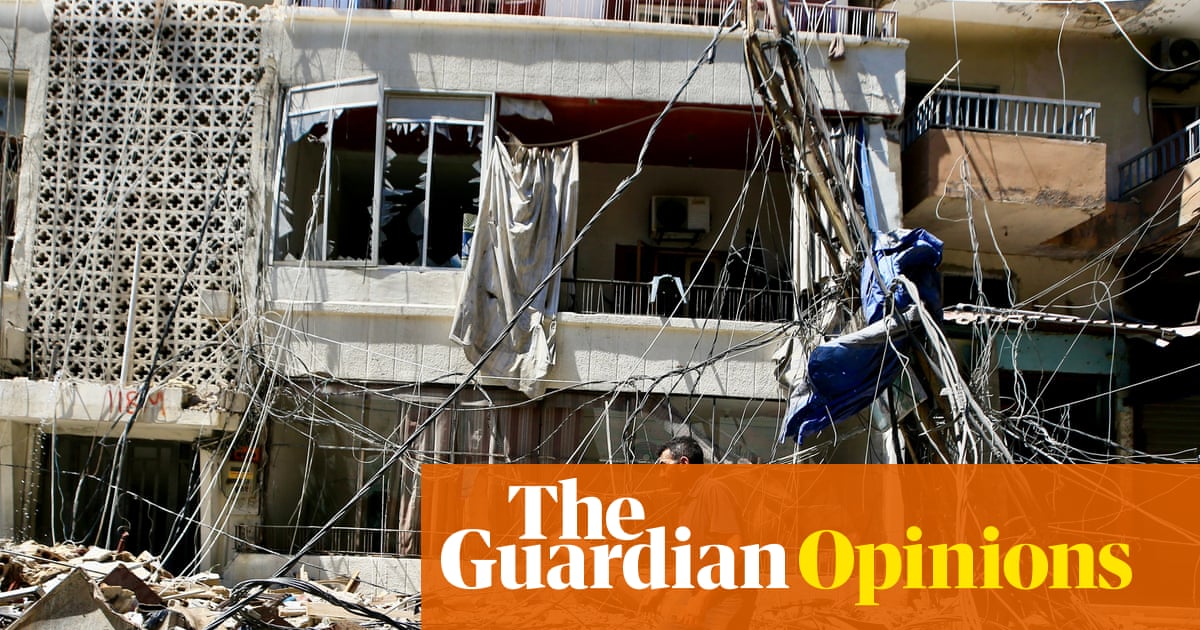
Since U.S. and Israeli strikes on Iran began on 28 February 2026, Iran has launched missiles and drones at Israel and U.S. bases in Bahrain, Kuwait and Jordan, while the United States has targeted Iranian air defences and circulated guidance for a southern shipping corridor off Oman. Washington and Tehran announced an agreement to end the war, with officials due to sign in Switzerland, though exchanges of fire have continued and Iran insists any deal must address Lebanon. Traffic through the Strait of Hormuz remains sharply reduced, carriers maintain restrictions and surcharges, insurers have curtailed cover, and maritime authorities lowered the threat level only to substantial. Mines are assessed to be present and demining capacity is limited, implying a measured recovery in transits even if a deal is signed. Energy markets have tightened: oil rose 50 percent between February and May, European and Asian gas prices climbed, and strikes on Qatari LNG infrastructure reportedly knocked out about 17 percent of export capacity. In Lebanon, large-scale displacement, rising fatalities and Israeli evacuation orders in Tyre underscore the risk that the northern front could derail any U.S., Iran arrangement.
Key judgments
- It is likely the United States and Iran will present and sign an accord in Switzerland this week, but the deal’s durability is uncertain because both sides continued exchanging strikes and Tehran insists Lebanon be included. (Confidence: medium · ASSESSED)
- I&W: Formal signing ceremony in Switzerland with U.S. and Iranian principals and a published text referencing Hormuz and Lebanon provisions. (0-14 days)
- I&W: Public statements by Tehran or Washington withdrawing from the signing or a renewed high‑tempo exchange of strikes within 72 hours of the scheduled ceremony. (0-14 days)
- Commercial shipping through the Strait of Hormuz will very likely remain constrained for at least the next two weeks despite diplomatic progress, due to suspected mines, insurer pullbacks and carrier restrictions. (Confidence: high · ASSESSED)
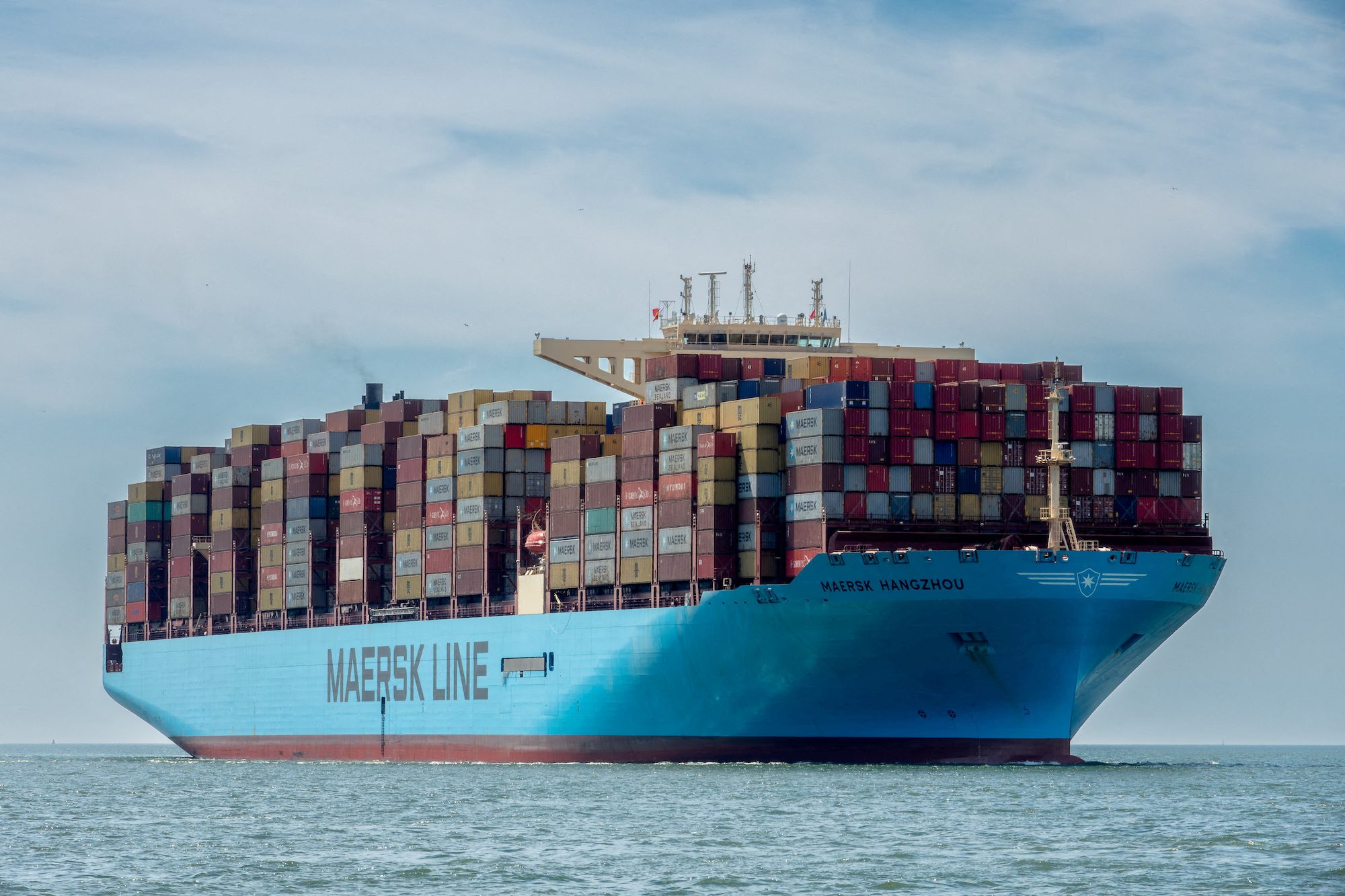
- I&W: Maersk rescinds Gulf booking limits and Hormuz emergency surcharges, and the four largest container lines publicly restore Hormuz transits. (0-30 days)
- I&W: JMIC maintains a SUBSTANTIAL threat level and AIS‑visible tanker and LNG transits remain markedly below seasonal norms. (0-30 days)
- Iran is likely to continue targeting or threatening U.S. bases and partners in Bahrain, Kuwait and Jordan if hostilities persist or if the Lebanon front escalates. (Confidence: medium · ASSESSED)
- I&W: Fresh IRGC claims of missile or drone launches at Al‑Azraq Air Base or U.S. facilities in Bahrain or Kuwait, corroborated by local intercept reports. (0-30 days)
- I&W: A verified 14‑day halt in Iranian launches and no intercept announcements by Jordan, Kuwait or Bahrain. (0-30 days)
- The Lebanon theatre is very likely the principal spoiler for any U.S., Iran deal and the most probable trigger for wider regional escalation. (Confidence: high · ASSESSED)
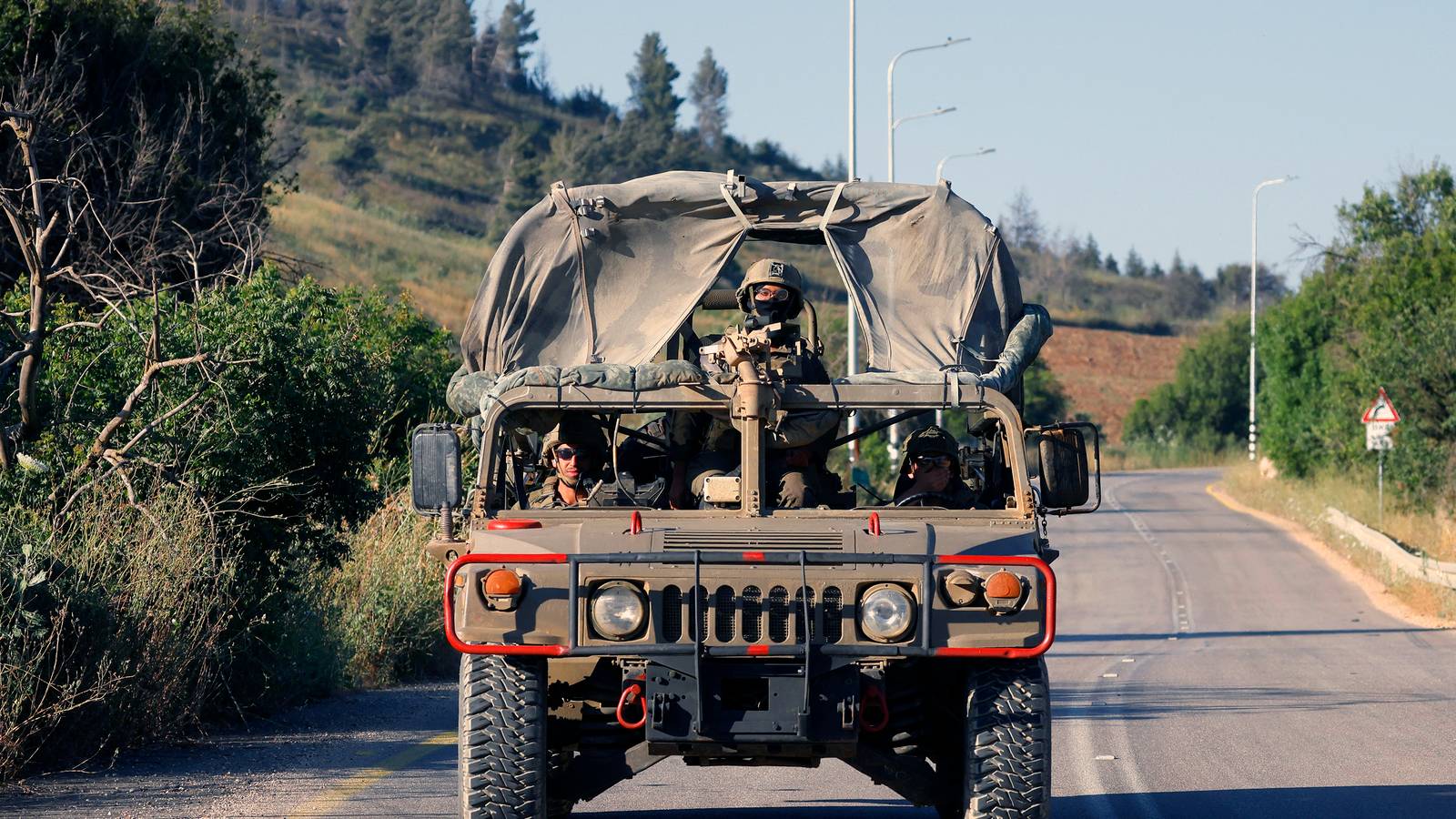
- I&W: IDF maintains or expands orders affecting Tyre and publicly signals an open‑ended presence in Lebanon alongside continued Hezbollah attacks in northern Israel. (0-30 days)
- I&W: Hezbollah issues a formal commitment to emerging arrangements and observable IDF drawdown from occupied Lebanese territory. (0-60 days)
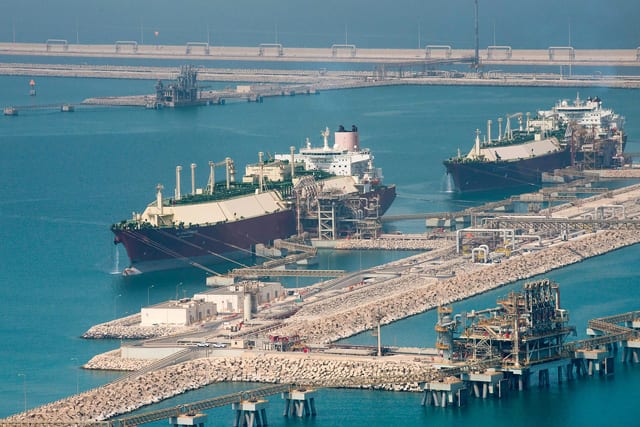
- Energy markets have very likely tightened due to the conflict: oil prices jumped by about 50 percent in March, May, European and Asian gas prices surged, and strikes on Qatari LNG infrastructure reportedly removed roughly 17 percent of export capacity. (Confidence: high · ASSESSED)
- I&W: QatarEnergy reports sustained outages at the damaged LNG trains and continued LNG cargo delays through Hormuz. (1-3 months)
- I&W: Visible restoration of unaffected Qatari LNG output and a decline in quoted Gulf war‑risk premiums. (1-3 months)
- The threat environment for U.S.‑linked sites in the United Arab Emirates is likely to remain elevated in the near term, with persistent caution advisories and intermittent flight suspensions. (Confidence: high · ASSESSED)
- I&W: Continuation of State Department elevated advisories for the UAE and FAA NOTAMs cautioning U.S. operators in Emirati airspace. (0-30 days)
- I&W: Full restoration of scheduled flights by major Dubai airlines on previously suspended routes and rescission of U.S. advisories. (0-60 days)
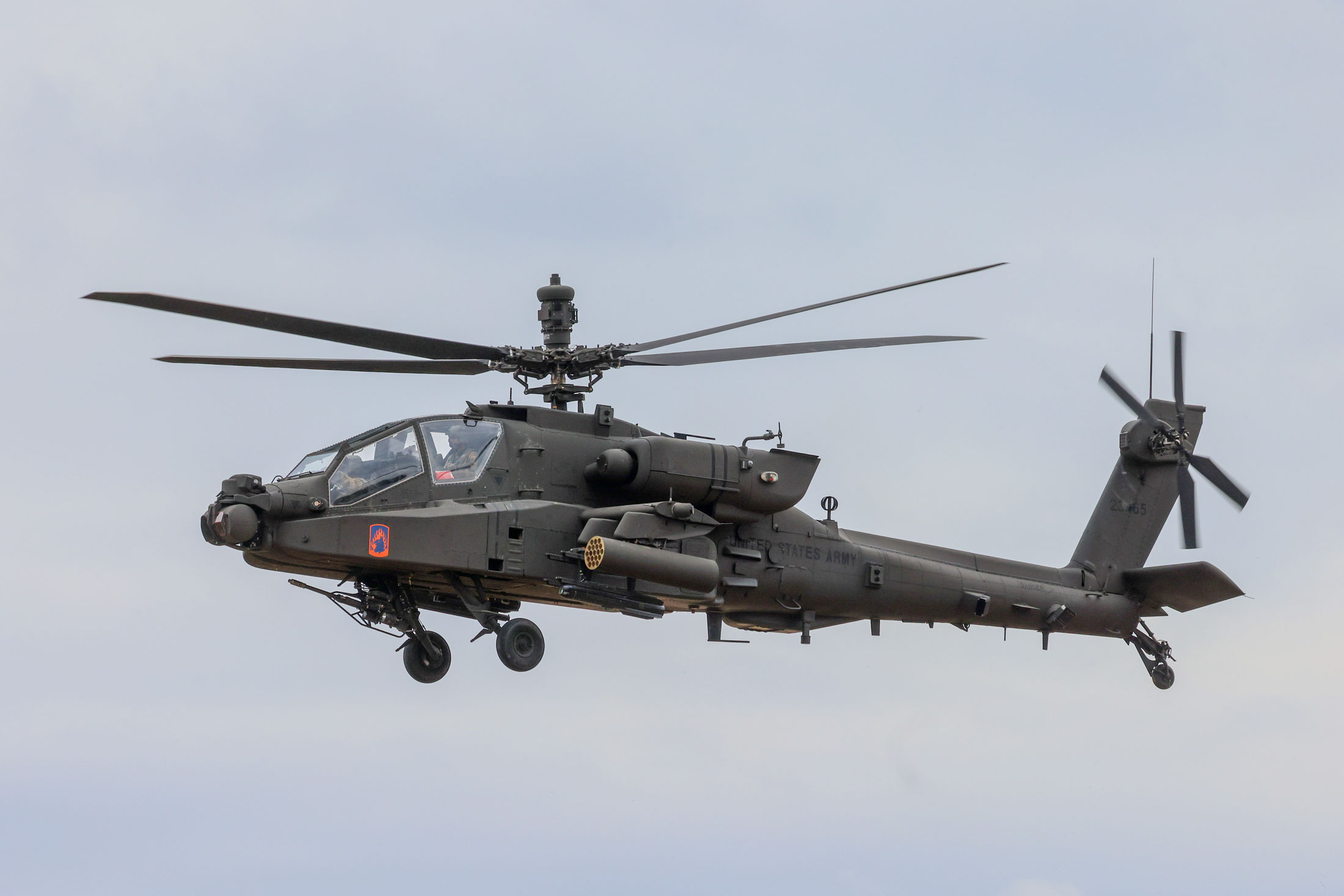
- U.S. operations have targeted Iranian air defences near Hormuz and imposed strict eligibility for the U.S.‑facilitated transit corridor, which likely reduces but does not remove maritime risk. (Confidence: high · REPORTED)
- I&W: CENTCOM or Navy releases detailing additional strikes on Iranian sensors and radars or updates to the southern transit corridor rules. (0-30 days)
- I&W: Public suspension of the corridor programme and absence of U.S. airborne overwatch messages to transiting vessels. (0-30 days)
Outlook & scenarios
Framework holds, phased de‑escalation and gradual Hormuz reopening (50%)
U.S. and Iranian officials sign the accord in Switzerland. Exchanges of fire taper off, with explicit provisions on Lebanon folded into separate talks. JMIC maintains a substantial threat level while minesweeping and insurer due diligence proceed, enabling a stepwise increase in tanker and LNG transits. Carriers progressively relax booking limits and surcharges over several weeks.
Lebanon spoils the deal, exchanges resume and regional risk rises (35%)
Israeli actions in Lebanon and Hezbollah’s response derail the accord’s implementation. Iran resumes direct launches at Israel and at U.S. locations in Bahrain, Kuwait and Jordan. Shipping remains constrained, insurers keep cover tight, and carriers prolong restrictions. Energy prices stay elevated, with LNG outages in Qatar persisting.
Maritime‑first stabilisation without a comprehensive peace (45%)
A formal deal slips, but the U.S.‑facilitated southern corridor, multinational naval overwatch and threat‑level management keep limited commercial transits flowing. Mines and insurer risk models slow recovery. Political issues, including Lebanon and sanctions relief, remain unresolved, prolonging a neither‑war‑nor‑peace environment.
Wildcard: mass‑casualty strike at sea or in the UAE triggers coalition intervention (10%)
A high‑impact incident against a commercial vessel near Hormuz or against a U.S.‑linked site in the UAE prompts rapid European and regional naval deployments and emergency insurance backstops. Escalation risks spike, and shipping conditions tighten abruptly despite ongoing diplomacy.
Recommendations
- Stand up an indicators board keyed to: Swiss signing events and text release; IDF posture and Hezbollah commitments in Lebanon; JMIC threat‑level advisories; AIS‑visible daily tanker and LNG transits; Maersk booking policies and surcharges; and insurer coverage bulletins for the Red Sea, Gulf of Oman and Persian Gulf.
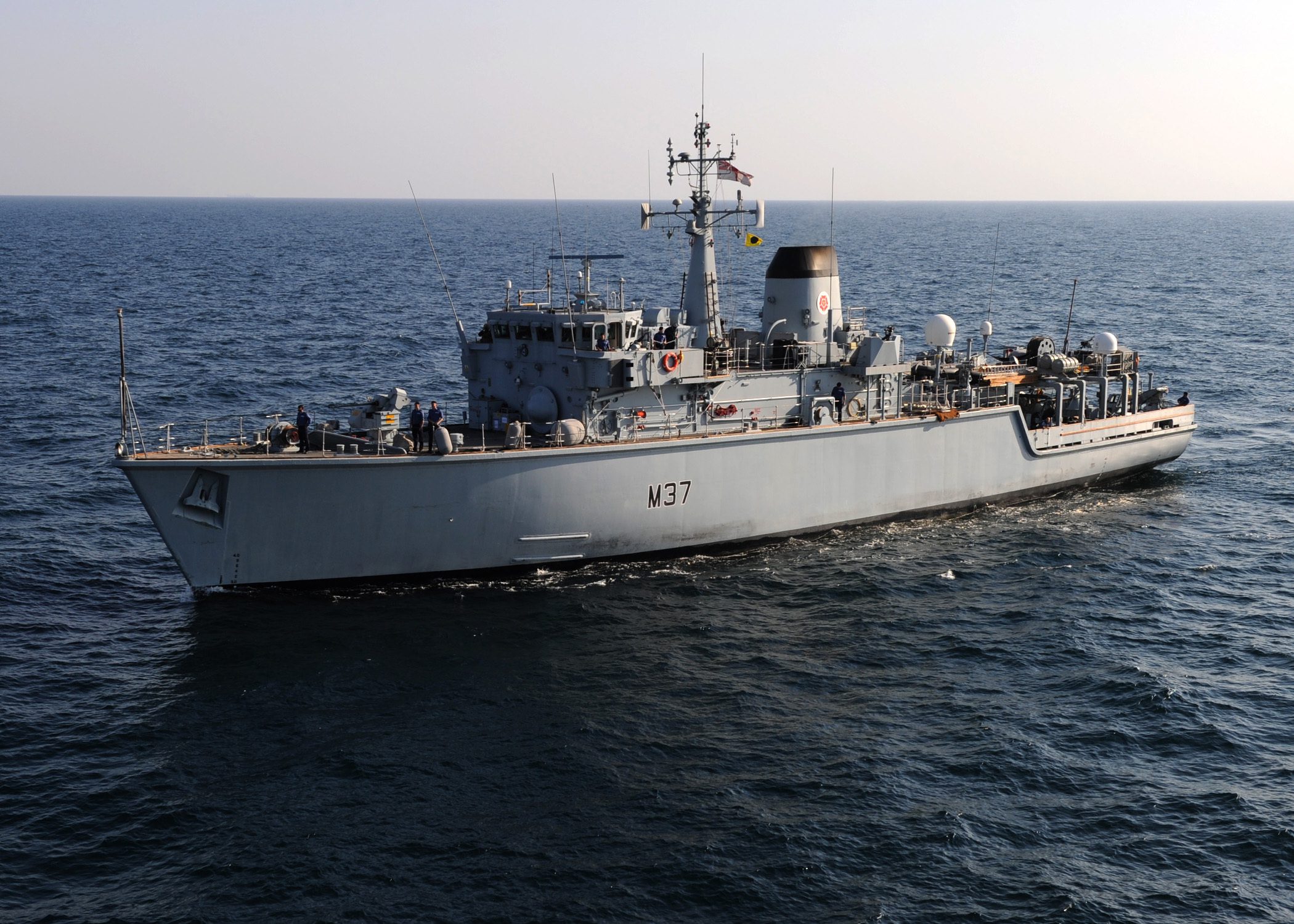
- Task collection to maritime hazards along the Deep South Route, including mine reports and any multinational minesweeper deployments; fuse reporting with naval notices to mariners to refine near‑term transit risk.
- Monitor and archive official and carrier communications on Hormuz operations, including U.S. corridor eligibility rules that exclude Iran‑linked voyages, to brief shippers on compliance and exposure.
- Integrate NASA thermal anomaly detections with open‑source reporting to cross‑cue possible strike locations and industrial fires across the theatre, while cautioning that thermal signatures indicate heat, not cause.
- Produce a rolling energy risk note linking LNG outages and Hormuz throughput to price impacts, highlighting the reported loss of Qatari export capacity and the recent 50 percent oil price rise.
- Update threat guidance for U.S. government personnel and contractors in the UAE in line with State Department and FAA advisories, and track airline suspensions to adjust travel and evacuation planning.
Confidence & uncertainty
Overall confidence is medium. Many military and maritime developments are corroborated by multiple credible outlets and official advisories, including reported U.S. strikes near Hormuz, Iranian launches against U.S.‑linked targets, reduced traffic through the strait, carrier restrictions, and energy price movements. Uncertainties remain around the precise terms and timing of the accord to end the war and differing public descriptions of sanctions relief and Hormuz reopening. The Lebanon theatre introduces additional volatility, and casualty and displacement figures vary by source and timeframe. Some claims derive from compendia and secondary reporting, and there are contradictions on closure status and signing dates, which temper confidence in forward assessments.
Alternative analysis (red cell)
While there are reports of negotiations and even an announced agreement, key items are inconsistent and several supporting claims are lower-admiralty; ongoing exchanges of fire (4d549079; 84189fe6) and Iran’s insistence on including Lebanon (dd64c389) make a firm expectation of a signed, durable accord this week uncertain. Episodic strikes and interceptions in Bahrain, Kuwait, and Jordan (61628d18; 0bac5986; 915663d7) show capability and willingness to strike but do not incontrovertibly demonstrate an intent to sustain a prolonged campaign; episodic retaliation remains a plausible alternative. Lebanon is a significant escalation locus (5d6a7885; a63c5683), but the reporting does not definitively establish it as the single principal spoiler above other credible risks such as maritime incidents or internal Iranian political pressures.
Cited sources
[1] BBC News Русская служба · Что происходит вокруг Ормузского пролива после объявленной сделки США и Ирана - BBC News Русская служба (A) · sha256:c9848da232d4 [2] Wikipedia · 2026 Iran war (B) · sha256:3152321370ea [3] gcaptain.com · US at Odds With Allies Over How Easy It Is to Reopen Hormuz (B) · sha256:d70fe580142c [4] Deutsche Welle · بعد توقف الحرب. هل ينجح قادة إيران في احتواء غضب الشارع؟ (B) · sha256:e1a85d4d68b1 [5] insurancejournal.com · US, Iran Exchange Strikes, Putting Lasting Peace Deal at Risk (A) · sha256:9a927321dc06 [6] ynetnews.com · Trump’s Iran ceasefire is starting to look like a countdown to war (B) · sha256:ace418f8b6f9 [7] eurotopics.net · США и Иран: найден ли компромисс? (B) · sha256:495d1257c9b7 [8] gcaptain.com · QatarEnergy Ready to Restart LNG Output, Reach Current Capacity in One Month, Source Says (A) · sha256:3ac0eedda2d6 [9] gcaptain.com · Europeans Wary of Committing Naval Power to Hormuz Quickly (B) · sha256:bdad257665c8 [10] gcaptain.com · Maersk Keeps Gulf Restrictions in Place Despite Hormuz Reopening Push (B) · sha256:c7c346f2a950 [11] gcaptain.com · U.S. Military Guidance Reveals High-Risk Reality of Hormuz's 'Southern Highway' (A) · sha256:bd15873ddf06 [12] military.com · The War Front That Could Sink Trump’s Negotiations With Iran (B) · sha256:73812fdcb375 [13] ynetnews.com · Iran’s war of attrition with the US leaves Israel stuck between delay and decision (B) · sha256:65f7a2ad35ed [14] Congressional Research Service · [PDF] Effects of Iran Conflict on Natural Gas Prices - Congress.gov (A) · sha256:e45d49fbec04 [15] mccollum.house.gov · Congresswoman McCollum Statement on Ceasefire Extension in Iran (A) · sha256:fa6a9676006d [16] U.S. Department of State · United Arab Emirates Travel Advisory (A) · sha256:7a0c71f2991b [17] The Guardian · Even if the Iran war is over, it made its mark: the fear, killing and upheaval were all normalised | Nesrine Malik (B) · sha256:799a1ae6664d [18] Institute for the Study of War (ISW) and The Critical Threats Project (CTP) at the American Enterprise Institute · Iran Update Special Report, June 11, 2026 (B) · sha256:22f4cd0e4605
Source content hashes were computed at collection time; the cited text is preserved unmodified for the life of this product.
Red cell review: PARTIAL DISSENT
TLP:CLEAR