TLP:CLEAR · Disclosure is not limited.
Ukraine: Air War Enters a More Intense Deep-Strike Phase
Time window: Last 7 days · Audience: General analyst · Type: Situation report · DTG: 2026-08-19 12:12Z · Overall confidence: MEDIUM
BLUF
The Russia-Ukraine air war has very likely entered a more intense reciprocal deep-strike phase, with Russia increasing missile and UAV pressure on Ukraine while Ukraine conducts large-scale drone attacks against Moscow and Russian economic infrastructure. Ukraine's air-defence interceptor shortage is the immediate constraint on its ability to absorb further Russian ballistic and UAV attacks.
Executive summary
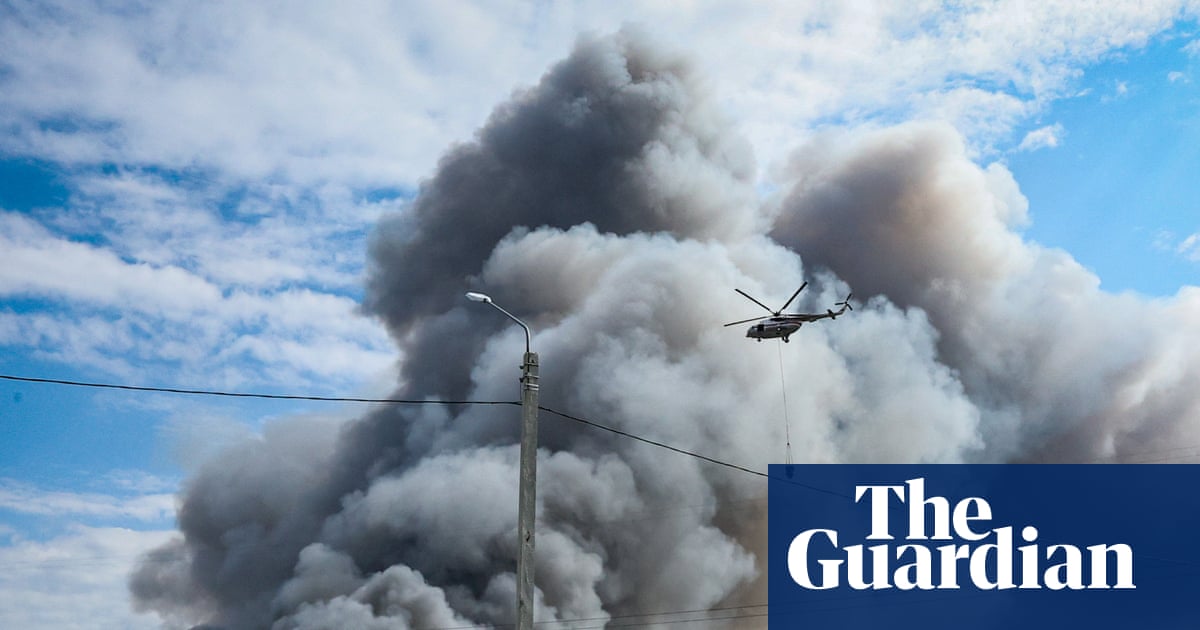
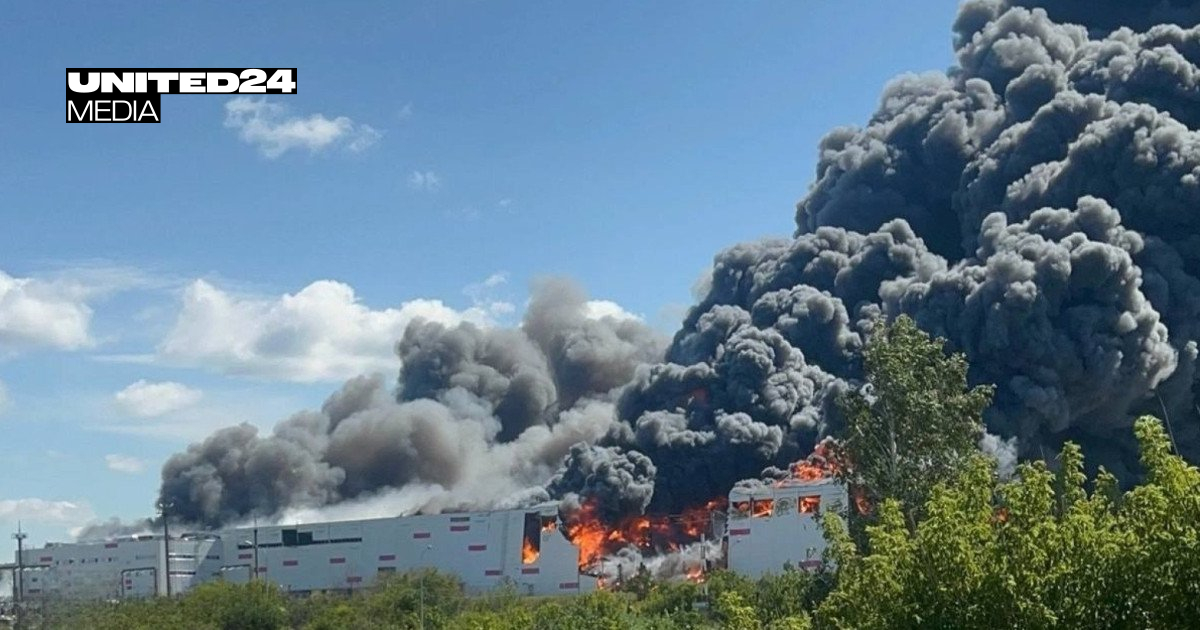
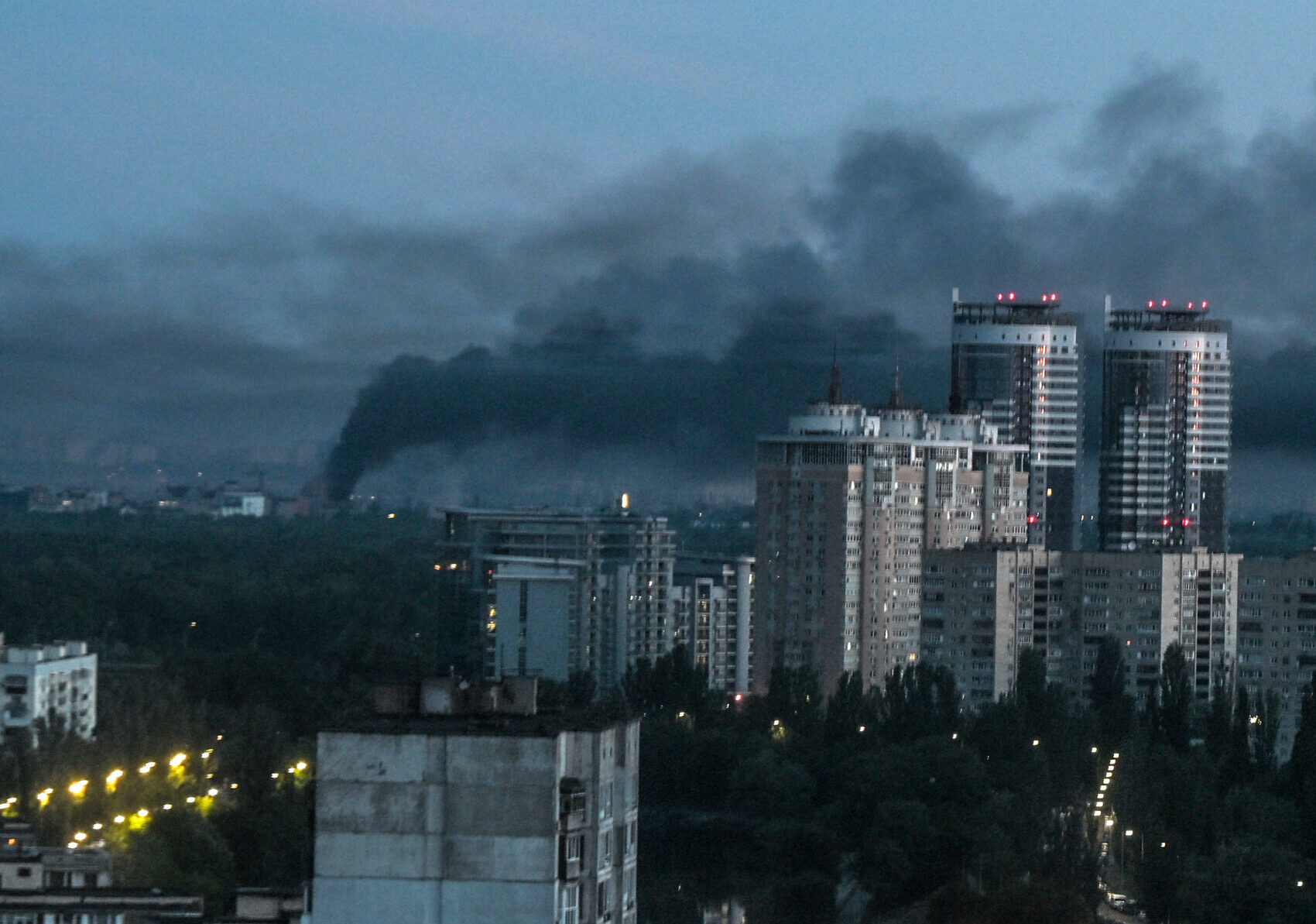
Reported activity shows a broader air campaign than in earlier phases of the conflict. Russia launched major missile and UAV attacks on Ukraine in early August, while Ukraine used approximately 600 UAVs against Moscow on 6 August and conducted further attacks on Russian refineries, ports and Wildberries logistics sites. Ukrainian President Volodymyr Zelenskyy has reported a severe interceptor shortage, including a need for substantially more US-held interceptors. Civilian harm remains high, with the UN reporting at least 437 Ukrainian civilian deaths and 2,610 injuries in July 2026. Exact missile and drone totals remain uncertain because official figures conflict and several claims rely on single-source reporting.
Key judgments
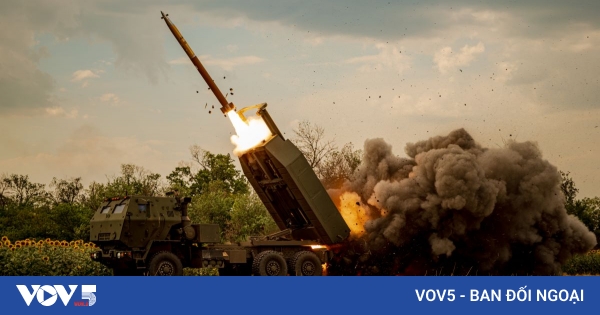
- The Russia-Ukraine air war has very likely entered a reciprocal deep-strike phase, marked by Russia's major missile and UAV attacks on Ukraine in early August and Ukraine's approximately 600-UAV operation against Moscow on 6 August. The intensity shift is well supported, but reported Russian missile totals vary between 376 and more than 450 for July, and Russian and Ukrainian claims on drone interceptions remain unverified. (Confidence: medium · ASSESSED)
- I&W: Within 0-14 days, Russian forces conduct another coordinated missile and UAV attack on Kyiv, Kryvyi Rih or Ukrainian port infrastructure, followed by a Ukrainian drone operation involving hundreds of UAVs against Moscow or the Moscow region. (0-14 days)
- I&W: The assessment would be broken if air activity returns to isolated incidents, with no further large-scale Russian strike and no further Ukrainian deep-drone operation involving hundreds of UAVs. (0-14 days)
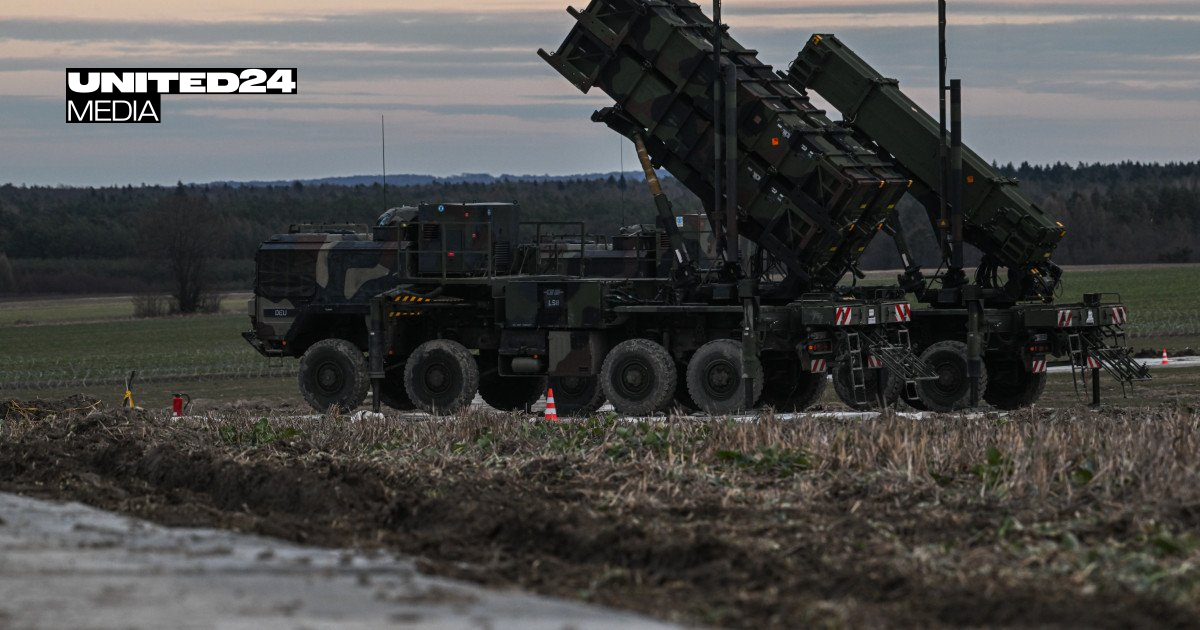
- Ukraine very likely faces a severe air-defence interceptor shortage that is constraining protection against Russian ballistic missiles and reducing Patriot system availability. President Volodymyr Zelenskyy's statements that Ukraine has one-tenth of the interceptors it needs and requires 5 percent of the US stockpile, together with reporting that Patriot launchers have remained inactive, support the broad shortage assessment. The exact scale remains uncertain because the one-tenth and 1 percent figures are single-source or contested estimates. (Confidence: medium · ASSESSED)
- I&W: Within 0-14 days, Ukrainian officials report Patriot launchers idle for six weeks or longer while a subsequent Russian ballistic attack produces no confirmed Ukrainian interceptions. (0-14 days)
- I&W: The assessment would be broken if Ukrainian authorities report that Patriot units have resumed regular firing and intercept most ballistic missiles in a subsequent Russian attack. (0-14 days)
- Ukraine is likely using long-range strikes against Russian oil refineries, ports and Wildberries logistics hubs to impose military and economic costs on Russia. The reported target set includes Russian refineries and ports in June, Wildberries facilities near Moscow and across Russia, and Russian Black Sea shipping. The assessment that these attacks will materially weaken Russia's economy remains less certain because claims about disrupted refining capacity and warehouse effects rely heavily on Kyiv, Ukrainian military and think tank reporting. (Confidence: medium · ASSESSED)
- I&W: Within 1-3 months, Ukrainian forces conduct additional strikes against named Russian refineries, Odesa-linked shipping infrastructure, or Wildberries distribution hubs, with separate reporting of fires, closures or reduced operations. (1-3 months)
- I&W: The assessment would be weakened if no further strikes hit the named target categories and Russian refinery, port and Wildberries operations show sustained restoration without reported disruption. (1-3 months)
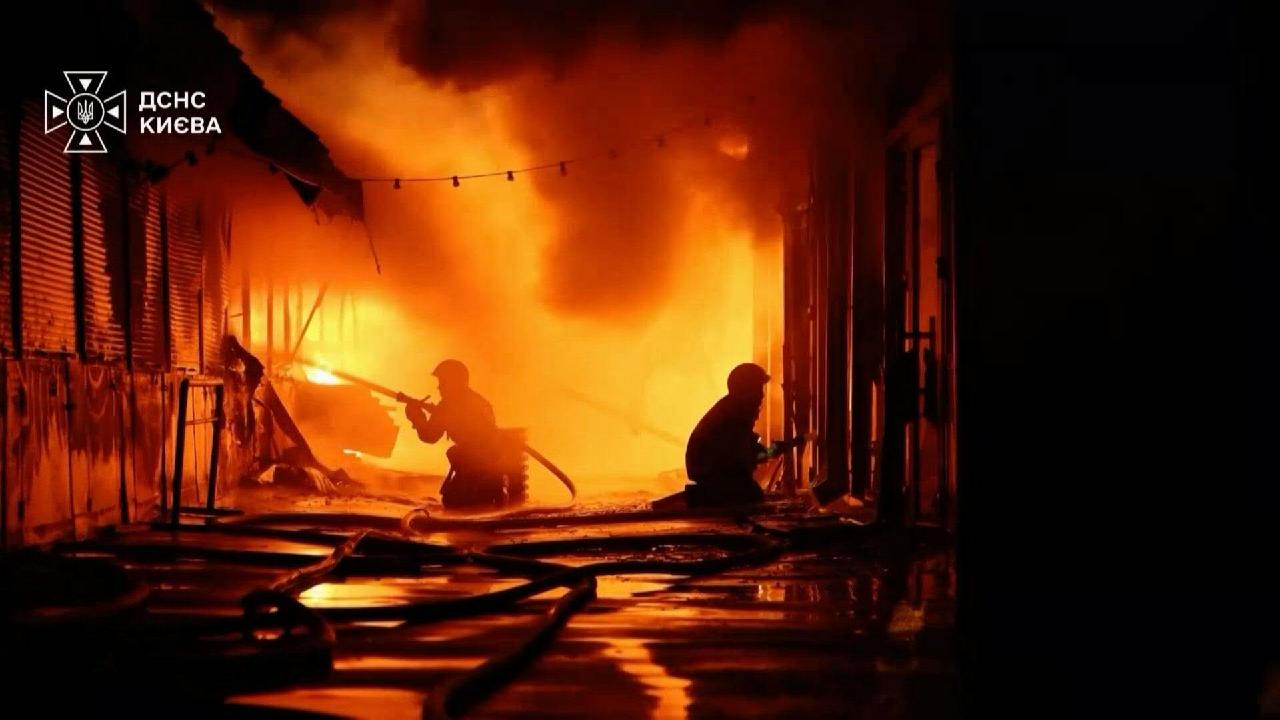
- Russian air and missile operations are likely to sustain humanitarian and economic pressure on Ukraine through the coming months, particularly against Kyiv, Kryvyi Rih, residential areas, port infrastructure and other civilian facilities. July's reported civilian toll of at least 437 killed and 2,610 injured, recent attacks that killed people in Kryvyi Rih and injured people in Kyiv, and the reported reduction in Black Sea shipping support this outlook. Confidence is medium because the forecast of further deterioration rests partly on a single think tank assessment and casualty figures differ across reports. (Confidence: medium · ASSESSED)
- I&W: Within 1-3 months, Russian forces continue strikes on residential areas, Kyiv, Kryvyi Rih or Ukrainian port infrastructure, while monthly UN reporting records civilian deaths and injuries at levels comparable to or above July 2026. (1-3 months)
- I&W: The assessment would be broken if Russian strikes on civilian and port infrastructure stop for a full month and UN reporting shows a sustained material fall in civilian casualties. (1-3 months)
Outlook & scenarios
Sustained reciprocal air campaign (65%)
Russia continues missile and UAV attacks on Ukrainian cities and infrastructure, while Ukraine maintains large-scale drone strikes against Moscow, Russian refineries, ports and logistics hubs. The conflict remains in a higher-intensity air phase without producing a decisive change in territorial control.
Russian strike effectiveness increases (45%)
Ukraine's interceptor shortage persists, allowing Russian ballistic and UAV attacks to inflict greater damage on Kyiv, Kryvyi Rih, residential areas and critical infrastructure. Civilian casualties and disruption to Black Sea shipping rise during the next several months.
Ukraine's deep-strike campaign imposes wider economic costs (35%)
Ukraine expands attacks on Russian refineries, ports, Wildberries distribution hubs and associated logistics. Fires, closures and reduced throughput impose additional costs on Russian energy distribution and commercial operations, while Russia responds with further strikes on Ukrainian infrastructure.
NATO airspace spillover (10%)
A low-probability, high-impact wildcard is a Russian drone crossing into Romania and being engaged by Spanish F-18 or other NATO aviation. A repeat incident would raise the risk of direct NATO-Russia confrontation even without a deliberate attack on NATO territory.
Recommendations
- Prioritise daily collection on Russian missile and UAV launch volumes, Ukrainian UAV operations around Moscow, and strikes affecting Kyiv, Kryvyi Rih, Odesa Oblast, Russian refineries and Wildberries facilities. Record official claims separately from independent imagery and damage confirmation.
- Treat Ukrainian interceptor availability as the primary near-term warning variable. Track Patriot launcher activity, confirmed ballistic-missile interception rates, reported interceptor deliveries and any formal US decision on licensed production in Ukraine. Do not treat the one-tenth, 1 percent and 5 percent figures as interchangeable.
- Maintain a target-set map for Ukrainian deep strikes covering Russian oil refineries, ports, Black Sea shipping, Wildberries logistics hubs and shadow fleet tankers. Flag repeated attacks against the same facility as evidence of a sustained campaign rather than isolated incidents.
- Prioritise reporting on Russian attacks against Ukrainian residential areas, Kyiv, Kryvyi Rih, Odesa Oblast and critical civilian infrastructure before winter. Compare monthly UN casualty reporting with local incident reporting and retain separate counts when the figures cannot be reconciled.
- Establish an airspace-spillover watch for Romania and other NATO border areas. Seek rapid confirmation of drone flight paths, the platform involved, the identity of the intercepting aircraft and any official response from Romania, Spain or NATO.
- Preserve competing assessments in briefing products when missile totals, casualty figures or interceptor availability conflict. The July missile count and the reported Ukrainian interceptor ratios require explicit source qualification rather than a single consolidated figure.
Confidence & uncertainty
Overall confidence is medium. The central assessment rests on multiple high-reliability major-media reports, official statements from NASA and the UN, and reporting that independently describes increased Russian and Ukrainian air activity. Confidence is reduced by conflicting Russian missile and drone totals, differing Ukrainian interceptor estimates, casualty-count discrepancies and several forecasts based on single-source think tank reporting. NASA thermal detections can corroborate fires but cannot establish whether their cause was a strike, shelling, industrial accident or wildfire.
Cited sources
[1] CGTN · Vertical escalation: Why the Russia-Ukraine air war is intensifying (B) · sha256:339914895a99 [2] vovworld.vn · Russia-Ukraine conflict sees signs of escalation (B) · sha256:d1f24b4a89ea [3] The Guardian · Ukrainian drone attack on Russia kills at least six, says Moscow (A) · sha256:2aac13f46325 [4] CNN · Ukraine attacks Russia with hundreds of drones - one of Kyiv’s largest assaults of the conflict | CNN (A) · sha256:528a5102cd21 [5] Al Jazeera · Putin’s ‘illusion of victory:’ Russia ramps up missile attacks on Ukraine (A) · sha256:7a4ebb60e3c6 [6] united24media.com · Ukraine Reveals Patriot Missile Shortage to CNN as Launchers Sit Empty (B) · sha256:cbfa65130ce4 [7] cnn.com · Exclusive: Ukraine reveals its Achilles’ heel to CNN as Patriot missile launchers run dry | CNN (A) · sha256:f2eaa35a4c71 [8] united24media.com · Ukraine Details Over 100 Long-Range Strikes on Russia in New Report to Washington (B) · sha256:625ccbd3c45b [9] kyivindependent.com · Analysis: Russia doubles down, setting stage for new phase of total war (B) · sha256:4c5e1be57d37 [10] Atlantic Council · Russia’s escalating bombardment of Ukraine is not ‘retaliation’ (C) · sha256:60af768abb40 [11] Wikipedia · Russo-Ukrainian war (2022–present) (B) · sha256:9e2d114157f7
Source content hashes were computed at collection time; the cited text is preserved unmodified for the life of this product.
TLP:CLEAR