TLP:CLEAR · Disclosure is not limited.
Ukraine Conflict: Deep Strikes and Maritime Pressure Enter a New Phase
Time window: Last 7 days · Audience: General analyst · Type: Situation report · DTG: 2026-08-24 00:08Z · Overall confidence: MEDIUM
BLUF
Ukraine and Russia are very likely to sustain reciprocal strikes against economic, logistics and port infrastructure over the next 1-3 months. The failure of a proposed Black Sea shipping truce leaves Ukrainian grain exports exposed, while Russian pressure against Lithuania and the wider Nordic-Baltic security environment remains a lower-confidence but relevant spillover risk.
Executive summary
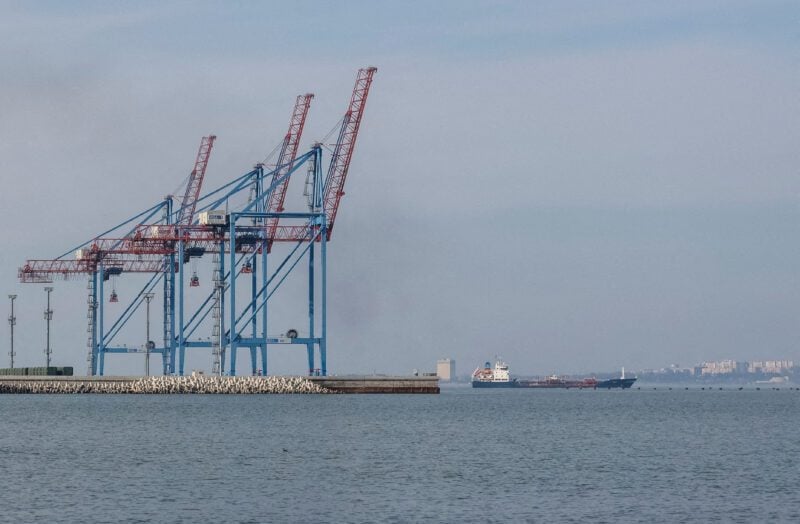
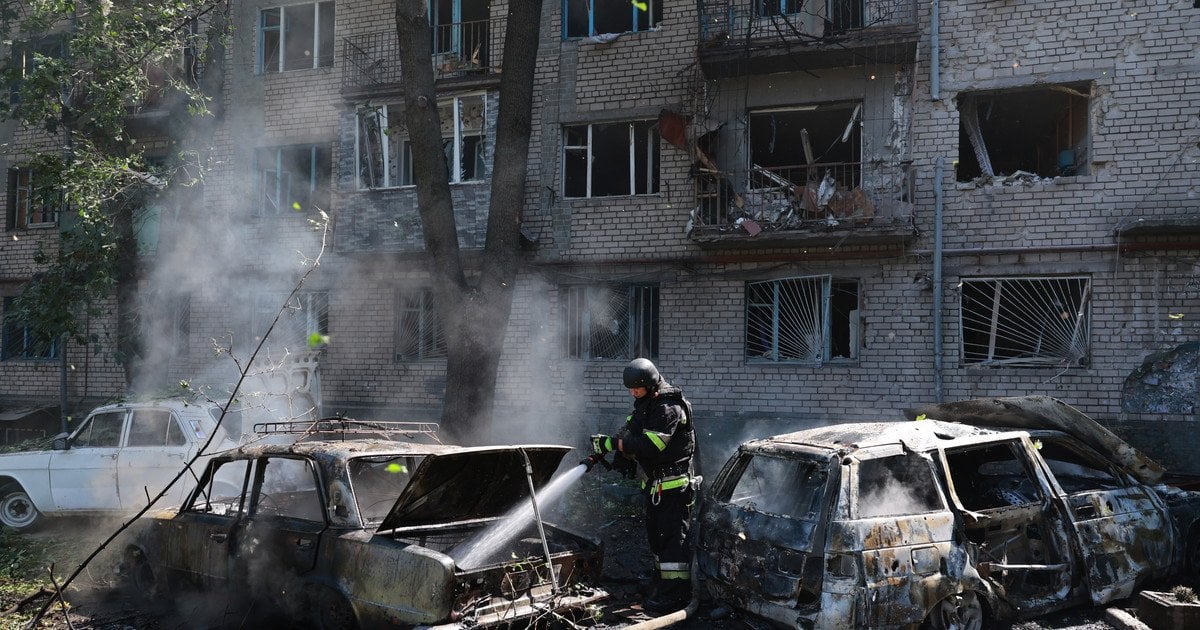
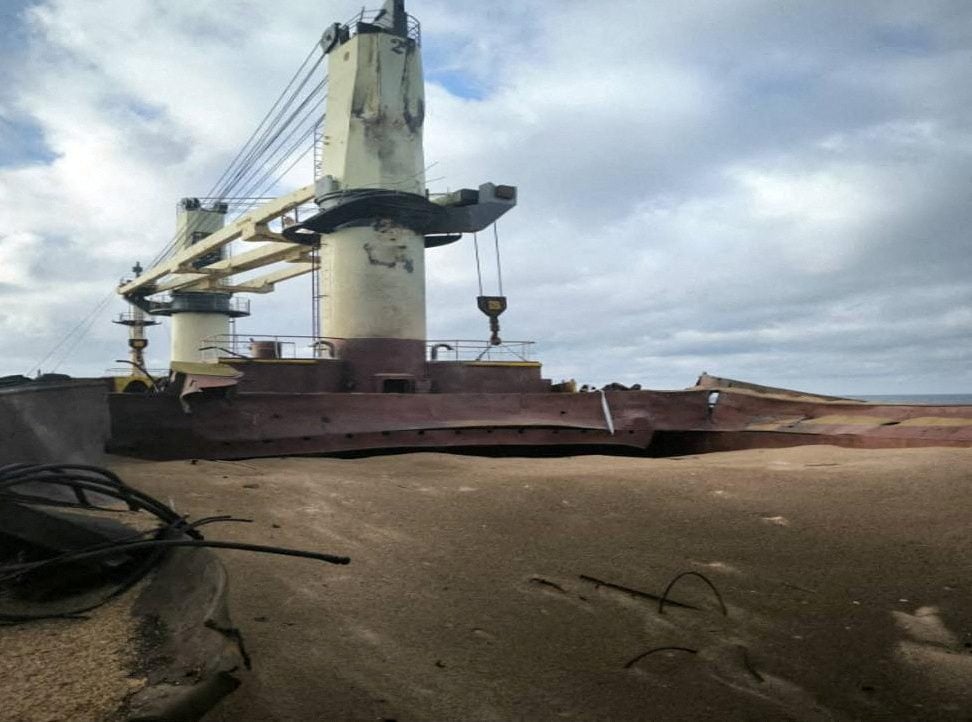
Between 18 and 23 August 2026, Ukraine launched or was reported to have launched successive drone attacks towards Moscow, while Russia intensified strikes against Ukrainian ports and rear infrastructure, including a reported strike on Yuzhny port. Both sides are increasingly treating economic capacity and logistics as part of the war effort. Ukraine's proposal for a Black Sea shipping truce was rejected by Moscow, which sought guarantees against attacks on Russian energy infrastructure. Reporting on Ukrainian export volumes, Russian economic damage and wider European security risks remains uneven, with several claims relying on single-source or think-tank reporting.
Key judgments
- Ukraine and Russia are very likely to sustain a reciprocal deep-strike campaign that is moving beyond battlefield positions into economic, logistics and civilian infrastructure. Ukraine launched hundreds of drones towards Moscow on 18 August 2026 and faced another reported assault overnight on 19 August. Russia has intensified attacks on Odesa-region ports and civilian cargo ships, while its Defence Ministry reported a strike on Yuzhny port on 23 August. The assessment of a harsher new phase is supported by the reported pattern, but its wider characterisation relies partly on commentator and official-source reporting. (Confidence: medium · ASSESSED)
- I&W: Confirm: at least two additional Ukrainian drone attacks on Moscow or Russian economic targets, together with a further Russian strike on port or civilian cargo infrastructure in Odesa or at Yuzhny. (0-14 days)
- I&W: Break: no further reciprocal strikes on named economic, logistics or port targets and a publicly announced halt to this pattern of attacks. (0-14 days)
- Ukraine is likely to continue targeting Russian oil, energy-export and logistics infrastructure, while Russia is likely to continue targeting Ukrainian ports and rear economic infrastructure. The reported logic on both sides is to reduce the opponent's economic capacity to sustain the war, although direct evidence of the cumulative military effect remains limited. (Confidence: medium · ASSESSED)
- I&W: Confirm: new strikes on a Russian refinery, energy-export facility or logistics hub, followed by Russian strikes on Ukrainian ports, bridges, supermarkets or logistics centres. (0-14 days)
- I&W: Break: both sides return to attacks concentrated on military positions without new reported strikes on named economic or logistics targets. (1-3 months)
- An effective Black Sea shipping truce is unlikely over the next 1-3 months. Ukraine offered Russia a truce covering attacks on ships carrying agricultural commodities on 23 August 2026, but Moscow rejected the proposal while seeking guarantees against strikes on its energy infrastructure. Continuing Russian attacks on Odesa-region port infrastructure and civilian cargo ships reinforce this judgement. Confidence is medium because the account of the proposal and Moscow's rationale comes chiefly through Volodymyr Zelenskyy. (Confidence: medium · ASSESSED)
- I&W: Confirm: Russian or Ukrainian attacks continue against Odesa-region ports or civilian cargo ships without a jointly announced monitoring arrangement. (0-14 days)
- I&W: Break: Russia and Ukraine announce a signed shipping truce and merchant vessels transit the Black Sea without reported attacks for 14 consecutive days. (0-30 days)
- Ukraine is likely to face continued pressure on grain exports over the next 1-3 months. Greater Odesa ports handle about 90% of Ukrainian grain shipments, yet one low-confidence report put exports at only about 500,000 tons from the start of August, while other reporting describes regular Russian strikes that have snarled shipments. The scale of the export reduction remains uncertain because the volume estimate is single-source and low-confidence. (Confidence: medium · ASSESSED)
- I&W: Confirm: a further reported strike damages a Greater Odesa port or additional Ukrainian export volumes remain well below the reported potential level. (0-14 days)
- I&W: Break: Ukrainian grain throughput from Greater Odesa returns to the reported potential level while port operations continue without new Russian strikes. (1-3 months)
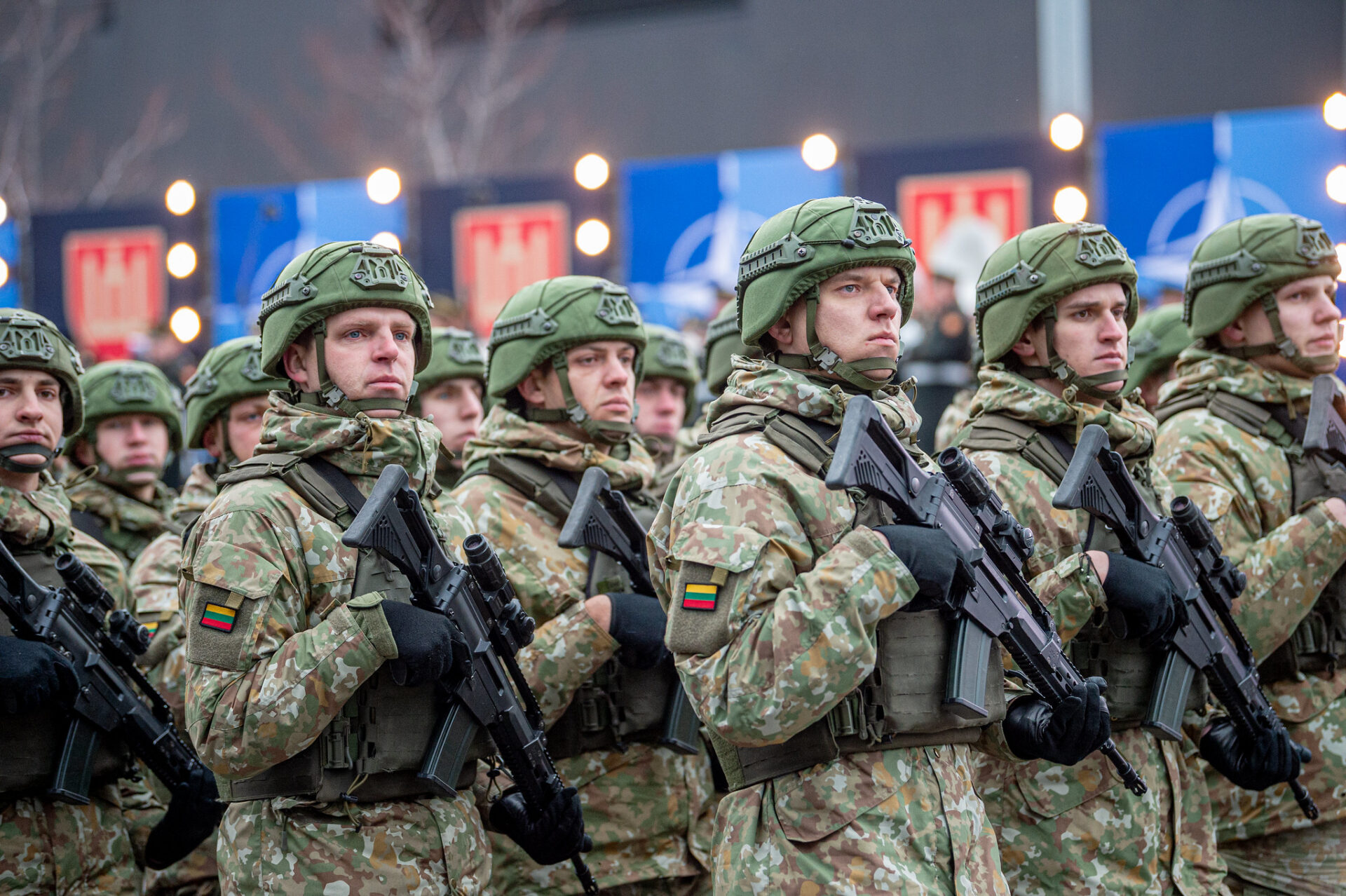
- Russian hybrid pressure against Lithuania and the wider Nordic-Baltic security environment is likely to persist below open conflict over the next 1-3 months. A limited Russian attack on a NATO member within a matter of months remains an unlikely but high-impact possibility. Confidence is low because the evidence rests mainly on think-tank assessments and medium-confidence reporting rather than independently corroborated incident data. (Confidence: low · ASSESSED)
- I&W: Confirm: Lithuania reports a named Russian cyber, informational, economic or kinetic incident, or NATO reports a further Russian drone or cruise-missile violation of its airspace. (0-14 days)
- I&W: Break: no new reported Russian hybrid incident in Lithuania and no further Russian violation of NATO airspace during the next three months. (1-3 months)
Outlook & scenarios
Sustained deep-strike and economic targeting (55%)
This is the most likely course over the next 1-3 months. Ukraine continues drone attacks on Moscow and Russian oil, energy-export and logistics targets. Russia responds with strikes on Ukrainian ports, rear infrastructure and economic facilities. Civilian disruption and pressure on Ukrainian exports increase without a decisive territorial shift.
Conditional Black Sea pause (25%)
A limited and conditional pause in attacks on agricultural shipping is established after negotiations over Russian energy infrastructure. The arrangement is fragile and does not end strikes elsewhere. Merchant traffic improves temporarily, but implementation disputes and renewed attacks remain likely.
Expanded pressure on NATO's eastern flank (15%)
Russian hybrid activity against Lithuania and the Nordic-Baltic region becomes more overt, with a further airspace incident or a named cyber, information, economic or kinetic operation. A limited attack on a NATO member remains unlikely, but this scenario would create an immediate alliance-management crisis.
Wider maritime disruption (5%)
Black Sea disruption coincides with sustained severe threat conditions in the Strait of Hormuz. Commercial traffic remains well below pre-war levels, rerouting expands, and energy and agricultural shipping face concurrent constraints across Eurasian maritime corridors.
Recommendations
- Maintain a daily strike ledger for Moscow, Odesa, Yuzhny and other named economic or logistics targets. Record the actor, platform, target type, reported damage, civilian effects and independent corroboration.
- Seek independent confirmation of the 18-19 August drone attacks and the reported 23 August strike on Yuzhny port. Use NASA FIRMS thermal data only as corroboration of heat signatures, not as proof of cause.
- Track the Black Sea truce proposal against observable shipping activity. Compare public statements with merchant vessel movements, reported attacks and port operating status over consecutive 14-day periods.
- Separate current 2026 reporting from claims dated 2023 or carrying conflicting dates, destinations or casualty figures. Do not use low-confidence quantitative claims as trend baselines until independently corroborated.
- Prepare two analytic branches for the next update: sustained reciprocal economic targeting and a conditional Black Sea shipping pause. Include a separate warning line for Russian hybrid activity in Lithuania and further Russian violations of NATO airspace.
- Prioritise collection on whether reported strikes are degrading military sustainment or primarily disrupting civilian and commercial activity. Current reporting establishes targeting patterns more firmly than cumulative military effects.
Confidence & uncertainty
Overall confidence is medium. The 18-23 August 2026 drone and Black Sea reporting draws on major media with generally high event confidence, while NASA FIRMS provides a reliable official source for thermal detections. Confidence is reduced by single-source accounts, low-confidence export and damage estimates, think-tank assessments of wider European risks, and conflicting dates, destinations and casualty figures in the underlying record. Thermal detections also confirm heat but not whether the cause was a strike, shelling, industrial fire or wildfire.
Cited sources
[1] sundayguardianlive.com · Russia-Ukraine War Latest News: Moscow Hit by Fresh Drone Attack as Ukraine Expands Deep-Strike Campaign (B) · sha256:5c6caf29e22a [2] 24tv.ua · Война в тылу: Украина и Россия вступают в новую фазу противостояния, – The Kyiv Independent (B) · sha256:4a730c852ccd [3] gcaptain.com · Zelenskyy Says Putin Rejected Black Sea Shipping Truce Offer (A) · sha256:2c4c431ee60d [4] lenta.ru · На Западе заявили о переходе конфликта на Украине в новую фазу (B) · sha256:5215da064abc [5] kp.ru · На Западе заявили об ужесточении противостояния на Украине (B) · sha256:41026cf8647b [6] news.az · Why has Putin accused Ukraine of opening a ‘Pandora’s box’ | News.az (B) · sha256:e54783c552d3 [7] The Kyiv Independent · Когда тыл становится фронтом: Украина и РФ входят в новую фазу войны — The Kyiv Independent (B) · sha256:f5dc63e4e3e7 [8] gcaptain.com · Russia Considers Grain Purchases To Offset Export Disruptions (B) · sha256:6b922211d80b [9] Jamestown · Lessons Learned From Russia’s War Against Ukraine: The Case of Lithuania - Jamestown (B) · sha256:06fa68401acf [10] Atlantic Council · As pressure mounts on Putin, Russia is escalating against Ukraine’s allies (C) · sha256:5813f6f4dc20
Source content hashes were computed at collection time; the cited text is preserved unmodified for the life of this product.
TLP:CLEAR