TLP:CLEAR · Disclosure is not limited.
Ukraine: Escalating Cross-Border Air Operations and Crimea Disruptions
Time window: Last 1 day · Audience: General analyst · Type: Situation report · DTG: 2026-06-26 13:02Z · Overall confidence: MEDIUM
BLUF
In the past 24 hours Russia struck Kharkiv with guided bombs and drones, causing civilian casualties, while Ukraine intensified attacks on Crimea’s power grid, prompting peninsula-wide power cuts and continued restrictions in Sevastopol. Both sides are sustaining high-tempo long-range operations, raising near-term risks to civilians and critical infrastructure.
Executive summary
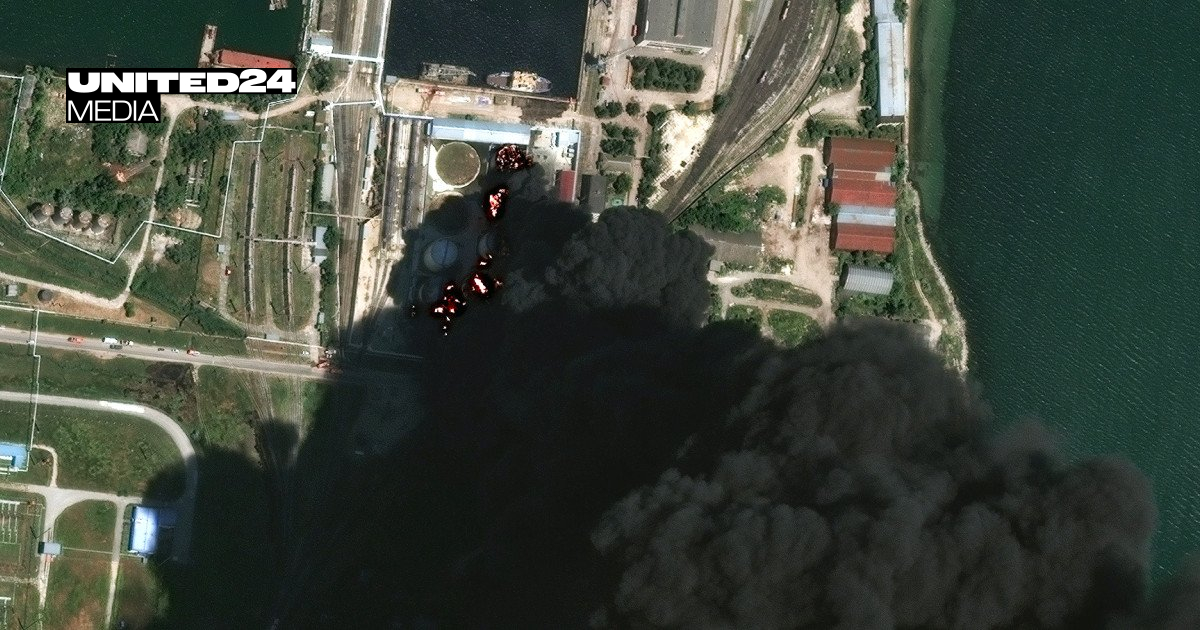
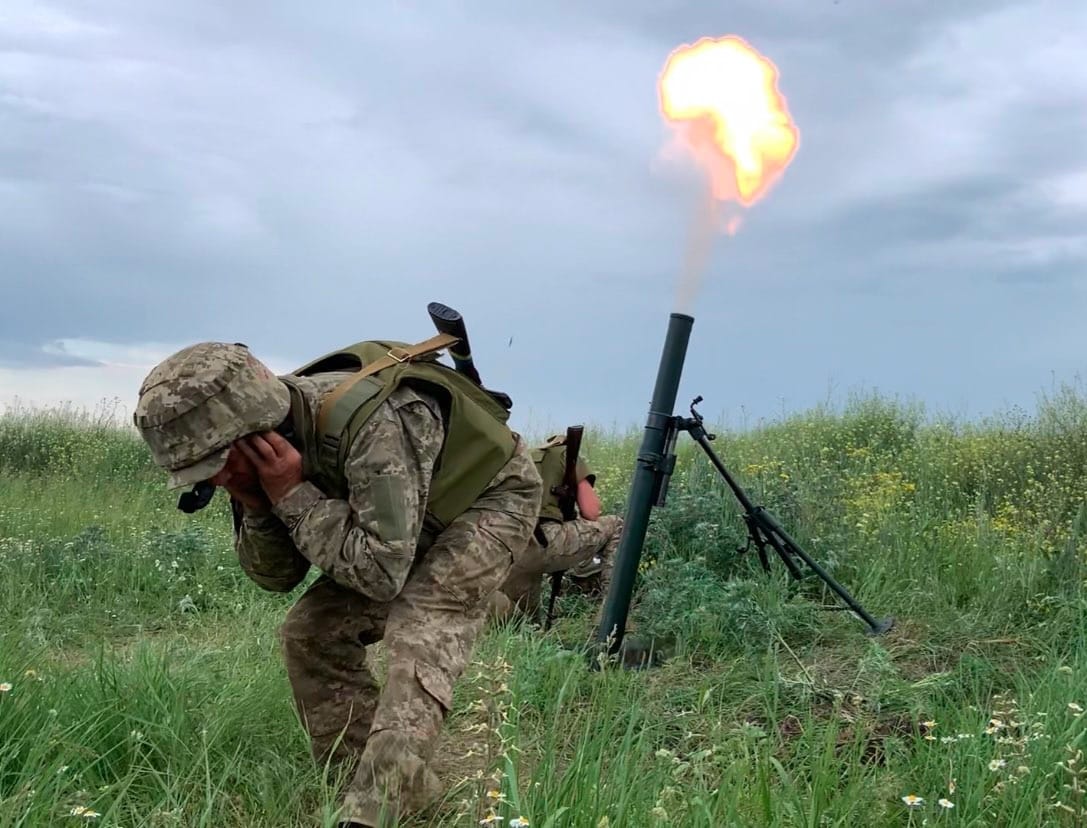
Russia launched an overnight strike package that included a ballistic missile and long-range drones, and conducted guided bomb and drone attacks on Kharkiv and 16 other settlements, leaving at least two dead and seven injured in Kharkiv Oblast. Ukraine intensified its long-range campaign against Russian-occupied Crimea, including repeated strikes on Sevastopol’s main power substation, after which Crimean authorities announced rolling power cuts and Sevastopol reported ongoing electricity restrictions. Rail services into Crimea are curtailed, road traffic over the Kerch Bridge is congested, and residents report fuel sales bans and frequent air raid alerts. Russian authorities claim intercept totals of hundreds of Ukrainian drones over Russia and Crimea, although counts vary widely, indicating both heavy air-defence activity and contested reporting. Kyiv signals continued pre-emptive strikes, including reported hits on refineries in Ufa.
Change from previous assessment
Since the 24 June brief, both sides have escalated. New reporting details Russia’s overnight package of a ballistic missile and long-range drones and guided bomb attacks on Kharkiv, with fresh civilian casualties. Ukraine’s campaign in Crimea now includes at least seven strikes on Sevastopol’s main substation, after which Crimean authorities announced rolling power cuts and Sevastopol reported continued electricity restrictions. Transport constraints tightened with limited rail links and Kerch Bridge queues. Russian authorities reported very high Ukrainian drone activity over Russia and Crimea, though counts conflict. Confidence remains medium due to these contradictions and some single-source elements.
Key judgments
- Russia very likely conducted a large overnight strike package against Ukraine on 26 June, combining a ballistic missile and long-range drones with guided aerial bomb attacks on Kharkiv and 16 other settlements, killing at least two and injuring seven in Kharkiv Oblast. (Confidence: high · REPORTED)
- I&W: Further official reports within two weeks of ballistic missile launches paired with more than 50 long-range drones in a single night (0-14 days)
- I&W: Nightly reported launches fall below 10 drones for at least seven consecutive days across Ukraine (0-1 month)
- Ukraine very likely intensified strikes on Crimea’s energy infrastructure this week, including at least seven attacks on Sevastopol’s main power substation, prompting peninsula-wide planned power cuts and continued electricity restrictions. (Confidence: high · ASSESSED)
- I&W: Publication of rotating outage schedules by multiple Crimean municipalities and continued governorate notices on rationing (0-14 days)
- I&W: Official announcements lifting power rationing across Sevastopol and other Crimean districts for at least one continuous week (1-3 months)
- Civilian life and transport in Crimea are likely under mounting strain: rail services are restricted to Moscow, St Petersburg and Adler, lengthy queues persist at the Kerch Bridge with manual inspections, passengers are bussed to Kerch with repeated disruption, residents complain of fuel sales bans, and air raid alerts are reported more frequently in Sevastopol. (Confidence: medium · ASSESSED)
- I&W: Rail timetables and carrier notices show continued service only to Moscow, St Petersburg and Adler, and bridge operator updates cite multi-hour queues (0-14 days)
- I&W: Resumption of broader rail links and bridge queue times consistently below 30 minutes (1-3 months)
- Russian authorities report intercepting very large numbers of Ukrainian drones over Russia and Crimea, but tallies vary widely, indicating heavy air-defence activity and contested information: reported totals range from 269 to 660 intercepts in a single night, while Ukrainian drones have reached Moscow and St Petersburg this month. (Confidence: medium · ASSESSED)
- I&W: Russian MoD and regional administrations publish renewed nightly UAV intercept totals above 200 across multiple regions (0-14 days)
- I&W: A sustained week without Russian MoD nightly UAV intercept communiqués (0-14 days)
- Russia likely expanded strikes on Ukrainian economic infrastructure during this period, hitting three rail locomotives and two petrol stations while continuing guided bomb and drone attacks on Kharkiv. (Confidence: high · REPORTED)
- I&W: Official Ukrainian reporting of further rail or fuel infrastructure damage attributed to Russian strikes (0-14 days)
- I&W: Two-week period without new reports of Russian strikes on rail or fuel facilities (0-1 month)
- Ukraine likely broadened its long-range pressure inside Russia, including reported hits on two oil refineries in Ufa, consistent with leadership directives for pre-emptive strikes and a publicly signalled 40-day influence operation. (Confidence: medium · ASSESSED)
- I&W: Additional Ukrainian claims of successful strikes on Russian energy nodes at least 500 miles from the front (1-3 months)
- I&W: Absence of new Ukrainian claims against Russian energy infrastructure for a continuous month (1-3 months)
Outlook & scenarios
Sustained strike-for-strike cycle (70%)
Russia continues nightly or near-nightly long-range drone and missile raids while Ukraine keeps up pressure on Crimea’s power grid and Russian rear areas. Expect recurring civilian casualties in Kharkiv and rolling outages across Crimea, with intermittent transport constraints on the peninsula.
Crimea grid degradation deepens (50%)
Repeated Ukrainian hits on Sevastopol’s substation and related nodes outpace repair efforts, forcing extended load shedding and ad hoc service curbs across the peninsula. Public services and summer programmes remain suspended and local authorities impose tighter rationing.
Tempo dip from Ukrainian air-defence and strike logistics (30%)
A short-term slowdown in Ukrainian long-range operations and intercept capacity emerges if munitions for strategic air defences and strike systems tighten and resupply timelines from partners slip, reducing the frequency of deep strikes and increasing attrition from Russian raids.
Northern complication via Belarus-enabling posture (15%)
Signals from Minsk about military infrastructure completion and political warnings translate into enabling steps that complicate Ukraine’s air picture in the north, increasing the perceived requirement for Kyiv to allocate more air-defence coverage away from eastern cities.
Recommendations
- Maintain a rolling dataset of nightly launch and intercept claims from both sides, logging weapon types and counts to quantify the strike tempo and highlight contradictions for adjudication.
- Task collection to confirm damage and repair status at Sevastopol’s main power substation and adjacent grid nodes; cross-check with official outage schedules and municipal notices.
- Exploit open-source rail timetables and carrier advisories to verify continued service curtailment to Moscow, St Petersburg and Adler; monitor Kerch Bridge operator updates and crowdsourced traffic feeds for queue durations and manual inspection regimes.
- Prepare a casualty adjudication note for recent Crimea strikes by reconciling conflicting tolls using geolocated imagery and local administrative statements.
- Track reported strikes on Russian energy infrastructure including the Ufa refineries with commercial satellite imagery to assess operational impact and recovery timelines.
- Monitor Russian air-defence posture shifts toward key urban centres using open-source reporting to infer coverage gaps over occupied southern Ukraine and Crimea.
- Verify and archive any formal decrees or orders related to power rationing or emergency regimes issued by Russian-installed authorities in Crimea for legal and administrative continuity analysis.
Confidence & uncertainty
Overall confidence is medium. Core developments, including Russia’s overnight use of a ballistic missile and long-range drones and guided bomb strikes on Kharkiv, and Ukraine’s repeated hits on Sevastopol’s power infrastructure followed by peninsula-wide power curbs, are corroborated by multiple reliable outlets. However, key elements are contested or thin: Russian intercept totals for Ukrainian drones vary widely between official statements, casualty numbers in Crimea differ across reports, and the reported state of emergency in Crimea rests on fewer sources. These discrepancies and some single-source elements constrain confidence despite otherwise consistent reporting.
Alternative analysis (red cell)
Available reporting indicates discrete strike events, infrastructure impacts, and growing strain in Crimea and Kharkiv, but the current claims mix operational assertions, political statements, and uneven admiralty ratings. A sober alternative estimate is that attacks and disruptions occurred, yet the scale, attribution, and coordination alleged in several judgments (a single large combined strike package, multiple refinery hits as evidence of a broadened campaign, or precise tallies of hundreds of intercepts) are not reliably established by the provided claims. Additional independent forensic, geolocated, and time-correlated collection is required to confirm campaign-level inferences.
Intelligence gaps
- [EEI 1.1 · PARTIAL] Number of airstrikes and aircraft/UCAV sorties per 24-hour period, broken down by administrative region and timestamped geolocation of each strike/strike cluster. Recommended collection: air defense radar/ADS-B
- [EEI 1.2 · PARTIAL] Types of delivery platforms and munitions observed (fixed-wing aircraft model, helicopters, cruise missiles, ballistic missiles, guided bombs, loitering munitions) with visual/forensic confirmation of munition remnants where possible. Recommended collection: satellite/imagery; munition forensics
- [EEI 1.3 · PARTIAL] Airspace access and sortie origin information: airbases, staging areas, tanker/ISR support flights, and routing corridors used in the last 7 days. Recommended collection: airspace/ADS-B; satellite/imagery
- [EEI 1.4 · PARTIAL] Changes in temporal or target-patterns compared to the prior baseline (new target types, time-of-day shifts, concentration on specific infrastructure or front sectors). Recommended collection: open-source media; satellite/imagery
- [EEI 2.1 · PARTIAL] Confirmed civilian fatalities and injuries attributed to airstrikes by location and date, including hospital admission logs and mortuary reports. Recommended collection: civilian authorities/human intelligence
- [EEI 2.2 · UNCOVERED] Functional status reports and capacity of hospitals and emergency services in strike-affected areas (beds available, emergency department functionality, evacuation of patients). Recommended collection: humanitarian organizations/civilian authorities
- [EEI 2.4 · PARTIAL] Population displacement metrics: numbers and routes of internally displaced persons, shelter occupancy rates, and evidence of mass evacuations or blocked humanitarian access corridors. Recommended collection: humanitarian organizations; social media
- [EEI 3.2 · PARTIAL] Evidence of munitions and parts resupply rates: documented deliveries to forward depots/airbases, rail/road convoys with munitions manifest, or satellite imagery showing stockpile levels over time. Recommended collection: logistics tracking; satellite/imagery
- [EEI 3.4 · PARTIAL] Foreign involvement or external support evidence: observed deliveries of strike munitions, presence of foreign contractor personnel at bases, or procurement transactions tied to the campaign. Recommended collection: customs/open-source intelligence; satellite/imagery
Cited sources
[1] nypost.com · Russia reports one of the biggest Ukrainian drone attacks on its soil and annexed Crimea (B) · sha256:678a92cb6c2b [2] CNN · Crimea placed under state of emergency as Ukraine steps up pressure on Putin | CNN (A) · sha256:52b241adbc49 [3] Al Jazeera · Ukrainian attack on Crimea kills five, Russian officials say (A) · sha256:1edc84bf3583 [4] united24media.com · State of Emergency Declared in Occupied Crimea by Russian-Installed Authorities (B) · sha256:e1e5fcd00262 [5] Los Angeles Times · Zelensky says Russia shifting air defenses to Moscow, other key sites - Los Angeles Times (A) · sha256:f954daedac1e [6] Общественная служба новостей — ОСН · Военный эксперт Комоедов: ВСУ не сумеют высадиться в Крыму (B) · sha256:bcc0ea3daa95
Source content hashes were computed at collection time; the cited text is preserved unmodified for the life of this product.
Red cell review: PARTIAL DISSENT
TLP:CLEAR