Ukraine Frontline SITREP | 2-9 June 2026: High‑tempo strikes, expanding Ukrainian deep strikes, stalled diplomacy
Time window: Last 7 days · Audience: General analyst · Type: Situation report · DTG: 2026-06-09 09:27Z · Overall confidence: MEDIUM
BLUF
The front line likely remained highly active with sustained Russian airstrikes and numerous assaults, while Ukraine expanded deep strikes against Russian rear logistics and infrastructure. The humanitarian toll is very likely worsening, and near‑term negotiations are unlikely following Vladimir Putin’s 5 June rejection and nuclear signaling.
Executive summary
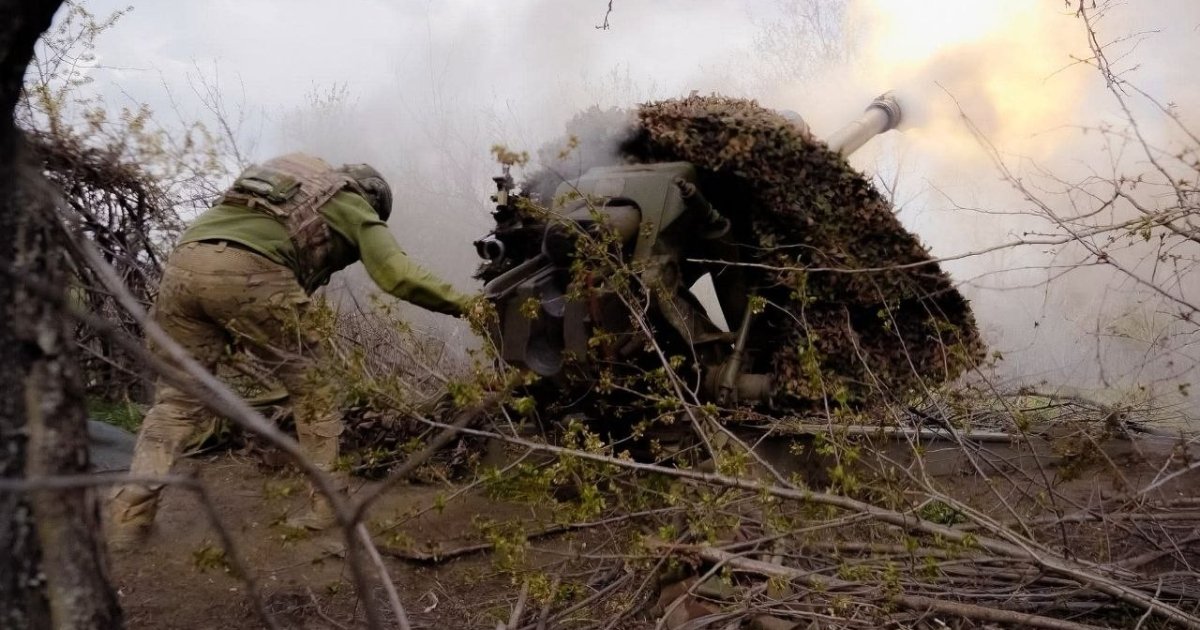
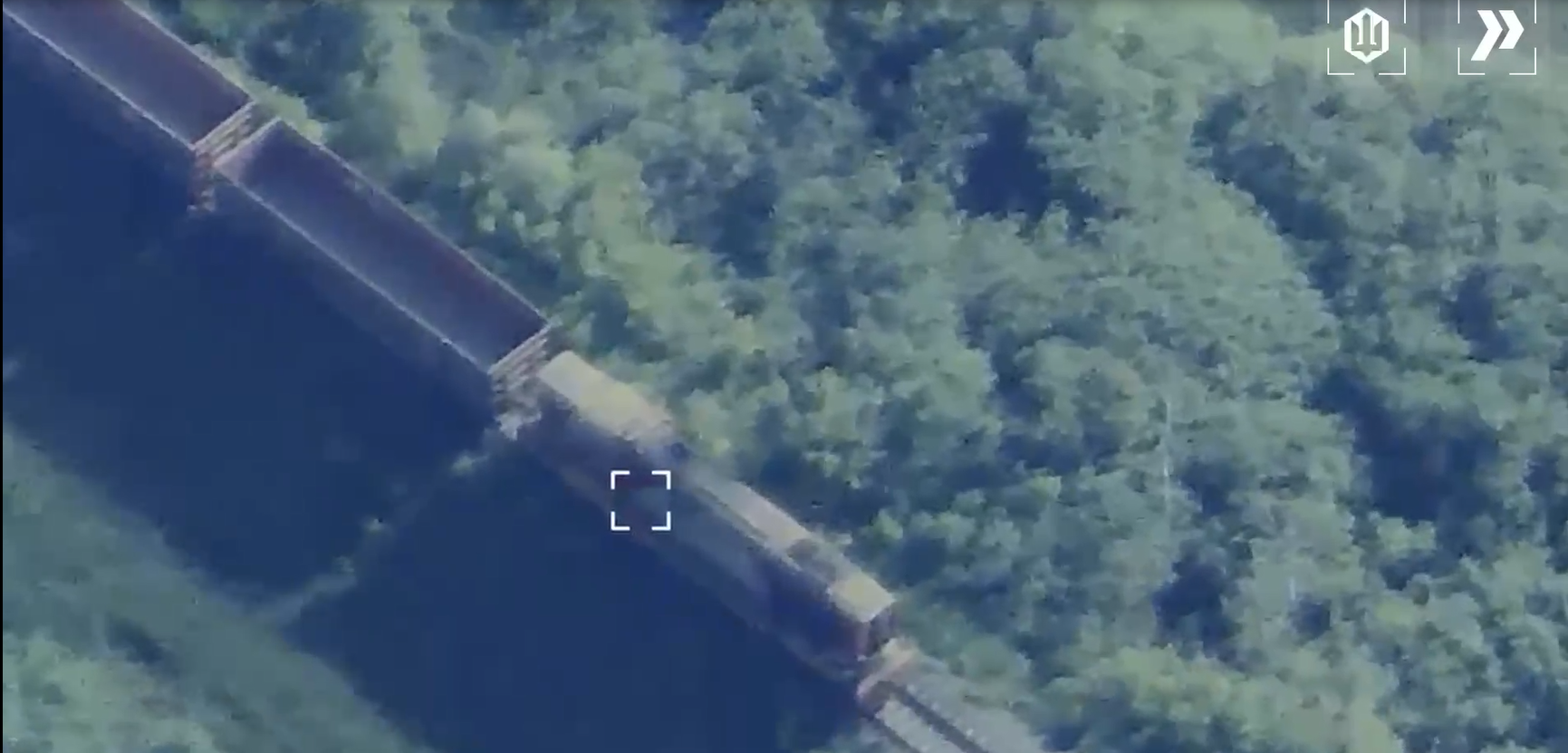
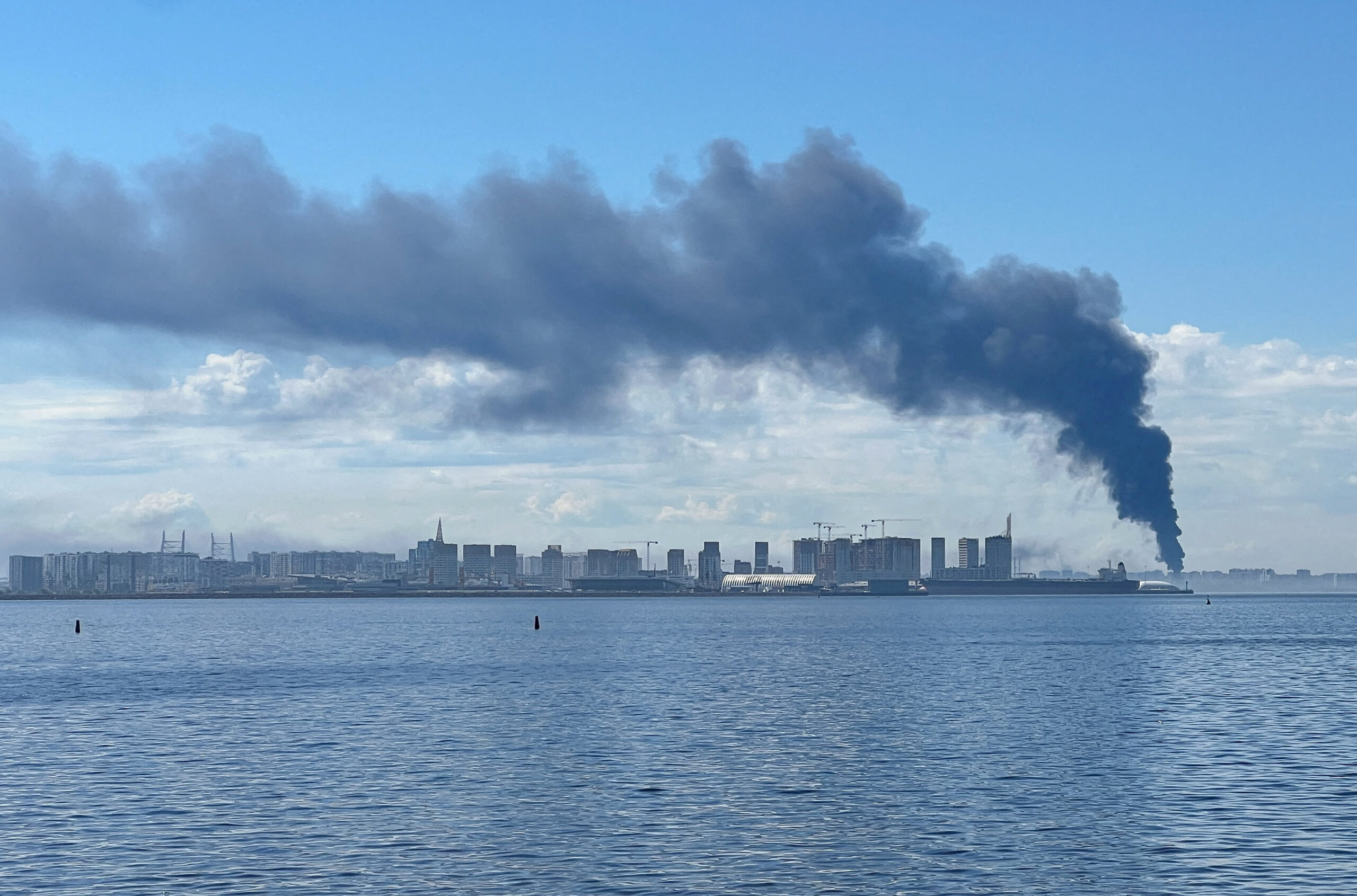
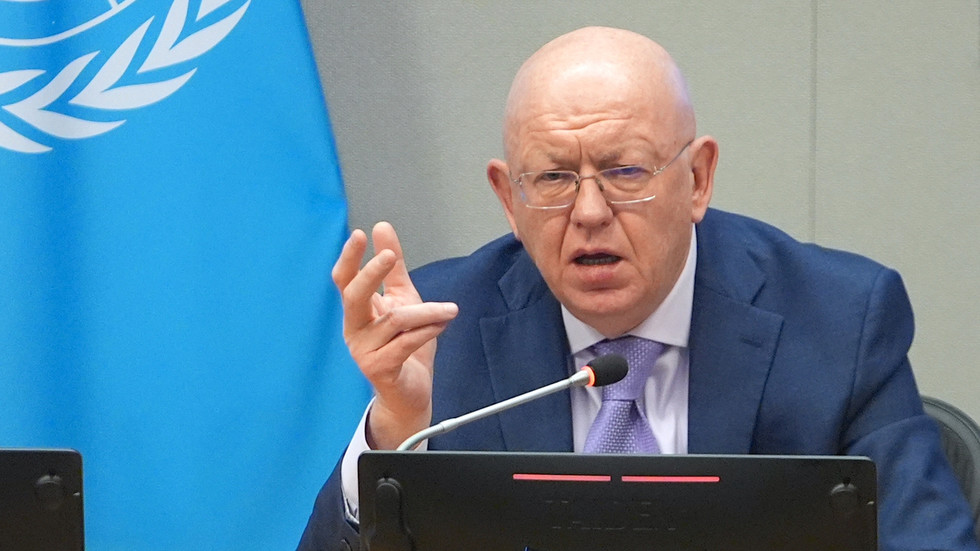
Reported: UN officials told the UN Security Council on 8 June that the war has reached its deadliest point since 2022 amid extensive aerial attacks and mounting civilian harm on both sides of the front line. Ukrainian reporting for 8 June cited 240 combat clashes, 86 Russian airstrikes with 265 guided bombs, attacks across multiple Sumy Oblast locations, 17 assaults around Kostiantynivka, and a halted advance toward Hlushkivka; Ukrainian defenders also stopped an offensive action toward Antonivka and struck two Russian troop concentrations and three UAV control points. Ukraine conducted deep strikes on 3-5 June, including drone attacks in St. Petersburg that hit a major oil terminal and a naval base, and strikes on five Russian cargo ships supporting logistics near occupied Berdyansk, Yalta, and Mariupol; Kyiv also targeted rail infrastructure and a brigade headquarters near Shchastia in occupied Luhansk. Diplomatically, Putin on 5 June rejected President Volodymyr Zelenskyy’s offer to negotiate and said operations will end only when Russian goals are met; Zelenskyy has called for a full ceasefire, and the UK urged Putin to engage in talks. Assessment: It is likely the front remains highly active but without decisive breakthroughs; Ukraine is very likely pursuing a campaign to degrade Russian logistics and air defenses in depth; the humanitarian toll is very likely worsening; and near‑term diplomacy is unlikely.
Key judgments
- Likely the front line across Ukraine remained highly active with heavy Russian air‑delivered munitions and numerous ground assaults as of 8 June 2026, but Ukrainian defenders stopped localized advances near Antonivka and Hlushkovka, indicating no decisive Russian breakthrough. (Confidence: medium)
- Very likely Ukrainian forces expanded a deep‑strike campaign between 3-5 June targeting Russian rear logistics and infrastructure, striking a major oil terminal and a naval base in St. Petersburg, five Russian cargo ships supporting logistics near occupied Berdyansk, Yalta, and Mariupol, and rail nodes in occupied Donetsk and Luhansk, to degrade supply chains and complicate Russian force sustainment. (Confidence: medium)
- Very likely the humanitarian toll is worsening and at its deadliest point since 2022, with extensive aerial attacks and Russian strikes impacting towns, civilian infrastructure, and even humanitarian personnel and facilities. (Confidence: high)
- Unlikely that near‑term Russia, Ukraine negotiations will occur: on 5 June Vladimir Putin rejected Volodymyr Zelenskyy’s offer to negotiate and asserted operations will end only when Russian goals are met; Putin also stated that conditions do not currently exist for a meeting, despite Zelenskyy’s call for a full ceasefire and UK calls for talks. (Confidence: high)
- Likely heightened escalation risk due to nuclear signaling: Putin issued veiled nuclear threats on 5 June while Ukraine conducted deep strikes into Russian territory and occupied areas, increasing the chance of escalatory retaliation. (Confidence: medium)
- Likely Russian air operations on 8 June focused on border‑adjacent Sumy Oblast municipalities, Fotovyzh, Tovstodubove, Bachevsk, Svobodna Sloboda, Sukhodol, Ulanove, Lesne, Partyzanske, Stukalivka, and Holyshivske, probably aiming to stretch Ukrainian air defenses and disrupt logistics nodes. (Confidence: low)
- Roughly even chance that the very high 8 June counts (9,184 kamikaze drones and 3,296 shellings) reflect cumulative or misinterpreted figures rather than single‑day usage, given concurrent reporting of 86 airstrikes and 265 guided bombs, limiting precise quantification of strike tempo. (Confidence: low)
Outlook & scenarios
Grinding combat with sustained Russian airstrikes, limited territorial shifts, 60%
Over the next 2-4 weeks, Russian forces maintain a high sortie rate and frequent assaults across multiple sectors (e.g., Sumy, Kostiantynivka), generating high daily clash counts without breakthrough, while localized Ukrainian defenses hold at nodes such as Antonivka and Hlushkovka. This aligns with 8 June reporting of 240 clashes, 86 airstrikes with 265 guided bombs, and multiple thwarted advances.
Ukrainian deep strikes degrade Russian rear sustainment, 45%
Ukraine continues deep‑strike operations into Russia and occupied areas, similar to the 3-5 June attacks in St. Petersburg and near Berdyansk, Yalta, and Mariupol, plus interdiction of rail links in occupied Donetsk/Luhansk. Result: episodic logistics bottlenecks, air‑defense retasking around strategic assets, and increased Russian force protection measures.
Escalatory signaling and retaliatory strikes, 25%
Kremlin messaging reprises veiled nuclear references (e.g., framing IRBM activities as tests) in tandem with intensified cross‑border or long‑range strikes in response to Ukrainian deep actions, elevating escalation risk while leaving the overall front largely unchanged.
Low‑probability pause after mass‑casualty event amid international pressure, 10%
A mass‑casualty strike and UNSC focus on the humanitarian situation, coupled with Zelenskyy’s public ceasefire call and allied urging for talks, trigger a short, localized operational pause and humanitarian access push; durable negotiations remain unlikely given Moscow’s 5 June posture.
Recommendations
- Prioritize GEOINT/OSINT cross‑checks of 8 June operational metrics: reconcile the reported 86 airstrikes/265 guided bombs with the 9,184 kamikaze drones/3,296 shellings to refine strike‑tempo estimates and attribution.
- Task collection on Sumy Oblast strike localities, Fotovyzh, Tovstodubove, Bachevsk, Svobodna Sloboda, Sukhodol, Ulanove, Lesne, Partyzanske, Stukalivka, Holyshivske, to map patterns of impact, likely axes of advance, and air‑defense gaps (e1b24d78).
- Monitor deep‑strike effects on Russian sustainment: validate reported hits on a St. Petersburg oil terminal/naval base and on five cargo ships near Berdyansk, Yalta, and Mariupol; fuse with rail interdiction reporting to assess compounded logistics stress.
- Maintain focused ISR on frontline choke points where Ukrainian forces reportedly held, Antonivka and approaches to Hlushkovka, and on the Kostiantynivka sector that saw 17 attacks, to warn of shifts toward breakthrough conditions.
- Track Russian strategic messaging and indicators around nuclear‑capable systems referenced on 5 June to anticipate escalation thresholds and tailor strategic communications and deterrence messaging (3979adea).
- Support humanitarian risk mapping with current strike patterns and UN reporting; flag risks to aid personnel/facilities and civilian infrastructure to interagency partners coordinating access and protection.
- Sustain diplomatic posture planning on the basis that near‑term talks are unlikely; incorporate both Moscow’s rejection and stated lack of conditions for a meeting into contingency planning for continued high‑intensity operations.
Confidence & uncertainty
Overall confidence is medium. Judgments on humanitarian deterioration and diplomatic stasis draw on high‑reliability multilateral and official sources with strong corroboration. Tactical assessments rely primarily on single‑day Ukrainian reporting and contain internal discrepancies (a3dbe295 vs. 4d49ae8a), lowering confidence in precise quantification of strike tempo. Deep‑strike findings are supported by think‑tank and media reporting with moderate corroboration, while escalation‑risk judgments incorporate single‑source nuclear signaling (3979adea). Key uncertainties include the true scale of daily Russian strike volumes, the durability of Ukrainian deep‑strike effects on Russian logistics, and potential shifts in Kremlin escalation calculus.