Ukraine Frontline Update: Russian Pressure Grows on Kramatorsk Axis and Orikhiv as Airstrike Tempo Peaks
Time window: Last 7 days · Audience: General analyst · Type: Situation report · DTG: 2026-06-10 07:18Z · Overall confidence: MEDIUM
BLUF
Russian forces very likely intensified assaults around Kostiantynivka, Sloviansk and renewed attacks toward Orikhiv in early June, while the war’s lethality and aerial strike tempo reached their highest levels since 2022. Ukraine likely offset some pressure with deep‑strike and maritime operations, but near‑term de‑escalation is very unlikely given Moscow’s rejection of talks.
Executive summary
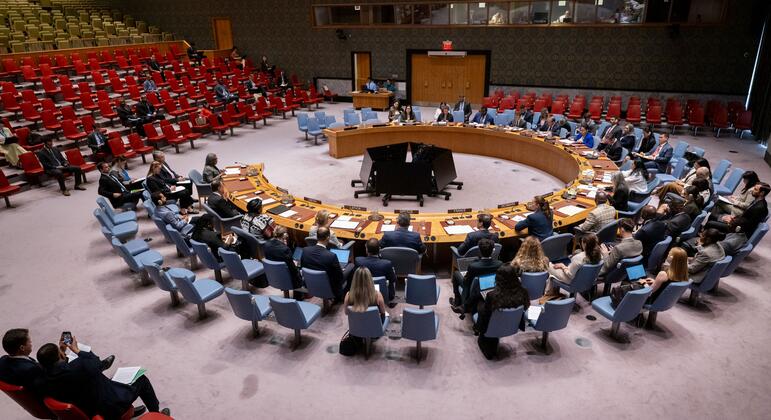
Between 3-10 June 2026, Russia very likely consolidated recent local gains and stepped up assaults along the Kramatorsk axis, advancing on Kostiantynivka from two directions along the Kryvyi Torets River and intensifying pressure toward Sloviansk on 8 June, while also resuming an offensive on Orikhiv from the Huliaipole direction after seizing nearby settlements. UN officials assessed the conflict has reached its deadliest point since 2022 amid some of the most extensive aerial attacks of the war, prompting a UN Security Council session. Ukraine likely retained limited operational initiative through expanded deep‑strike campaigns on Russian military‑industrial and energy infrastructure and by sustaining maritime security operations that kept hundreds of vessels transiting to Odesa and Danube ports in May. With President Vladimir Putin rejecting a 5 June negotiation proposal, a near‑term ceasefire is very unlikely.
Key judgments
- Russia very likely intensified multi‑axis pressure in early June, consolidating tactical gains and pressing assaults on the Kramatorsk axis (Kostiantynivka, Sloviansk) and in Zaporizhzhia, including a renewed push on Orikhiv from Huliaipole. (Confidence: high)
- The war almost certainly reached its deadliest phase since 2022 as of 8 June, amid some of the most extensive aerial attacks of the conflict and a sharp nationwide escalation in hostilities. (Confidence: high)
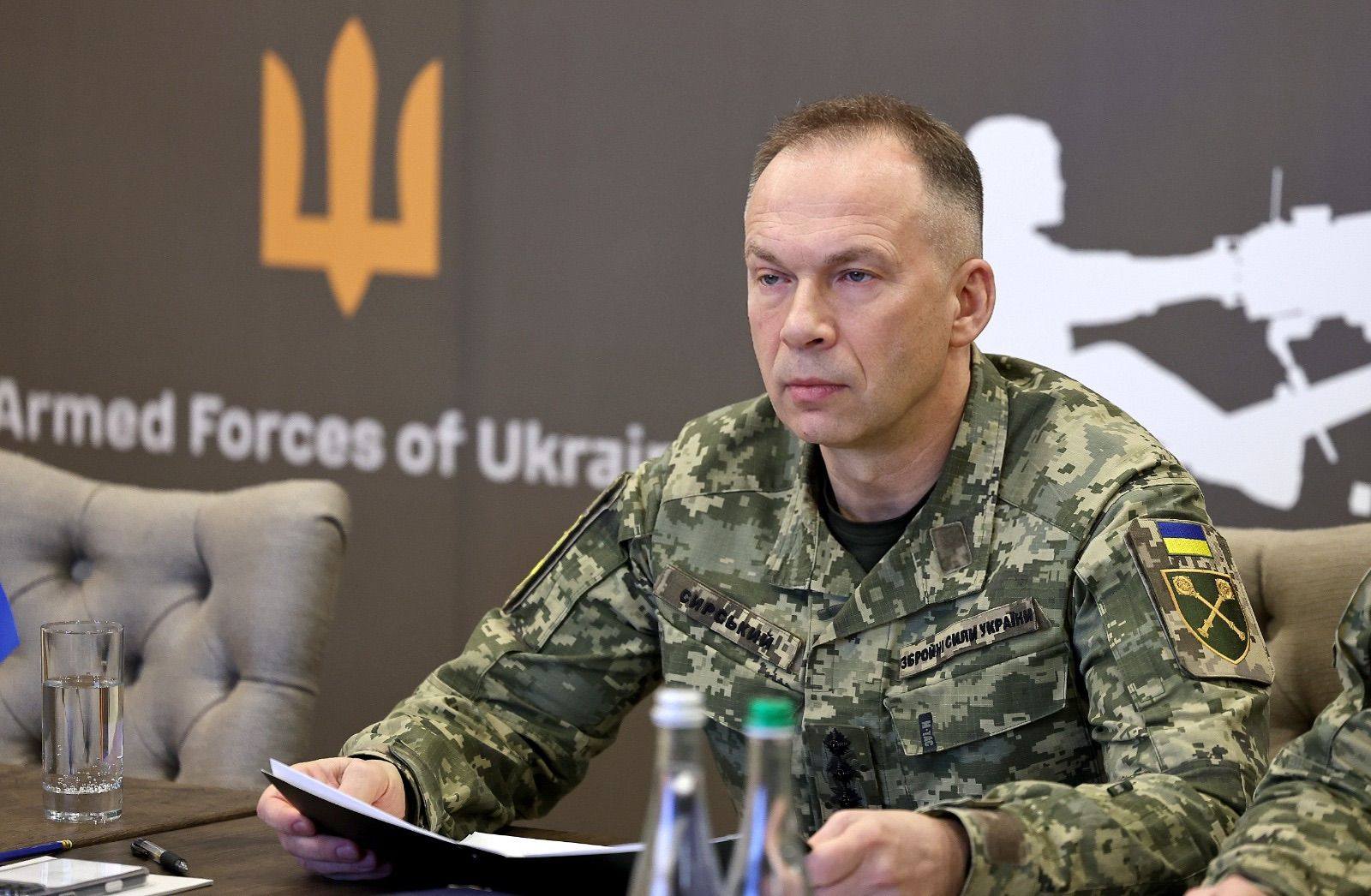
- Ukraine likely retained limited operational initiative via expanded deep‑strike and maritime security operations, imposing costs on Russian logistics and reporting a net territorial gain along the front in May. (Confidence: medium)
- Near‑term de‑escalation is very unlikely: President Vladimir Putin rejected President Volodymyr Zelensky’s 5 June offer to negotiate as UN leadership called for a ceasefire and the Security Council met over the escalation. (Confidence: high)
- Thermal fire detections recorded over Ukraine during 6-9 June very likely corroborate multiple active fire zones consistent with ongoing strikes and shelling; however, the data records heat signatures and does not attribute cause. (Confidence: medium)
- Russian airstrikes likely caused civilian injuries in Sloviansk on 8 June, underscoring immediate risks to population centers along the Donetsk front; this rests on single‑source reporting and should be treated with caution. (Confidence: low)
Outlook & scenarios
Continued Russian grinding advances on the Kramatorsk axis and toward Orikhiv, 60%
Over the next 2-4 weeks, Russian forces maintain high operational tempo and secure additional, localized gains around Kostiantynivka, Sloviansk and along the Huliaipole, Orikhiv line. Urban pressures increase, with elevated indirect‑fire and air‑delivered munitions against front‑line towns, while Ukrainian defenses trade space for time.
Ukrainian stabilization and localized counterattacks, 40%
Ukrainian deep‑strike activity and targeted counterattacks disrupt Russian logistics and blunt momentum, yielding stabilization around Kostiantynivka, Sloviansk and Orikhiv and limited territorial recovery similar to May’s net gains. Fighting remains attritional with high air‑strike tempo.
Air and missile escalation drives higher civilian harm and infrastructure disruption, 30%
Strike intensity expands beyond front‑line areas, sustaining or exceeding recent aerial attack levels. Civilian casualties and damage to energy and industrial nodes rise, prompting further UN engagement without a corresponding de‑escalation.
Negotiations remain stalled; high‑intensity operations persist through summer, 70%
With Moscow publicly rejecting talks and no ceasefire traction, both sides sustain high‑intensity operations. Front lines shift incrementally, with continued risk to urban centers on the Donetsk and Zaporizhzhia axes.
Recommendations
- Prioritize ISR on the Kostiantynivka urban approaches and the Kryvyi Torets River line to confirm the two‑direction Russian push and assess prospects for further penetration.
- Establish a focused collection plan on the Huliaipole, Orikhiv axis to track Russian force concentrations and assess risks to Ukrainian supply routes and urban areas.
- Fuse NASA VIIRS thermal detections with tactical reporting and commercial imagery to cue verification of active fire zones, noting that heat signatures require corroboration for cause attribution.
- Maintain a running OSINT ledger of Ukrainian deep‑strike effects against military‑industrial, energy, and logistics infrastructure to quantify operational impacts and anticipate Russian adaptation.
- Produce daily urban‑risk updates for Sloviansk, Kostiantynivka, and Orikhiv incorporating strike patterns and civil‑harm indicators to support humanitarian early warning and consequence management planning.
Confidence & uncertainty
Overall confidence is medium. High‑reliability multilateral reporting supports assessments of heightened lethality and aerial strike tempo, and independent coverage corroborates intensified Russian activity around Kostiantynivka, Sloviansk, and Orikhiv. Ukrainian‑sourced metrics on deep‑strike effects and net gains are plausible but only partially corroborated, lowering confidence on the scale of effects. Satellite thermal detections corroborate active fire zones but cannot attribute cause. Some localized casualty reporting is single‑source and marked low confidence.
Cited sources
[1] meduza.io, Putin says Russian troops are advancing on every front. In reality, the main battle is around Kramatorsk, and Ukraine could hold the city through 2026. (B) · Sat Jun 06 2026 00:00:00 GMT+0000 (Coordinated Universal Time) [2] understandingwar.org, Russian Offensive Campaign Assessment, June 8, 2026 (B) [3] United Nations, Security Council LIVE: UN officials warn humanitarian toll in Ukraine is worsening (A) [4] kyivindependent.com, Ukraine recaptures more territory than it loses along front line in May, Syrskyi says (A) [5] Institute for the Study of War, Russian Offensive Campaign Assessment, June 5, 2026 (B) [6] United Nations, ‘The ocean has no boundaries’: Beauty and life in a war zone (B) [7] NASA, NASA FIRMS thermal detections, Ukraine (5d) (A)