TLP:CLEAR · Disclosure is not limited.
Ukraine: High-ballistic barrage on Kyiv, tit-for-tat strikes likely to continue
Time window: Last 1 day · Audience: General analyst · Type: Situation report · DTG: 2026-07-03 15:18Z · Overall confidence: MEDIUM
BLUF
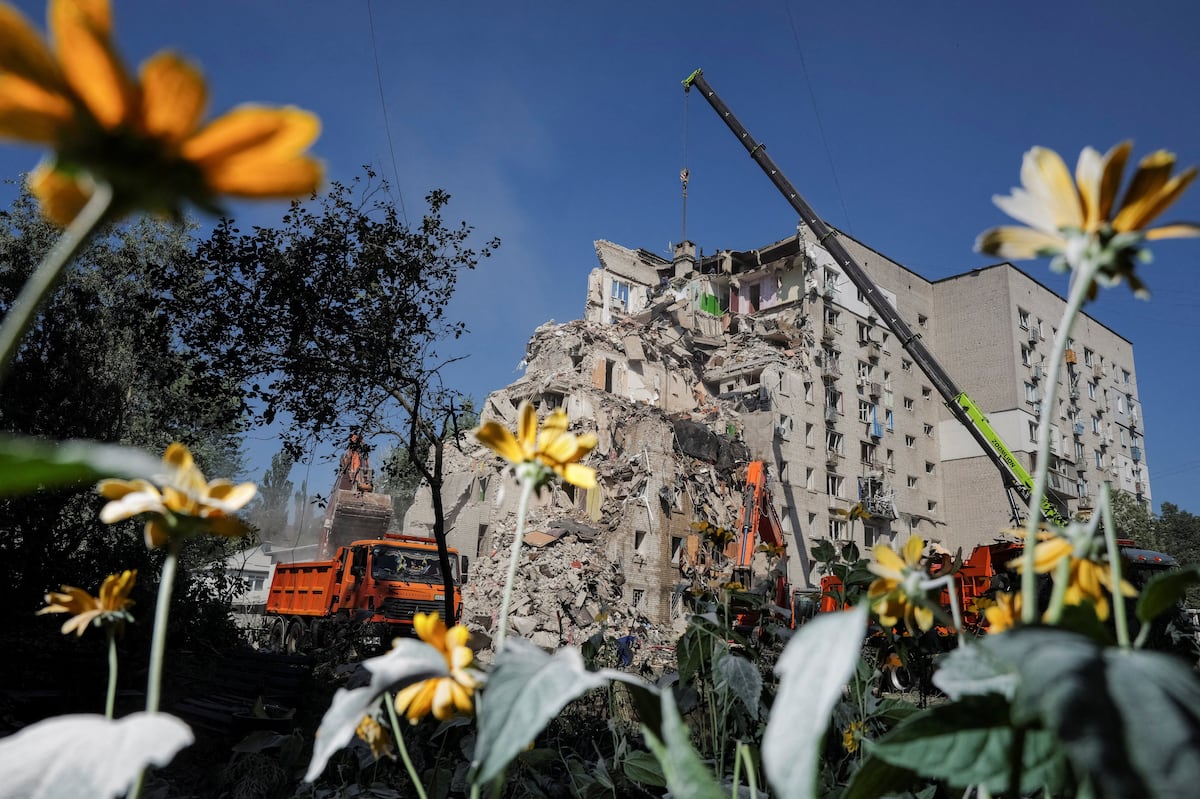
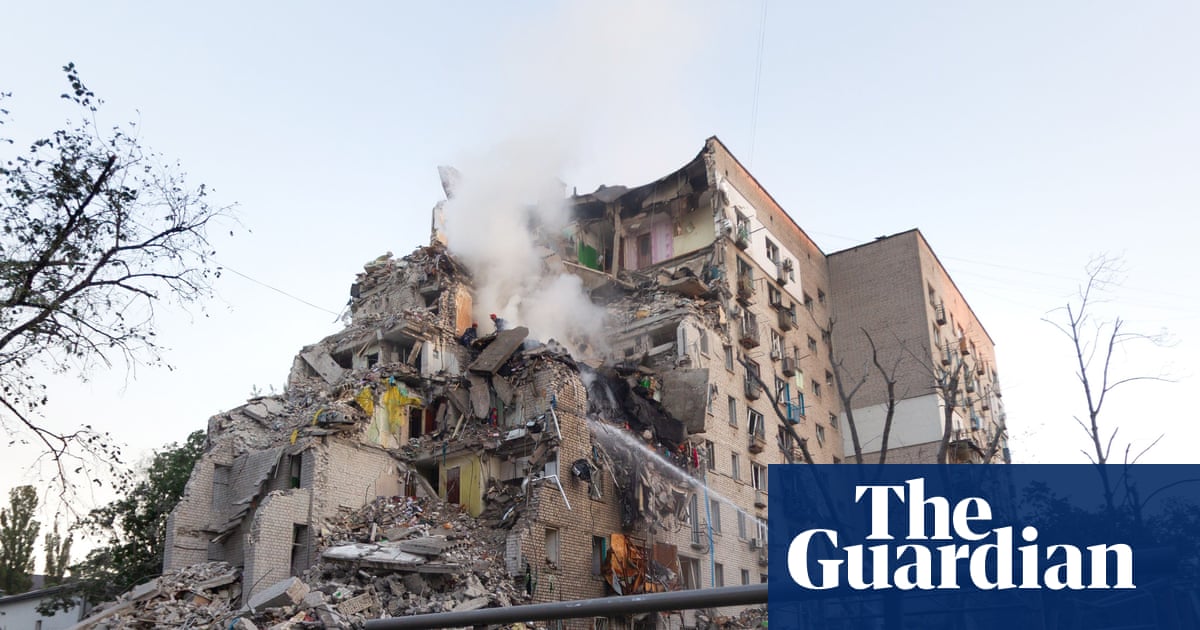
Russia’s 2 July attack on Kyiv was one of the war’s biggest and deadliest, with a high share of ballistic missiles, at least 20 killed, roughly 25 sites struck and more than 90 wounded. Russian signalling and independent analysis point to a likely continued two‑week strike cycle, while Ukraine is set to intensify deep strikes into Crimea and Russia through a declared 40‑day campaign.
Executive summary
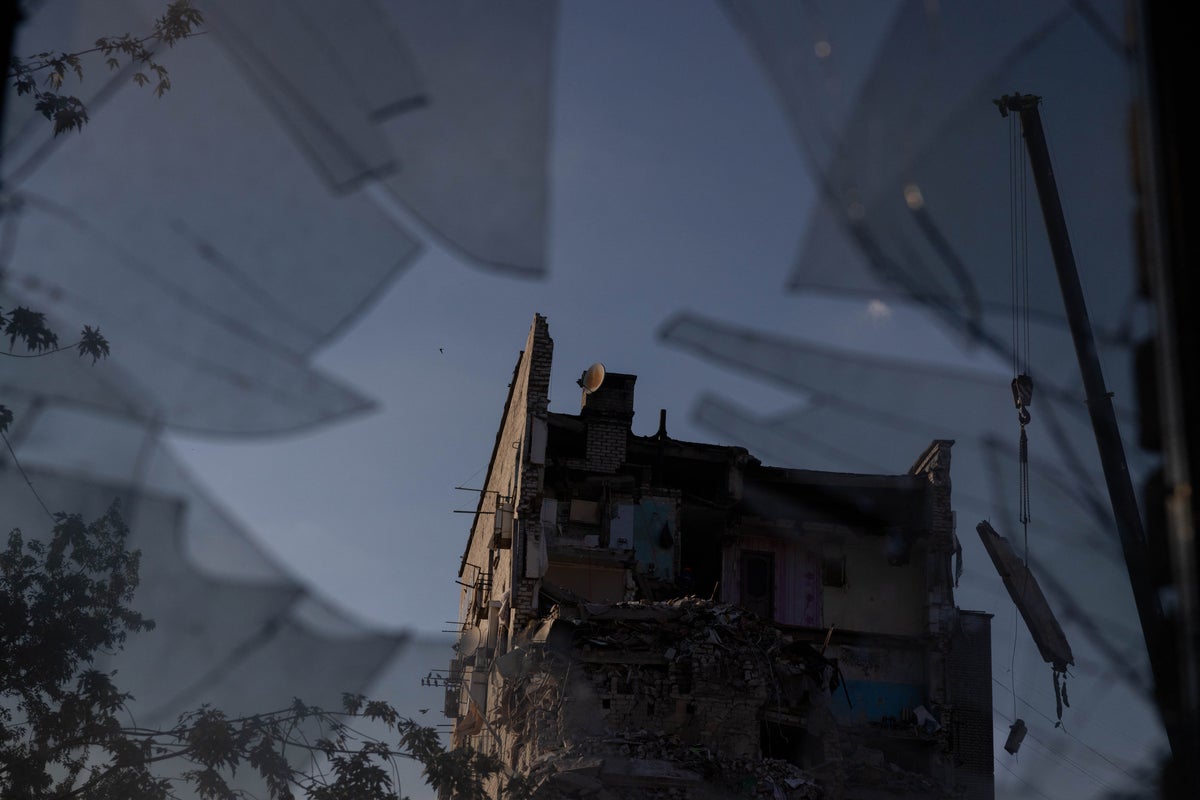
Kyiv absorbed an exceptionally large air attack on 2 July that combined hundreds of drones and dozens of missiles, including at least 28 ballistic missiles out of 77, killing at least 20 people, wounding more than 90 and damaging around 130 buildings across some 25 strike locations. Kyiv declared a day of mourning, tens of thousands sheltered in the metro overnight and the UN Secretary‑General condemned the attacks. Moscow framed the operation as retaliation targeting military‑industrial and energy sites, and open‑source analysis indicates Russia has likely adopted a two‑week cycle for massed strikes on the capital. In parallel, Ukraine has publicly committed to a 40‑day campaign of mid‑ and long‑range strikes and has already reported hitting airfields in Crimea, alongside incidents in Russia’s Belgorod region. Both sides’ rhetoric points to near‑term escalation that will keep civilian risk in Ukrainian urban centres high and sustain strike activity inside Crimea and Russia.
Change from previous assessment
Compared with the prior brief, casualty and damage estimates for the 2 July Kyiv attack have risen and been corroborated across multiple sources, and the ballistic share has been specified at 28 of 77 missiles. Kyiv declared a day of mourning, the UN condemned the strikes and detailed reporting indicates roughly 25 sites were hit. New reporting highlights Ukraine’s declared 40‑day deep‑strike campaign and claimed hits on Crimea airfields, as well as incidents in Belgorod, while open‑source analysis suggests Russia has likely moved to a two‑week strike cadence. This update incorporates these developments and raises the assessed likelihood of continued tit‑for‑tat strikes.
Key judgments
- Russia very likely executed one of the war’s biggest and deadliest air attacks on Kyiv on 2 July, with at least 20 killed, more than 90 wounded, roughly 25 sites hit and around 130 buildings damaged, and with a high ballistic component that complicated air defence. (Confidence: high · REPORTED)
- I&W: Kyiv releases a consolidated casualty and damage report for 2 July confirming fatalities at or above 20 and roughly 130 structures damaged across about 25 sites. (0-14 days)
- I&W: Independent satellite and open‑source damage mapping validates widespread impact across multiple Kyiv districts from the 2 July strike. (0-30 days)
- Russia likely intends to sustain massed strikes on a roughly two‑week cycle and continues to frame them as retaliation targeting military‑industrial and energy sites. (Confidence: medium · ASSESSED)
- I&W: Another large mixed missile‑drone strike against Kyiv in mid‑July with official Russian messaging linking it to Ukrainian cross‑border operations. (0-21 days)
- I&W: A two‑week period without large‑scale attacks on Kyiv or official guidance shifting focus away from urban targets. (0-1 month)
- Despite high reported interception rates against cruise missiles and Shahed‑type drones, the increased share of ballistic missiles very likely reduces Ukraine’s ability to prevent civilian harm in urban areas. (Confidence: medium · ASSESSED)
- I&W: Future barrages include 20 or more ballistic missiles with urban casualties reported despite high cruise‑missile and Shahed intercept figures. (0-1 month)
- I&W: Verified shoot‑downs of a majority of ballistic missiles in a subsequent Kyiv attack or a sustained decline in reported urban casualties. (0-2 months)
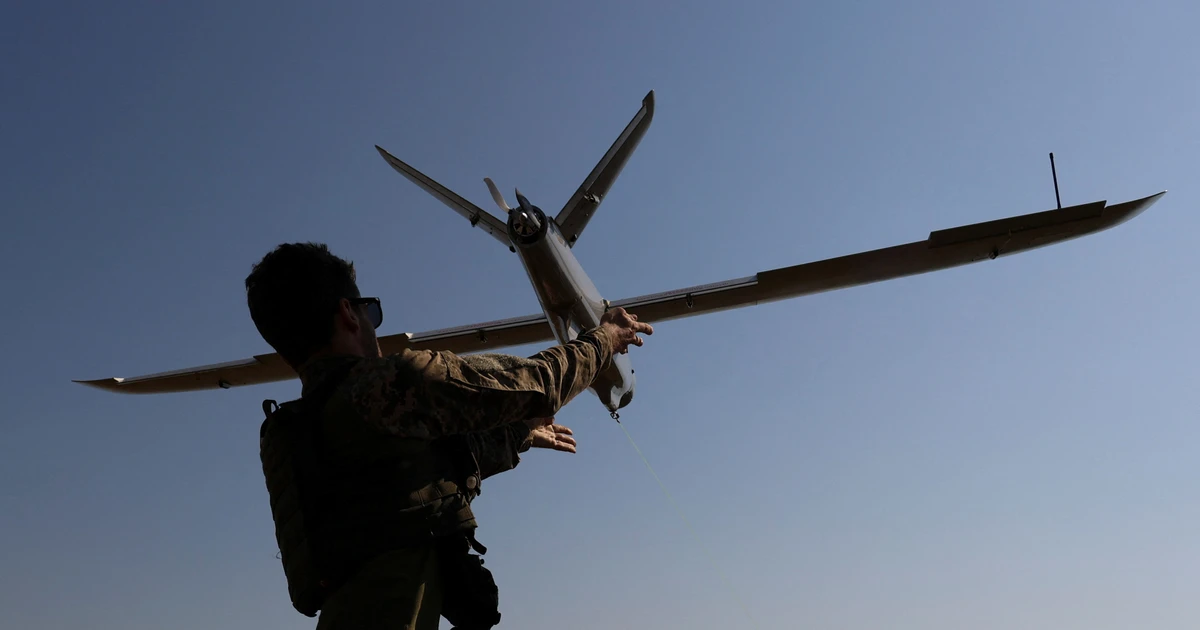
- Ukraine is likely to continue and intensify deep strikes into Crimea and Russia through July as part of a declared 40‑day campaign, including repeat attacks on airfields and logistics nodes. (Confidence: medium · ASSESSED)
- I&W: New imagery or official reporting shows additional aircraft losses or facility damage at Crimea’s Saki or Gvardeyskoye airfields. (0-30 days)
- I&W: A multiweek lull in reported cross‑border strikes or public suspension of the 40‑day operation by Kyiv. (0-30 days)
- Both sides very likely plan near‑term escalation after the Kyiv barrage, with the Kremlin vowing to ramp up pressure and President Volodymyr Zelenskyy pledging retaliation, keeping civilian risk elevated and cross‑border strike activity active. (Confidence: medium · ASSESSED)
- I&W: Official Russian statements and subsequent massed salvos on Ukrainian urban centres within the next two weeks coupled with Ukrainian claims of further long‑range strikes. (0-21 days)
- I&W: De‑escalatory rhetoric from either side accompanied by an observable reduction in the scale or frequency of strikes. (0-1 month)
Outlook & scenarios
Rolling two‑week Russian strike cadence against Kyiv with high ballistic share (60%)
Russia sustains a roughly fortnightly pattern of massed attacks on Kyiv, maintaining or increasing the proportion of ballistic missiles to compress warning times and stress air defences. Expected effects include recurring mass sheltering, periodic days of mourning, and continued UN and partner condemnation.
Ukrainian deep‑strike campaign expands across Crimea and border regions (50%)
Ukraine intensifies mid‑ and long‑range strikes under the 40‑day operation, repeatedly targeting airfields at Saki and Gvardeyskoye and hitting fuel, drone and logistics sites in Russia’s border oblasts. Russia answers with renewed urban salvos, reinforcing the tit‑for‑tat dynamic.
Defensive adaptation blunts impact of Russian barrages (30%)
Ukraine fields additional low‑cost interceptors while optimising existing systems, sustaining high interception rates against cruise missiles and Shaheds and marginally improving outcomes against ballistic threats. Civilian casualties and damage per salvo decline, though risk remains elevated during peak barrages.
Recommendations
- Build a strike cadence watchboard for Kyiv that tracks salvo timing, missile taxonomy and observed impacts to validate or refute a two‑week cycle and to anticipate the next high‑risk windows.
- Task commercial SAR and optical imagery to Crimea’s Saki and Gvardeyskoye airfields and to Belgorod and adjacent Russian border areas within 12-36 hours after reported strikes to generate quick‑turn battle damage assessments.
- Correlate Ukrainian interception claims with debris recovery, impact mapping and open‑source video to assess effectiveness by missile type, with a focus on the ballistic share.
- Monitor Kyiv Metro shelter occupancy and municipal casualty reporting as proximate indicators of civilian risk during future barrages, and map these against strike patterns by district.
- Prioritise collection on Russian launch platforms and staging areas that correspond to ballistic employment, alongside messaging that frames operations as retaliation, to refine intent and warning.
- Track Ukrainian statements and claimed targets associated with the 40‑day strike campaign to anticipate Russian response cycles and likely urban target sets.
Confidence & uncertainty
Multiple reliable sources converge on the scale, timing and impact of the 2 July Kyiv attack, including UN condemnation, local authorities, and major media, which supports high confidence in the core facts. Other elements rest on single‑source or analytic reporting, such as the asserted two‑week Russian strike cycle and detailed battle damage in Crimea, and casualty figures vary across outlets. Official statements from both sides are credible as to intent but are not neutral, and precise missile taxonomy and interception performance are partly self‑reported. These factors yield an overall medium confidence assessment.
Intelligence gaps
- [EEI 1.1 · UNCOVERED] Number of airstrikes and aircraft/UCAV sorties per 24-hour period, broken down by administrative region and timestamped geolocation of each strike/strike cluster. Recommended collection: air defense radar/ADS-B
- [EEI 1.2 · UNCOVERED] Types of delivery platforms and munitions observed (fixed-wing aircraft model, helicopters, cruise missiles, ballistic missiles, guided bombs, loitering munitions) with visual/forensic confirmation of munition remnants where possible. Recommended collection: satellite/imagery; munition forensics
- [EEI 1.3 · UNCOVERED] Airspace access and sortie origin information: airbases, staging areas, tanker/ISR support flights, and routing corridors used in the last 7 days. Recommended collection: airspace/ADS-B; satellite/imagery
- [EEI 1.4 · UNCOVERED] Changes in temporal or target-patterns compared to the prior baseline (new target types, time-of-day shifts, concentration on specific infrastructure or front sectors). Recommended collection: open-source media; satellite/imagery
- [EEI 2.1 · UNCOVERED] Confirmed civilian fatalities and injuries attributed to airstrikes by location and date, including hospital admission logs and mortuary reports. Recommended collection: civilian authorities/human intelligence
- [EEI 2.2 · UNCOVERED] Functional status reports and capacity of hospitals and emergency services in strike-affected areas (beds available, emergency department functionality, evacuation of patients). Recommended collection: humanitarian organizations/civilian authorities
- [EEI 2.3 · UNCOVERED] Operational outages and damage reports for critical infrastructure (power plants/substations, water treatment, telecommunications, rail junctions, bridges) with geolocated pre/post imagery where feasible. Recommended collection: utility operators; satellite/imagery
- [EEI 2.4 · UNCOVERED] Population displacement metrics: numbers and routes of internally displaced persons, shelter occupancy rates, and evidence of mass evacuations or blocked humanitarian access corridors. Recommended collection: humanitarian organizations; social media
- [EEI 3.1 · UNCOVERED] Statements, orders, or internal communications (official or leaked) indicating stated campaign objectives, target prioritization, or changes in rules of engagement. Recommended collection: signals/COMINT; open-source media
- [EEI 3.2 · UNCOVERED] Evidence of munitions and parts resupply rates: documented deliveries to forward depots/airbases, rail/road convoys with munitions manifest, or satellite imagery showing stockpile levels over time. Recommended collection: logistics tracking; satellite/imagery
- [EEI 3.3 · UNCOVERED] Indicators of escalatory posture or force employment changes: deployment or activation of long-range strike assets, increased sorties of strategic platforms, or movement/deployment of additional surface-to-air systems. Recommended collection: satellite/imagery; air defense radar
- [EEI 3.4 · UNCOVERED] Foreign involvement or external support evidence: observed deliveries of strike munitions, presence of foreign contractor personnel at bases, or procurement transactions tied to the campaign. Recommended collection: customs/open-source intelligence; satellite/imagery
Cited sources
[1] ООН · Главные новости дня | четверг: Украина, Персидский залив, Сирия, хантавирус (A) · sha256:4a31d0844c03 [2] defensenews.com · Russia bombards Kyiv in one of war’s biggest strikes, at least 21 people killed (A) · sha256:8b433a9f942e [3] cnn.com · Russia’s latest attack on Kyiv was exceptionally deadly – here is why | CNN (A) · sha256:c79bdd2ad64c [4] meduza.io · Война (B) · sha256:56cc5b1e26fe [5] newsru.co.il · Отчет минобороны РФ об "СВО" в Украине. 1591-й день войны - NEWSru.co.il (B) · sha256:c3c9ebb3d0c7 [6] Al Jazeera · Russia’s advance collapses in Ukraine, ‘40,000’ troops killed in June (A) · sha256:35494e0c060b [7] The Independent · Ukraine-Russia war latest: Moscow launches wave of attacks after deadliest strike on Kyiv this year (A) · sha256:517b1348fb05 [8] vietnam.vn · Украина утверждает, что число атак вглубь российской территории увеличилось на 1150%. (B) · sha256:d436f99626cf [9] theguardian.com · Ukraine war briefing: Both sides vow to escalate fighting after Russia’s deadly Kyiv barrage (A) · sha256:5c90cd551bcb
Source content hashes were computed at collection time; the cited text is preserved unmodified for the life of this product.
TLP:CLEAR