TLP:CLEAR · Disclosure is not limited.
Ukraine: Long-Range Strike Campaign Intensifies Amid Stalled Diplomacy
Time window: Last 1 day · Audience: General analyst · Type: Situation report · DTG: 2026-09-07 19:36Z · Overall confidence: HIGH
BLUF
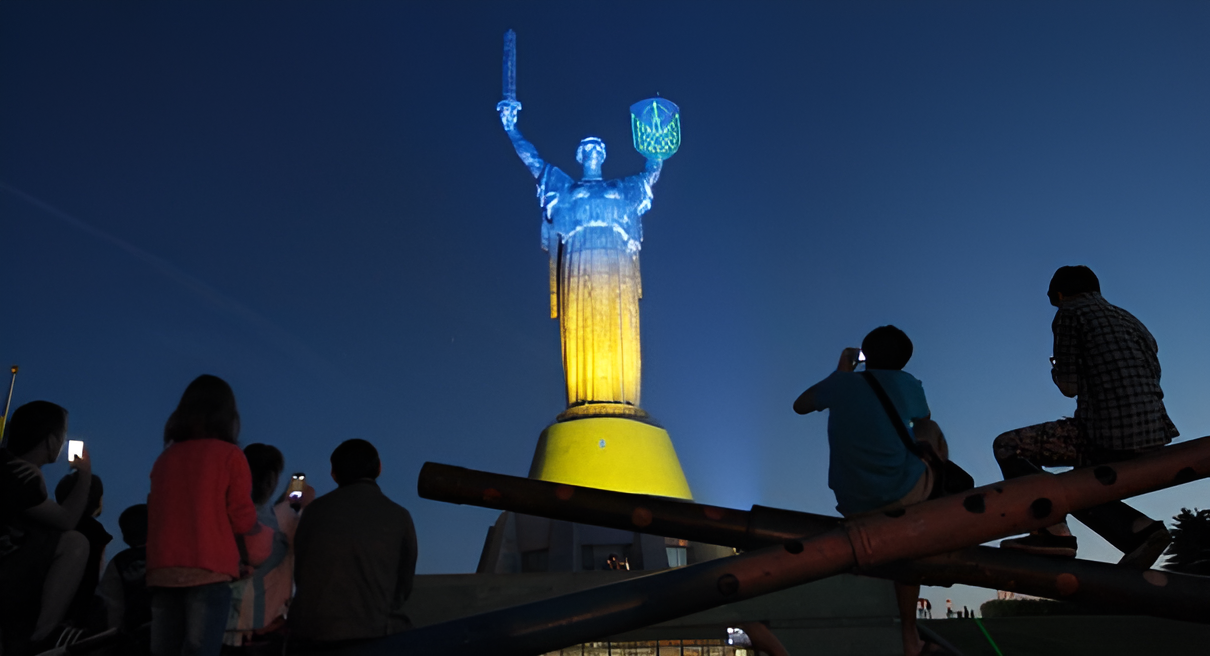
Russian forces have sustained day-and-night missile and drone attacks against Kyiv over the past 10 days, with further strikes reported in Kyiv Oblast and Kharkiv Oblast. The reporting supports a broader long-range strike phase, but does not yet establish a quantified increase in casualties or infrastructure damage. US-mediated talks have generated contact but no demonstrated ceasefire.
Executive summary
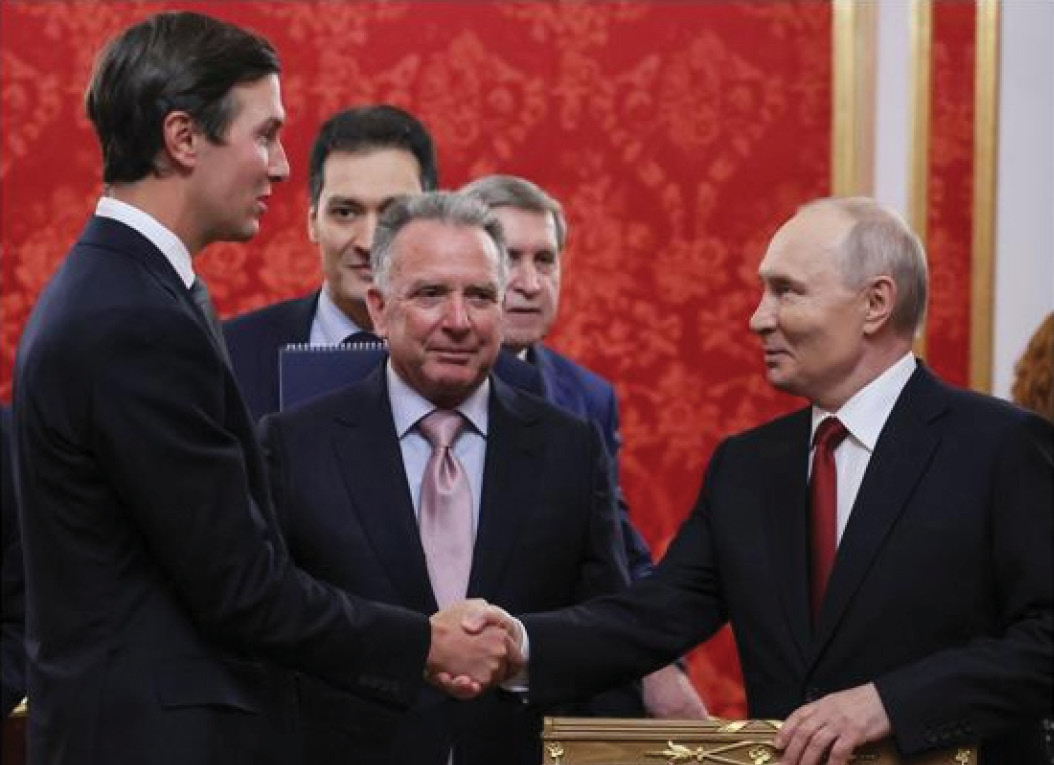
Russian forces struck Kyiv and nearby areas before and during the 5 to 6 September visit of US envoys Steve Witkoff and Jared Kushner, disrupting their planned air travel and reportedly striking sites in Bucha Raion and Fastiv. Russian attacks on Kharkiv and 13 settlements in Kharkiv Oblast injured five people on 6 September. Ukraine is signalling an expanded deep-strike campaign against Russian factories, warehouses and refineries, while reporting indicates shortages of Patriot interceptors and concern about attacks on Kyiv's electricity, water and heating networks. Putin and the US envoys held talks in Moscow on 5 September, followed by discussions with Volodymyr Zelensky in Kyiv on 6 September, but accounts differ on whether the talks produced meaningful progress.
Change from previous assessment
This brief replaces the prior insufficient assessment with a high-confidence judgement that Russian forces have sustained intensive missile and drone activity against Kyiv and other Ukrainian locations. It adds new judgements on civilian risk, reciprocal deep strikes, air-defence strain, the limits of US-mediated diplomacy and the likelihood of continued pressure around Donetsk Oblast.
Key judgments
- Russian forces have sustained a high-tempo missile and drone campaign against Kyiv and other Ukrainian locations. Reporting describes day-and-night attacks on Kyiv over the 10 days before 6 September, strikes on airports near Kyiv on 6 September, attacks in Bucha Raion and Fastiv during the night of 5 to 6 September, and strikes on Kharkiv and 13 settlements in Kharkiv Oblast that injured five people. (Confidence: high · REPORTED)
- I&W: Confirming indicator: Ukrainian authorities report Russian missile or drone strikes in Kyiv or Kyiv Oblast on at least three separate days after 7 September. (0-14 days)
- I&W: Breaking indicator: no further Russian missile or drone strike is reported in Kyiv or Kyiv Oblast during the 14 days after 7 September. (0-14 days)
- Civilian and infrastructure risk in Ukraine is likely to increase during the coming months, but the supplied reporting does not establish a quantified rise in casualties or damage. The immediate confirmed civilian impact is five people injured in Kharkiv Oblast, while the assessment of wider harm rests chiefly on Serhii Beskrestnov's warning that air defences are overwhelmed, Ukraine's reported Patriot interceptor shortage, and concern about attacks on Kyiv's electricity, water and heating networks. Confidence is medium because these wider risk indicators are largely single-source assessments. (Confidence: medium · ASSESSED)
- I&W: Confirming indicator: Ukrainian authorities report outages affecting electricity, water or heating in Kyiv and activate measures for elderly or otherwise vulnerable residents. (0-30 days)
- I&W: Breaking indicator: Kyiv records no reported disruption to electricity, water or heating and no comparable increase in civilian casualties during the next 30 days. (0-30 days)
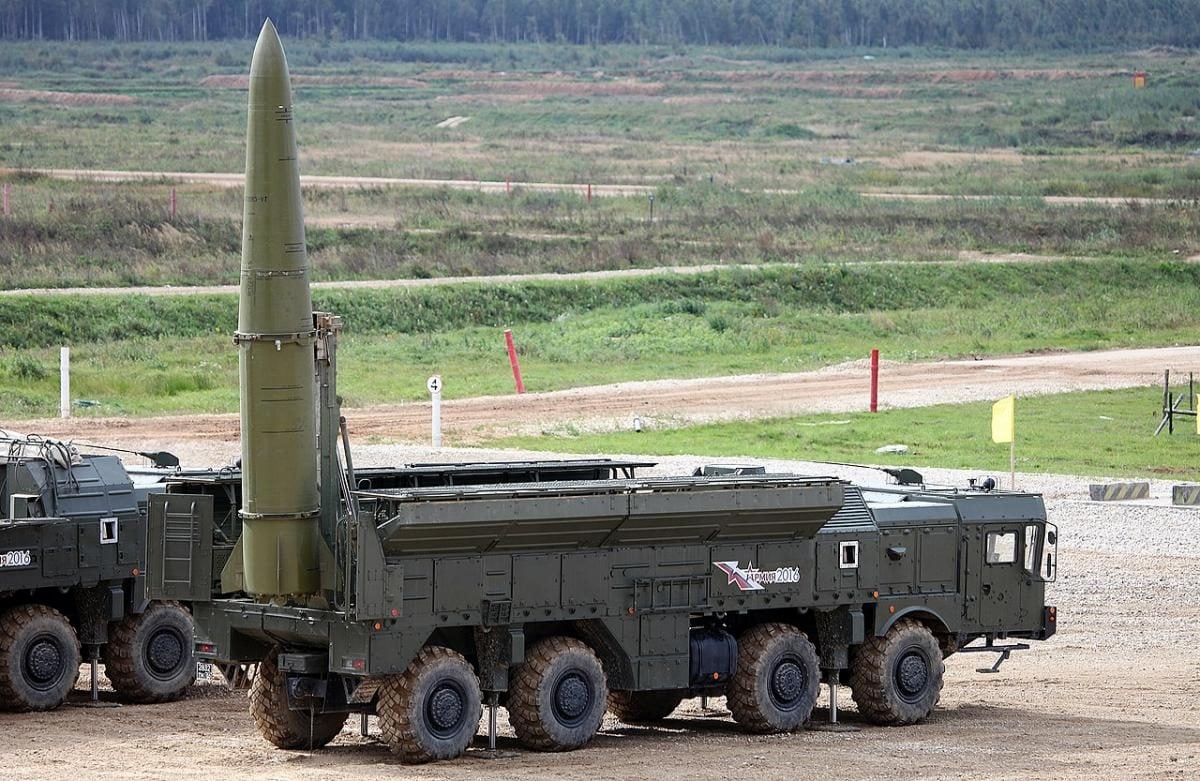
- Reciprocal long-range attacks are likely to expand in scope through autumn 2026. Serhii Beskrestnov said Ukraine aims to launch approximately 1,000 drones daily and disrupt Russian civilian air traffic, while Kyiv intends to intensify attacks on Russian factories, warehouses and refineries. Ukraine has already reported strikes on Russian refineries, oil terminals and Wildberries warehouses. Russia is assessed by Ukraine's Main Intelligence Directorate to produce more than 200 cruise and ballistic missiles each month. Reporting on the prospective Uran-2 missile is less reliable and conflicts with the separate assessment that the 9M723-2 has a confirmed range of up to 550 kilometres. (Confidence: medium · ASSESSED)
- I&W: Confirming indicator: independently corroborated Ukrainian strikes hit a named Russian refinery, oil terminal, factory, warehouse or air-traffic facility, while Russian forces conduct an additional long-range strike on a Ukrainian city. (0-30 days)
- I&W: Breaking indicator: no independently corroborated Ukrainian deep strike is reported and Russia does not conduct a further long-range strike on a Ukrainian city during the next 30 days. (0-30 days)
- US-mediated contacts are unlikely to produce a durable ceasefire in the next 30 days. Putin reportedly reaffirmed his commitment to achieving Russia's war aims through military means and expressed confidence in battlefield progress. Zelensky affirmed readiness for trilateral talks, and the White House described the discussions as substantive, but reporting on the Moscow meeting also stated that it produced no breakthrough. The judgement is medium confidence because the positive and negative accounts come from competing official and media framings of the same diplomatic activity. (Confidence: medium · ASSESSED)
- I&W: Confirming indicator: the United States, Russia and Ukraine announce a further negotiating round with a published reciprocal ceasefire or strike-halt arrangement. (0-30 days)
- I&W: Breaking indicator: Russian or Ukrainian forces conduct further long-range strikes on Kyiv or Moscow after the reported 7 September restraint period, or Russian officials reiterate that control of the remaining Donetsk territory is a condition for agreement. (0-30 days)
- A rapid Russian ground breakthrough in Donetsk Oblast is unlikely over the next three months, making long-range strikes a continued instrument of pressure. Russian forces are pressing around Pokrovsk and Kostiantynivka, but reporting states that no quick breakthrough has occurred. The reported August advance rate was 2.91 square kilometres per day across the theatre and 2.36 square kilometres per day in the priority effort in Donetsk Oblast. This assessment is medium confidence because the ground picture includes Russian official reporting, think-tank analysis and lower-reliability social media reporting. (Confidence: medium · ASSESSED)
- I&W: Confirming indicator: Russian forces are independently reported to have captured a named settlement or defensive position in the Pokrovsk or Kostiantynivka area and maintain forward movement for at least two consecutive weeks. (1-3 months)
- I&W: Breaking indicator: reporting continues to describe the ground front as deadlocked, with no confirmed Russian capture of a named settlement or defensive position in the Pokrovsk or Kostiantynivka area. (1-3 months)
Outlook & scenarios
Continued reciprocal long-range strike campaign (55%)
Russian forces continue missile and drone attacks against Kyiv, Kharkiv and other Ukrainian locations while Ukraine expands drone strikes against Russian refineries, warehouses, factories and air-traffic facilities. Diplomatic contacts continue without a durable ceasefire.
Limited diplomatic pause (25%)
The United States, Russia and Ukraine announce another negotiating round and agree to a temporary, geographically limited restraint on strikes around Kyiv and Moscow. The pause reduces attacks briefly but leaves the Donetsk issue and wider war aims unresolved.
Winter utility and air-defence crisis (15%)
A sustained Russian campaign against Kyiv's electricity, water and heating networks combines with shortages of Patriot interceptors to produce prolonged outages and additional pressure for evacuation of vulnerable residents. Fighting continues despite diplomatic activity.
Wildcard: strike involving NATO or EU transport infrastructure (5%)
A further incident affecting transport or logistics infrastructure in Germany or another NATO or EU state is attributed to Russia and prompts a sharp diplomatic response. Russian officials deny responsibility, leaving attribution contested while increasing pressure on the US-mediated process.
Recommendations
- Maintain a 24-hour watch on reported missile and drone strikes in Kyiv, Kyiv Oblast and Kharkiv Oblast. Record each incident by date, weapon type, target, casualties and infrastructure effect rather than relying on aggregate descriptions such as day-and-night attacks.
- Separate Russian Ministry of Defence claims on Ukrainian losses and equipment destruction from independently corroborated reporting. Do not use the reported personnel totals as a baseline for force degradation without additional confirmation.
- Track the operational availability of Patriot interceptors and the delivery status of the four planned SAMP/T NG systems. Pair this with daily monitoring of electricity, water and heating disruptions in Kyiv.
- Monitor for concrete diplomatic outputs within 30 days: an announced negotiating round, published terms, a reciprocal strike halt and compliance by both sides. Treat statements of progress without a formal arrangement as signalling rather than evidence of a ceasefire.
- Prioritise collection on the reported Uran-2 development and distinguish it from the 9M723-2. Seek confirmation of test firings, deployment, range and operational use before assessing the 1,500-kilometre figure.
- Monitor Russian and Ukrainian activity against named targets, including refineries, oil terminals, Wildberries warehouses, factories, railway cargo and air-traffic facilities. Flag any incident involving Germany or other NATO or EU transport infrastructure for immediate attribution review.
Confidence & uncertainty
Overall confidence is high for the occurrence of sustained Russian strikes, the reported injuries in Kharkiv Oblast, the 5 to 6 September Moscow and Kyiv diplomatic meetings, and the reported disruption to the US delegation's travel. These judgements draw on corroborated reporting from the Institute for the Study of War, Interfax-Ukraine and other major-media sources, alongside relevant local reporting. Confidence is lower for the scale of infrastructure damage, the durability of any strike restraint, attribution of incidents outside Ukraine, casualty totals reported by Russian authorities, and the range and status of the prospective Uran-2 missile.
Intelligence gaps
- [EEI 1.1 · PARTIAL] Number of airstrikes and aircraft/UCAV sorties per 24-hour period, broken down by administrative region and timestamped geolocation of each strike/strike cluster. Recommended collection: air defense radar/ADS-B
- [EEI 1.2 · PARTIAL] Types of delivery platforms and munitions observed (fixed-wing aircraft model, helicopters, cruise missiles, ballistic missiles, guided bombs, loitering munitions) with visual/forensic confirmation of munition remnants where possible. Recommended collection: satellite/imagery; munition forensics
- [EEI 1.3 · PARTIAL] Airspace access and sortie origin information: airbases, staging areas, tanker/ISR support flights, and routing corridors used in the last 7 days. Recommended collection: airspace/ADS-B; satellite/imagery
- [EEI 2.1 · PARTIAL] Confirmed civilian fatalities and injuries attributed to airstrikes by location and date, including hospital admission logs and mortuary reports. Recommended collection: civilian authorities/human intelligence
- [EEI 2.2 · UNCOVERED] Functional status reports and capacity of hospitals and emergency services in strike-affected areas (beds available, emergency department functionality, evacuation of patients). Recommended collection: humanitarian organizations/civilian authorities
- [EEI 2.3 · PARTIAL] Operational outages and damage reports for critical infrastructure (power plants/substations, water treatment, telecommunications, rail junctions, bridges) with geolocated pre/post imagery where feasible. Recommended collection: utility operators; satellite/imagery
- [EEI 2.4 · PARTIAL] Population displacement metrics: numbers and routes of internally displaced persons, shelter occupancy rates, and evidence of mass evacuations or blocked humanitarian access corridors. Recommended collection: humanitarian organizations; social media
- [EEI 3.2 · PARTIAL] Evidence of munitions and parts resupply rates: documented deliveries to forward depots/airbases, rail/road convoys with munitions manifest, or satellite imagery showing stockpile levels over time. Recommended collection: logistics tracking; satellite/imagery
- [EEI 3.4 · PARTIAL] Foreign involvement or external support evidence: observed deliveries of strike munitions, presence of foreign contractor personnel at bases, or procurement transactions tied to the campaign. Recommended collection: customs/open-source intelligence; satellite/imagery
TLP:CLEAR