TLP:CLEAR · Disclosure is not limited.
Ukraine: Mass-casualty strikes on Kyiv and deep-rear attacks mark escalated phase, 29 Jun, 6 Jul 2026
Time window: Last 7 days · Audience: General analyst · Type: Situation report · DTG: 2026-07-06 06:17Z · Overall confidence: MEDIUM
BLUF
Russia’s latest long-range strike on Kyiv killed at least 30 people and injured up to 91, while Ukraine is prosecuting a declared 40‑day deep-rear strike campaign hitting Crimea and energy sites inside Russia. A retaliatory cycle is very likely to intensify over the next two weeks as Moscow signals ‘retaliation’ and Kyiv continues long-range operations, amid contested Russian claims of ground gains.
Executive summary
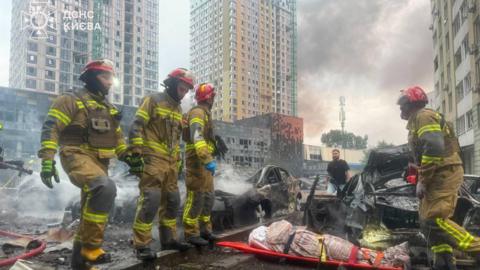
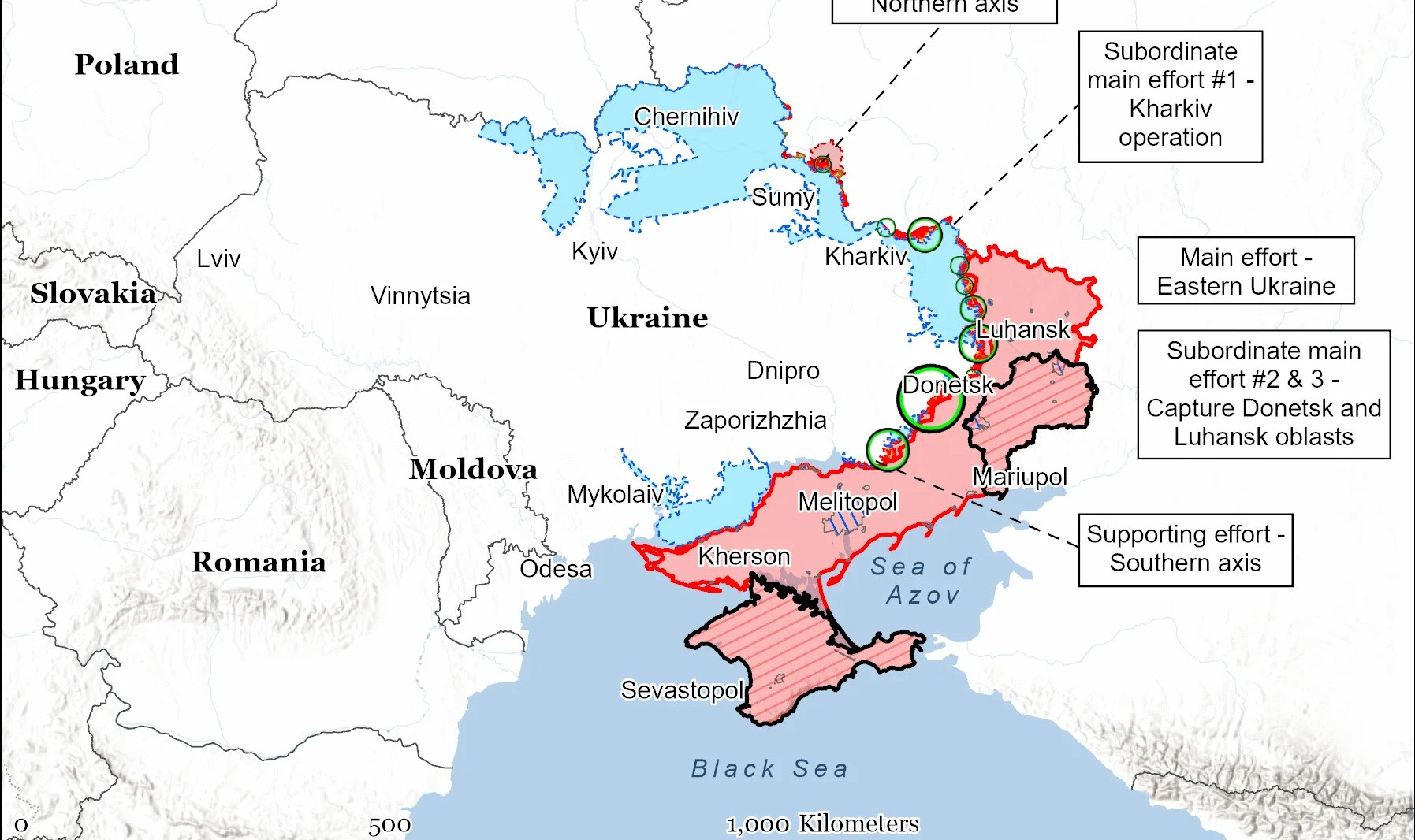
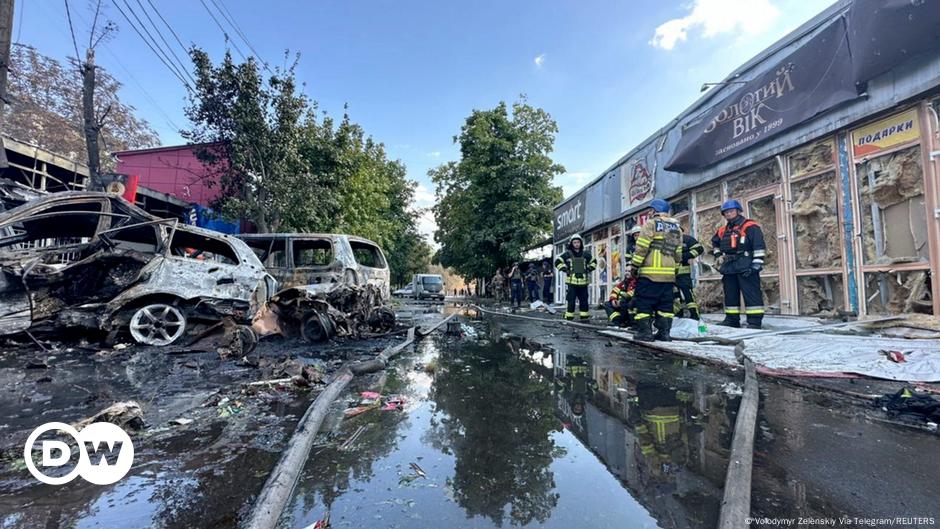
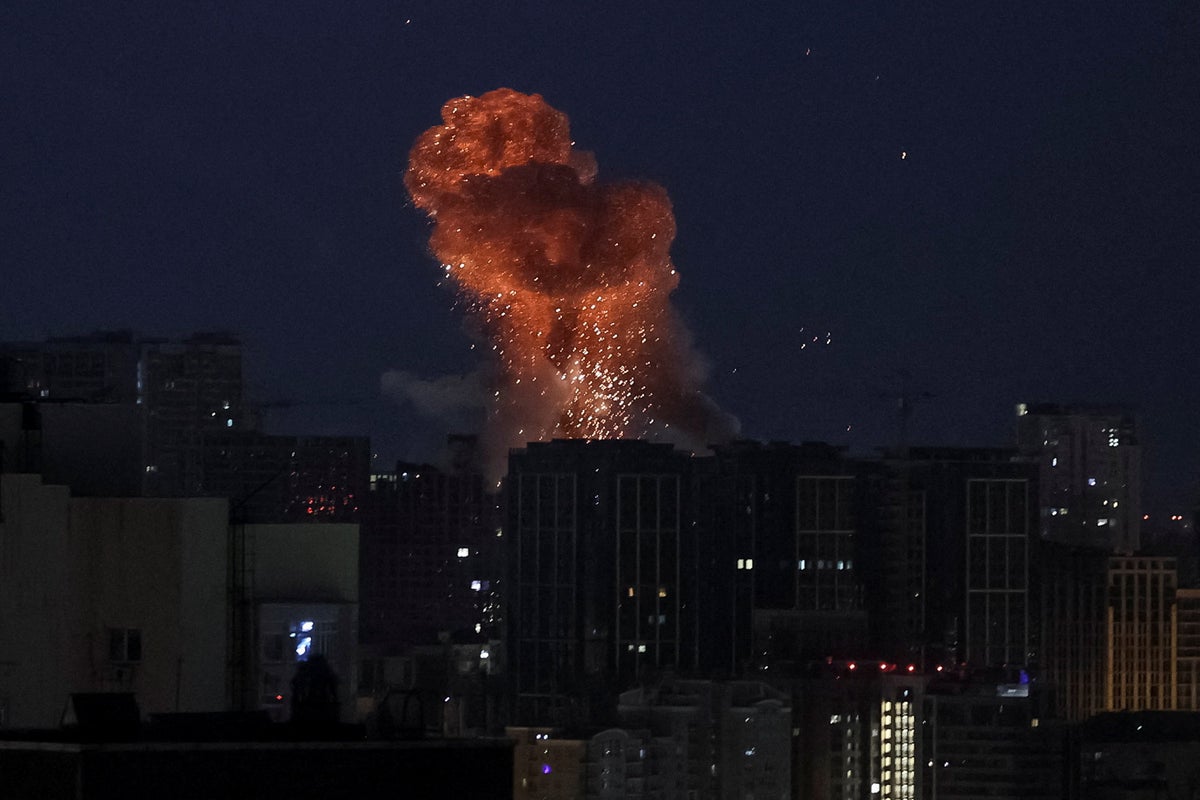
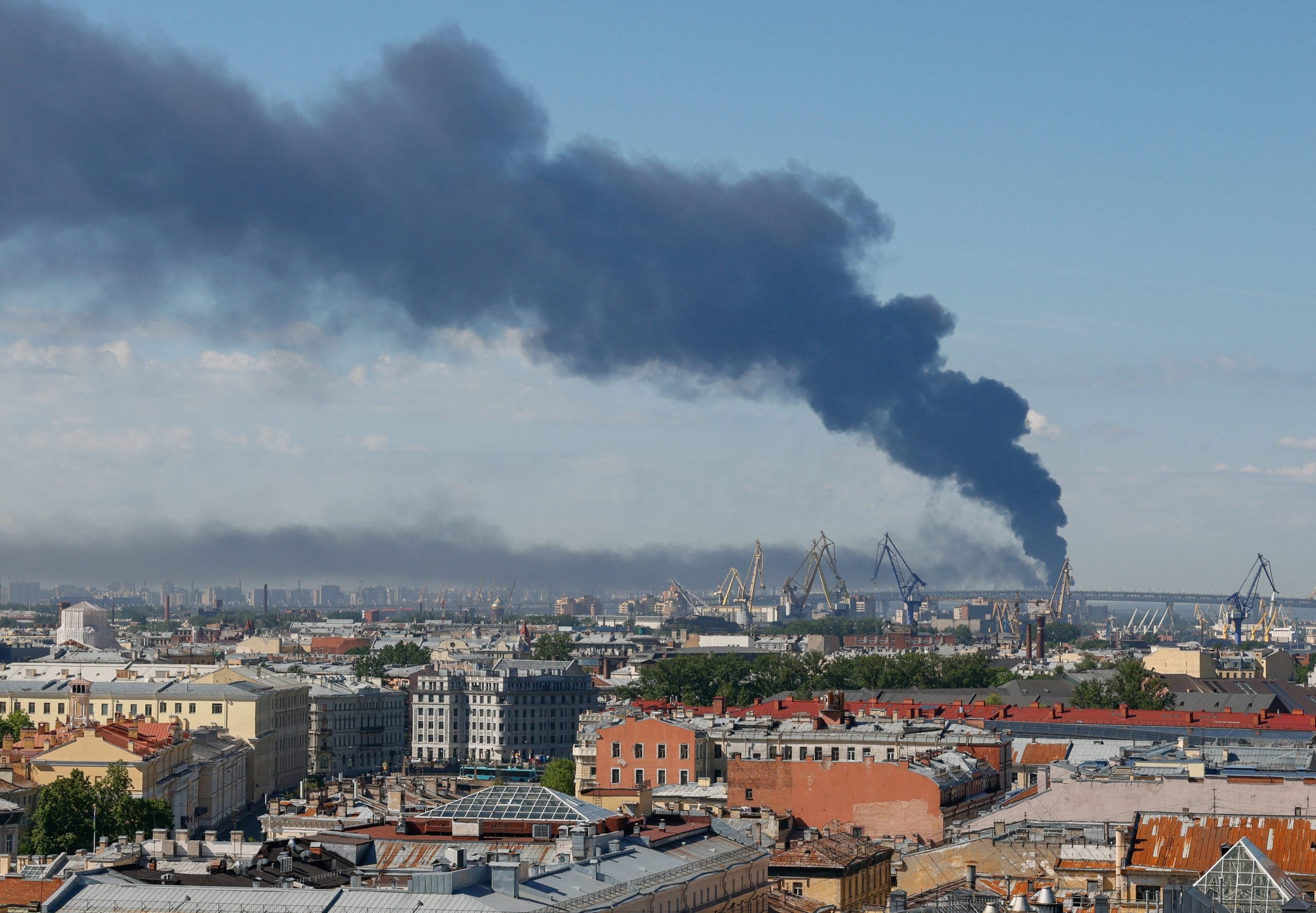
Russia conducted a large strike package against Kyiv using ballistic missiles, cruise missiles and drones, with reports ranging from at least 9 to at least 30 killed and 46 to 91 injured, a partial collapse of a nine‑storey residential block in Podil, and officials calling it the capital’s third deadliest attack since the war began. Ukrainian officials reported high interception rates, but Russia deployed jet‑powered drones that Ukrainian Air Force spokesmen say are being used more often and deplete defences. In parallel, Ukraine is sustaining deep‑rear attacks: strikes continued on 29-30 June and 4 July, with Ukraine destroying 12 substations in southern Crimea on 1-2 July, power cuts reported in Sevastopol, a strike claimed on the Dubna Space Communications Centre in Moscow Oblast and an attack reported on a Yaroslavl oil refinery on 6 July. The Kremlin frames its mass strike as retaliation for Ukrainian deep strikes, and domestic reporting in Russia notes concern among officials and business leaders that further escalation is possible. Russian claims of capturing a strategic logistics hub and holding all of Luhansk face denials and caveats, with independent assessments citing limited territorial gains in June and neither side advancing on 4 July.
Key judgments
- Russia is very likely to continue mass long-range strikes against Kyiv and other Ukrainian cities through mid-July in retaliation for Ukrainian deep strikes. (Confidence: medium · ASSESSED)
- I&W: Russian Defence Ministry or Kremlin announces another “massive” long-range strike on Kyiv or other major cities explicitly framed as retaliation for Ukrainian deep strikes. (0-14 days)
- I&W: No reported Russian long-range strike packages on major Ukrainian cities for at least 10 consecutive days. (0-1 month)
- Russia almost certainly conducted a mass-casualty strike on Kyiv on 6 July that killed dozens and injured scores, with a nine‑storey building in Podil partially collapsed and officials ranking it among the deadliest attacks on the capital. (Confidence: high · REPORTED)
- I&W: Kyiv authorities consolidate the fatality count at 30 or higher for the 6 July strike after hospital and morgue reconciliations. (0-14 days)
- I&W: An official revision reduces confirmed fatalities for the 6 July strike below 10. (0-14 days)
- Ukraine is likely to sustain and expand its deep‑rear strike campaign against Russian energy and military infrastructure for at least the next month. (Confidence: medium · ASSESSED)
- I&W: Verified geolocated damage to additional Russian oil refineries or power substations beyond Yaroslavl and southern Crimea. (0-14 days)
- I&W: A 14‑day lull with no reported Ukrainian deep strikes inside Russia. (0-1 month)
- Russian assertions of capturing a strategic logistics hub and holding all of Luhansk are likely exaggerated, with independent reporting indicating limited territorial gains and continued Ukrainian control of key localities. (Confidence: medium · ASSESSED)
- I&W: Independent geolocated evidence continues to show Ukrainian administrative and security presence in Kostiantynivka. (0-14 days)
- I&W: Credible independent confirmation of Russian administrative and security control across Kostiantynivka and the whole of Luhansk. (1-3 months)
- Russia’s integration of jet‑powered drones is likely to place added pressure on Ukrainian air defences, marginally reducing intercept efficiency despite high reported overall interception rates. (Confidence: medium · ASSESSED)
- I&W: Ukrainian Air Force reports of increased resource expenditure or lower intercept rates specifically against jet‑powered drones. (0-1 month)
- I&W: Consistent reporting of 90 percent or higher intercept rates for jet‑powered drones during major strike nights. (0-1 month)
- Despite high casualty rates and economic headwinds in Russia, a near‑term shift in Kremlin war aims is unlikely. (Confidence: medium · ASSESSED)
- I&W: Further public statements by Vladimir Putin reiterating maximalist objectives and rejecting ceasefire arrangements on deep strikes or in northern sectors. (1-3 months)
- I&W: A publicly announced pause or cap on Russian long‑range strikes tied to a reciprocal de‑escalation arrangement. (1-3 months)
Outlook & scenarios
Retaliatory strike cycle intensifies (60%)
Russia increases the tempo of long-range missile and drone salvos, including jet‑powered systems, against Kyiv and other cities, while Ukraine expands deep‑rear operations against Russian energy and command nodes in Russia and Crimea. Civilian casualties and infrastructure damage in urban areas remain high, and further energy disruptions occur in occupied Crimea and Russian regions.
Grinding attrition with static lines (50%)
Front lines remain broadly static, reflecting the pattern of limited daily gains observed in June and reports of no advance on 4 July. Both sides continue long‑range operations at a sustained but manageable tempo, with Russia maintaining periodic mass strike nights and Ukraine keeping up deep‑rear interdictions of refineries and power assets.
Russian breakthrough narrative becomes reality (20%)
Independent confirmation emerges of Russian control in Kostiantynivka alongside consolidation across Luhansk, enabling Russia to shift resources to push deeper into Donetsk. The information space aligns more closely with Kremlin claims, and Ukrainian forces face pressure to redeploy.
Tacit pause on deep strikes (15%)
Following back‑channel contacts, both sides reduce deep‑rear strikes without a formal agreement, leading to a temporary drop in Russian city‑level salvos and Ukrainian attacks on Russian energy sites. The pause is fragile and reversible.
Recommendations
- Corroborate the Kyiv 6 July casualty picture by building a de‑duplicated event log that reconciles reports of 9, 11 and at least 30 fatalities and 46 to 91 injuries, tied to geolocated damage at the Podil site and other impact points.
- Task geospatial review of Ukrainian deep‑rear operations: verify damage at the Dubna Space Communications Centre, map the 12 destroyed substations in southern Crimea, and assess reported refinery damage in Yaroslavl to characterise target selection and effects.
- Establish a 14‑day tripwire watchlist for Russian strike behaviour: flag any Kremlin or Defence Ministry announcement of a “massive” strike and catalogue nights with large drone salvos, distinguishing jet‑powered drones from legacy types.
- Track Ukrainian long‑range activity against Russian energy and military infrastructure to test the declared 40‑day campaign timeline; maintain a target and impact database for refineries, power assets and C2 nodes.
- Assess the pressure on Ukrainian air defences from jet‑powered drones: collect official statements on intercept rates and resource expenditure, and compare nights with and without reported jet‑powered systems.
- Maintain an analytic line on Russian domestic strain: monitor casualty estimates, monthly recruitment figures, approval ratings and reported economic pressures such as fuel shortages and budget deficits to gauge sustainability and escalation risk.
- Continue independent verification of ground control claims in Kostiantynivka and across Luhansk via geolocated imagery and reliable mapping to adjudicate competing narratives of control.
Confidence & uncertainty
Overall confidence is medium because multiple independent major media and reputable analytic sources corroborate the mass-casualty strike on Kyiv, Russia’s use of jet‑powered drones, and Ukraine’s ongoing deep‑rear campaign, but key elements remain contested or forward‑leaning. Casualty tallies for Kyiv vary across official updates, Russian claims of territorial control face denials without definitive public geolocation, and casualty and economic strain metrics rely partly on think‑tank assessments and Kremlin‑linked polling. These mixed source types and some single‑source forward assessments warrant a medium rather than high confidence rating.
Alternative analysis (red cell)
The reporting base credibly documents a major strike on Kyiv and plausible Ukrainian deep‑strike attempts inside Russia, but multiple unresolved contradictions, several claims originating from the same reporting cluster (origin_cluster_id 42b47b93), and gaps in time‑series operational data mean alternative readings are reasonable. Specifically, Russia may conduct episodic retaliatory strikes rather than a sustained mid‑July campaign; Kyiv casualty totals remain unsettled; Ukrainian deep‑strike activity may be episodic or limited rather than an expanding month‑long campaign; and the operational effect of jet‑powered drones on intercept efficiency is not yet demonstrated. Additional independent ISR, engagement logs, and internal deliberation signals are required to adjudicate these judgments.
Cited sources
[1] independent.co.uk · Ukraine-Russia war latest: Putin hits Kyiv with ballistic missiles hours after Zelensky said attack ‘imminent’ (A) · sha256:9df97170b3e2 [2] nypost.com · Russia deploying new jet-powered drones that reach 310 mph to 'maximize' destruction in Ukraine (B) · sha256:adbd68cf30c6 [3] BBC News Русская служба · Война в Украине: не менее 10 человек погибли в результате новой атаки на Киев - BBC News Русская служба (A) · sha256:a52ad1229215 [4] understandingwar.org · Russian Offensive Campaign Assessment, June 30, 2026 (B) · sha256:97747e79bc49 [5] Institute for the Study of War · ISW Russian Offensive Campaign Assessment, July 4, 2026 (B) · sha256:f0d4d5c21c06 [6] Al Jazeera · Russia’s advance collapses in Ukraine, ‘40,000’ troops killed in June (A) · sha256:15ea566e62fc [7] ua.news · В России опасаются новой эскалации войны (B) · sha256:dd660a1d747f [8] NPR · A new phase in the war in Ukraine (A) · sha256:a6572c780eae [9] gcaptain.com · St Petersburg Oil Terminal Hit In Major Ukrainian Drone Attack (A) · sha256:529db6651f7f [10] Center for Strategic and International Studies (CSIS) · US Think Tank Confirms Russia’s Massive Combat Losses, Stalled Offensive (B) · sha256:d883da521121 [11] cryptobriefing.com · Russia claims control over Donetsk logistics hub, Luhansk region amid Kyiv attack (B) · sha256:739c5970a87e [12] Deutsche Welle · Генштаб ВСУ отрицает захват Константиновки армией РФ (A) · sha256:ba822b06da3f [13] nypost.com · Russia losing 8 troops for every 1 Ukranian soldier killed as army casualties skyrocket: report (B) · sha256:fb15df5e4a8d [14] Meduza · Путин заявил: Россия будет воевать, пока не получит «Донбасс и Новороссию». Он вообще понимает реальное положение дел на фронте и в тылу? Оценивает Дмитрий Кузнец — Meduza (B) · sha256:9782e96b7194
Source content hashes were computed at collection time; the cited text is preserved unmodified for the life of this product.
Red cell review: PARTIAL DISSENT
TLP:CLEAR