TLP:CLEAR · Disclosure is not limited.
Ukraine: Reciprocal Strikes Broaden the Conflict Risk Picture
Time window: Last 1 day · Audience: General analyst · Type: Situation report · DTG: 2026-09-02 18:40Z · Overall confidence: HIGH
BLUF
Russian forces are very likely sustaining a deliberate strike phase against Ukrainian logistics and energy infrastructure, while Ukraine is likely to continue long-range attacks on Russian military, energy and export targets. Civilian disruption in Odesa and maritime risk in the Black Sea are likely to remain elevated, and near-term diplomatic contacts are unlikely to produce an operational pause.
Executive summary
On 1 and 2 September, Russian reporting described combined strikes against logistics and energy infrastructure in the Kyiv and Odesa regions, including the Chaika logistics centre, Odesa fuel depots and four facilities supporting port operations. Ukrainian authorities reported injuries, building and commercial damage, a destroyed petrol station and power outages in Odesa. Ukraine has also continued attacks against Russian oil, military and export infrastructure, while commercial vessels are using improvised protection against drone attacks in the Black Sea. Diplomatic activity involving Narendra Modi, S. Jaishankar, US envoys Steve Witkoff and Jared Kushner, and Cardinal Matteo Zuppi has not yet produced a reported ceasefire.
Change from previous assessment
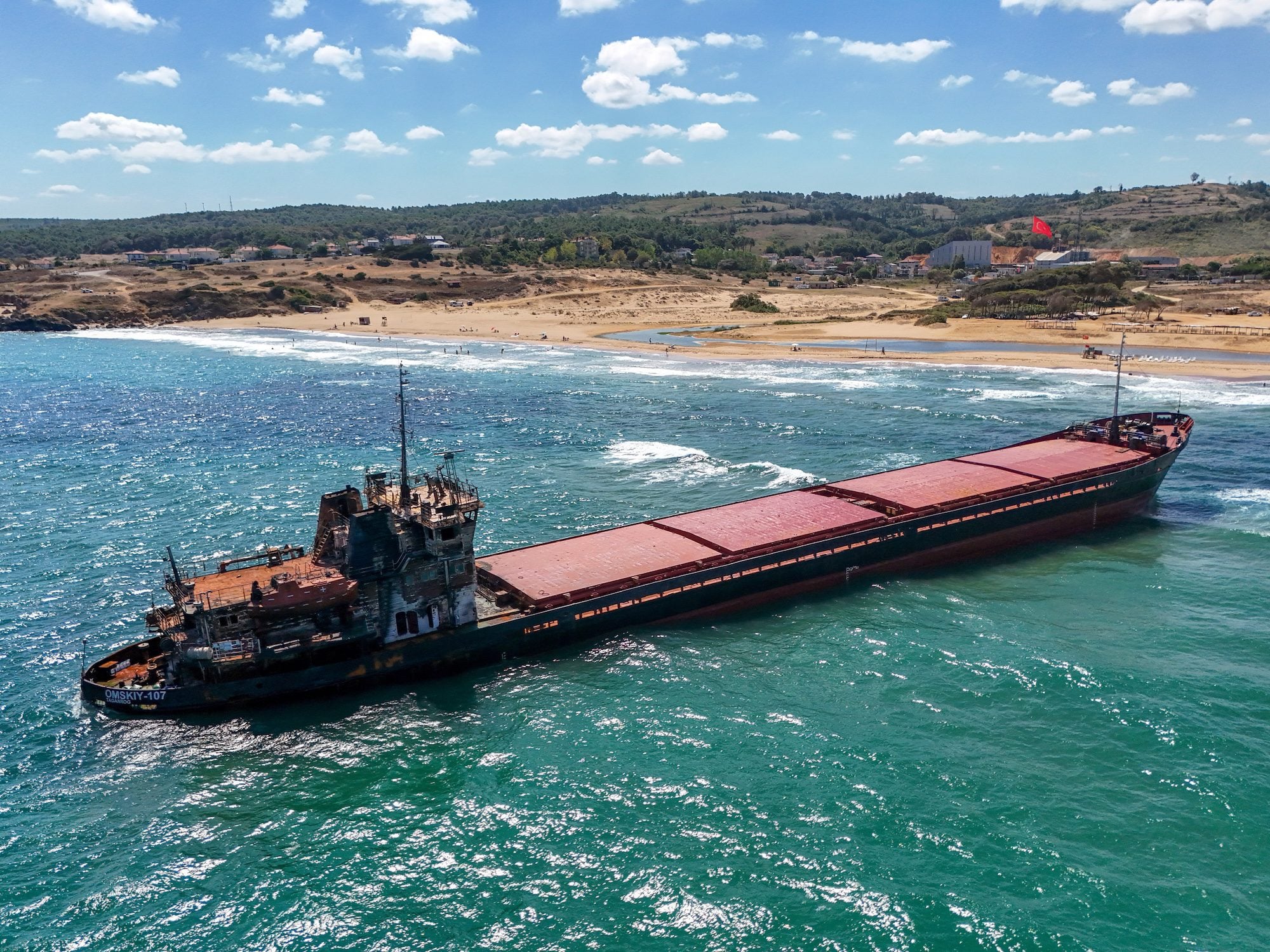
Since the 1 September brief, the assessment has shifted from an intensified Russian air campaign to a more explicit reciprocal-strike phase. New reporting attributes a stated Russian order for massive attacks on Ukrainian energy infrastructure, identifies the Chaika logistics centre and four Odesa port-supporting energy facilities, and documents Ukrainian strikes at Ust-Luga, Oryol, Tolyatti, Belgorod, Yeysk and Saratov. The brief adds a maritime-risk judgment based on improvised protection on commercial vessels, the damaged Omskiy-107 and disagreement over Turkey's safe-passage plan. Overall confidence remains high, while confidence in exact strike dates, damage levels and the geographic scope of earlier Ukrainian strike pauses remains medium or lower. The prior judgment on recurring NATO airspace spillover is retired for this cycle because the new event set provides no fresh corroboration.
Key judgments
- Russian forces are very likely sustaining a deliberate strike phase against Ukrainian logistics and energy infrastructure, centred on the Kyiv and Odesa regions. The Russian Ministry of Defence reported a combined attack on the Chaika logistics centre, Odesa fuel depots and four energy facilities supporting port operations. Vladimir Putin stated that the Russian army had received an order for massive strikes on Ukrainian energy infrastructure. Major-media reporting corroborates the core order and target set, while local-media reporting echoes the order. The exact date of Putin's statement remains unresolved because reporting places it on both 1 and 2 September. (Confidence: high · ASSESSED)
- I&W: Confirm: the Russian Ministry of Defence announces another combined strike against named Ukrainian energy, logistics or port-supporting facilities, or Ukrainian authorities report a new strike at one of those locations. (0-14 days)
- I&W: Break: no further Russian strike announcement or independently reported damage to energy and logistics facilities in the Kyiv and Odesa regions appears during the next 14 days. (0-14 days)
- Civilian harm and essential-service disruption in Odesa are very likely to remain elevated over the next 14 days. Ukraine's State Emergency Service reported several injuries, damage to a private business and a business centre, and the complete destruction of a petrol station. A 24-storey residential building sustained damage between the 17th and 23rd floors, while power outages affected the Primorsky, Hadjibeyevsky and Peresypsky districts. This forecast rests mainly on one reporting cycle and on the continued-strike assessment, so confidence is medium. (Confidence: medium · ASSESSED)
- I&W: Confirm: the State Emergency Service or Odesa authorities report additional injuries, damage to residential or commercial buildings, or new electricity outages in the Primorsky, Hadjibeyevsky or Peresypsky districts. (0-14 days)
- I&W: Break: Odesa authorities report no additional strike damage during the period and confirm that the reported district-level power outages have ended. (0-14 days)
- Ukraine is likely to continue long-range drone attacks against Russian military, energy and export infrastructure, placing further pressure on Russian refining and fuel supply. Recent reporting attributes strikes to the Ust-Luga oil terminal, a drone base in Oryol Oblast, facilities in Tolyatti and Belgorod, and airbases in Yeysk and Saratov Oblast. Vladimir Putin said only 10% of damaged Russian oil refineries had been repaired, while separate reporting said he downplayed the economic damage and linked the strikes to a more serious gasoline crisis in August. The extent of the economic effect remains contested, lowering confidence. (Confidence: medium · ASSESSED)
- I&W: Confirm: Ukrainian drones are reported striking another named Russian refinery, oil terminal, airbase, energy facility or e-commerce warehouse, or Russian authorities report fresh fuel shortages linked to such attacks. (0-14 days)
- I&W: Break: no further Ukrainian strikes on Russian military, energy or export infrastructure are reported for 14 days and Russian reporting materially revises the 10% refinery repair figure upwards. (0-14 days)
- Black Sea commercial shipping disruption is likely to persist as Russian and Ukrainian attacks continue to affect vessels and port infrastructure. Tankers and cargo ships are transiting the Bosphorus with nets, water tanks and tyres as improvised protection. The Russian-flagged vessels Khrizopraz and Omskiy-107 were specifically reported using or suffering protective measures and damage, while Turkey summoned Ukraine's ambassador after attacks near Tuapse. Ankara has prepared a plan for safe grain passage, but Russia says there are no grounds to resume the Black Sea grain deal. Confidence is medium because much of the evidence comes from one wire-service report and official statements. (Confidence: medium · ASSESSED)
- I&W: Confirm: additional commercial vessels transit the Bosphorus with improvised anti-drone protection, or another vessel or port incident is reported near Tuapse, Ust-Luga or the Ukrainian grain export hubs. (0-14 days)
- I&W: Break: Turkey's safe-passage plan receives formal Russian and Ukrainian acceptance and commercial vessels resume transit without improvised protective equipment. (1-3 months)
- A near-term pause in Russian and Ukrainian strike operations is unlikely despite active diplomatic contacts. Vladimir Putin ruled out negotiations with people he describes as terrorists, while Narendra Modi urged him to end the war. S. Jaishankar is scheduled to visit Ukraine and Poland from 3 to 5 September, Volodymyr Zelensky spoke with US envoys Steve Witkoff and Jared Kushner, and Kremlin aide Yuri Ushakov is due to meet Cardinal Matteo Zuppi at the end of September. The contacts provide channels for engagement, but the reporting contains no accepted ceasefire or operational pause. Confidence is medium because the assessment combines direct statements with a forecast about their effect. (Confidence: medium · ASSESSED)
- I&W: Confirm: Russian and Ukrainian strikes continue while the Jaishankar visit, the Zelensky-Witkoff-Kushner channel or the planned Ushakov-Zuppi meeting produces no announced ceasefire. (0-30 days)
- I&W: Break: Russia and Ukraine jointly announce an accepted ceasefire with a start date, geographic scope and implementation mechanism. (0-30 days)
Outlook & scenarios
Continued reciprocal infrastructure strikes (65%)
Russian forces continue strikes against Ukrainian energy and logistics facilities in the Kyiv and Odesa regions, while Ukraine sustains drone attacks on Russian refineries, military sites and export infrastructure. Civilian outages in Odesa and pressure on Russian fuel supply persist.
Diplomatic engagement without a ceasefire (25%)
The visits and contacts involving S. Jaishankar, Steve Witkoff, Jared Kushner and Cardinal Matteo Zuppi produce further public appeals or humanitarian discussions, but Russian and Ukrainian military operations continue. The Black Sea grain issue remains unresolved.
Black Sea access crisis (15%)
Further attacks on commercial vessels or port infrastructure cause additional protective measures and diplomatic pressure on Turkey. Ankara's safe-passage initiative gains urgency but does not secure Russian and Ukrainian agreement.
High-impact civilian transport incident (8%)
A very unlikely incident involving civilian aviation in Russian airspace or commercial shipping in the Black Sea prompts abrupt route restrictions, insurance reassessments and stronger diplomatic reactions. The scenario would mark a sharp expansion of the conflict's external economic and safety effects.
Recommendations
- Establish a 24-hour collection watch for the Russian Ministry of Defence, Ukraine's State Emergency Service and Odesa authorities. Reconcile the 1 September and 2 September dates for Vladimir Putin's strike-order statement against the original transcript before using it in future reporting.
- Maintain separate records for Russian claims about the Chaika logistics centre, Odesa fuel depots and four port-supporting energy facilities, and for independently reported physical damage. Do not treat a claimed target as confirmed damage without corroboration.
- Track the named Russian sites at Ust-Luga, Oryol, Tolyatti, Belgorod, Yeysk and Saratov for fresh strike reporting, repair activity and fuel-supply effects. Keep Vladimir Putin's 10% repair figure separate from the competing assessment that he downplayed economic damage.
- Monitor Black Sea vessel movements through the Bosphorus, with specific attention to new improvised protection on tankers and cargo ships, incidents near Tuapse and Ust-Luga, and any change in Russia's position on Turkey's safe-passage plan.
- Review the outcomes of S. Jaishankar's 3 to 5 September visit, the Zelensky-Witkoff-Kushner channel and the planned Ushakov-Zuppi meeting for concrete ceasefire terms rather than treating public appeals as evidence of an operational pause.
- Verify reports about flights through Russian airspace before assessing wider aviation effects. Give particular attention to Air India and the reported Chinese and Gulf carriers, and distinguish voluntary route choices from formal restrictions or cancellations.
Confidence & uncertainty
Overall confidence is high because the event set contains 13 usable sources, including high-reliability wire and major-media reporting, with convergent reporting on Russian strikes in the Kyiv and Odesa regions, Ukrainian long-range attacks inside Russia and disruption to Black Sea shipping. The main uncertainties concern the exact date of Putin's strike-order statement, the verified scale of damage to Russian refineries, the geographic scope of reported Ukrainian strike pauses and the effect of diplomatic contacts. These uncertainties lower confidence in several forward-looking judgments without materially weakening the core assessment that reciprocal attacks are continuing.
Intelligence gaps
- [EEI 1.1 · PARTIAL] Number of airstrikes and aircraft/UCAV sorties per 24-hour period, broken down by administrative region and timestamped geolocation of each strike/strike cluster. Recommended collection: air defense radar/ADS-B
- [EEI 1.2 · PARTIAL] Types of delivery platforms and munitions observed (fixed-wing aircraft model, helicopters, cruise missiles, ballistic missiles, guided bombs, loitering munitions) with visual/forensic confirmation of munition remnants where possible. Recommended collection: satellite/imagery; munition forensics
- [EEI 1.3 · UNCOVERED] Airspace access and sortie origin information: airbases, staging areas, tanker/ISR support flights, and routing corridors used in the last 7 days. Recommended collection: airspace/ADS-B; satellite/imagery
- [EEI 2.1 · PARTIAL] Confirmed civilian fatalities and injuries attributed to airstrikes by location and date, including hospital admission logs and mortuary reports. Recommended collection: civilian authorities/human intelligence
- [EEI 2.2 · UNCOVERED] Functional status reports and capacity of hospitals and emergency services in strike-affected areas (beds available, emergency department functionality, evacuation of patients). Recommended collection: humanitarian organizations/civilian authorities
- [EEI 2.3 · PARTIAL] Operational outages and damage reports for critical infrastructure (power plants/substations, water treatment, telecommunications, rail junctions, bridges) with geolocated pre/post imagery where feasible. Recommended collection: utility operators; satellite/imagery
- [EEI 2.4 · UNCOVERED] Population displacement metrics: numbers and routes of internally displaced persons, shelter occupancy rates, and evidence of mass evacuations or blocked humanitarian access corridors. Recommended collection: humanitarian organizations; social media
- [EEI 3.2 · UNCOVERED] Evidence of munitions and parts resupply rates: documented deliveries to forward depots/airbases, rail/road convoys with munitions manifest, or satellite imagery showing stockpile levels over time. Recommended collection: logistics tracking; satellite/imagery
- [EEI 3.3 · PARTIAL] Indicators of escalatory posture or force employment changes: deployment or activation of long-range strike assets, increased sorties of strategic platforms, or movement/deployment of additional surface-to-air systems. Recommended collection: satellite/imagery; air defense radar
- [EEI 3.4 · UNCOVERED] Foreign involvement or external support evidence: observed deliveries of strike munitions, presence of foreign contractor personnel at bases, or procurement transactions tied to the campaign. Recommended collection: customs/open-source intelligence; satellite/imagery
TLP:CLEAR