TLP:CLEAR · Disclosure is not limited.
Ukraine: Reciprocal Strikes Intensify as Donetsk Pressure Holds
Time window: Last 7 days · Audience: General analyst · Type: Situation report · DTG: 2026-08-20 00:10Z · Overall confidence: MEDIUM
BLUF
Russian forces are maintaining pressure in Donetsk while Kyiv has stepped up long-range attacks on Moscow and other Russian regions. The available reporting supports a likely more intense reciprocal-strike phase, with civilian losses, Russian domestic stress and Odesa export risks worsening. A durable near-term pause remains unlikely.
Executive summary
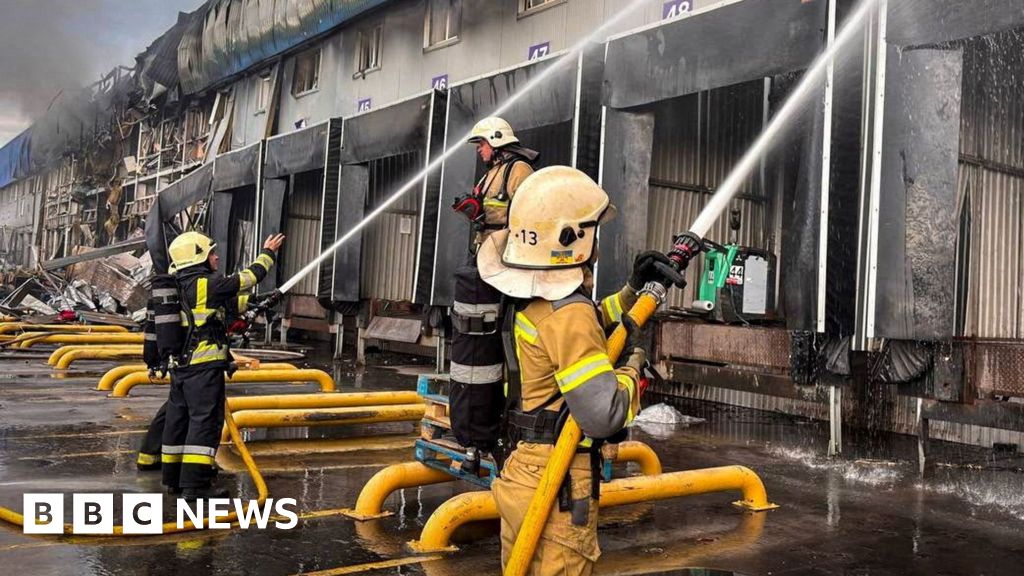
The reporting period indicates intensified military activity across Ukraine and inside Russia. Russian forces continue to prioritise Donetsk and occupy roughly 20% of Ukraine, while the latest reported attacks killed 17 people, including 10 in Pechenihy. Kyiv has increased long-range attacks on Moscow and other Russian regions, affecting refineries, warehouses, domestic fuel supplies and public confidence. Ukraine faces additional humanitarian and economic pressure from civilian deaths, displacement and threats to Odesa's grain-export infrastructure. President Volodymyr Zelensky has rejected surrendering the rest of Donbas, requested stronger US involvement and demanded security guarantees, reducing the prospects for a durable near-term pause.
Key judgments
- Military confrontations are likely entering a more intense reciprocal-strike phase, with Russian attacks on Ukraine and Ukrainian long-range attacks on Moscow and other Russian regions occurring alongside continued Russian pressure in Donetsk. (Confidence: medium · ASSESSED)
- I&W: Confirm: Within 0-14 days, independent reporting records another Russian strike causing civilian deaths in Ukraine and another Ukrainian long-range strike on Moscow, an oil refinery, a warehouse or another named Russian site. (0-14 days)
- I&W: Break: Within 0-14 days, reporting shows a sustained halt in both Russian attacks on Ukrainian population centres and Ukrainian long-range attacks on Russian territory. (0-14 days)
- Russia is likely to keep concentrating resources on Donetsk while retaining an occupation of roughly 20% of Ukraine. (Confidence: medium · ASSESSED)
- I&W: Confirm: Within 0-30 days, reporting identifies continued Russian resource allocation and increased pressure in Donetsk. (0-30 days)
- I&W: Break: Within 1-3 months, credible reporting shows Russia has deprioritised Donetsk or that the area occupied by Russian troops has contracted materially from roughly 20% of Ukraine. (1-3 months)
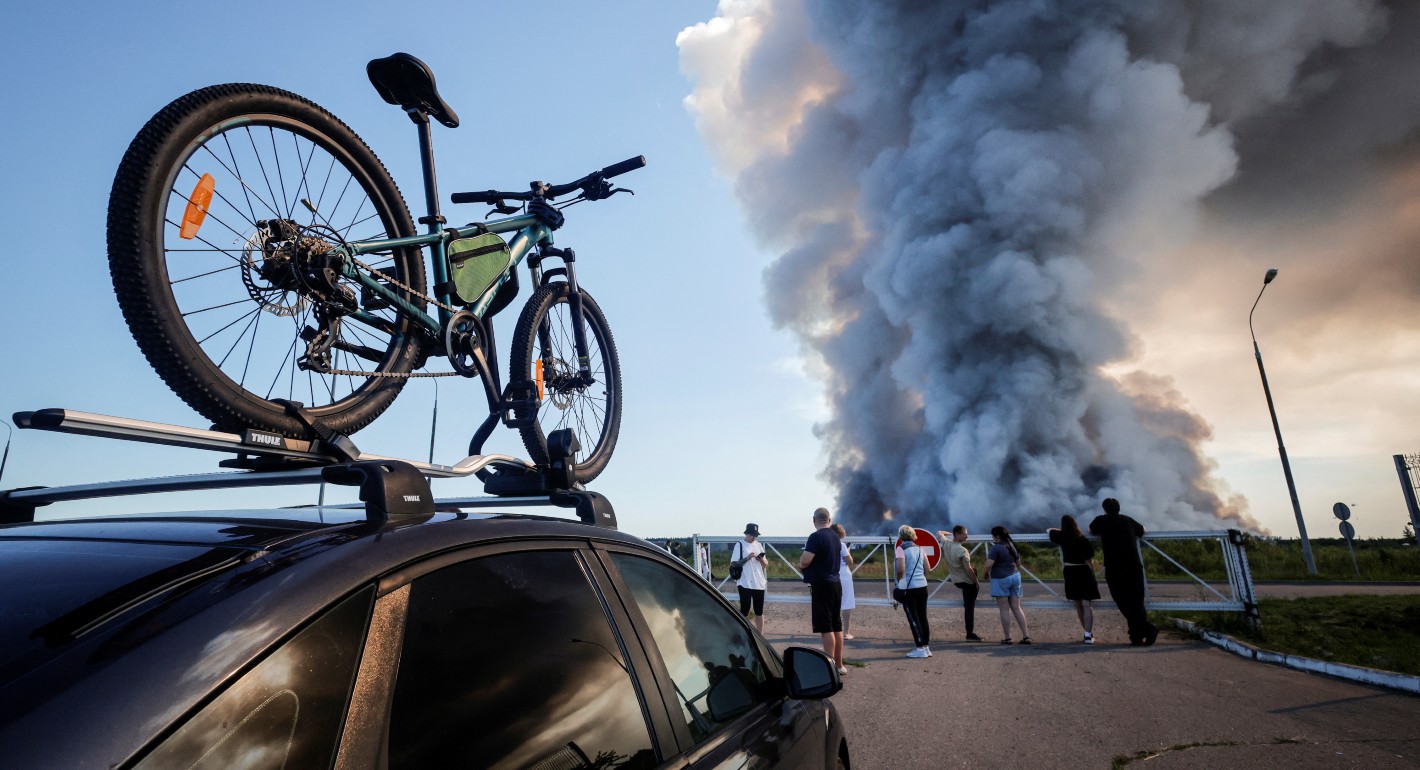
- Ukrainian long-range attacks are likely imposing growing domestic economic stress and public nervousness in Russia, particularly through disruption to fuel supplies and increased cash withdrawals. This assessment rests partly on single-source reporting and does not establish that the attacks caused all reported financial behaviour. (Confidence: low · ASSESSED)
- I&W: Confirm: Within 0-30 days, official or independent reporting records continued cash outflows and deposit pressure alongside further disruption to Russian domestic fuel supplies. (0-30 days)
- I&W: Break: Within 0-30 days, reported withdrawals reverse and domestic fuel supplies stabilise despite continued Ukrainian attacks on Russian regions. (0-30 days)
- Humanitarian and economic pressure on Ukraine is likely worsening, with 17 people killed in the latest reported Russian attacks, a civilian death toll of 437 in the previous month, 8 million internally displaced people, 6-7 million people abroad and continued exposure of Odesa's grain exports to attack. The internal and external displacement figures describe different populations and should not be added. (Confidence: medium · ASSESSED)
- I&W: Confirm: Within 0-30 days, new reporting records civilian deaths above the previous monthly total of 437, additional deaths from Russian attacks or further strikes on Odesa port infrastructure and merchant vessels. (0-30 days)
- I&W: Break: Within 1-3 months, reporting shows no further attacks on Odesa port infrastructure or merchant vessels and the Ukrainian Agri Council withdraws its warning of a bankruptcy wave. (1-3 months)
- A durable pause in the conflict is unlikely in the near term because Volodymyr Zelensky rejects surrendering the rest of Donbas, demands security guarantees against a new Russian attack and seeks greater US involvement, while Russia continues to prioritise Donetsk. Confidence is low because the reporting also records Zelensky's previous readiness to sign a peace agreement and provides no clear Russian negotiating position. (Confidence: low · ASSESSED)
- I&W: Confirm: Within 0-30 days, Zelensky repeats his rejection of territorial concessions and his requirements for security guarantees while Russian attacks and pressure in Donetsk continue. (0-30 days)
- I&W: Break: Within 0-90 days, Russia and Ukraine announce a formal pause or peace framework addressing territory and security guarantees, accompanied by a reduced strike tempo. (0-90 days)
Outlook & scenarios
Reciprocal strikes continue and Donetsk remains the main ground axis (60%)
Russian forces continue attacks in Ukraine, Kyiv sustains long-range strikes on Moscow and other Russian regions, and Russia maintains pressure in Donetsk. Civilian deaths, Russian domestic disruption and threats to Odesa's export infrastructure continue to accumulate. No durable pause emerges.
Managed pause without a territorial settlement (25%)
The USA becomes more involved after Ukraine submits new peace proposals. Russia and Ukraine reduce the tempo of strikes without resolving the status of Donbas or the terms of security guarantees. Limited commercial activity around Odesa resumes, but the underlying military confrontation remains.
Negotiation failure followed by sharper economic and humanitarian pressure (15%)
A stalled peace process is followed by heavier strikes on Ukrainian cities, ports and energy infrastructure, alongside further Ukrainian attacks on Russian fuel and logistics sites. Displacement, civilian casualties, Russian cash withdrawals and grain-export disruption worsen.
Wildcard: Zaporizhzhia access incident becomes a wider safety crisis (8%)
A further drone explosion near a bus stop used by staff travelling to the Zaporizhzhia nuclear power plant disrupts staff access and triggers a wider dispute over site safety. The incident draws immediate international attention and complicates already limited conflict-management channels.
Recommendations
- For the next 14 days, maintain a daily fused watch on Donetsk, Kyiv, Moscow, Pechenihy, Odesa and Crimea. Cross-check official statements, independent reporting and NASA thermal data. Treat thermal detections as evidence of heat only, not evidence of cause or attribution.
- Track Russian domestic resilience weekly through reported fuel availability, cash withdrawals, deposit flows, pressure on lenders and state debt issuance. Treat cash withdrawals as an indicator of stress rather than proof of systemic financial instability.
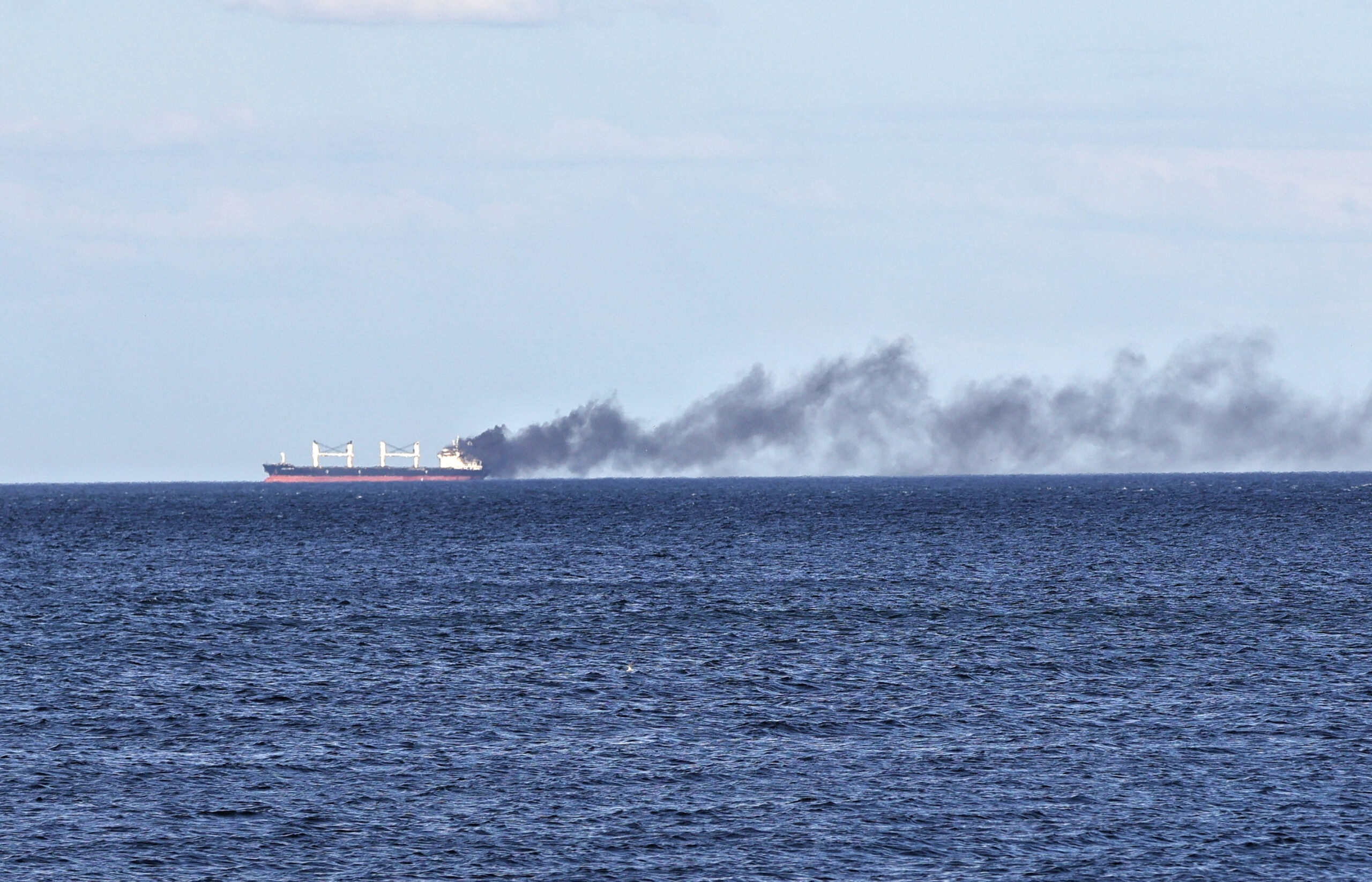
- Create a dedicated Odesa maritime-risk tracker covering port infrastructure strikes, merchant vessel strikes, grain loading and the status of Turkey's proposed moratorium on attacks against Black Sea merchant shipping.
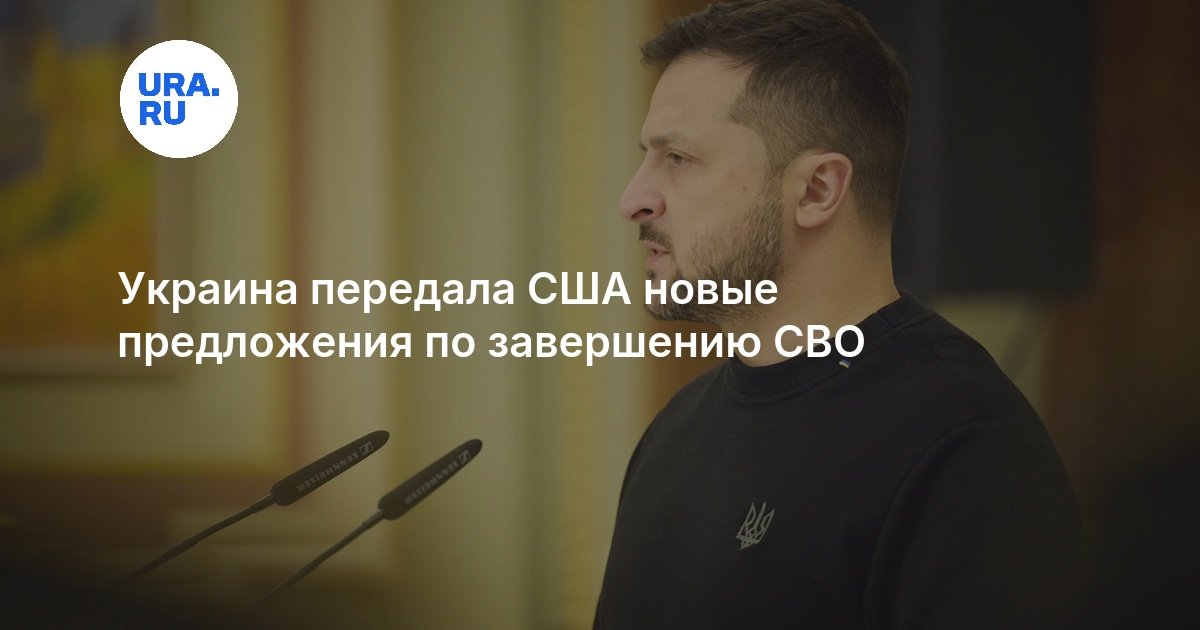
- Monitor peace-process tripwires against four criteria: new Ukrainian proposals to the USA, Zelensky's position on Donbas, the terms of proposed security guarantees and evidence of formal contacts involving Russia, Ukraine and the USA. Do not treat public statements alone as evidence of an agreement.
- Maintain a humanitarian dashboard that separates civilian fatalities, internally displaced people and people who have left Ukraine. Add food, water and electricity access in Crimea and the Ukrainian Agri Council's warning of a bankruptcy wave.
- Prepare a contingency analytic note for any further drone incident affecting routes used by staff travelling to the Zaporizhzhia nuclear power plant. Assess the incident separately from claims about attribution until independent evidence is available.
Confidence & uncertainty
Overall confidence is medium. The core military and diplomatic reporting includes high-confidence claims from major media, with partial corroboration from think-tank analysis and official NASA monitoring. Confidence is reduced by incomplete dates, single-source reporting on Russian financial stress, the limited evidentiary value of thermal detections and an attribution disagreement over damage in Odesa. Casualty and displacement figures also use different timeframes and definitions.
Cited sources
[1] BBC · UK 'supports Ukraine 100%', Burnham says, after Russia's drone warning (A) · sha256:0055264c34cf [2] Carnegie Endowment for International Peace · Is the Russia-Ukraine War Vibe Shift Real? | Carnegie Endowment for International Peace (B) · sha256:74c86543f467 [3] Wikipedia · Russo-Ukrainian war (2022–present) (B) · sha256:e4a6aa654db9 [4] sundayguardianlive.com · Russian Bank Cash Withdrawals: Citizens Pull Billions From Financial Institutions Amid Rising Fears of Kremlin Seizure to Finance War (B) · sha256:eca53c7e3a9e [5] Atlantic Council · Odesa under attack: Russia is cutting Ukraine off from the Black Sea (C) · sha256:fb848b9996c9 [6] ura.news · Украина передала США новые предложения по завершению СВО (B) · sha256:6f0457393880
Source content hashes were computed at collection time; the cited text is preserved unmodified for the life of this product.
TLP:CLEAR