TLP:CLEAR · Disclosure is not limited.
Ukraine-Russia: 2-9 July 2026, Deep Strikes Expand, Urban Raids Intensify
Time window: Last 7 days · Audience: General analyst · Type: Situation report · DTG: 2026-07-09 00:16Z · Overall confidence: LOW
BLUF
Ukraine intensified long-range strikes deep inside Russia while Russian forces maintained high-tempo attacks on Kyiv and Odesa. The campaign is straining Russia’s fuel system and raising maritime risk in the Sea of Azov, with contested narratives over target sets and persistent civilian harm on both sides.
Executive summary
Over the past week, Ukraine conducted deep strikes into Russia, including a long-range hit on the Omsk refinery more than 2,500 km from the border, a drone attack that damaged two tankers in Taganrog Bay, and strikes that killed a civilian in Saratov Oblast. Russia kept up massed attacks on Ukrainian cities: Kyiv authorities reported about 25 impact sites across the capital on 3 July after an intelligence warning, and a ballistic missile strike on Odesa on 8 July killed four and damaged port infrastructure. Concurrently, reporting indicates widespread fuel shortages across Russia that authorities are attempting to manage through purchase caps and other temporary measures, with analysis linking the shortages to Ukrainian strikes on energy infrastructure. Ukrainian claims of multiple drone hits on Russian ‘shadow fleet’ tankers in the Sea of Azov and damage to two tankers in Taganrog Bay point to rising maritime risk.
Key judgments
- Ukraine very likely escalated deep strikes into Russia this week, including a long-range attack on Russia’s largest oil refinery in Omsk, a drone attack that damaged two tankers in Taganrog Bay, and a strike that killed a civilian in Saratov Oblast. (Confidence: high · REPORTED)
- I&W: Confirmation: official or industry notices of sustained outage or repairs at the Omsk refinery and navigation advisories referencing damaged tankers in Taganrog Bay. (0-14 days)
- I&W: Break: absence of further cross-border drone or long-range incidents reported by Russian regional authorities for two consecutive weeks. (0-14 days)
- Russian forces likely maintained high-tempo strikes against Ukrainian cities, with Kyiv authorities reporting roughly 25 sites hit on 3 July after an advance warning, and a ballistic missile attack on Odesa on 8 July killing four and damaging port infrastructure. (Confidence: medium · REPORTED)
- I&W: Confirmation: additional Russian ballistic missile launches recorded by Ukrainian authorities or impact reporting in Kyiv or Odesa. (0-14 days)
- I&W: Break: a two-week pause in large-scale Russian missile or drone salvos against major Ukrainian cities. (0-14 days)
- It is unclear whether Moscow’s 8 July strike on Kyiv focused mainly on military‑industrial targets as claimed by Russia; Ukrainian reporting in this period emphasised extensive damage to residential areas during major strikes on the capital. (Confidence: low · ASSESSED)
- I&W: Confirmation: independent geolocated imagery or official Ukrainian acknowledgement that specific defence‑industry facilities in Kyiv were hit on 8 July. (0-14 days)
- I&W: Break: OSINT mapping shows the majority of 8 July impact points in residential addresses, not industrial sites. (0-14 days)
- Russia very likely faces widespread fuel shortages tied at least in part to Ukrainian strikes, prompting purchase caps across dozens of federal subjects and emergency measures to stabilise supply. (Confidence: high · REPORTED)
- I&W: Confirmation: additional Russian regional decrees extending or tightening fuel purchase limits. (0-14 days)
- I&W: Break: official lifting of purchase caps across a majority of affected regions and no new restrictions announced. (1-3 months)
- Maritime energy logistics in and around the Sea of Azov are likely at heightened risk from Ukrainian drones, with Russian authorities reporting two tankers damaged in Taganrog Bay and Ukrainian sources claiming multiple hits on ‘shadow fleet’ tankers. (Confidence: medium · ASSESSED)
- I&W: Confirmation: additional tanker damage or fires reported near Taganrog Bay or the Kerch Strait with corroborating imagery. (0-14 days)
- I&W: Break: sustained Russian escorting and hardening measures with no reported maritime drone incidents for one month. (1-3 months)
- Ukraine’s pressure campaign is very likely reducing Russia’s refined‑product export capacity even as Russia has boosted crude exports to record levels. (Confidence: medium · ASSESSED)
- I&W: Confirmation: continuation or expansion of refined‑product export curbs alongside monthly data showing high crude loadings. (1-3 months)
- I&W: Break: removal of refined‑product curbs accompanied by a drop in crude export volumes. (1-3 months)
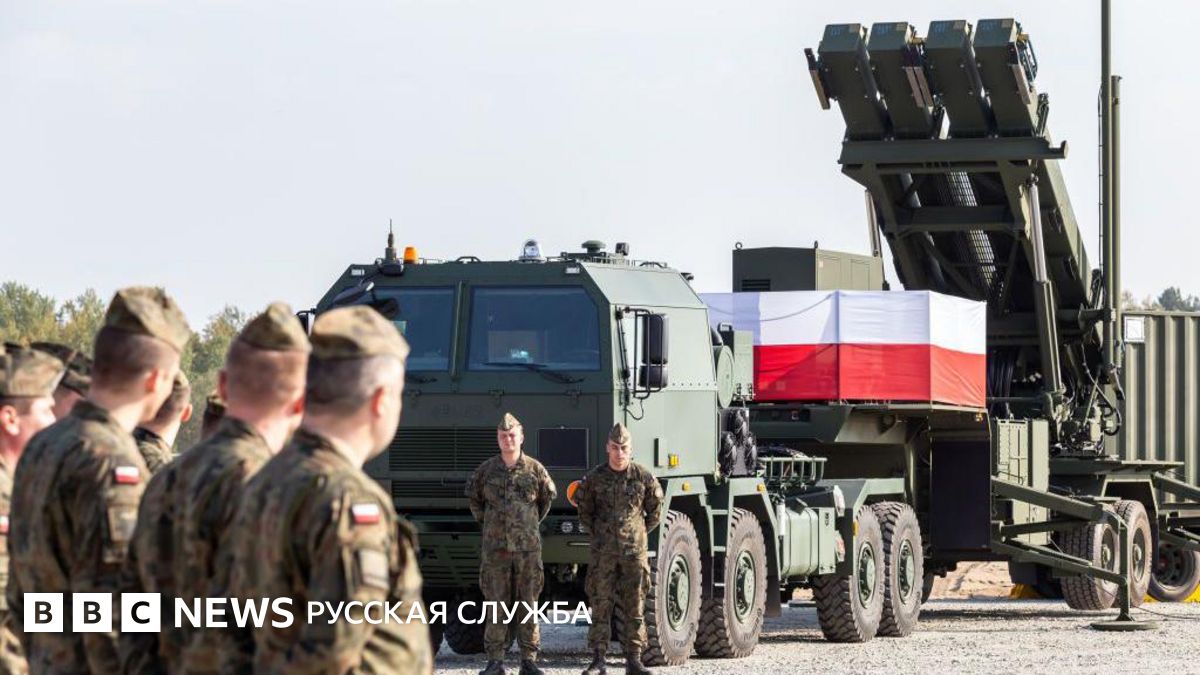
- Allied air‑defence support to Ukraine is ongoing but politically contested, with Poland transferring PAC‑3 missiles in spring 2026 at NATO and EUCOM request, pledging transparency on aid, and domestic opposition criticism, alongside U.S. statements on potential Patriot interceptor licensing. (Confidence: medium · REPORTED)
- I&W: Confirmation: publication by Poland of detailed aid transfer data covering PAC‑3 shipments. (0-14 days)
- I&W: Break: official Polish suspension or reversal of further missile transfers. (1-3 months)
Outlook & scenarios
Attritional deep‑strike duel persists across July, August (65%)
Ukraine continues long‑range and drone strikes on refineries, storage sites and logistics far inside Russia, while Russia sustains massed missile and drone attacks on Kyiv and the south, including ballistic salvos. Civilian casualties and critical infrastructure damage remain high, and Russian authorities extend fuel‑rationing measures as emergency fixes struggle to keep pace.
Maritime spillover in the Sea of Azov disrupts Russian tanker flows (40%)
Ukrainian drones increasingly target tankers and support vessels around Taganrog Bay and the Kerch Strait, producing episodic fires and hull damage. Russian escorts and counter‑UAS measures increase but do not eliminate incidents, complicating coastal logistics and elevating insurance and routing risk for Russia’s ‘shadow fleet’ in the Azov basin.
Russian domestic fuel crunch deepens before partial stabilisation (50%)
Shortages widen beyond the current set of affected federal subjects, prompting tighter purchase caps, ad hoc imports and state‑managed distribution. Crude exports remain high but refined‑product availability lags until repairs and rationing begin to bite, tempering internal pressure after several weeks.
Recommendations
- Maintain a running log of Russian regional decrees on fuel purchase limits and emergency measures; map coverage by federal subject and correlate with reported refinery outages and import announcements.
- Task commercial and open satellite monitoring for the Omsk refinery and Taganrog Bay to observe flare activity, repair work and evidence of tanker damage; use NASA FIRMS thermal detections as an alerting layer to cue imagery review.
- Build a structured database of cross‑border Ukrainian strikes in Russia and Russian salvos against Ukrainian cities by date, munition type and impact location to support trend analysis of escalation and air‑defence demand.
- Prioritise OSINT collection on maritime incidents in the Sea of Azov and Kerch Strait, including AIS gaps, local authority advisories and imagery of damaged hulls, to refine shipping risk assessments for Russian coastal logistics.
- For Kyiv and Odesa, collate official after‑action reporting on missile types, interception claims and impact geolocations to validate target sets and refine expectations for future salvo composition.
- Track Russian refined‑product policy moves alongside crude export indicators to test the refined‑products down, crude up dynamic; flag any shift such as removal of caps or fresh export bans.
- Monitor Polish government disclosures on military aid and domestic political reactions for implications on future air‑defence resupply to Ukraine; capture any allied announcements on Patriot interceptor availability.
Confidence & uncertainty
Overall confidence is low because several key elements rely on single‑source or again‑contested reporting, casualty figures vary across outlets, and target characterisations are disputed. Some events are well‑corroborated, such as the Odesa fatalities and the Omsk strike, but broader effects such as the scale of tanker damage in the Sea of Azov or precise target sets in Kyiv rest on claims with limited independent verification and some timeline inconsistencies. The fuel‑shortage picture draws on think‑tank and media reporting that generally align, yet official Russian measures are unevenly documented across regions.
Alternative analysis (red cell)
The underlying reporting documents a set of incidents and political statements, but the evidence base relies heavily on single-party reporting, partisan statements, and medium/low-admiralty items with several timeline and provenance contradictions. Alternative readings — e.g., that some reported incidents are misdated/misattributed, that fuel shortages stem from export policy or logistics rather than solely strikes, and that maritime hit counts are inconsistent — are defensible. Independent geolocated imagery, forensics, AIS/port records, and confirmed transfer documentation are needed to resolve attribution and magnitude before the key judgments can be sustained at the stated confidence levels.
Cited sources
[1] CNN · Almost every Russian region hit by fuel crisis, as Ukraine escalates drone attacks | CNN (A) · sha256:ded197e5711f [2] news.mail.ru · Военная операция на Украине (B) · sha256:3dffc9e80303 [3] cnn.com · Russia’s latest attack on Kyiv was exceptionally deadly – here is why | CNN (A) · sha256:c79bdd2ad64c [4] independent.co.uk · Ukraine-Russia war latest: Moscow strikes kill four in Odesa as Trump will allow Kyiv to make Patriot missiles (B) · sha256:99bab4cd670a [5] rua.gr · Воздушная война Украины и России: в чью пользу счёт (B) · sha256:e0a03fd2cddd [6] understandingwar.org · Ukraine's Strike Campaigns Will Likely Continue to Hurt Russia's Economy and Military Operations in Ukraine (B) · sha256:315c8e8001cb [7] meduza.io · Война (B) · sha256:0772bc8de7f3 [8] understandingwar.org · Russian Offensive Campaign Assessment, July 1, 2026 (B) · sha256:9809155c7fba [9] BBC News Русская служба · Польша рассекретила данные о военной помощи Украине с 2022 года — в ответ на критику о поставках Киеву ракет для систем Patriot - BBC News Русская служба (A) · sha256:524181fc194c
Source content hashes were computed at collection time; the cited text is preserved unmodified for the life of this product.
Red cell review: PARTIAL DISSENT
TLP:CLEAR