TLP:CLEAR · Disclosure is not limited.
Ukraine: Russia Intensifies Conventional Air War
Time window: Last 7 days · Audience: General analyst · Type: Situation report · DTG: 2026-08-27 18:09Z · Overall confidence: LOW
BLUF
Russia very likely intensified its conventional air campaign against Ukraine between 21 and 27 August 2026. The immediate risk is a further ballistic and drone campaign against Kyiv and Ukrainian infrastructure, although evidence that Moscow is preparing a broader escalation remains medium confidence because Kremlin-linked reporting conflicts with public statements from Dmitry Peskov.
Executive summary
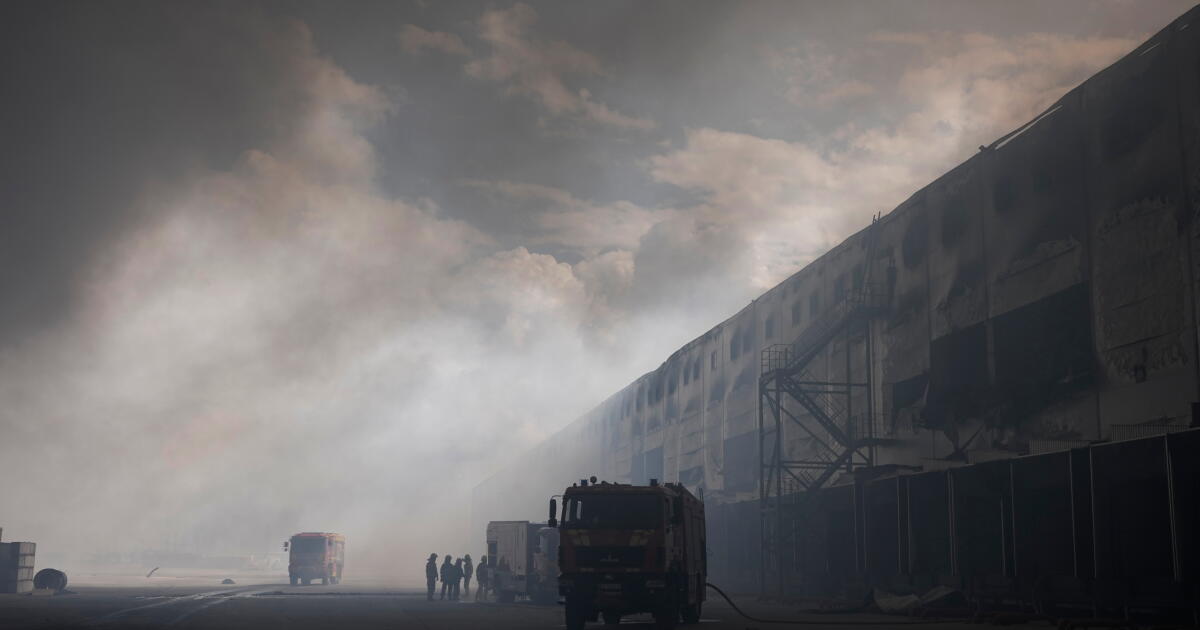
Russian strikes affected Kyiv, Odesa, Poltava and Zaporizhzhia during the reporting period. The 21 August attack on Kyiv killed at least 16 people, while the 27 August barrage targeted nine Ukrainian cities, damaged residential and educational facilities in Odesa, hit four Kyiv districts and struck industrial and energy infrastructure in Poltava. Russia is reportedly weighing stronger conventional ballistic missile attacks on Kyiv, including the city centre, after stalled peace efforts. Ukraine remains short of US-made Patriot missiles, despite reporting that its air defences suppressed seven Russian ballistic missiles on 27 August. Nuclear-use reporting remains contradictory and does not establish that Russia is preparing such an operation.
Key judgments
- Russia very likely intensified its conventional air campaign against Ukraine during 21 to 27 August 2026. The campaign included a 21 August attack on Kyiv that killed at least 16 people and a 27 August overnight strike on nine Ukrainian cities. The later barrage hit four Kyiv districts, industrial and energy sites in Poltava, and the Odesa region for more than seven hours. It killed a 78-year-old woman in Zaporizhzhia and damaged a 16-storey residential building and two educational facilities in Odesa. Confidence is moderated by conflicting records over whether the nine-city strike began on 26 or 27 August. (Confidence: medium · REPORTED)
- I&W: Confirm: Within 0-14 days, Russian forces launch another multi-city strike involving ballistic missiles or drones and Ukrainian authorities report impacts in Kyiv, Odesa or Poltava. (0-14 days)
- I&W: Break: Within 0-14 days, Ukrainian authorities withdraw the reports of the nine-city strike, the deaths or the damage attributed to the 27 August barrage, and Russian reporting denies that the operation occurred. (0-14 days)
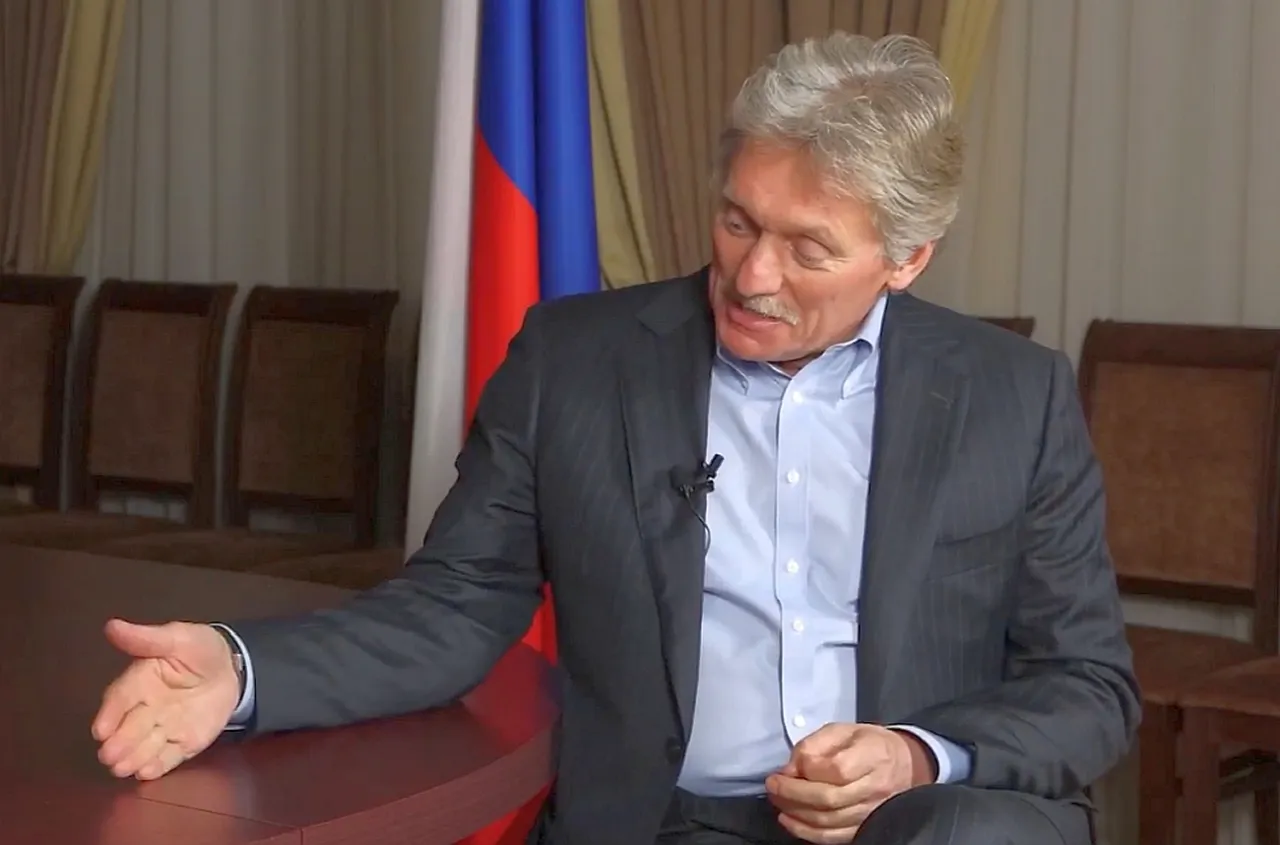
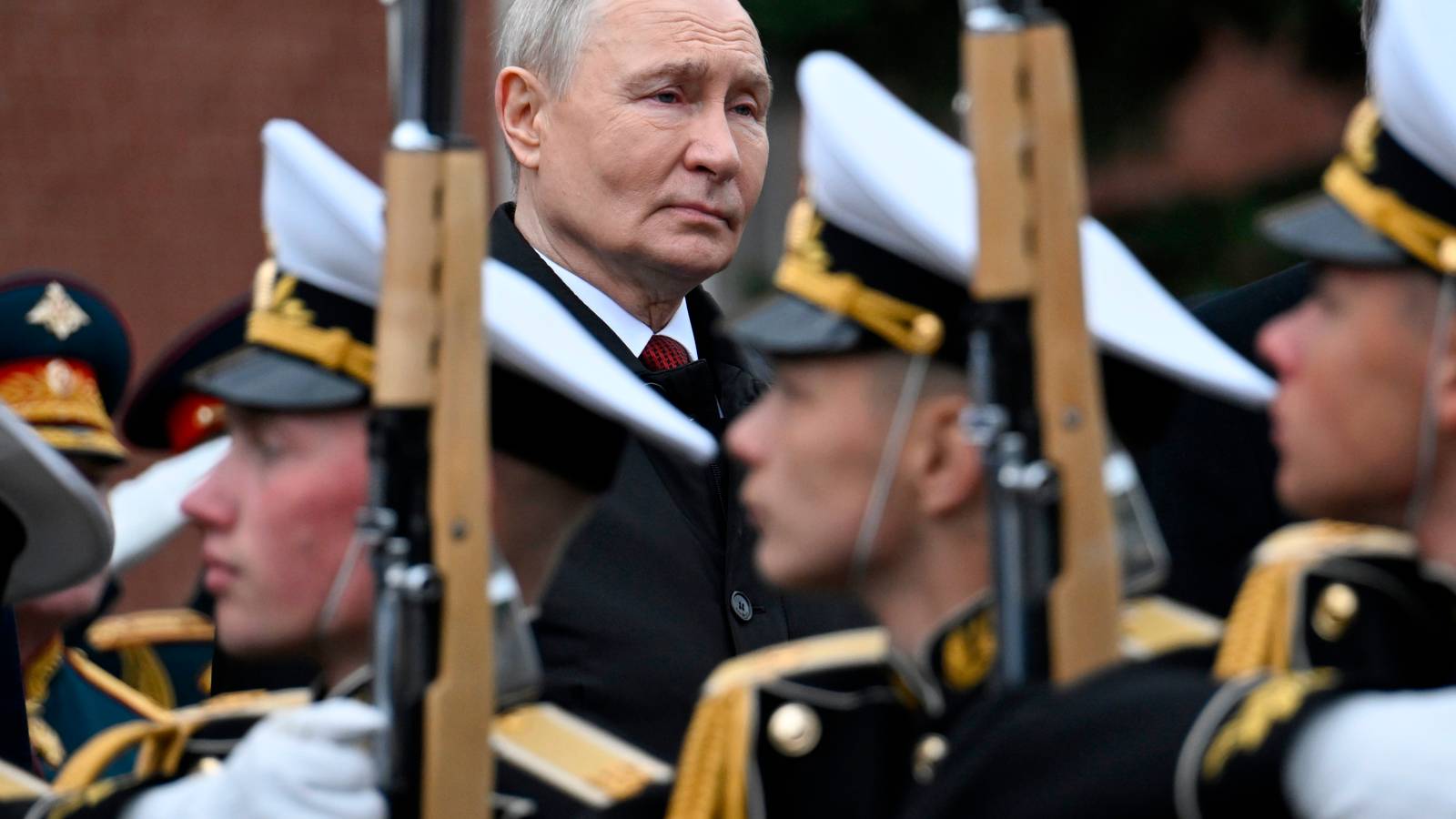
- Russia likely intends to sustain or expand conventional ballistic and drone strikes against Kyiv and Ukrainian infrastructure over the next 1 to 3 months. Reporting states that Moscow is weighing intensified ballistic missile attacks on Kyiv, including the city centre, and infrastructure in other Ukrainian cities. Vladimir Putin and Dmitry Peskov have framed retaliation as a response to Ukrainian attacks, while Peskov has also stated that Russia does not need military escalation. The assessment is medium confidence because the preparation reporting relies partly on unnamed Kremlin-linked sources and conflicts with official Russian messaging. (Confidence: medium · ASSESSED)
- I&W: Confirm: Within 0-14 days, Russian forces conduct another conventional ballistic strike on Kyiv, especially the city centre, or hit energy, port or transport infrastructure in a second Ukrainian city. (0-14 days)
- I&W: Break: Within 1-3 months, Russia publicly resumes substantive negotiations and conducts no additional ballistic or multi-city strike during the same period. (1-3 months)
- Ukraine likely faces a near-term air-defence shortfall against Russian ballistic missiles, increasing the risk of damage to urban and infrastructure targets. Reporting says Ukraine is short of US-made Patriot missiles, while Ukrainian air defences reported shooting down or suppressing seven Russian ballistic missiles on 27 August. Ukraine's air force also reported hits at 28 locations on 21 August, and Volodymyr Zelensky called for additional countermeasures. Confidence is medium because the reporting does not quantify the missile shortfall or establish a consistent interception rate. (Confidence: medium · ASSESSED)
- I&W: Confirm: Within 0-14 days, Ukraine reports continued Patriot missile shortages alongside new ballistic missile impacts in Kyiv, Odesa or Poltava. (0-14 days)
- I&W: Break: Within 1-3 months, France delivers the promised interceptor missiles and Ukraine reports that a subsequent major ballistic attack produces no confirmed ballistic missile impacts. (1-3 months)
- Russia is very unlikely to use tactical nuclear weapons in Ukraine in the near term. The supplied reporting includes warnings that Vladimir Putin might use such weapons as a last resort and that some Russian officials view eventual use as possible. It also reports no signs of preparations and cites an expert assessment that the risk remains extremely low. The judgment rests on conflicting, mostly medium-confidence reporting and is therefore low confidence. (Confidence: low · ASSESSED)
- I&W: Confirm: Within 0-14 days, Russia announces a change in nuclear readiness, moves tactical nuclear systems towards Ukraine or issues an explicit employment order. (0-14 days)
- I&W: Break: Within 1-3 months, Russian officials repeat that no nuclear preparations are underway while Russia continues only conventional ballistic, cruise-missile and drone attacks. (1-3 months)
Outlook & scenarios
Sustained conventional strike cycle (55%)
Russia is likely to conduct repeated multi-city ballistic and drone attacks against Kyiv, Odesa, Poltava and other Ukrainian urban or infrastructure targets. Ukrainian air defences suppress some missiles, but further civilian casualties and damage to energy, port and transport facilities follow.
Bounded but persistent escalation (30%)
Russia is likely to maintain a variable strike tempo without a decisive expansion into sustained city-centre ballistic attacks. Public Russian statements continue to combine claims that escalation is unnecessary with warnings of harsh retaliation, while Ukrainian long-range strikes and Russian local ground pressure continue.
Improved Ukrainian air-defence performance (25%)
French interceptor missile deliveries improve Ukraine's ability to suppress ballistic missiles. Russian attacks continue, but the number of confirmed impacts in Kyiv, Odesa and Poltava remains below the level seen during the 27 August barrage.
Nuclear escalation wildcard (3%)
Tactical nuclear employment by Russia is very unlikely, but it remains a high-impact wildcard in the supplied reporting. The scenario requires observable changes in Russian nuclear readiness or explicit employment signalling, rather than rhetoric alone.
Recommendations
- For the next 14 days, maintain a single strike chronology that separates the attack beginning after nightfall on 26 August from the 27 August reporting. Reconcile casualty and impact data for Kyiv, Odesa, Poltava and Zaporizhzhia before using aggregate totals.
- Prioritise collection on Russian conventional ballistic activity. Record launch counts, impact points in Kyiv including the city centre, and strikes on energy, port or transport infrastructure in other Ukrainian cities. Compare Russian Ministry of Defence statements with Ukrainian air force and regional administration reporting.
- Track Ukrainian air-defence resilience daily. Record Patriot missile availability, delivery of the French interceptor missiles, the number of ballistic missiles shot down or suppressed, and confirmed impacts during each major attack.
- Keep nuclear warning criteria separate from conventional strike reporting. Raise the analytic priority only after observable changes in Russian nuclear readiness, movement of tactical nuclear systems towards Ukraine or an explicit employment order.
- Treat the supplied 2023 Black Sea shipping claims as historical context rather than evidence of a current 2026 maritime disruption. Seek fresh confirmation of any new booking suspensions, port closures or attacks on commercial vessels before assessing wider shipping effects.
Confidence & uncertainty
Confidence is low because the strongest evidence for intensified Russian strikes comes from multiple major media reports and official Ukrainian and Russian statements, but the dataset mixes 2026 reporting with stale 2023 records. The preparation-for-escalation assessment relies partly on unnamed Kremlin-linked sources and is contested by Dmitry Peskov's public position. Nuclear reporting is directly contradictory, while casualty totals and the timing of the nine-city strike contain unresolved discrepancies.
Cited sources
[1] Los Angeles Times · A Russian missile and drone barrage kills at least 16 in Ukraine's Kyiv region - Los Angeles Times (A) · sha256:1b9fb455f948 [2] nypost.com · Russia says it launched ‘massive’ overnight strike on 9 Ukrainian cities (B) · sha256:51cc914d94ab [3] Los Angeles Times · Russia bombards 9 Ukrainian cities overnight, calling the strikes 'massive' - Los Angeles Times (A) · sha256:6c49f831c966 [4] tass.ru · Срыв авантюры Украины и неприемлемые для РФ.. (B) · sha256:a7133e4ab4c5 [5] vlast.kz · Россия готовится к эскалации войны с Украиной – Bloomberg (B) · sha256:e3fd10ca9292 [6] military.com · Putin Moves to Escalate War in Ukraine as Talks at Dead End (B) · sha256:6d1b87bbc623 [7] meduza.io · Kremlin sources tell Bloomberg that Putin is preparing to escalate the war in Ukraine. A growing number of Russian officials believe that could eventually mean a tactical nuclear weapon. (B) · sha256:009d70846c33 [8] topwar.ru · Песков объяснил, почему России не нужна эскалация с Украиной (A) · sha256:7fdaab3fa440 [9] forbes.ru · Песков заявил Bloomberg, что России не нужна военная эскалация на Украине (B) · sha256:90c4a3a46d17 [10] The Guardian · Ukraine war briefing: Macron focuses on delivery of missile interceptors as Russian attacks intensify (A) · sha256:f60ece5154c8
Source content hashes were computed at collection time; the cited text is preserved unmodified for the life of this product.
Red cell review: CONCUR WITH COMMENT
TLP:CLEAR