TLP:CLEAR · Disclosure is not limited.
Ukraine-Russia: Overnight long-range strikes and drone salvos escalate, 28-29 June
Time window: Last 1 day · Audience: General analyst · Type: Situation report · DTG: 2026-06-29 13:41Z · Overall confidence: MEDIUM
BLUF
Ukraine very likely hit Russia’s Slavyansk-na-Kubani and Yaroslavl oil refineries with long-range drones overnight on 28 June, while Russia likely intensified drone attacks on Ukrainian cities. Zaporizhzhia suffered fatalities and dozens of injuries, and Moscow is very likely tightening air defences as Crimea suspends civilian fuel sales.
Executive summary
Open reporting indicates a sharper tit-for-tat air campaign: Ukraine very likely struck the Slavyansk-na-Kubani refinery and a second refinery in Yaroslavl region, with fires reported and local road closures between Moscow and Yaroslavl. Russian drone activity against Ukraine likely intensified, with at least 11 locations hit and 82 drones reportedly downed by Ukrainian air defence by morning. In Zaporizhzhia on 28 June, at least two people were killed and 16 injured, with hospitals later reporting up to 70 wounded and 16 in serious condition, underscoring contested tallies. President Vladimir Putin acknowledged stepped-up air defence efforts against intensified Ukrainian strikes on Russia’s oil industry, and Crimea’s Kremlin-installed authorities suspended civilian petrol sales after Ukrainian interdiction of supply routes, signalling pressure on Russian sustainment.
Change from previous assessment
Since the 27 June brief, assessed cross-border activity has shifted to clearly reported long-range Ukrainian strikes on Russia’s Slavyansk-na-Kubani and Yaroslavl refineries with associated road closures, while Russian drone activity against Ukraine included impacts at 11 locations and 82 downed by morning reporting. Zaporizhzhia civilian casualty figures rose and remain contested, and Crimea’s authorities suspended civilian petrol sales after interdiction of supply routes, reinforcing prior assessments of mounting logistical strain.
Key judgments
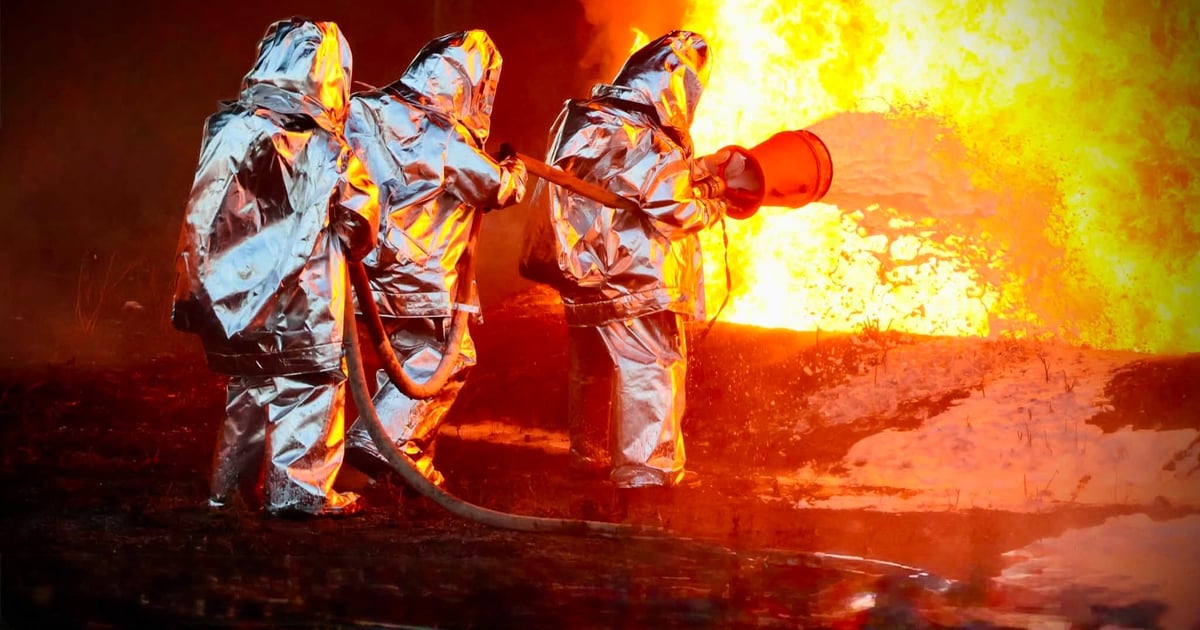
- Ukraine very likely carried out long-range drone strikes that set fires at Russia’s Slavyansk-na-Kubani refinery and hit a second refinery in the Yaroslavl region overnight on 28 June, prompting temporary road closures near Yaroslavl and at least one death reported by regional authorities. (Confidence: high · REPORTED)
- I&W: Official posts or notices from Yaroslavl or Moscow region authorities referencing refinery damage assessments or renewed road closures along the M8 corridor. (0-14 days)
- I&W: Commercial satellite or open-source imagery confirming burn scars or repair activity at the Slavyansk-na-Kubani and Yaroslavl refineries. (0-14 days)
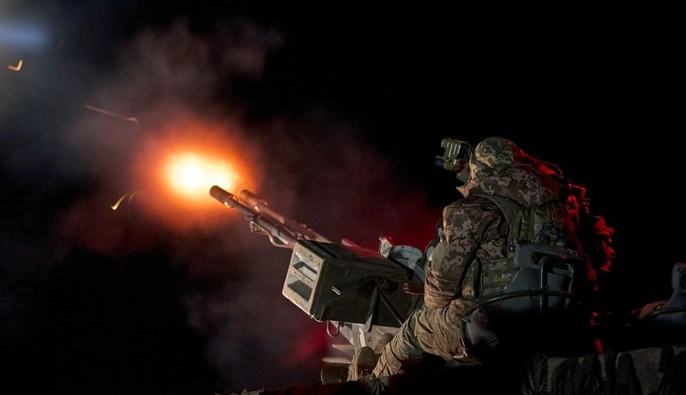
- Russia likely intensified drone salvos against Ukraine over the same period, with at least 11 locations hit and Ukrainian air defence reporting 82 drones downed by 08:00, while debris from downed drones fell at four sites. (Confidence: medium · REPORTED)
- I&W: Repeated nightly Ukrainian Air Force tallies showing 50+ hostile drones engaged across multiple directions. (0-14 days)
- I&W: Verified geolocated imagery of fresh impact sites across 10+ Ukrainian localities within a 24-48 hour window. (0-14 days)
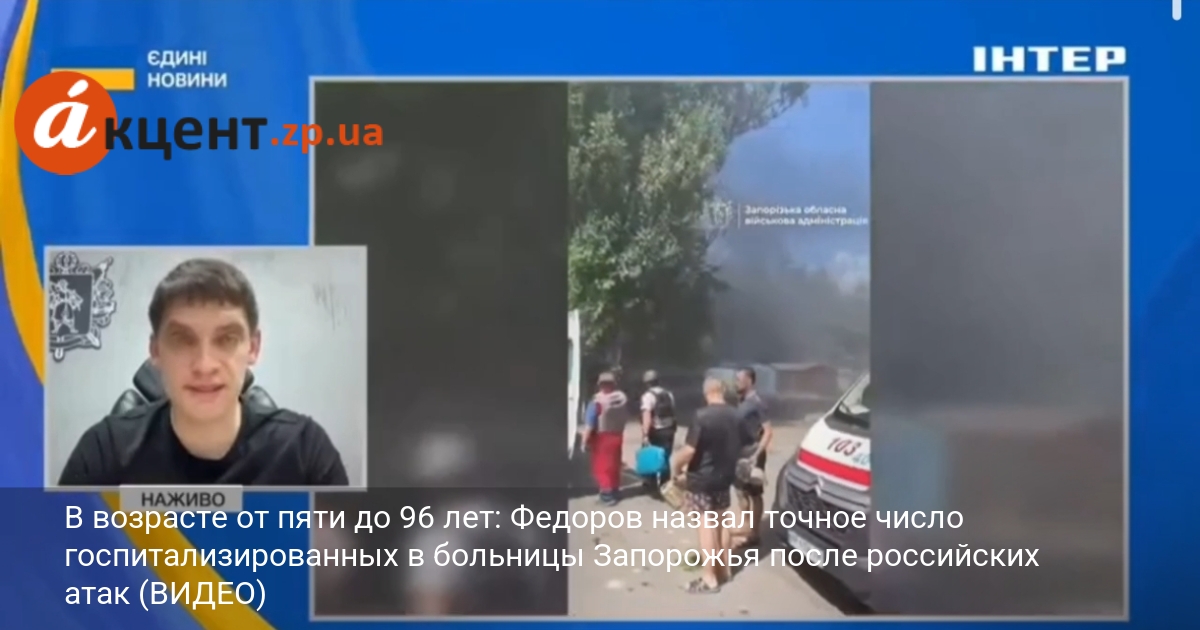
- Russian strikes very likely caused civilian casualties in Zaporizhzhia city on 28 June, with at least two killed and 16 injured initially reported, and hospitals later citing up to 70 wounded including 16 in serious condition, reflecting contested tallies. (Confidence: medium · REPORTED)
- I&W: Consolidated municipal or health ministry casualty updates aligning hospital admissions with incident-specific figures near the reported 70 injured. (0-14 days)
- I&W: Official corrections that materially lower or disaggregate the reported injury totals by incident and time of admission. (0-14 days)
- The Kremlin is very likely strengthening air defence and domestic security responses to Ukrainian deep strikes on its oil sector, as signalled by President Putin and by official claims of very high daily drone shootdowns, alongside local movement controls during attacks. (Confidence: medium · ASSESSED)
- I&W: New public notices of road or airspace restrictions, or visible deployment of air defence assets around major refineries and energy nodes. (0-14 days)
- I&W: Sustained official reporting of triple-digit daily drone interceptions without independent corroboration decreases. (0-14 days)
- Crimea’s energy and fuel supply situation is deteriorating under Ukrainian interdiction of supply routes, with Kremlin-installed authorities suspending civilian petrol sales on 28 June. (Confidence: medium · REPORTED)
- I&W: Continuation or expansion of fuel rationing orders and public advisories on restricted civilian sales across Crimean municipalities. (0-14 days)
- I&W: Official notices lifting the suspension of civilian fuel sales and reporting of replenished stocks at filling stations. (0-14 days)
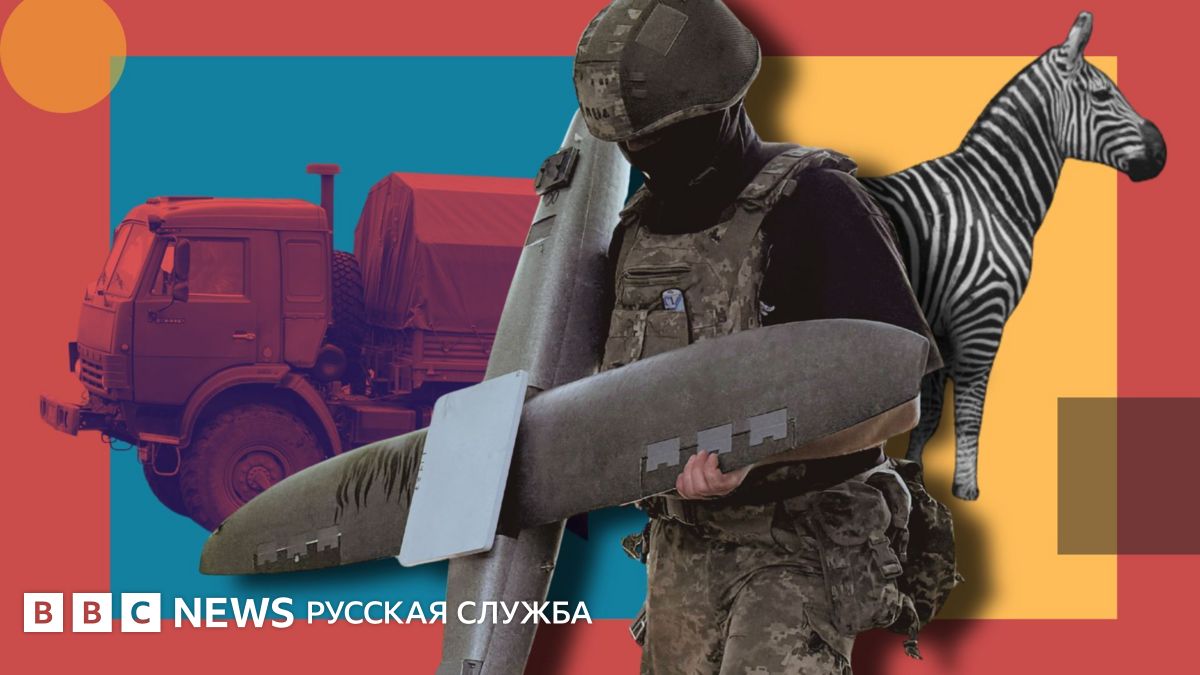
- Ukraine is likely to sustain and diversify long-range strike options in the near term, combining AI-enabled drones with the maturation of domestically produced ballistic systems under accelerated certification and codification processes. (Confidence: medium · ASSESSED)
- I&W: Official announcements confirming FP-7 or FP-9 codification completion or the F7’s certification milestones, followed by first reported operational use. (1-3 months)
- I&W: Reports of programme delays, procurement deferrals or test setbacks affecting Ukrainian ballistic systems. (1-3 months)
Outlook & scenarios
Sustained cross-border deep-strike duel (60%)
Over the next 1-3 months, Ukraine maintains frequent long-range drone strikes against Russian oil infrastructure, including additional refinery targets, while Russia tightens local movement controls and air defence around energy sites. Public statements continue to frame refinery hits as degrading Russia’s war resources, and local Russian authorities issue episodic closure notices near targeted regions.
Russian massed aerial strike wave in the near term (50%)
Within 0-14 days, Russia mounts a larger wave of drone and missile attacks on Ukrainian cities and infrastructure, consistent with analysts’ expectations of a new mass attack cycle and recent reports of multi-location drone impacts. Ukrainian air defence reports high nightly engagement counts, with intermittent civilian casualties similar to the 28 June Zaporizhzhia incident.
Crimea logistics stress deepens (50%)
Over the next 1-3 months, interdiction effects persist, prolonging or expanding fuel-sale suspensions and rationing across Crimea. Civilian-facing austerity measures remain in place as authorities struggle to stabilise stocks amid repeated Ukrainian targeting of supply routes.
Recommendations
- Task imagery and open-source teams to acquire and compare commercial satellite passes over Slavyansk-na-Kubani and the Yaroslavl refinery for burn scars, repair activity and operational status; cross-reference with local authority notices.
- Stand up a daily intercept of regional emergency channels and road authorities in Yaroslavl and Moscow regions to log attack-linked closures and advisories in near real time.
- Maintain a Ukraine-wide drone impact log with geolocated visuals for the last 24-72 hours; reconcile with Ukrainian air defence shoot-down reports to map strike density and effectiveness.
- In Zaporizhzhia, compile incident-specific casualty figures by time of admission from hospital and municipal sources to resolve contested tallies and identify trends in severity.
- Monitor Crimean administrative channels and retail-fuel reporting for changes to sale suspensions, rationing, and queueing; flag any formal lifting of restrictions or evidence of replenishment.
- Track Ukrainian strike-enabler development: follow official codification and certification milestones for FP-7, FP-9 and F7, and watch MoD codification decisions alongside reported AI-drone performance in field operations.
Confidence & uncertainty
Overall confidence is medium. Multiple high-reliability reports and official statements corroborate Ukrainian strikes on the Slavyansk-na-Kubani and Yaroslavl refineries and associated Russian responses, and credible local reporting supports Zaporizhzhia casualties. However, several elements rely on single-side official claims, some figures are contested or lack independent visual confirmation, and parts of the air-raid tempo are inferred from partial tallies. These gaps and the information environment’s inherent bias warrant a medium headline confidence.
Alternative analysis (red cell)
Multiple key judgments depend on single-source political statements, preliminary regional reports, or internally inconsistent casualty and strike counts (see contradiction_unaddressed and kj_thin linting). Alternative, defensible readings include: refinery fires caused by downed-drone debris or accidents rather than direct long-range strikes; strike and shootdown totals that are preliminary and possibly double-counted; and unsettled civilian casualty tallies in Zaporizhzhia that conflate different reporting times. Substantive multisensor, forensic, and independent reporting is required before the original confidence levels are supported.
Intelligence gaps
- [EEI 1.1 · PARTIAL] Number of airstrikes and aircraft/UCAV sorties per 24-hour period, broken down by administrative region and timestamped geolocation of each strike/strike cluster. Recommended collection: air defense radar/ADS-B
- [EEI 1.2 · PARTIAL] Types of delivery platforms and munitions observed (fixed-wing aircraft model, helicopters, cruise missiles, ballistic missiles, guided bombs, loitering munitions) with visual/forensic confirmation of munition remnants where possible. Recommended collection: satellite/imagery; munition forensics
- [EEI 1.3 · PARTIAL] Airspace access and sortie origin information: airbases, staging areas, tanker/ISR support flights, and routing corridors used in the last 7 days. Recommended collection: airspace/ADS-B; satellite/imagery
- [EEI 1.4 · PARTIAL] Changes in temporal or target-patterns compared to the prior baseline (new target types, time-of-day shifts, concentration on specific infrastructure or front sectors). Recommended collection: open-source media; satellite/imagery
- [EEI 2.2 · UNCOVERED] Functional status reports and capacity of hospitals and emergency services in strike-affected areas (beds available, emergency department functionality, evacuation of patients). Recommended collection: humanitarian organizations/civilian authorities
- [EEI 2.3 · PARTIAL] Operational outages and damage reports for critical infrastructure (power plants/substations, water treatment, telecommunications, rail junctions, bridges) with geolocated pre/post imagery where feasible. Recommended collection: utility operators; satellite/imagery
- [EEI 2.4 · UNCOVERED] Population displacement metrics: numbers and routes of internally displaced persons, shelter occupancy rates, and evidence of mass evacuations or blocked humanitarian access corridors. Recommended collection: humanitarian organizations; social media
- [EEI 3.2 · PARTIAL] Evidence of munitions and parts resupply rates: documented deliveries to forward depots/airbases, rail/road convoys with munitions manifest, or satellite imagery showing stockpile levels over time. Recommended collection: logistics tracking; satellite/imagery
- [EEI 3.3 · PARTIAL] Indicators of escalatory posture or force employment changes: deployment or activation of long-range strike assets, increased sorties of strategic platforms, or movement/deployment of additional surface-to-air systems. Recommended collection: satellite/imagery; air defense radar
Cited sources
[1] Al Jazeera · Russia-Ukraine war: Why has Putin rejected limits on long-range strikes? (A) · sha256:3e6da9a60d76 [2] Los Angeles Times · Ukraine attacks Russian oil refinery as Putin acknowledges 'difficult period' - Los Angeles Times (A) · sha256:4f75f5d67c8a [3] apostrophe.ua · ПВО обезвредили 82 вражеских БПЛА (B) · sha256:86824f0a27d3 [4] hromadske.ua · россияне атаковали Украину 108 беспилотниками. Сколько сбили? (B) · sha256:4b4e7404d09d [5] Портал Акцент · В возрасте от пяти до 96 лет: Федоров назвал точное число госпитализированных в больницы Запорожья после российских атак (ВИДЕО) | Портал Акцент (D) · sha256:b225dae3b4b8 [6] Министерство обороны России · Названо число сбитых за сутки беспилотников ВСУ (A) · sha256:3729cf6cfaec [7] BBC News Русская служба · Зебры против шершней: как Россия пытается защититься от украинских «умных» дронов - BBC News Русская служба (A) · sha256:1cc7819113d6 [8] unn.ua · От испытаний до массового производства: когда украинские баллистические ракеты смогут ударить по России (B) · sha256:aa142276f905
Source content hashes were computed at collection time; the cited text is preserved unmodified for the life of this product.
Red cell review: PARTIAL DISSENT — KJ-5 downgraded HIGH→MEDIUM (kj_thin)
TLP:CLEAR