TLP:CLEAR · Disclosure is not limited.
Ukraine’s 30 June strike wave hits Crimea infrastructure and Russian C2; front remains largely static
Time window: Last 7 days · Audience: General analyst · Type: Situation report · DTG: 2026-07-01 07:13Z · Overall confidence: MEDIUM
BLUF
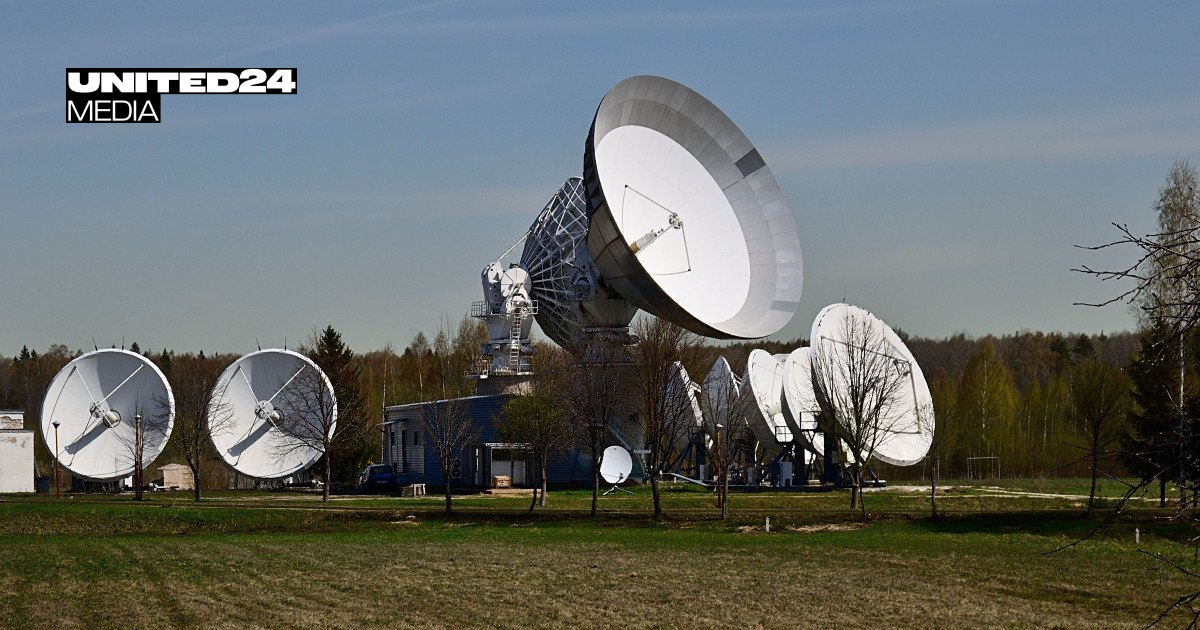
On 30 June Ukraine very likely executed a coordinated strike package across occupied Crimea and the east, hitting electrical substations, bridges, UAV command nodes and logistics hubs, while long-range drones likely struck Russia’s Dubna satellite ground hub near Moscow. Ukraine is likely holding Russian attacks on several sectors, sustaining a truck‑killing drone campaign and improved Shahed interception rates.
Executive summary
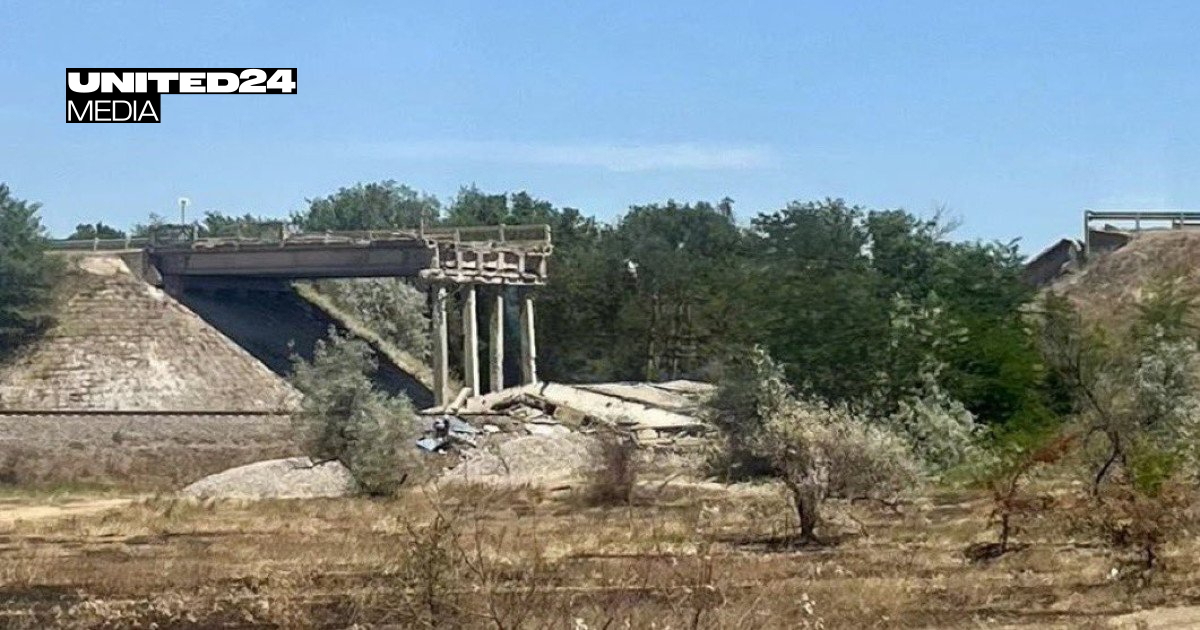
Ukraine very likely struck four electrical substations in Crimea’s Kurmanske and Dzhankoi districts and hit two bridges used by Russian forces near Azovske and Ichki on 30 June. Concurrently, Ukrainian forces reported strikes on Russian UAV command posts in Belgorod, Donetsk and Zaporizhzhia, a logistics warehouse near Novosvitlivka in Luhansk, and a command and observation post near Staromlynivka in Donetsk. Ukrainian long‑range drones likely again targeted Russia’s Dubna Space Communications Center, Russia’s largest satellite teleport, indicating persistent reach against strategic C2 infrastructure. Along the front, Ukraine likely halted Russian pushes on several sectors and initiated limited offensive actions, while maintaining an intensified medium‑range drone campaign against Russian supply and fuel trucks. Ukraine has likely raised Shahed interception rates to about 91 percent. NASA recorded 183 thermal anomalies across Ukraine between 30 June and 1 July, consistent with active strike and fire activity.
Change from previous assessment
Initial assessment of this topic for the current reporting window: new reporting points to a 30 June strike wave against Crimean power infrastructure, bridges, and multiple Russian C2 and logistics nodes, with likely repeat long‑range strikes on the Dubna satellite ground hub. The assessment of a largely static front with Ukrainian local offensive actions and sustained drone interdiction aligns with prior thematic understandings but gains specificity with named targets and dates in this window.
Key judgments
- Ukraine very likely executed a coordinated strike package on 30 June 2026 hitting four electrical substations in Crimea’s Kurmanske and Dzhankoi districts, two bridges used by Russian forces near Azovske and Ichki, multiple Russian UAV command posts in Belgorod, Donetsk and Zaporizhzhia, a logistics warehouse near Novosvitlivka in Luhansk, and a command and observation post near Staromlynivka in Donetsk. (Confidence: medium · REPORTED)
- I&W: Commercial satellite imagery shows damage and outages at substations in Dzhankoi and Kurmanske and disrupted spans at the Azovske and Ichki bridges. (0-14 days)
- I&W: Rapid restoration and normal traffic reported at the named substations and bridges with imagery showing no damage. (0-14 days)
- It is likely that Ukrainian long‑range drones again struck Russia’s Dubna Space Communications Center in Moscow region on 30 June, the second attack within roughly a week, indicating sustained reach against strategic satellite ground infrastructure supporting military and state security communications. (Confidence: medium · ASSESSED)
- I&W: High‑resolution imagery or telecom advisories indicate physical damage at Dubna and associated service disruptions. (0-30 days)
- I&W: Imagery shows no damage at Dubna and geolocated footage indicates impacts fell short of the facility. (0-14 days)
- Ukraine likely halted Russian offensive pushes in several sectors and began limited offensive actions of its own along the front. (Confidence: medium · REPORTED)
- I&W: Frontline mapping and geolocated footage show no net Russian advance over the next fortnight on the cited sectors alongside reported Ukrainian offensive actions. (0-14 days)
- I&W: Verified Russian capture of additional settlements on sectors previously described as halted. (0-30 days)
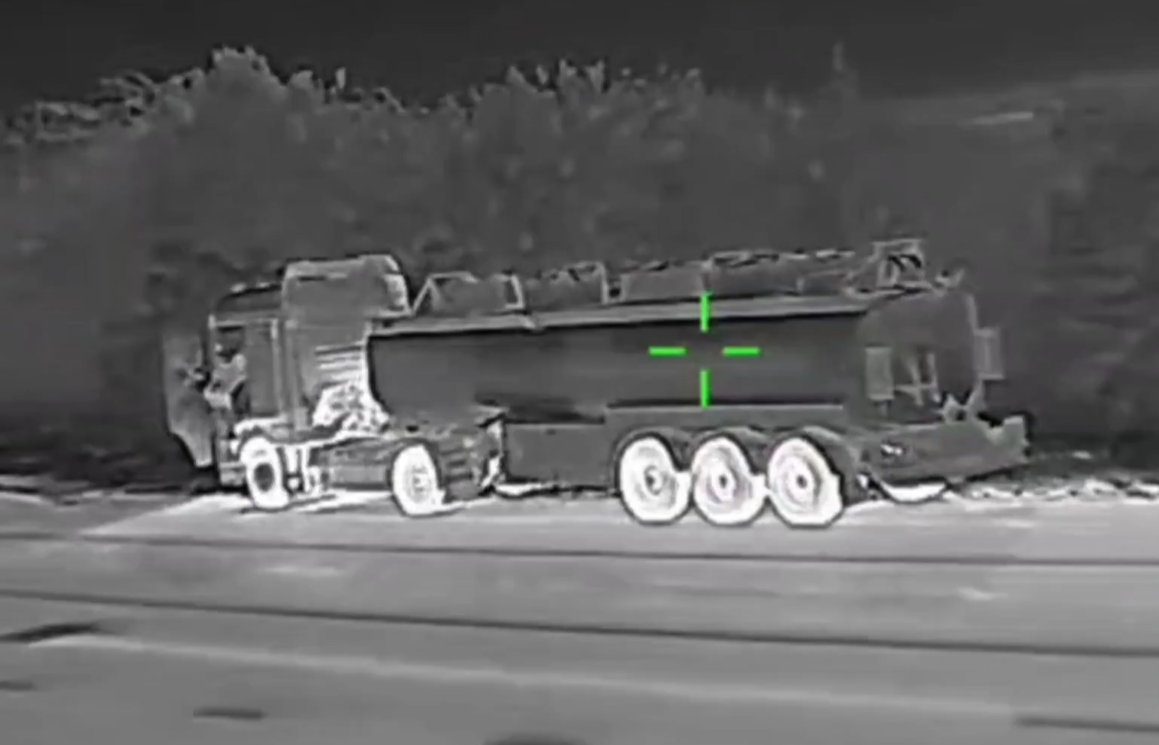
- Ukraine very likely continues an intensified medium‑range drone campaign against Russian supply trucks and fuel tankers in occupied territory, with at least 784 vehicle hits recorded and effects that have frozen the southern front for Russia. (Confidence: medium · REPORTED)
- I&W: Continued daily geolocated videos of destroyed Russian cargo and tanker trucks along occupied road corridors. (0-30 days)
- I&W: Marked decline in verified truck strikes accompanied by visible new convoy countermeasures and rerouting. (1-3 months)
- Ukraine likely improved interception rates against Shahed or Geran one‑way attack UAVs from roughly 83 percent to 91 percent as part of a broader Air‑Land‑Economy approach. (Confidence: medium · REPORTED)
- I&W: Regular Air Force reporting and independent tallies sustain 90 percent plus Shahed shoot‑down rates. (1-3 months)
- I&W: Documented increases in Shahed penetration with confirmed impacts in rear‑area cities. (0-30 days)
- NASA detected 183 thermal anomalies across Ukraine from 30 June to 1 July, which very likely reflects ongoing strikes and fires along the front rather than only wildfires. (Confidence: medium · ASSESSED)
- I&W: Thermal clusters coincide with reported strike or shelling locations in open‑source reporting. (0-14 days)
- I&W: Anomalies align with known seasonal burns or wildfire reports without corresponding combat reporting. (0-14 days)
Outlook & scenarios
Sustained Ukrainian deep strikes erode Russian rear‑area resilience (60%)
Ukrainian forces keep up near‑daily strikes on Crimea’s power grid, bridges, UAV nodes and logistics, alongside periodic long‑range attacks on strategic facilities such as Dubna. Crimea experiences recurring outages and movement constraints that complicate Russian reinforcement and supply to southern fronts.
Russian adaptation blunts the truck‑killing campaign (40%)
Russian units increase convoy protection, routing and electronic warfare, reducing verified losses of cargo and tanker trucks. Ukraine’s drone attrition effects diminish, front lines remain largely static and the tempo of deep strikes becomes the primary lever for operational pressure.
Localised Russian gains continue without an operational breakthrough (35%)
Russia achieves incremental advances in parts of Donetsk and Zaporizhzhia despite pressure on logistics, but lacks the mass and freedom of movement to convert gains into a breakthrough, keeping overall front dynamics attritional.
Recommendations
- Task commercial optical or SAR imagery over Dzhankoi and Kurmanske substations, the Azovske road bridge and Ichki railway bridge, the Novosvitlivka logistics area, and the Staromlynivka sector to verify strike effects and assess repair timelines.
- Acquire high‑resolution imagery of the Dubna Space Communications Center and monitor Russian telecommunications advisories to assess any sustained degradation.
- Fuse NASA FIRMS thermal detections with geolocated strike and shelling reports to prioritise verification of active fronts and likely logistics nodes under attack.
- Catalogue and geolocate open‑source footage of destroyed Russian cargo and tanker trucks, coding for vehicle type, route and countermeasures to quantify the effectiveness and evolution of Ukraine’s truck‑focused drone campaign.
- Track official Ukrainian air defence reporting and independent tallies of Shahed or Geran interceptions to validate sustained 90 percent plus shoot‑down rates or detect degradation.
- Maintain a Crimea‑focused watch on occupation‑authority announcements for power rationing, transport restrictions and fuel distribution changes that would corroborate infrastructure strike impacts.
Confidence & uncertainty
Multiple independent reports support Ukrainian strikes on 30 June against bridges, command posts, logistics sites and Crimean substations, and several sources reference renewed attacks on the Dubna satellite hub. The NASA FIRMS dataset provides corroborative, although non‑attributable, thermal activity during 30 June to 1 July. Some elements rely on single‑source or Ukrainian official reporting and do not yet have widely available imagery confirmation, and claims about front‑line dynamics compete with Russian assertions of gains. These factors justify a medium overall confidence.
Alternative analysis (red cell)
The available reporting is a set of discrete, often single-source tactical and political claims that do not collectively substantiate the higher-order operational inferences made in several judgments. It is defensible to read the evidence as indicating multiple claimed or actual attacks on 30 June and active interdiction campaigns, but insufficient to conclude a single coordinated strike package, confirmed sustained strikes against Dubna with operational impact, or that vehicle tallies have frozen the southern front without independent, geolocated, and forensic corroboration.
Intelligence gaps
- [EEI 1.1 · PARTIAL] Geotagged UAV/satellite imagery showing abandoned defensive positions or newly occupied settlements. Recommended collection: overhead imagery
- [EEI 1.2 · UNCOVERED] Confirmed movement of frontline ambulance evacuation routes beyond previous coordinates. Recommended collection: SIGINT/medical logistics
- [EEI 2.1 · UNCOVERED] Concentration of assault battalions (≥3 mechanized companies) within 15km of contact line. Recommended collection: SIGINT/UAV
- [EEI 2.2 · UNCOVERED] Unusual artillery stockpile buildup at forward depots exceeding 30-day consumption rates. Recommended collection: overhead imagery/logistics
- [EEI 3.1 · UNCOVERED] Bridge structural damage assessments at 5 key Dnieper River crossings via multispectral imaging. Recommended collection: overhead imagery
- [EEI 3.2 · UNCOVERED] Rail traffic volume changes at Kryvyi Rih and Pokrovsk rail hubs compared to 7-day baseline. Recommended collection: commercial freight data
Cited sources
[1] united24media.com · Russia’s Supply Lines Take Another Hit as Ukraine Strikes Two Bridges in Occupied Territory (B) · sha256:00d31df83a8f [2] united24media.com · Ukrainian Drones Strike Russia’s Largest Satellite Ground Hub Near Moscow for Second Time (B) · sha256:edb8ca7c7382 [3] ClearView News · Russian forces were HALTED! Putin issued an EMERGENCY STATEMENT (B) · sha256:25a53c7965cf [4] Ukraine News · Russia's army has been STOPPED! Putin made an URGENT STATEMENT (B) · sha256:e7bcb64d85e5 [5] euobserver.com · Ukraine decimating Russia’s truck fleet, as Putin gives deluded press briefing (Ukraine Battlefield update, Day 1,587) (B) · sha256:4577a6e49106 [6] janes.com · Ukrainian Defence Minister outlines UAV interception gains and capability shortfalls (B) · sha256:230250877894 [7] NASA · NASA FIRMS thermal detections — Ukraine (2d) (A) · sha256:827a3306c04c
Source content hashes were computed at collection time; the cited text is preserved unmodified for the life of this product.
Red cell review: PARTIAL DISSENT
TLP:CLEAR