TLP:CLEAR, Disclosure is not limited.
Ukraine’s Deep Strikes Expand Into Russia as Drone War Intensifies; Ground Picture Mixed on Kostiantynivka, Kupiansk, Lyman Axes (4-11 Jun 2026)
Time window: Last 7 days · Audience: General analyst · Type: Situation report · DTG: 2026-06-11 08:19Z · Overall confidence: MEDIUM
BLUF
Ukraine very likely expanded a deep‑strike campaign on 10-11 June against Russian military industry and energy nodes in Cheboksary, Vladimir, and Samara, while also hitting occupied Mariupol and a Black Sea ‘shadow fleet’ tanker. Russian aerial attacks likely remained intense, injuring civilians in Zaporizhzhia and Odesa; claims of Russian ground advances near Kostiantynivka, Kupiansk, Lyman are single‑source and uncorroborated.
Executive summary
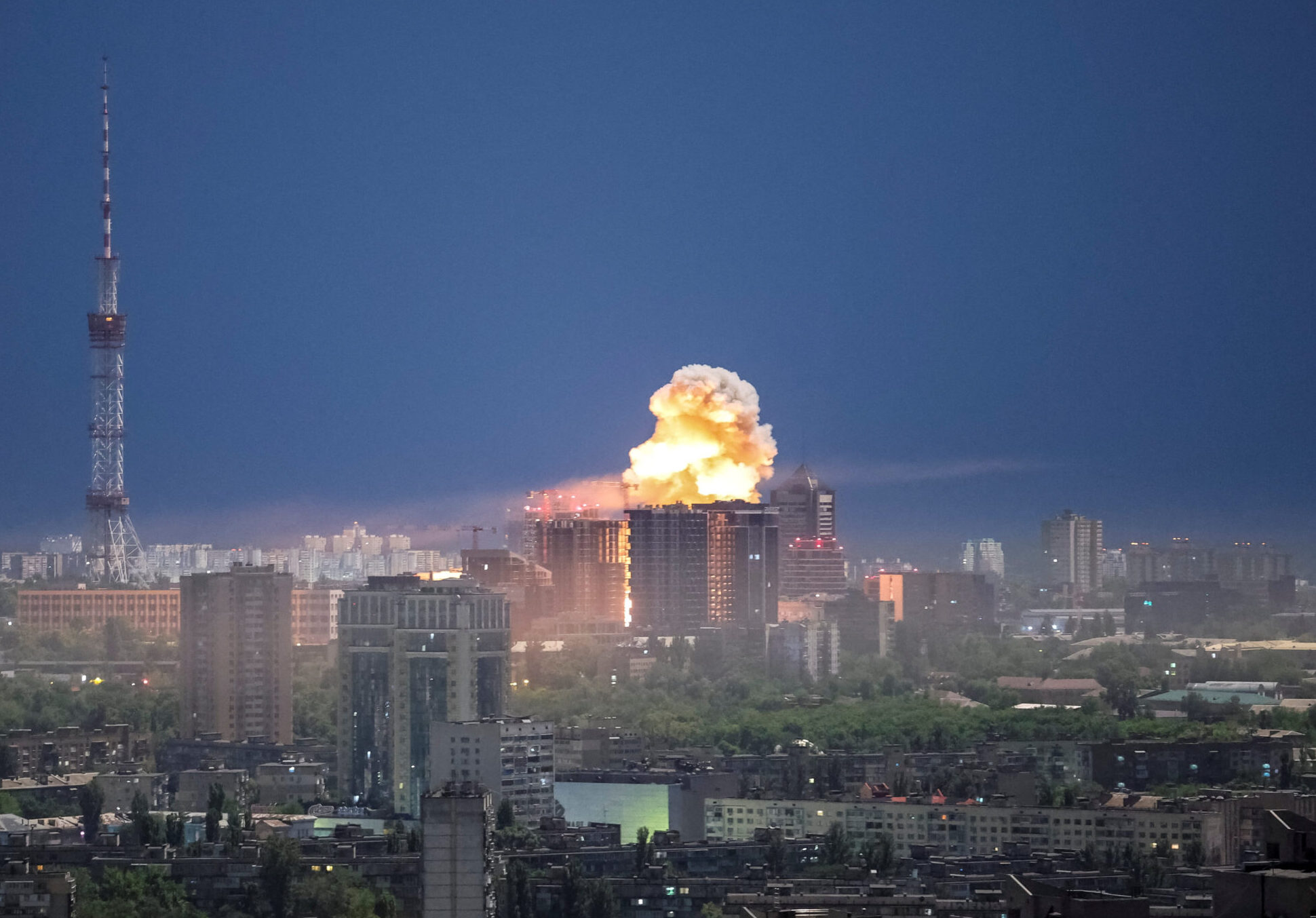
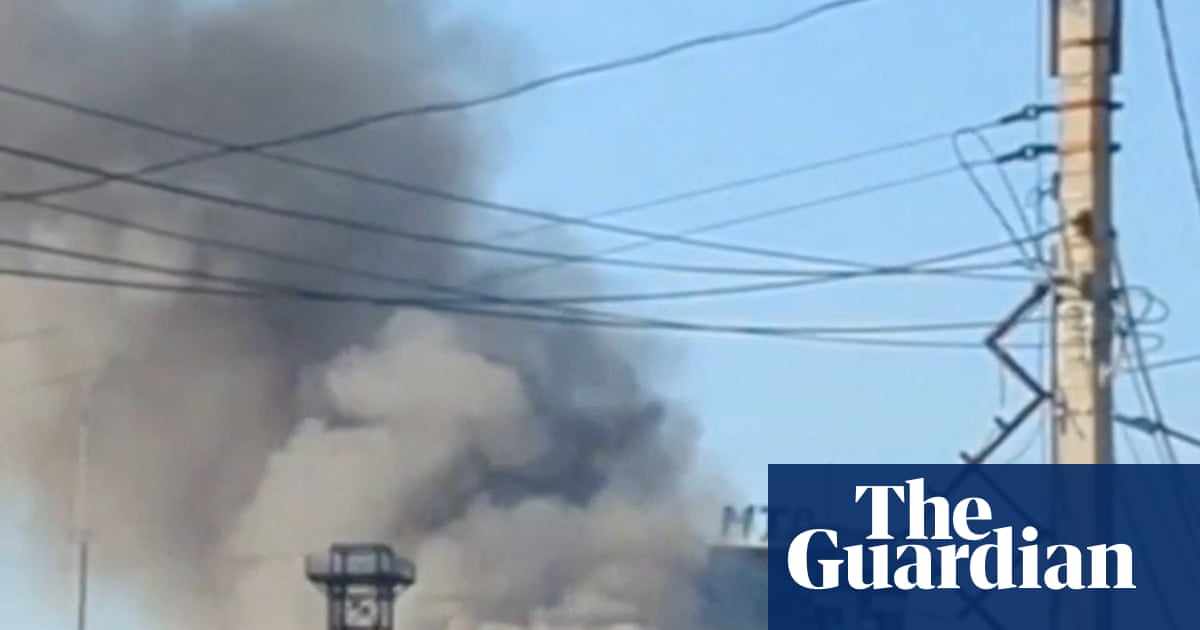
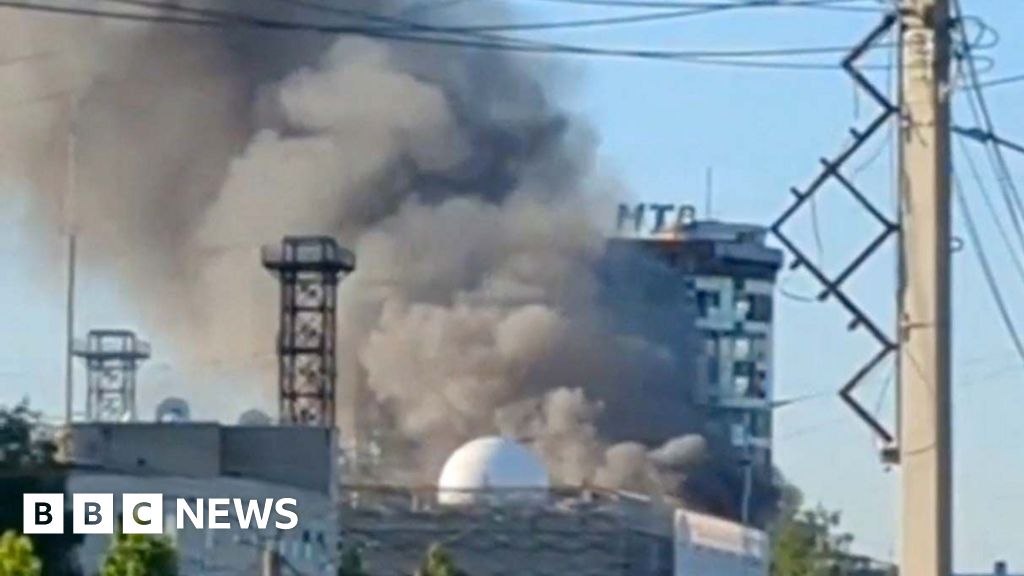
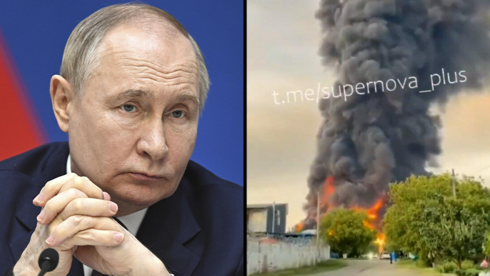
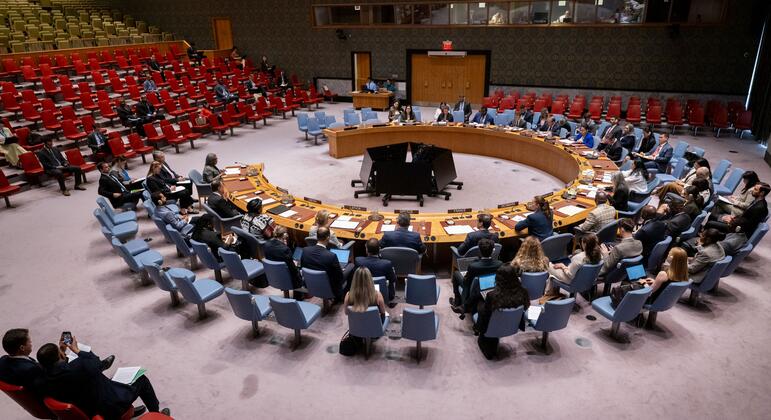
Multiple outlets report a coordinated wave of long‑range Ukrainian strikes 10-11 June that hit the VNIIR‑Progress plant in Cheboksary (over 560 miles from the front), oil facilities in the Vladimir region, and a refinery in Russia’s Samara region where Rosneft’s Kuibyshev plant halted processing after a drone attack. Ukraine also said it struck the occupied port of Mariupol and the Black Sea tanker West Horizon. Russian aerial attacks likely remained heavy, with 10 injured in Zaporizhzhia and additional injuries in Odesa; local officials tallied at least two dead and 26 injured across four regions in 24 hours. UN officials assess the war’s humanitarian toll is worsening, and recent months have seen some of the conflict’s most extensive aerial attacks. Reporting on ground fighting around the Kostiantynivka, Kupiansk, Lyman corridor is contradictory: single‑source claims of Russian advances contrast with Ukrainian statements of cumulative territorial gains in 2026.
Change from previous assessment
Expanded confirmation of 10-11 June Ukrainian deep strikes with additional detail on the Cheboksary VNIIR‑Progress plant, oil sites in the Vladimir region, and Rosneft’s Kuibyshev refinery halting processing in Samara; corroboration that occupied Mariupol and the Black Sea tanker West Horizon were also struck. Reinforced assessment of high‑tempo aerial activity with new civilian casualty figures and NASA thermal detections. Added assessment on Russia’s evolving drone capabilities and Ukraine’s interception improvements. The ground situation along Kostiantynivka, Kupiansk, Lyman remains thinly sourced and contradictory; confidence in material front‑line change remains low.
Key judgments
- Ukraine very likely conducted coordinated deep‑strike operations on 10-11 June, hitting the VNIIR‑Progress military plant in Cheboksary with FP‑5 Flamingo missiles, targeting oil infrastructure in Russia’s Vladimir region, and striking a refinery in Samara where Rosneft’s Kuibyshev plant halted processing; Ukraine also struck the occupied port of Mariupol and the Black Sea ‘shadow fleet’ tanker West Horizon. (Confidence: high · REPORTED)
- I&W: Commercial or official satellite imagery confirms structural fire damage at the VNIIR‑Progress site in Cheboksary and ongoing repair/outage activity at Rosneft’s Kuibyshev refinery. (0-14 days)
- I&W: Additional Ukrainian public claims of strikes against energy or military‑industrial facilities in Russia’s interior corroborated by regional Russian officials acknowledging damage or injuries. (0-30 days)
- Russian aerial attacks very likely continued to inflict civilian harm in Ukraine on 10 June, injuring 10 people in Zaporizhzhia and a mother with two children in Odesa; across four regions at least two were killed and 26 injured in 24 hours, while NASA recorded 16 thermal anomalies in Ukraine over 10-11 June consistent with multiple active fire zones (without attributing cause). (Confidence: high · REPORTED)
- I&W: Continued regional official reports of nightly strikes with casualty figures and infrastructure damage in Zaporizhzhia, Odesa, and other oblasts. (0-14 days)
- I&W: Sustained clusters of NASA FIRMS thermal detections aligning with reported strike locales in Ukraine. (0-14 days)
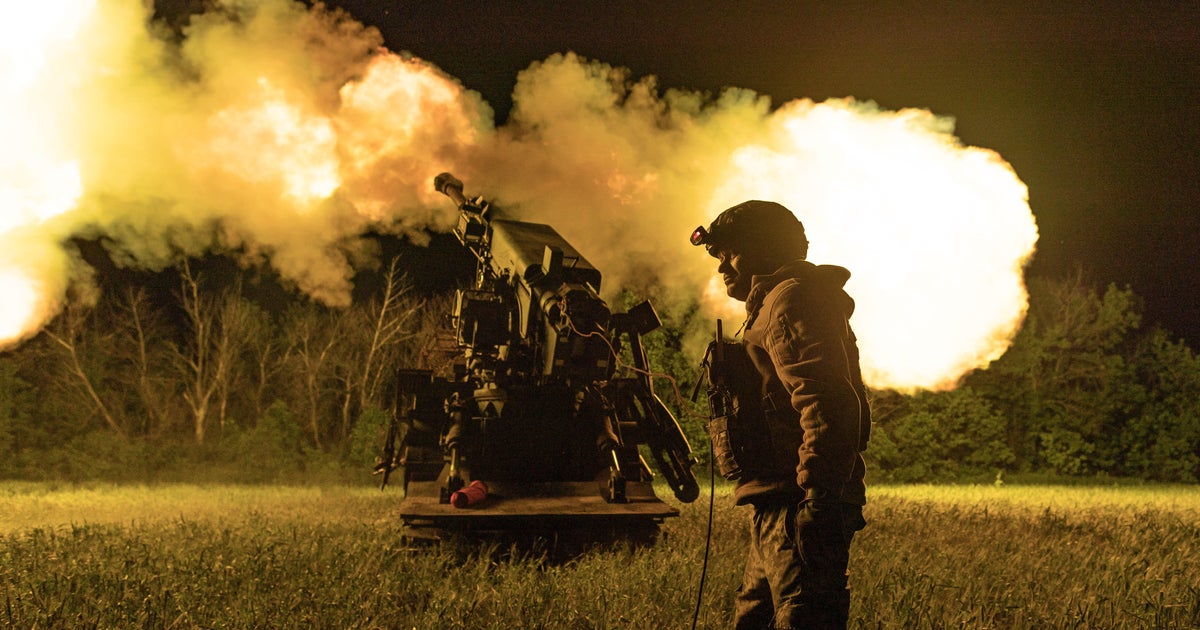
- The air and drone war is likely to intensify: Russia is deploying jet‑powered strike drones and improving operator control and multi‑drone networking to bypass Ukrainian air defenses, even as Ukraine increases interception rates and fields more interceptor drones. (Confidence: medium · ASSESSED)
- I&W: Documented use of jet‑powered drone debris in Ukraine and visible expansion of related launch infrastructure in Russia’s Oryol region. (1-3 months)
- I&W: Ukrainian officials continue reporting elevated drone interception counts alongside persistent multi‑vector Russian drone salvos. (0-3 months)
- The tactical picture on the Kostiantynivka, Kupiansk, Lyman axes is unclear, with a roughly even chance that front‑line control changed materially this week: single‑source reports of Russian advances and of a 'collapse' at Lyman are uncorroborated, while Ukrainian authorities report cumulative gains of about 600 km² in 2026, including nearly 100 km² in May. (Confidence: low · ASSESSED)
- I&W: Geolocated visual evidence of new control of named settlements near Lyman, Kupiansk, or Kostiantynivka accepted by both sides’ official channels. (0-30 days)
- I&W: Converging battlefield maps from Ukrainian and Russian sources showing aligned changes in the line of contact in the corridor. (0-30 days)
- Ukraine likely intends to sustain a campaign against Russian logistics and energy infrastructure to degrade operational sustainment, consistent with targeting of hubs and stockpiles, expanded ability to hit 50-100 km beyond the front, prior long‑range operations into Russia, and approval of a new Rocket Forces and Artillery development concept through 2030. (Confidence: medium · ASSESSED)
- I&W: Additional Ukrainian strikes on Russian oil, rail, or defense‑industrial facilities deep in Russia and in occupied Crimea documented by local authorities. (0-60 days)
- I&W: Public Ukrainian force‑development statements or procurement moves aligned to long‑range strike growth. (1-6 months)
- Fuel and logistics in Russia’s Samara and adjoining southern areas are likely to face short‑term disruption following the 10-11 June strikes, as indicated by the Kuibyshev refinery shutdown and regional reports of industrial damage and injuries; separate reporting cites fuel supply problems and panic buying in southern regions. (Confidence: medium · ASSESSED)
- I&W: Official notices or corporate statements confirming extended outages or reduced throughput at Samara‑area refineries and knock‑on effects on local fuel distribution. (0-30 days)
- I&W: Russian regional authorities’ updates reporting normalized retail fuel availability and resumed refinery operations. (0-30 days)
Outlook & scenarios
Sustained Ukrainian deep‑strike campaign degrades Russian logistics and energy output, 60%
Follow‑on Ukrainian long‑range strikes target additional oil, rail, and defense‑industrial nodes in Russia’s interior and occupied territories, compounding repair backlogs and causing periodic refinery outages and logistics delays. Cheboksary‑type strikes recur while Vladimir and Samara remain on a watch list for repeat attacks.
Drone escalation cycle strains Ukrainian air defenses, 50%
Russia increases the share of jet‑powered and networked drones in massed salvos, maintaining operator control via mobile networks and probing gaps to bypass defenses. Ukraine’s interception rates remain high but require sustained munitions resupply and force adaptation as nightly raids continue.
Localized Russian gains near Kupiansk, Lyman, 30%
Limited Russian advances materialize along the Kupiansk, Lyman corridor, converting isolated tactical penetrations into small territorial gains. Reporting converges as geolocated evidence emerges, though gains fall short of operational breakthroughs.
Ukrainian incremental counter‑gains continue through summer 2026-40%
Ukraine preserves momentum from earlier 2026 gains by exploiting Russian logistics disruption and precision strikes to retake additional localities and terrain parcels, especially where Russian defenses are thinnest or supply lines are degraded.
Recommendations
- Exploit commercial and classified imagery to produce a damage and recovery timeline for the VNIIR‑Progress plant in Cheboksary and Rosneft’s Kuibyshev refinery; update assessments as new repair activity appears.
- Establish a standing watch on Russian regional channels and corporate statements in Samara and Vladimir to confirm refinery throughput, worker injuries, and distribution impacts following strikes.
- Task OSINT/IMINT collection on suspected jet‑drone launch infrastructure in Russia’s Oryol region and track debris signatures in Ukraine to validate platform types and evolving TTPs.
- Maintain a running ledger of Ukrainian long‑range strikes (location, target type, claimed munitions, corroboration level) to quantify effects on Russian logistics over time.
- Correlate Ukrainian casualty reports with NASA FIRMS thermal detections to prioritize rapid attribution leads while clearly separating heat signatures from causation in analytic notes.
- Flag single‑source battlefield claims on the Kostiantynivka, Kupiansk, Lyman axes for deferred judgment until geolocated visual evidence emerges; prepare map updates contingent on confirmation thresholds.
- Integrate reporting on new air defense commitments to Ukraine into an air defense sustainability estimate, aligning likely demand with interceptor supply and anticipated Russian salvo volumes.
Confidence & uncertainty
Overall confidence is medium. The deep‑strike narrative is supported by multiple independent outlets and corroborating details (high confidence). Civilian‑harm reporting from regional officials and major media is consistent, with satellite‑detected thermal activity supporting but not attributing events (high confidence). Trends in drone warfare rely on credible think‑tank analysis and official Ukrainian statements but lack broad independent forensic confirmation (medium confidence). The ground picture around Kostiantynivka, Kupiansk, Lyman rests on conflicting and single‑source battlefield claims without convergent geolocation (low confidence). Key uncertainties include the true extent of damage to Russian industrial targets, Russia’s adaptation pace in drone TTPs, and whether reported ground movements represent durable control changes.
Alternative analysis (red cell)
While specific incidents (notably the Kuibyshev shutdown and reported civilian injuries in Zaporizhzhia and Odesa) are supported by relatively credible reporting, the broader portrayal of a coordinated, multi‑axis deep‑strike campaign, clear strategic intent to sustain infrastructure targeting, and an even‑chance large‑scale shift along the Kostiantynivka, Kupiansk, Lyman axes is not conclusively established by the provided claims. Much of the linkage relies on medium- and low-admiralty items or single-source technical assertions; alternative readings, that strikes are episodic, some attributions remain uncertain, and front-line changes are localized, remain plausible until corroborated by multi‑INT confirmation (IMINT/SIGINT/forensics).
Cited sources
[1] Los Angeles Times, Ukraine launches long-range strikes on military and energy sites in Russia - Los Angeles Times (A) · sha256:22425d2be91f [2] The Guardian, Ukraine war briefing: Flamingo missiles hit more far-flung Russian targets (A) · sha256:cab1ea035786 [3] BBC, Ukraine says missiles hit military plant deep inside Russia (A) · sha256:87eaab0155a5 [4] NASA, NASA FIRMS thermal detections, Ukraine (2d) (A) · sha256:250455f1a2d5 [5] United Nations, Security Council LIVE: UN officials warn humanitarian toll in Ukraine is worsening (A) · sha256:e9a798cfa43b [6] Atlantic Council, Ukrainian civilians face new threat from Russia’s upgraded jet drones (C) · sha256:100dbf476e7d [7] الحرب الثالثة, روسيا تتقدم في كوستيانتينيفكا وكوبيانسك وخاركيف | آخر تطورات حرب أوكرانيا (B) · sha256:aa8557b68b0b [8] Politik Real, Ukraine - Frontbericht - 11.06.26 - Liman am Ende, kommt eine neue Front?, Charkiw Vorstöße (B) · sha256:52cbc4b20fa1 [9] CBS News, Ukraine winning war with Russia, retired U.S. generals say, as top Ukrainian commander says over 230 square miles retaken (A) · sha256:ca4489a9e074 [10] Kyiv Independent, Ukraine war latest: Ukrainian forces target key Crimea crossing amid broader strikes on Russian military logistics (B) · sha256:e5ee433f03fc [11] ynetnews.com, Crimea fuel lines grow as Ukraine expands drone war deep into Russian energy heartland (B) · sha256:bb60bee983bf
Source content hashes were computed at collection time; the cited text is preserved unmodified for the life of this product.
Red cell review: PARTIAL DISSENT
TLP:CLEAR