TLP:CLEAR · Disclosure is not limited.
Ukraine’s long-range drone campaign hits Moscow refinery and deep-rear logistics
Time window: Last 7 days · Audience: General analyst · Type: Situation report · DTG: 2026-06-21 06:15Z · Overall confidence: LOW
BLUF
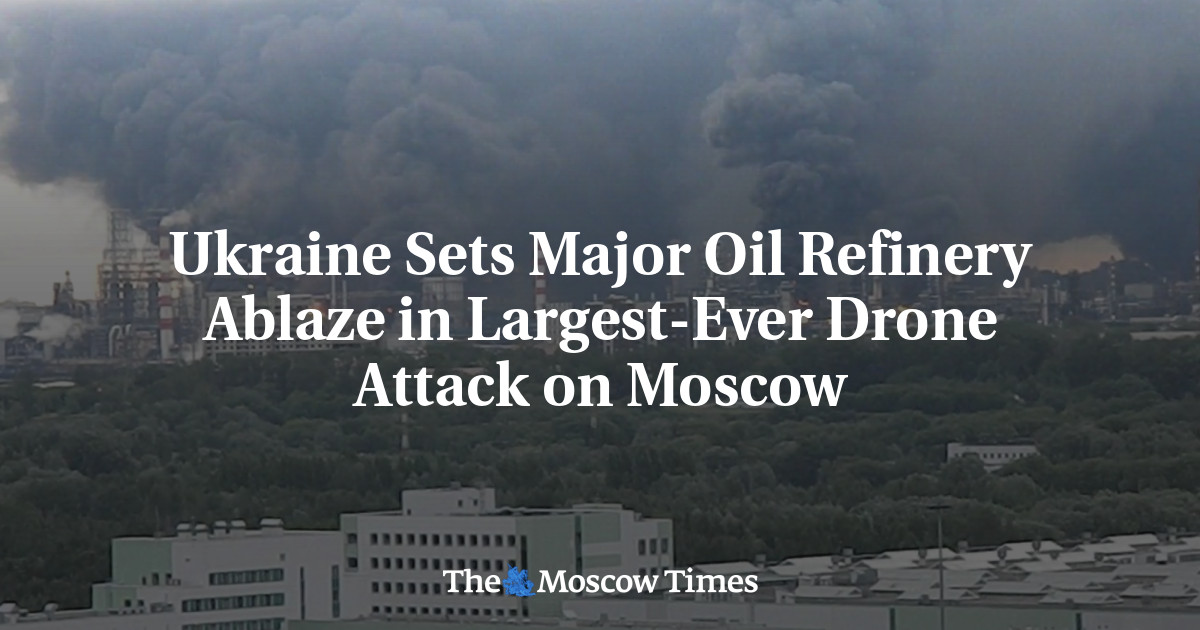
Ukraine conducted a large multi‑drone strike on Moscow on 18 June, setting the Kapotnya refinery ablaze and disrupting civil aviation. Taken with Kyiv’s declared ‘logistics lockdown’ of Crimea and surging mid‑range strike activity, this very likely marks a new phase focused on deep‑rear interdiction, while Russia is likely to sustain massed missile and drone reprisals against Ukrainian cities.
Executive summary
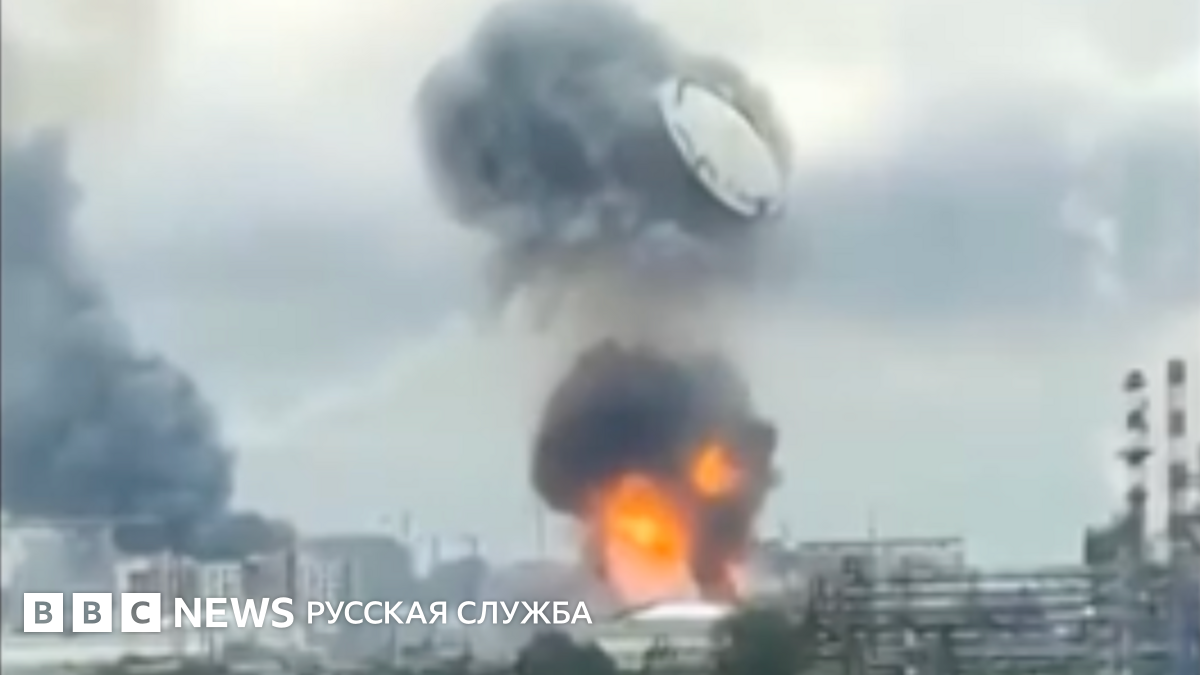
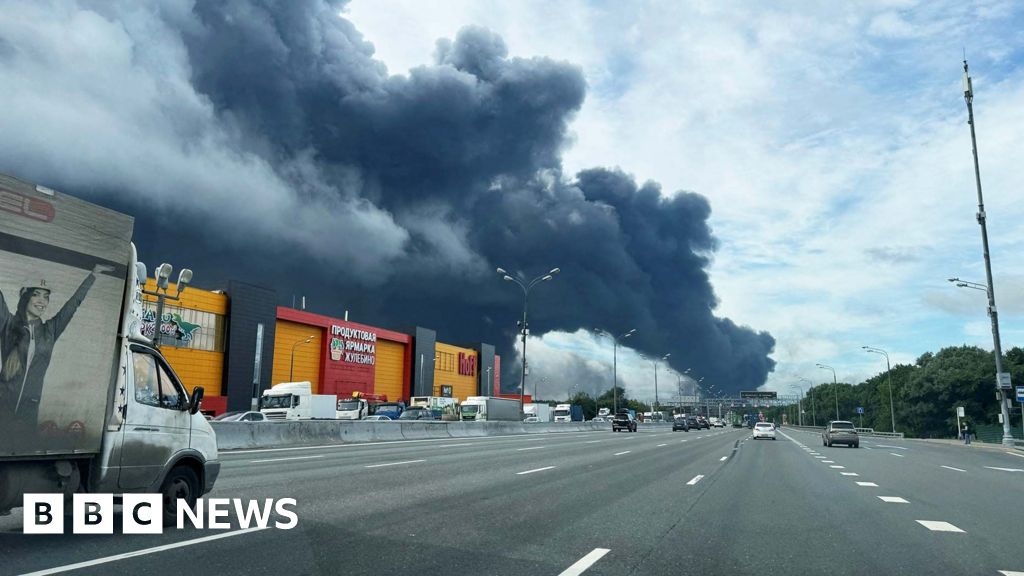
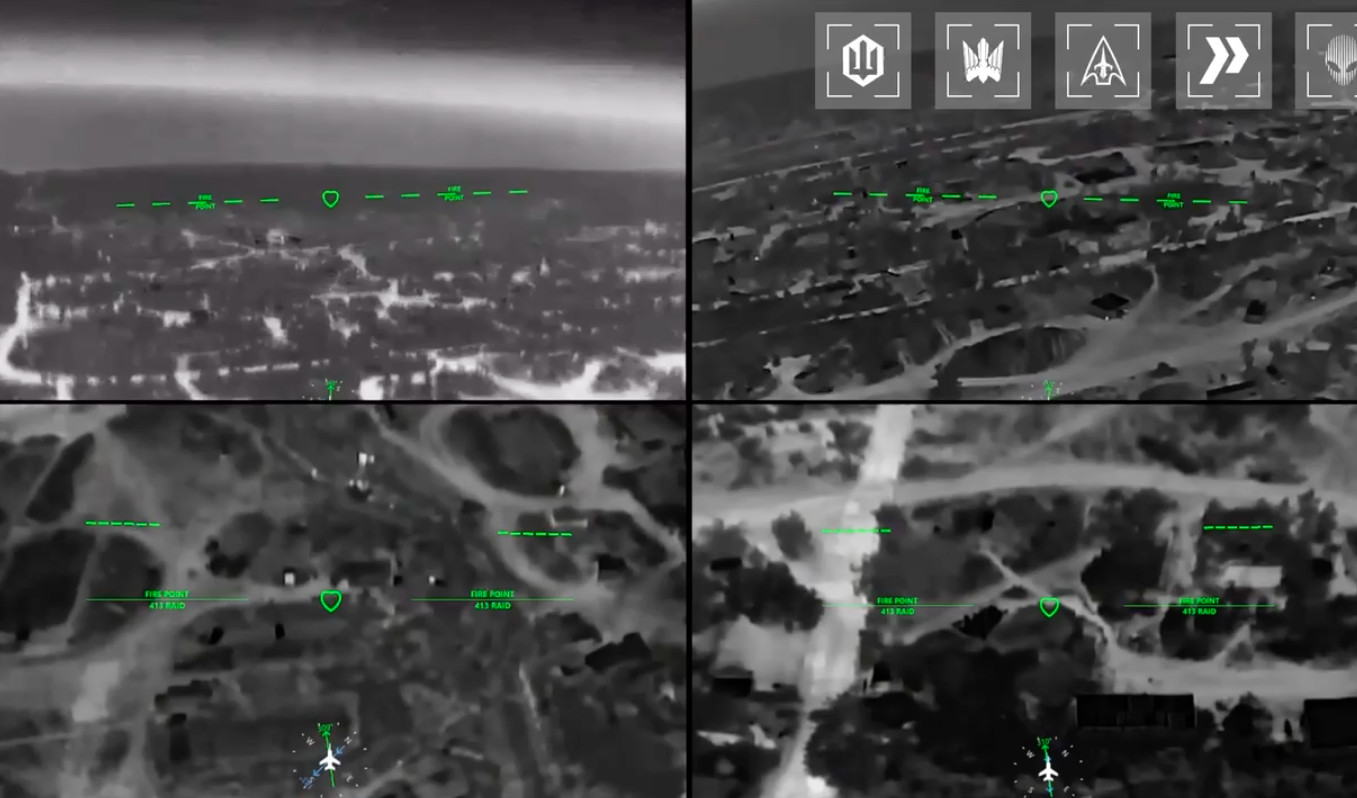
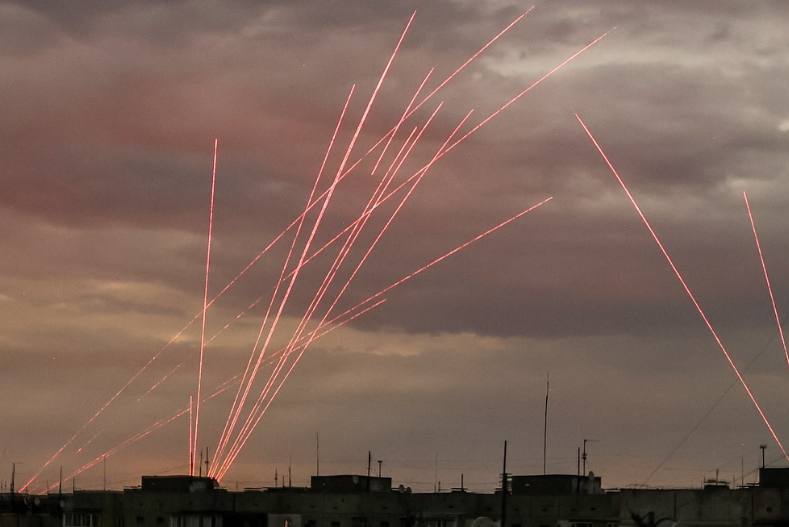
On 18 June, Ukrainian drones struck the Gazprom Neft‑operated Kapotnya refinery in Moscow, with officials reporting multiple fires, at least 17 people wounded in the Moscow region, and citywide air‑defence engagements. The attack forced evacuations and flight suspensions at Sheremetyevo and helped drive more than 170 flight cancellations by Aeroflot and Rossiya, with wider disruptions at Moscow’s airports. Kyiv, meanwhile, is publicly framing an intensified drone‑led ‘logistics lockdown’ to isolate Crimea, citing a sharp rise in mid‑range missions and effects on bridges, rail and fuel in occupied areas. Russia has recently launched very large missile‑and‑drone barrages against Kyiv and other cities and is signalling intent to continue mass strikes. Official Russian counts of inbound Ukrainian drones on 18 June vary widely, which leaves the precise scale uncertain but consistent with a triple‑digit raid.
Key judgments
- Ukraine very likely executed its largest drone strike on Moscow to date on 18 June, igniting multiple fires at the Gazprom Neft‑operated Kapotnya refinery and causing substantial civil aviation disruption in the capital. (Confidence: high · REPORTED)
- I&W: New high‑resolution imagery or geolocated video showing burned storage tanks and repair activity at Kapotnya refinery (0-14 days)
- I&W: Publication of NOTAMs and airline schedules showing continued cancellations or diversions at Moscow airports linked to air‑defence activity (0-14 days)
- Kyiv is very likely entering a new phase that prioritises long‑range and mid‑range drone interdiction of Russian logistics, including efforts to isolate Crimea’s road, rail and fuel networks. (Confidence: medium · ASSESSED)
- I&W: Additional verified drone strikes on Crimea chokepoints (for example, Chonhar or North Crimean Canal crossings) and rail interdictions reported by occupation authorities (1-3 months)
- I&W: Sustained reports of fuel rationing or price spikes across Crimea’s retail network (1-3 months)
- Russia is likely to sustain massed missile and drone strikes against Ukrainian cities over the coming weeks, both as retaliation and to strain Ukraine’s air defences. (Confidence: high · ASSESSED)
- I&W: Another overnight Russian strike package using ≥70 missiles or ≥200 drones targeting Kyiv and regional centres (0-14 days)
- I&W: Ukrainian reports of 500+ aerial targets intercepted or suppressed across a 24‑hour period (0-14 days)
- The precise scale of the 18 June Moscow raid is uncertain, but it almost certainly involved triple‑digit launches given conflicting official tallies ranging from roughly 200 to nearly 1,000 intercepts. (Confidence: low · ASSESSED)
- I&W: Independent OSINT compilations with geolocated wreckage and intercept videos converging on a consistent count (0-1 month)
- I&W: Official Russian revision of totals aligned with independent enumerations (0-1 month)
Outlook & scenarios
Sustained deep‑rear campaign degrades Russian logistics and fuels sporadic disruption inside Russia (60%)
Ukrainian units maintain weekly long‑range and mid‑range drone strikes on energy and transport nodes from Crimea northwards, producing intermittent refinery outages, rail slowdowns and periodic airport disruptions around Moscow. Crimea experiences recurring fuel rationing and price spikes, and occupation authorities keep closing or rerouting road and rail links.
Russian air‑defence and electronic warfare adaptations blunt Ukrainian strike effectiveness (50%)
Improved engagement procedures and jamming raise intercept rates and reduce successful impacts on defended targets around Moscow and large hubs. Ukraine shifts target selection towards softer logistics and more distant depots, lowering immediate visible effects inside Russia while keeping pressure on supply lines to southern Ukraine and Crimea.
Spillover risk on the Belarus vector (20%)
Following Kyiv’s ultimatum on drone relay stations, Belarus hardens air‑defence cooperation with Russia and becomes more directly entangled in the drone fight. Limited cross‑border drone activity and counter‑measures increase friction along the Belarus, Ukraine frontier without tipping into ground combat.
Recommendations
- Task commercial satellite imagery over the Kapotnya refinery and adjacent logistics yards at 48‑hour intervals for two weeks to assess damage extent, repair tempo and any defensive fortifications being added.
- Set up continuous monitoring of Moscow NOTAMs, airport operations dashboards and airline schedule changes to flag repeat airspace closures or mass cancellations tied to air‑defence activity.
- Maintain an OSINT log of verified drone strikes on Crimea’s land corridors, including bridge hits near Chonhar, Voinka and the North Crimean Canal, and correlate with open reporting of rail halts and fuel rationing.
- Catalogue Ukrainian long‑/mid‑range drone capabilities highlighted publicly, including the platform advertised with a 2,700 km range, and map likely target sets inside Russia that fall within those envelopes.
- Track Russian information space reactions, especially mil‑blogger criticism of the Ministry of Defence, as a proxy for domestic pressure to reallocate air‑defence assets away from the front to the capital.
- Prepare casualty‑range briefs for the 15 June Russian strikes on Kyiv using both reported figures to give decision‑makers a bounded estimate and note source variances.
- Coordinate with air‑defence analysts to anticipate Ukrainian interceptor shortfalls during expected Russian massed salvos and identify collection gaps on missile and drone launch indicators.
Confidence & uncertainty
Overall confidence is low because several core data points are contested or inconsistently reported. The 18 June Moscow raid is well attested, but official Russian counts of inbound and intercepted drones diverge sharply, and casualty figures from recent Russian barrages on Ukraine vary by source. Assessments on Ukraine’s ‘new phase’ rest largely on Ukrainian official statements and major‑media analyses rather than independent quantitative confirmation. Some supporting claims refer to different periods, which complicates temporal comparability. While multiple reputable outlets corroborate the broad thrust, the unresolved contradictions and source heterogeneity warrant a low headline confidence.
Alternative analysis (red cell)
A significant multi-vector drone attack over Moscow on 18 June produced fires and flight disruptions, but the attribution to Kyiv and characterization as Ukraine’s largest strike remain unsettled due to contradictory tallies and lack of forensic attribution. Conflicting official counts, differing scopes, and many claims sourced to interested parties mean attribution and precise launch counts are plausible but not the only defensible interpretation; consolidated technical and forensic collection is required to raise confidence.
Cited sources
[1] BBC News Русская служба · Атака на НПЗ в Москве: как «лучшее ПВО в России» пропустило удар по столице? - BBC News Русская служба (A) · sha256:2aed33ffd167 [2] The Moscow Times · Ukraine Sets Major Oil Refinery Ablaze in Largest-Ever Drone Attack on Moscow - The Moscow Times (B) · sha256:12cafc2161ef [3] bbc.com · Moscow residents complain of black rain after largest Ukrainian attack hits oil refinery (A) · sha256:3b936b78f38d [4] businessinsider.com · Ukraine starting new phrase of Russia war with tech, tactics, progress (B) · sha256:83725d712ca8 [5] kyivindependent.com · 'Hell is beginning' — Ukraine could isolate occupied Crimea as drone strikes disrupt logistics, Fedorov says (B) · sha256:0672fd3fbf3a [6] CNN · No fuel, no weapons: How Ukraine’s new drone strategy is mauling Russian supply lines | CNN (A) · sha256:49f836a2f36f [7] Kyiv Post · EXPLAINED: Ukraine’s Mid-Range Drone Strikes vs. Russia – Damage Done and What’s Next (B) · sha256:d80c38c918b4 [8] Kyiv Post · Meet the Elite Ukrainian Drone Units, ‘Ace’ Pilots Targeting Russian Fuel Trucks, Logistics (B) · sha256:f3806d96f61a [9] dw.com · Война в Украине – Все публикации на эту тему – Страница 1 из 200 (A) · sha256:41c7b259feac [10] businessinsider.com · Ukraine's new drones give it strike capabilities that HIMARS couldn't (B) · sha256:2b783c9de278 [11] forbes.com · Monday, June 15. Russia’s War On Ukraine: News And Information From Ukraine (A) · sha256:51b380593c77 [12] kyivindependent.com · Russia terrorizes Kyiv with ballistic missiles, drones overnight (A) · sha256:600dd69eb6a4
Source content hashes were computed at collection time; the cited text is preserved unmodified for the life of this product.
Red cell review: PARTIAL DISSENT
TLP:CLEAR