TLP:CLEAR · Disclosure is not limited.
Ukraine SITREP: Deadly Kyiv barrages, contested Kostyantynivka, and deep‑strike escalation
Time window: Last 7 days · Audience: General analyst · Type: Situation report · DTG: 2026-07-07 06:14Z · Overall confidence: MEDIUM
BLUF
Russia executed one of the deadliest strike sequences against Kyiv in early July, with ballistic missiles largely evading interception while most cruise missiles and Shaheds were downed. Ukraine’s deep‑strike campaign against Russian energy infrastructure is biting, with fuel shortages reported in Crimea, as both sides signal continued escalation and Kostyantynivka remains contested.
Executive summary
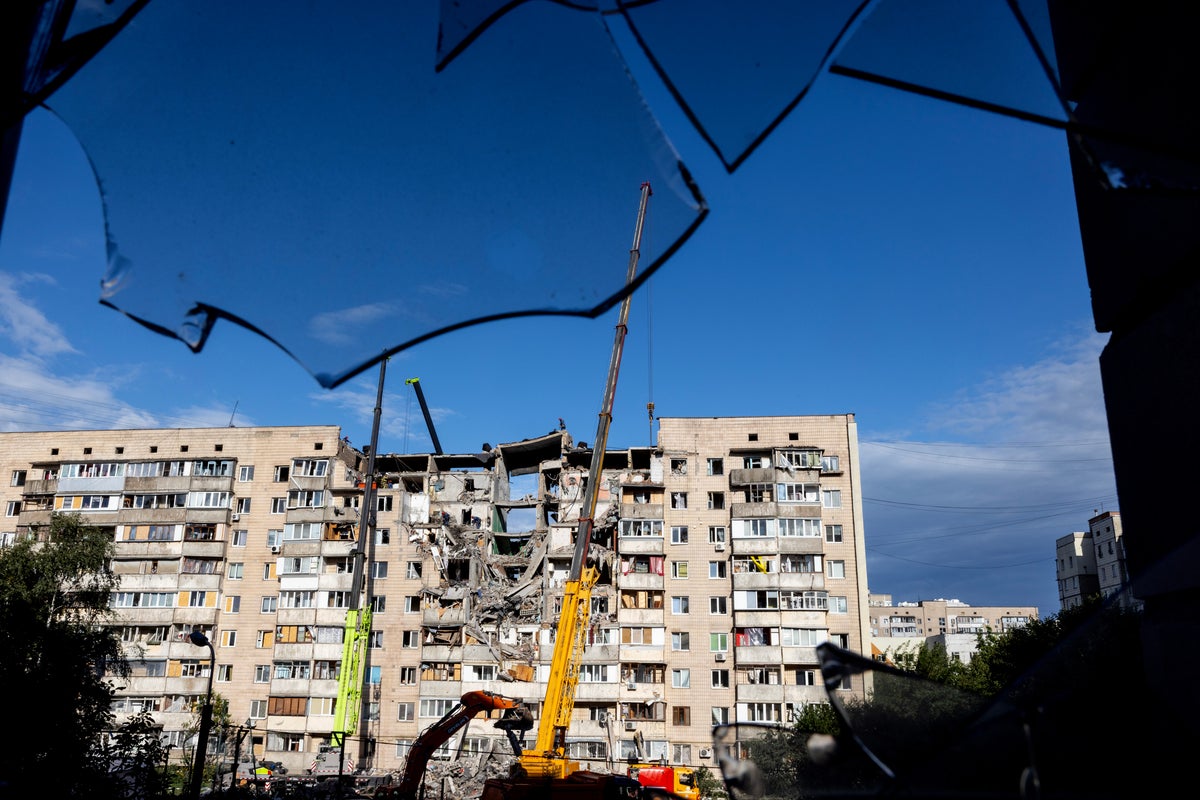
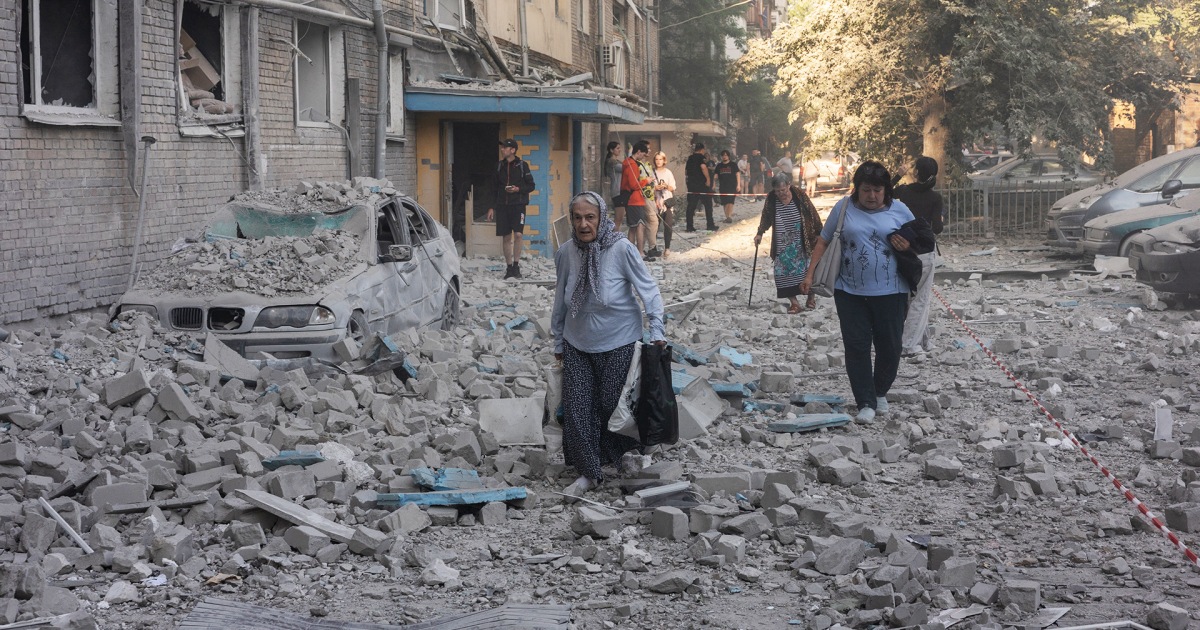
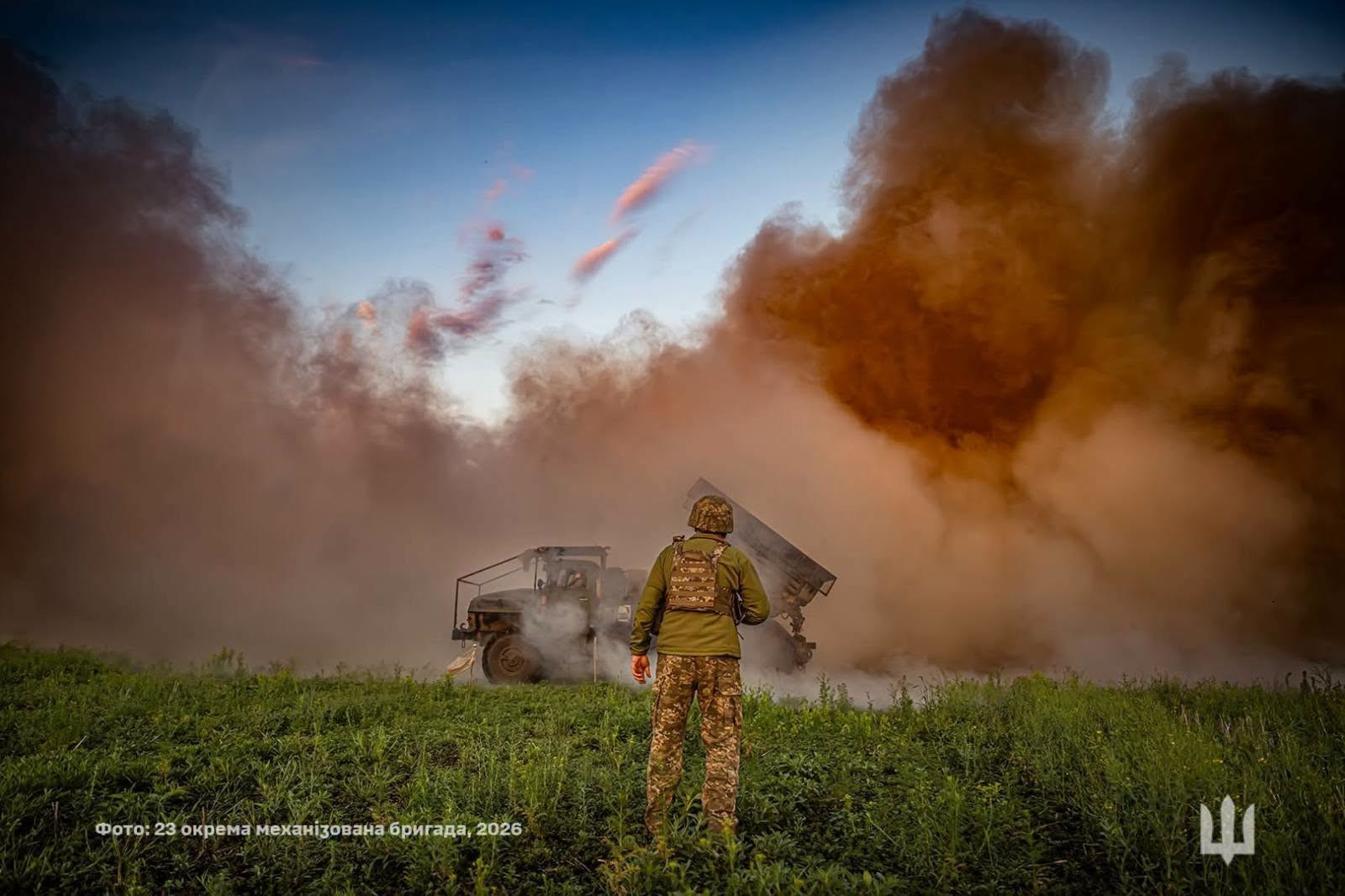
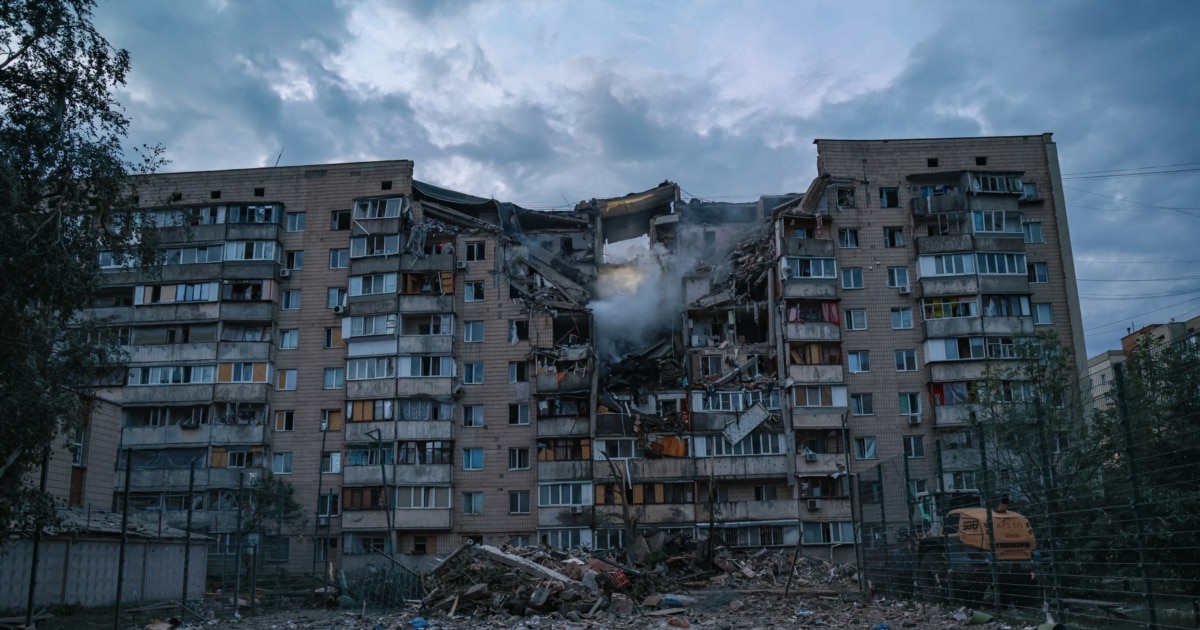
Between 2 and 6 July 2026, Russia launched massed missile and drone attacks on Kyiv that killed at least 30 people, injured many more, and damaged residential buildings. Ukrainian reporting indicates very high interception rates against cruise missiles and Shaheds, but no successful interceptions of the ballistic component of recent salvos, consistent with claims that all or nearly all ballistic missiles struck their targets. Moscow portrays the barrages as retaliation for Ukraine’s deep strikes on Russian energy and defence‑industrial targets. Ukraine’s long‑range campaign is having observable effects, including fuel shortages in Russian‑occupied Crimea and a power outage in Sevastopol after a Ukrainian strike, alongside reporting that Russia will import jet fuel. Kyiv has set air defence as a top diplomatic priority and is seeking additional interceptor missiles and financing for expanded domestic weapons production. On the ground, the fight for Kostyantynivka remains contested despite Russian claims of capture, with Kyiv stating combat will continue and independent verification of Russian control lacking. The Kremlin has signalled intent to continue mass strikes and has tasked its defence and security services to investigate foreign ‘instigators’, pointing to further escalation in both kinetic and information domains.
Key judgments
- Russian massed strikes on Kyiv between 2 and 6 July very likely produced one of the deadliest attack sequences of the war, killing at least 30 people, injuring scores, and damaging residential buildings; ballistic missiles largely evaded interception while most cruise missiles and Shaheds were downed. (Confidence: medium · REPORTED)
- I&W: Another Russian strike on Kyiv within 0-14 days featuring a reported ballistic component of 20 or more and official reports of near‑zero ballistic interceptions. (0-14 days)
- I&W: Public reporting of successful ballistic intercepts in Kyiv during the next massed attack, coupled with casualties below 10. (0-14 days)
- Ukraine’s long‑range strike campaign has likely degraded Russia’s energy and fuel infrastructure, contributing to fuel shortages in Crimea and a power outage in Sevastopol, and prompting reported plans to import jet fuel. (Confidence: medium · ASSESSED)
- I&W: Further Ukrainian strikes on Russian refineries or energy nodes followed by official notices of fuel outages or rationing in Crimea or southern Russia. (1-3 months)
- I&W: A sustained month‑long absence of reported Ukrainian hits on Russian energy infrastructure and local reports of normalised fuel supply in Crimea. (1-3 months)
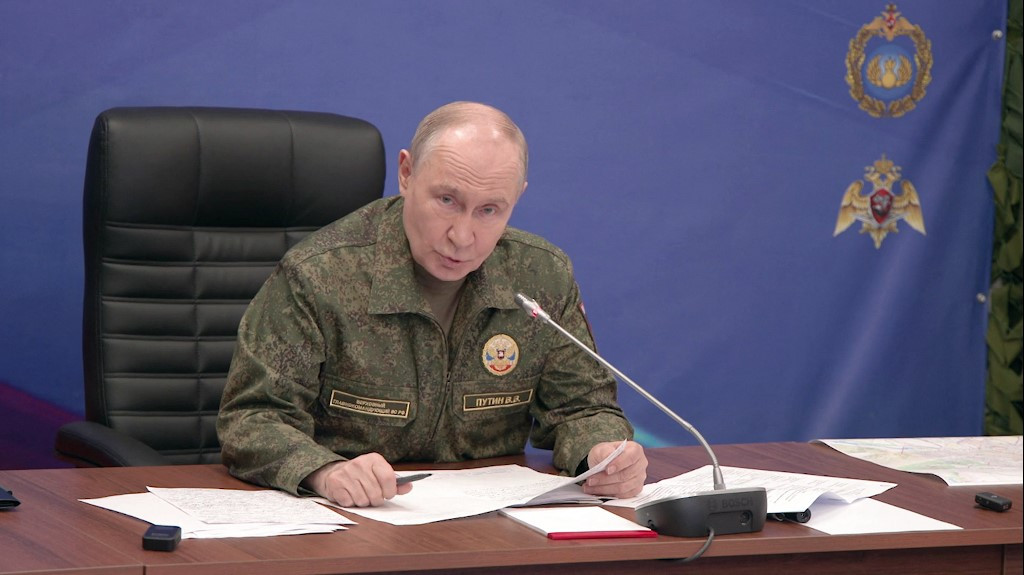
- Moscow very likely intends to sustain mass strikes and is shaping a narrative of ‘retaliation’ and foreign ‘instigators’ to justify continued attacks. (Confidence: medium · ASSESSED)
- I&W: Russian MoD communiqués after future salvos explicitly cite retaliation for Ukrainian deep strikes and name military‑industrial or energy targets in Kyiv. (0-14 days)
- I&W: Two consecutive weeks without long‑range Russian strikes and without Kremlin or MoD rhetoric about ‘retaliation’ or ‘instigators’. (0-1 month)
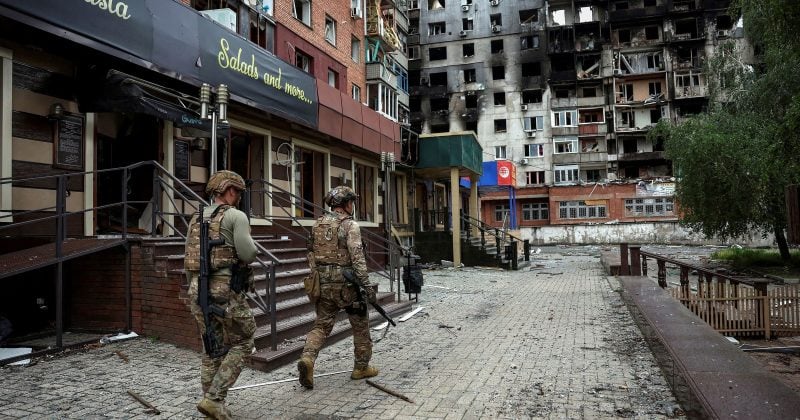
- Control of Kostyantynivka remains contested; Russian claims of capture lack independent verification and Kyiv states fighting will continue. (Confidence: medium · ASSESSED)
- I&W: Geolocated combat footage or official Ukrainian and Russian reports of engagements inside Kostyantynivka. (0-1 month)
- I&W: Independent outlets verify exclusive Russian administrative control and Ukrainian leadership acknowledges loss. (0-1 month)
- Despite diplomatic prioritisation, Ukraine’s limited ballistic‑missile defence very likely leaves Kyiv vulnerable in the near term. (Confidence: medium · ASSESSED)
- I&W: Official Ukrainian reporting of zero or near‑zero ballistic interceptions in the next major attack and renewed appeals for Patriot interceptors. (0-14 days)
- I&W: Announcement and deployment of additional Patriot interceptors or batteries to Kyiv followed by confirmed ballistic intercepts. (1-3 months)
Outlook & scenarios
Rolling barrages amid air‑defence shortfall (60%)
Russia maintains a high tempo of long‑range strikes on Kyiv with a sizeable ballistic component that Ukraine struggles to intercept, keeping casualties and damage elevated. Moscow continues to frame salvos as retaliation for Ukrainian deep strikes and signals intent to persist. This tracks with recent lethal outcomes in Kyiv, high cruise‑ and Shahed‑interception rates alongside failed ballistic intercepts, and Kremlin messaging on continued mass strikes and ‘retaliation’.
Air‑defence uplift blunts strike lethality (40%)
Following Kyiv’s appeals, partners provide additional interceptor missiles and related support. Ballistic intercept rates rise, reducing civilian casualties in subsequent attacks. Ukraine sustains high interception of cruise missiles and Shaheds while closing the gap against ballistic threats, aligning with its stated prioritisation of air defence.
Deep‑strike tit‑for‑tat squeezes Russian fuel nodes (50%)
Ukraine intensifies long‑range strikes on Russian energy and fuel infrastructure. Follow‑on effects include periodic outages and rationing in Crimea and southern Russia, and Moscow turns to external fuel sourcing to cushion military logistics. Russia responds with continued mass salvos against Ukrainian urban and industrial targets under a ‘retaliation’ narrative.
Recommendations
- Maintain a consolidated ledger of casualty and damage reporting from Kyiv authorities and the capital’s military administration to track trends across strike cycles and reduce confusion from varying figures.
- Prioritise collection on ballistic‑missile interception performance and any announcements of Patriot deliveries or deployments, and correlate with post‑strike reporting to assess effectiveness shifts.
- Expand OSINT battle‑damage assessment on Ukrainian long‑range strikes against Russian energy sites, including refinery and power infrastructure, and track secondary effects such as fuel rationing and outages in Crimea.
- Monitor Russian MoD and Kremlin communications for the language of ‘retaliation’ and references to foreign ‘instigators’ to refine indicators of further mass salvos and information‑ops escalation.
- Task geolocation of engagements and control nodes in and around Kostyantynivka to clarify the ground picture and adjudicate competing claims of control.
- Map the evolving mix of Russian strike vectors, especially the use of jet‑powered drones and ballistic missiles, to inform defensive posture assessments and requirements.
Confidence & uncertainty
Overall confidence is medium. The core picture of lethal strikes on Kyiv, interception patterns, and civilian harm rests on multiple high‑reliability major media and official statements that broadly corroborate one another. However, there are unresolved contradictions on casualty totals and the exact ballistic‑missile count and effects, and some elements underpinning assessments of Russian fuel constraints and intent rely on think‑tank reporting and single‑source official claims. Control assertions around Kostyantynivka remain unverified by independent sources, keeping confidence below high.
Alternative analysis (red cell)
Reporting is dominated by official statements and contains internal contradictions and dated unit estimates; casualty totals, interception performance, and attributions remain unsettled. Given the mix of single‑source claims and absence of independent forensic, ISR, or logistics evidence, alternative plausible assessments are: casualty counts are not yet reliable; Crimea fuel/power disruptions may have multiple causes beyond attributable Ukrainian strikes; and Russian public statements about sustaining mass strikes currently reflect messaging rather than proven operational sustainment.
Cited sources
[1] nbcnews.com · Russia launches deadly hourslong attack on Kyiv (A) · sha256:846d746b9bc5 [2] currenttime.tv · Россия нанесла массированный удар по Киеву и области: погибли 17 человек, десятки ранены (B) · sha256:2ff052ca7ae1 [3] cnn.com · Russia’s latest attack on Kyiv was exceptionally deadly – here is why | CNN (A) · sha256:c79bdd2ad64c [4] New York Post · Russia deploying new jet-powered drones that reach 310 mph to 'maximize' destruction in Ukraine (B) · sha256:adbd68cf30c6 [5] independent.co.uk · Ukraine-Russia war latest: Zelensky says Kyiv urgently needs Patriot interceptor missiles after massive attack (A) · sha256:bc1439bb8fbf [6] vietnam.vn · Военный конфликт между Россией и Украиной продолжает обостряться. (B) · sha256:6b252a4c00dd [7] Center for Strategic and International Studies (CSIS) · US Think Tank Confirms Russia’s Massive Combat Losses, Stalled Offensive (B) · sha256:d883da521121 [8] understandingwar.org · Russian Offensive Campaign Assessment, July 3, 2026 (B) · sha256:0e1c8ae01cd5 [9] Kyiv Post · Ukraine Hits 2 Bridges Used by Russia to Move Troops, Weapons (B) · sha256:e35ddec3bc1b [10] NPR · A new phase in the war in Ukraine (A) · sha256:812bfc6b2356 [11] Kyiv Post · Putin Announces Continuation of Strikes Against Ukraine (B) · sha256:b7888863d340 [12] vedomosti.ru · Песков: подстрекателями конфликта на Украине займутся Минобороны и спецслужбы - 6 июля 2026 (B) · sha256:4d77c0b233fc [13] infox.ru · Песков: Министерство обороны оценит участие провокаторов в конфликте на Украине (A) · sha256:902965a8a314 [14] cryptobriefing.com · Russia claims control over Donetsk logistics hub, Luhansk region amid Kyiv attack (B) · sha256:739c5970a87e [15] mezha.net · Zelensky orders expansion of high tech weapons production (A) · sha256:75517c337773 [16] ura.news · Зеленский снова молит НАТО о ракетах, а в Раде затравили министра обороны Украины (B) · sha256:dfa0c34ef881 [17] cryptobriefing.com · Ukraine fails to intercept Russian ballistic missiles amid Patriot shortage (B) · sha256:9fb31786124a
Source content hashes were computed at collection time; the cited text is preserved unmodified for the life of this product.
Red cell review: PARTIAL DISSENT
TLP:CLEAR