TLP:CLEAR · Disclosure is not limited.
Ukraine War: High‑tempo drone strikes hit Moscow and Crimea as Russia mounts mass UAV salvos, 18-25 June 2026
Time window: Last 7 days · Audience: General analyst · Type: Situation report · DTG: 2026-06-25 12:15Z · Overall confidence: MEDIUM
BLUF
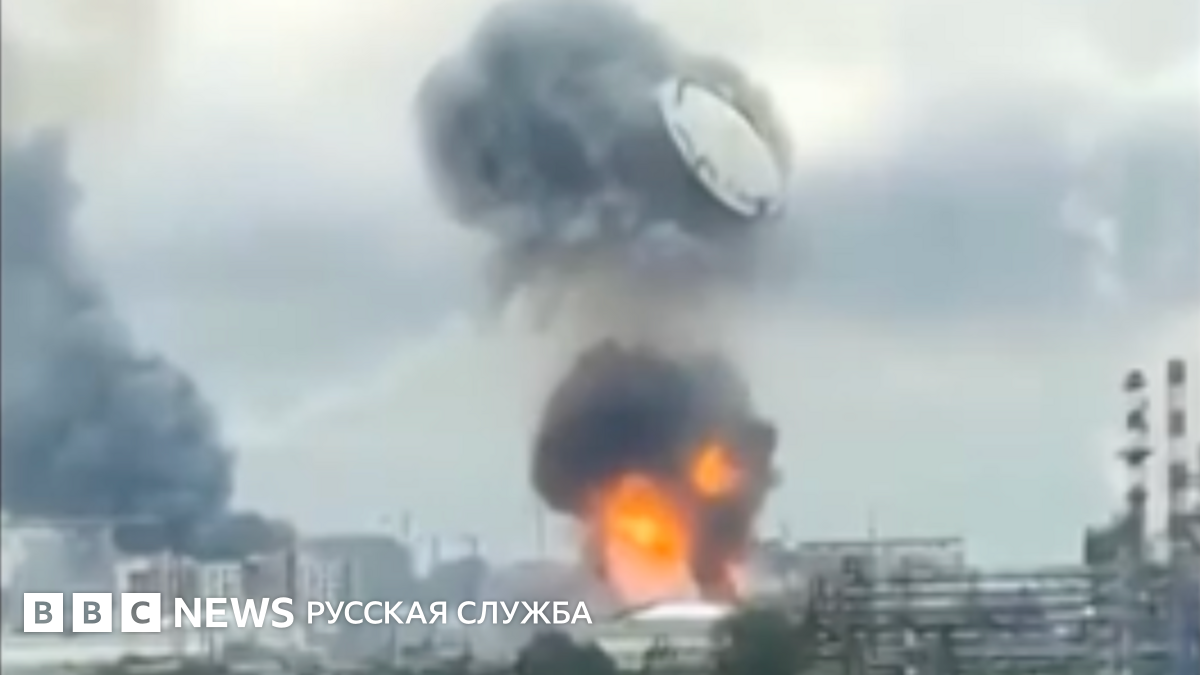
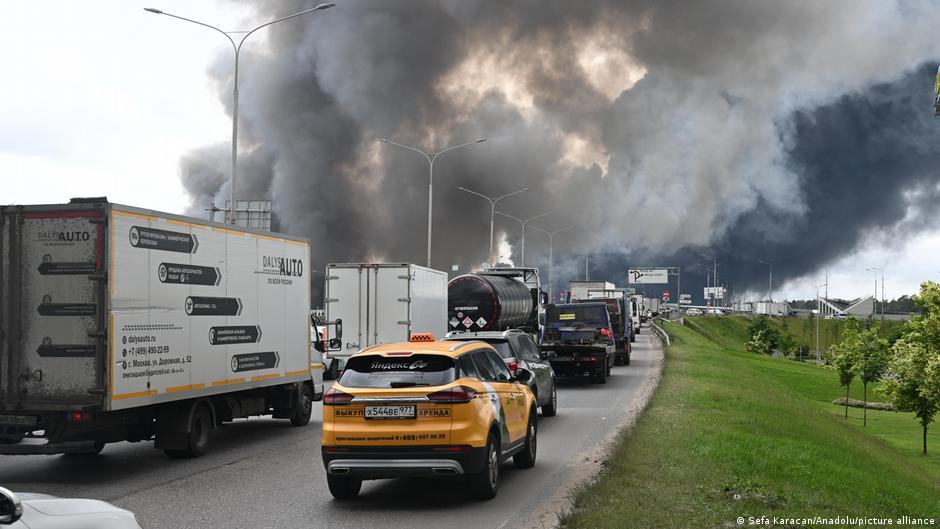
Ukraine has intensified long‑range drone operations, striking Moscow’s Kapotnya oil refinery and energy targets in Crimea and deep inside Russia, while Russia continues large UAV and missile salvos against Ukraine. The campaign is likely straining Russian fuel systems locally and complicating air defence, with competing claims over interception rates and damage outcomes.
Executive summary
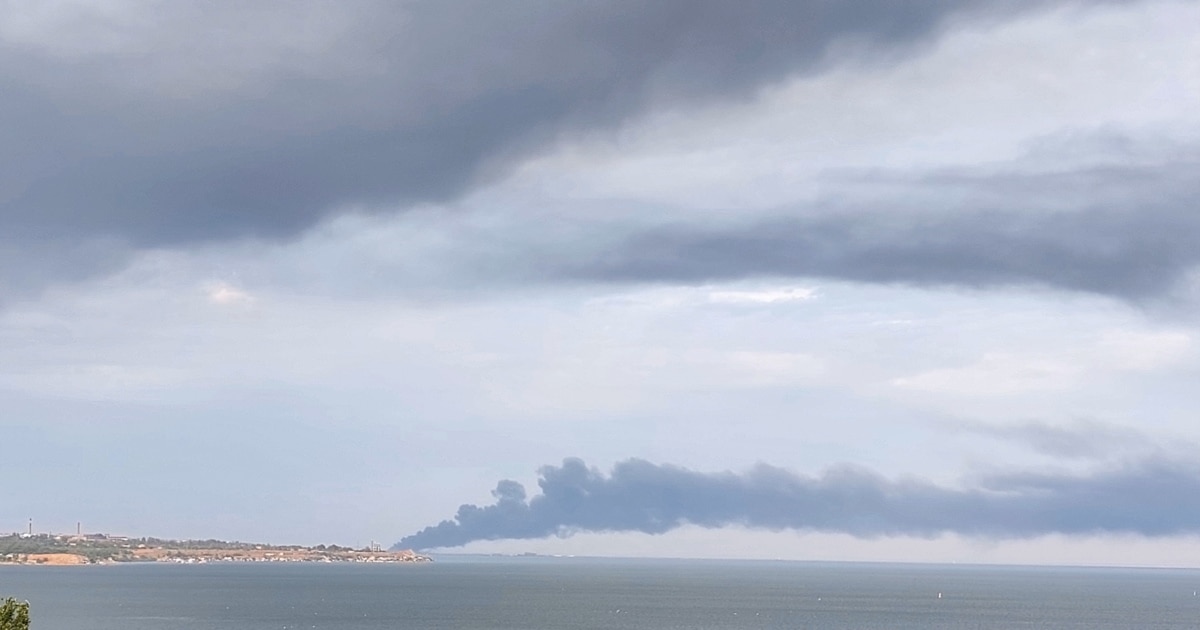
Since 18 June, Ukraine has executed repeated deep‑strike drone attacks on Russian energy and defence targets, including multiple hits on Moscow’s Kapotnya refinery and strikes in Crimea, Orenburg and reportedly Voronezh and Dubna. Kyiv frames the effort as isolating Crimea and degrading Russian logistics; local authorities in occupied Crimea have restricted fuel to government users amid wider reports of shortages. Moscow continues high‑volume night‑time attacks across Ukraine and into the Black Sea, while Ukrainian air defences report high shoot‑down numbers. Russian officials claim extensive interceptions, but visible damage at key sites and sustained strike tempo point to persistent gaps in Russia’s layered air defence against large swarms and long‑range UAVs.
Key judgments
- Ukraine very likely shifted to a higher‑tempo, deep‑strike drone campaign in mid to late June 2026, repeatedly hitting Moscow’s Kapotnya oil refinery and energy targets in Crimea and deep inside Russia. (Confidence: high · REPORTED)
- I&W: New geolocated imagery or video confirming additional fires or halted units at Kapotnya or other major refineries after drone impacts. (0-14 days)
- I&W: Attribution or official acknowledgements of repair delays or repeated shutdowns at targeted Russian energy facilities. (1-3 months)
- Ukraine’s deep‑strike campaign is likely imposing tangible stress on Russia’s fuel system and economy, reflected in acknowledged production declines and fuel rationing measures in occupied Crimea. (Confidence: medium · ASSESSED)
- I&W: Further regional rationing orders or restrictions on civilian fuel sales in Crimea or adjacent Russian regions. (0-14 days)
- I&W: Russian energy ministry or company statements indicating reduced refinery runs or prolonged outages tied to strike damage. (1-3 months)
- Russia very likely remains unable to fully prevent large swarms and long‑range Ukrainian drones from penetrating air defences around Moscow and other strategic sites, despite official claims of high interception rates. (Confidence: medium · ASSESSED)
- I&W: Another successful Ukrainian strike causing visible damage at a Moscow‑area refinery or defence site despite prior reinforcement of local air defences. (0-14 days)
- I&W: Sustained two‑week period without confirmed damage from deep‑strike drones near Moscow, corroborated by independent imagery and local reporting. (0-14 days)
- Russia almost certainly continued large‑scale UAV and missile strikes on 21-22 June, including one Iskander‑M launch and 88 drones, damaging civilian and energy infrastructure across multiple Ukrainian oblasts and striking the Turkish‑owned Victress in the Black Sea; Ukraine reported downing 79 drones. (Confidence: high · REPORTED)
- I&W: Additional Russian night‑time salvos with reported launch counts for Shahed‑type and Italmas‑type drones comparable to 21-22 June levels. (0-14 days)
- I&W: Measured reduction in salvo size or frequency, coupled with fewer Ukrainian reports of infrastructure damage across oblasts. (0-14 days)
- Ukraine very likely seeks to isolate Crimea by striking energy infrastructure and pressuring the Kerch logistics lifeline, and this approach is already disrupting fuel availability on the peninsula. (Confidence: medium · ASSESSED)
- I&W: Further strikes on Crimea’s power assets or confirmed temporary closures or restrictions on the Kerch Strait Bridge. (0-14 days)
- I&W: Reversal of Crimean fuel access restrictions and stable retail supply without rationing. (1-3 months)
Outlook & scenarios
Sustained deep‑strike pressure degrades Russian refining throughput near Moscow and in the deep rear (60%)
Ukraine maintains a high operational tempo against refineries and logistics nodes, producing periodic shutdowns and localised fuel shortages. Russian air defence adapts incrementally but cannot fully prevent damage to complex energy targets. Public acknowledgements of production declines continue alongside further rationing in occupied Crimea.
Russian air defence and hardening measures reduce successful penetrations and damage (35%)
Moscow accelerates air defence reinforcement and site hardening around key energy facilities, improving interception rates against large swarms. Visible damage events diminish and refinery outages shorten, easing fuel rationing measures. Ukrainian strikes persist but yield fewer impactful results on core energy nodes.
Escalatory exchange widens target sets and raises collateral risks (50%)
Russia sustains large night‑time UAV and missile salvos and expands target selection to maritime and industrial assets, while Ukraine broadens deep‑strike targeting to additional defence‑industrial and communications sites inside Russia. Attack and interception claims remain contested, and risks to shipping and bystanders rise.
Wildcard: A prolonged outage at a major Moscow‑area refinery triggers broader rationing and sharper retaliation (20%)
A successful Ukrainian strike disables critical units for weeks, forcing wider regional fuel controls and prompting Russia to escalate with larger salvos and higher‑value target sets in Ukraine. The shock amplifies political pressure on both sides and complicates de‑escalation.
Recommendations
- Prioritise high‑revisit satellite and commercial SAR tasking of Kapotnya and other Russian refineries to confirm unit status, damage and repair activity; cross‑cue with open‑source video and thermal anomaly feeds.
- Build a standing dataset of Russian refinery throughput, repair cycles and declared outages; track statements by Deputy Prime Minister Alexander Novak and regional authorities for corroboration.
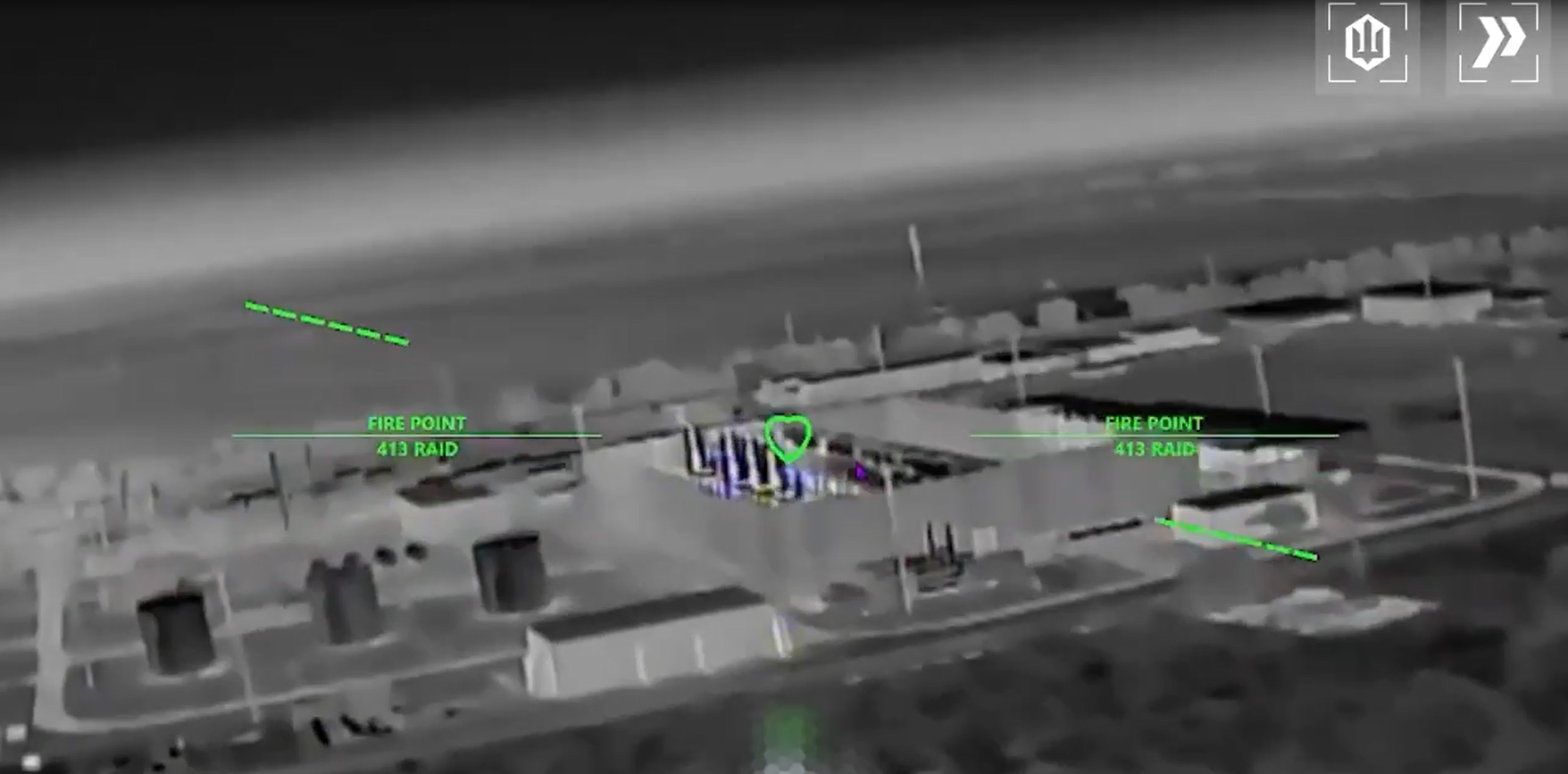
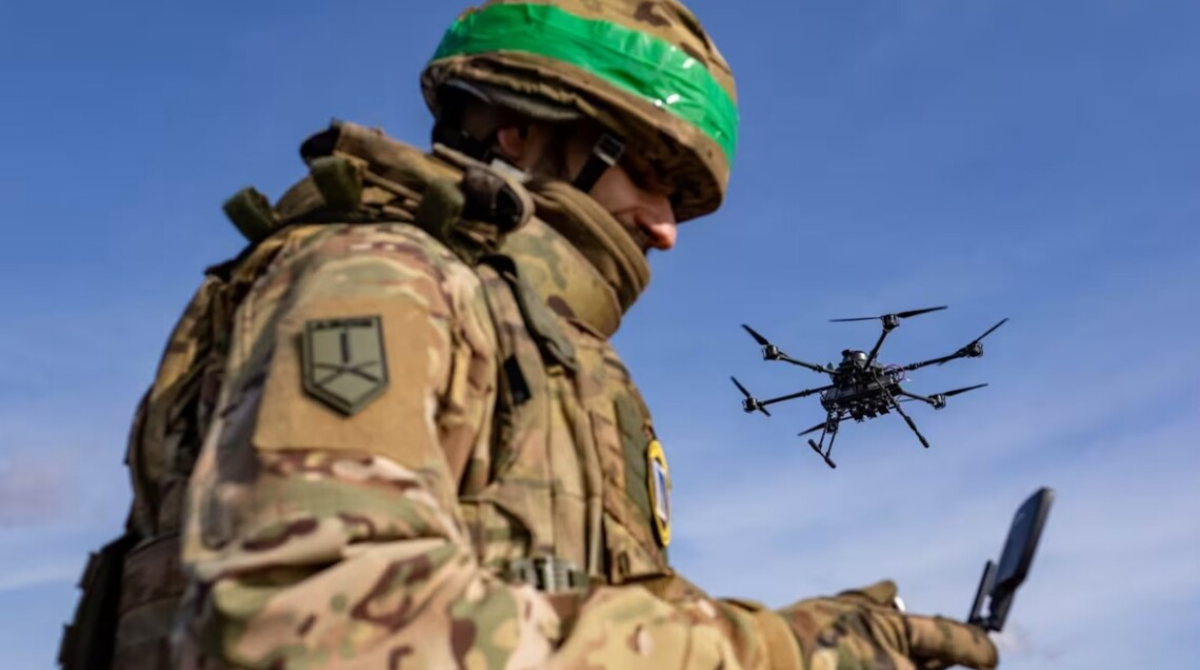
- Expand OSINT coverage of Ukrainian long‑range UAV programmes, including Fire Point systems, manufacturing capacity, and reported ranges; watch for component supply constraints or dispersal measures.
- Map and monitor Russian air defence deployments around Moscow and strategic energy sites, noting new SAM positions, counter‑UAS assets, and urban point‑defence installations highlighted by local reporting.
- Maintain a Crimea watchboard: Kerch Strait Bridge status, fuel rationing decrees, reported power outages, and strikes on substations or storage sites.
- Systematically log Russian night‑time salvo size, types and launch axes against Ukraine, and compare claimed intercept rates with geolocated damage to refine effectiveness estimates.
- Track maritime risk in the Black Sea by monitoring vessel strikes and near‑misses, focusing on flag, ownership, cargo, and routing patterns used near Ukrainian ports.
- Prepare tripwire reporting for large refinery fires, confirmed multi‑day shutdowns, or new fuel restrictions in Russia’s regions to provide early warning of broader economic impacts.
Confidence & uncertainty
Overall confidence is medium. Multiple high‑reliability major media and official statements corroborate repeated Ukrainian deep strikes on refineries and energy targets, Russian mass UAV salvos, and Crimean fuel restrictions. However, Russian and independent sources provide conflicting interception and damage tallies, and some reporting on specific Russian targets and counts comes from think tanks or blogs with limited independent confirmation. These contradictions and single‑source elements constrain confidence on precise effectiveness and scale, though the direction of travel is consistent.
Cited sources
[1] The Moscow Times · Inside the Ukrainian Deep-Strike Campaign That Has Moscow on the Back Foot - The Moscow Times (B) · sha256:b489041d9069 [2] BBC News Русская служба · Атака на НПЗ в Москве: как «лучшее ПВО в России» пропустило удар по столице? - BBC News Русская служба (A) · sha256:2aed33ffd167 [3] meduza.io · Why are Moscow’s air defenses struggling to stop drone attacks? And why are oil refineries so vulnerable to Ukrainian strikes? (B) · sha256:9b1285a1e2f8 [4] kyivindependent.com · Ukrainian drones hit gas storage facility in occupied Crimea, footage shows, power plant reportedly struck (B) · sha256:a42d7690bd1e [5] currenttime.tv · Беспилотники ударили по порту в Керчи и газоперерабатывающему заводу под Оренбургом. Севастополь после атаки на подстанцию обесточен (B) · sha256:638b025a88e9 [6] Financial Times · Военная машина рф не успевает за украинскими технологиями – FT (A) · sha256:d2e4b92de790 [7] understandingwar.org · Russian Offensive Campaign Assessment, June 22, 2026 (B) · sha256:2036dfe66340 [8] Business Insider · Inside Ukraine's secret drone campaign destroying sites deep in Russia (B) · sha256:0991b7038d56 [9] CNN · No fuel, no weapons: How Ukraine’s new drone strategy is mauling Russian supply lines | CNN (A) · sha256:09b8bf687f61 [10] Deutsche Welle · Киев выигрывает войну дронов: Москва готовит ответ (A) · sha256:dee0534ac850 [11] 19fortyfive.com · Target Moscow: The Ukraine War Has Come Right to Putin’s Doorstep (B) · sha256:fb1b405876e5 [12] dw.com · Are Ukraine drones really exposing gaps in Russia's defense? (A) · sha256:d7ce51dcca10 [13] dailykos.com · Ukraine Invasion Day 1,580: Is Crimea burning? Are the little green men leaving? (D) · sha256:e9c9568e2046
Source content hashes were computed at collection time; the cited text is preserved unmodified for the life of this product.
TLP:CLEAR