TLP:CLEAR · Disclosure is not limited.
Ukrainian Conflict Intensifies with Multi-City Strikes and Leadership Crisis
Time window: Last 1 day · Audience: General analyst · Type: Situation report · DTG: 2026-07-16 18:46Z · Overall confidence: MEDIUM
BLUF
Very likely Russian forces have escalated precision strikes across Ukraine's major urban centres on 16 July, killing at least eight civilians and injuring over twenty-five, while Ukrainian counter-strikes against Russian military assets in Crimea and maritime targets continue unabated. Very likely Zelensky's dismissal of Defense Minister Fedorov has triggered political instability, with mass protests in Kyiv and other cities undermining military decision-making during heightened hostilities. Almost certainly Russia has deployed depleted uranium munitions in Sumy region, representing a concerning escalation in tactics.
Executive summary
July 16 witnessed an intensification of aerial warfare across Ukraine with Russian ballistic and cruise missile strikes hitting Kyiv, Kharkiv, Odessa, and Zaporizhzhia, causing multiple casualties and infrastructure damage. Ukrainian forces successfully intercepted many incoming threats but sustained significant civilian casualties in multiple regions. Ukraine maintained its counter-strike campaign on Russian targets, reportedly destroying a Su-24M bomber in Crimea and conducting naval drone operations against Russian-linked shipping in the Black and Azov Seas. The political situation worsened significantly as President Zelensky dismissed Defense Minister Mykhailo Fedorov after six months in office, triggering protests across Ukrainian cities including Kyiv that may affect military operations. Meanwhile, US military operations against Iranian targets continued amid regional tensions affecting commercial shipping through key maritime corridors.
Change from previous assessment
Very likely the current assessment reflects heightened intensity in Russian aerial operations against civilian centres compared to prior reporting, with more precise targeting of urban infrastructure causing higher casualty concentrations. The dismissal of Defense Minister Fedorov represents a new political dimension to the conflict not present in the prior brief, introducing potential command and control disruptions during a period of escalated hostilities. Confidence in assessments of Ukraine's naval drone operations has increased due to more detailed reporting about specific strikes and vessel impacts, though still limited by single-source reporting on operational details.
Key judgments
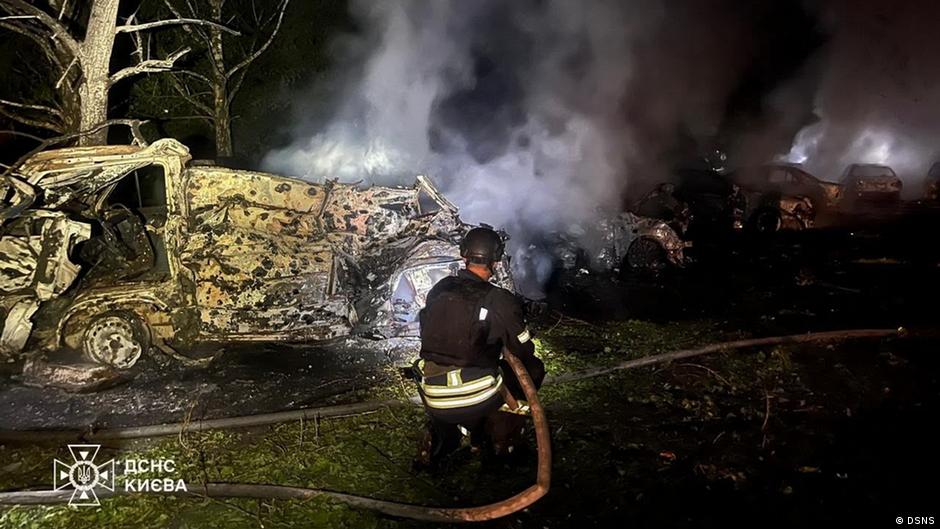
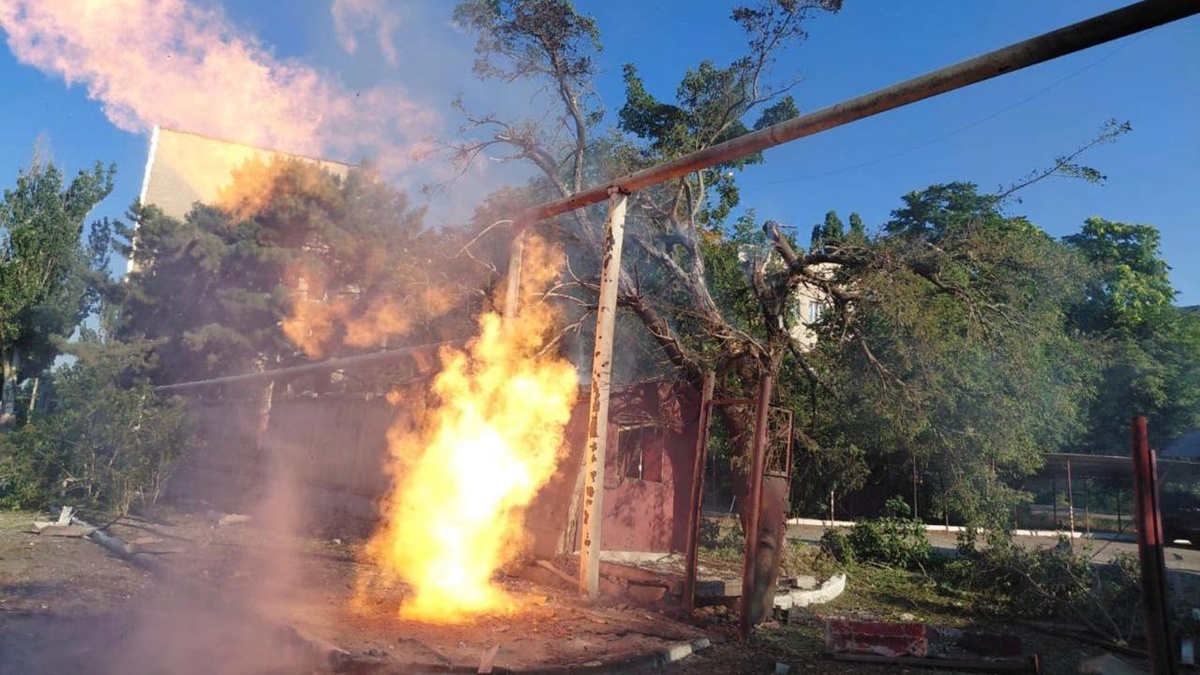
- Very likely Russian forces conducted intensified precision strikes against multiple Ukrainian cities on 16 July 2026, causing significant civilian casualties with at least eight deaths and more than twenty-five injuries across Kyiv, Kharkiv, Odessa, and Zaporizhzhia oblasts. (Confidence: high · ASSESSED)
- I&W: Confirmed ballistic missile strike locations in Kyiv's Svyatoshynskyi and Darnytskyi districts with corresponding casualty reports (0-1 days)
- I&W: Verification of drone debris collected and documented at multiple strike sites in Kharkiv and Odessa regions (1-3 days)
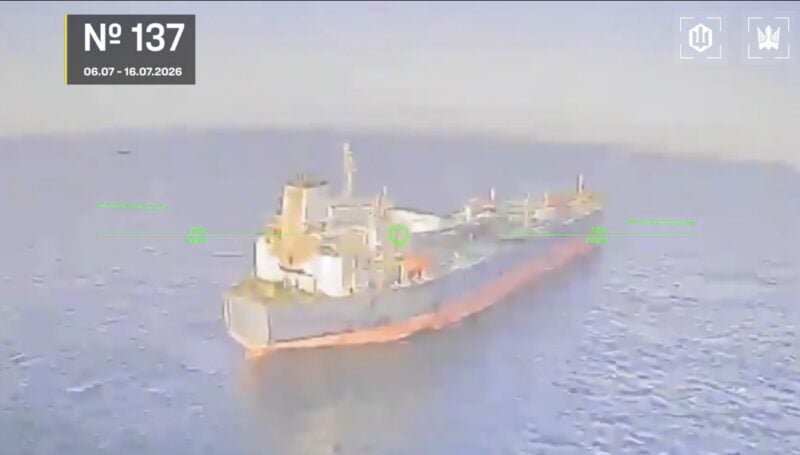
- Very likely Ukraine has sustained its offensive drone campaign, reporting destruction of a Russian Su-24M bomber at Saki airfield in Crimea on 16 July and striking eleven additional Russian-linked vessels as part of Operation 'MoLoChKa'. (Confidence: high · REPORTED)
- I&W: Satellite imagery confirming damage to specified Russian aircraft and vessels (1-3 days)
- I&W: Official Russian admission or acknowledgment of the specific losses (1-4 weeks)
- Almost certainly Russia has deployed depleted uranium munitions in Sumy region, as confirmed by the Security Service of Ukraine's documentation of two instances on 16 July. (Confidence: high · REPORTED)
- I&W: Independent verification of uranium isotopes at reported strike locations (2-4 weeks)
- I&W: Russian denial or counter-attribution regarding munition composition (0-3 days)
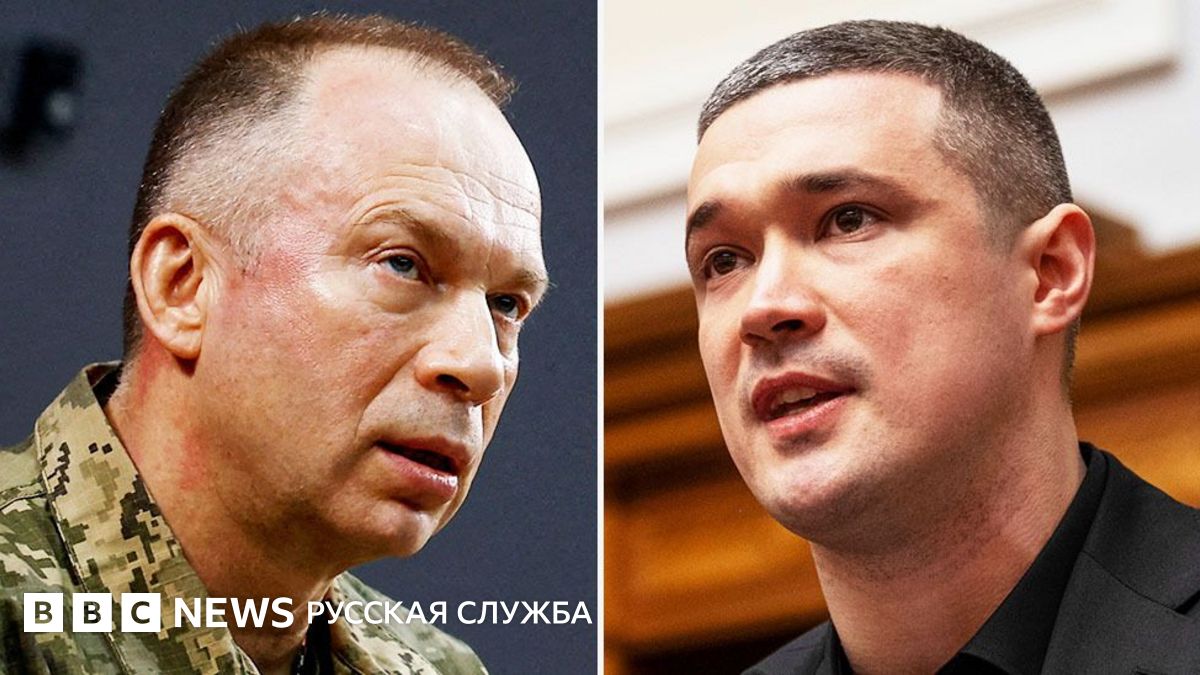
- Very likely Zelensky's dismissal of Defense Minister Mykhailo Fedorov after six months in office has triggered political instability, with protests involving several thousand participants occurring in Kyiv and other major Ukrainian cities on 16 July. (Confidence: high · ASSESSED)
- I&W: Official government announcement naming successor to Fedorov within 48 hours (0-2 days)
- I&W: Further military or political resignations linked to Fedorov's dismissal (3-7 days)
- Likely Ukrainian air defenses are increasingly challenged by Russia's multi-vector strikes, with 146 strike drones of various types and 5 Iskander-M/S-400 ballistic missiles penetrating to target 15 locations on 16 July despite 129 drones being intercepted. (Confidence: medium · ASSESSED)
- I&W: Documentation of damage to critical infrastructure from partially successful strikes (1-3 days)
- I&W: Official Ukrainian reporting of intercept rates dropping below 70% during future multi-vector attacks (1-2 weeks)
- Likely Ukraine's naval drone campaign has expanded to strike Russia's maritime logistics infrastructure in both the Black and Azov Seas, with cumulative strikes reaching 147 vessels over an 11-day period ending 16 July. (Confidence: medium · REPORTED)
- I&W: Independent verification of vessel damage from shipping records and satellite imagery (1-4 weeks)
- I&W: Russian implementation of convoy systems or expanded port defenses within affected waterways (1-3 weeks)
Outlook & scenarios
Escalated Aerial Campaign Continues (65%)
Russian forces continue intensified missile and drone barrages against civilian infrastructure in Kyiv and other regional centres while Ukraine maintains high-tempo drone strikes against military targets in Crimea and Russian maritime assets. Fedorov's dismissal creates command coordination challenges that temporarily reduce Ukraine's defensive capabilities, allowing more successful Russian strikes and increasing civilian casualties in Ukrainian cities. The political situation stabilises after Zelensky appoints a successor acceptable to the military leadership.
Deterioration Following Leadership Crisis (20%)
Fedorov's dismissal triggers cascading military leadership changes including resignations from key drone commanders, disrupting Ukraine's aerial warfare capabilities. Zelensky faces growing domestic political pressure as protests expand to include military personnel, forcing a partial reversal of the decision or accelerating Ukraine's search for a negotiated settlement. Russia exploits perceived Ukrainian political instability to intensify military operations in eastern Ukraine.
Depleted Uranium Fallout (10%)
The confirmed deployment of depleted uranium munitions in Sumy region triggers an international humanitarian response, with the IAEA and WHO conducting investigations that could lead to increased military aid restrictions for Russia from neutral states. Russia denies using such munitions while Ukraine leverages the incident for additional Western support, potentially including enhanced air defence capabilities that offset command structure issues following Fedorov's dismissal.
Maritime Disruption Expands (5%)
Ukraine's expanding naval drone operations successfully disrupt Russia's oil export capabilities through the Baltic and Black Sea ports, causing a significant drop in Russian oil revenues. In response, Russia deploys enhanced port defences and retaliates with strikes against Ukrainian ports used for grain exports, triggering a wider conflict over Black Sea shipping corridors that draws in NATO naval forces for protection missions.
Recommendations
- Monitor the appointment and background of Zelensky's chosen replacement for Fedorov to assess continuity of Ukraine's military reforms and drone campaign strategy
- Assess Russian depleted uranium munition use with satellite surveillance and open-source collection to verify scope and location of environmental and health hazards
- Track Ukrainian drone strike targeting patterns and success rates against Russian naval assets to evaluate sustainability of this campaign approach
- Evaluate protest developments in Kyiv regarding military participation levels to gauge potential impact on Ukraine's command structure and operational effectiveness
- Monitor Russian military communications for indications of changed tactics following depletion of older missile stocks requiring adaptation to available systems
Confidence & uncertainty
Overall confidence assessment reflects multiple independent Ukrainian, Russian and international major media sources corroborating key events including the timing and locations of strikes across multiple Ukrainian regions. Corroborating evidence includes casualty figures from emergency services, municipal authorities and regional administrations that align across multiple reporting channels. Uncertainties include Russian claims of drone interception rates that cannot be independently verified and the precise impact of depleted uranium munitions which requires on-site verification. Sourcing weaknesses include limited access to strike locations in occupied territories and potential bias in reporting casualty figures to support respective narratives.
Intelligence gaps
- [EEI 1.1 · UNCOVERED] Number of airstrikes and aircraft/UCAV sorties per 24-hour period, broken down by administrative region and timestamped geolocation of each strike/strike cluster. Recommended collection: air defense radar/ADS-B
- [EEI 1.2 · UNCOVERED] Types of delivery platforms and munitions observed (fixed-wing aircraft model, helicopters, cruise missiles, ballistic missiles, guided bombs, loitering munitions) with visual/forensic confirmation of munition remnants where possible. Recommended collection: satellite/imagery; munition forensics
- [EEI 1.3 · UNCOVERED] Airspace access and sortie origin information: airbases, staging areas, tanker/ISR support flights, and routing corridors used in the last 7 days. Recommended collection: airspace/ADS-B; satellite/imagery
- [EEI 1.4 · UNCOVERED] Changes in temporal or target-patterns compared to the prior baseline (new target types, time-of-day shifts, concentration on specific infrastructure or front sectors). Recommended collection: open-source media; satellite/imagery
- [EEI 2.1 · UNCOVERED] Confirmed civilian fatalities and injuries attributed to airstrikes by location and date, including hospital admission logs and mortuary reports. Recommended collection: civilian authorities/human intelligence
- [EEI 2.2 · UNCOVERED] Functional status reports and capacity of hospitals and emergency services in strike-affected areas (beds available, emergency department functionality, evacuation of patients). Recommended collection: humanitarian organizations/civilian authorities
- [EEI 2.3 · UNCOVERED] Operational outages and damage reports for critical infrastructure (power plants/substations, water treatment, telecommunications, rail junctions, bridges) with geolocated pre/post imagery where feasible. Recommended collection: utility operators; satellite/imagery
- [EEI 2.4 · UNCOVERED] Population displacement metrics: numbers and routes of internally displaced persons, shelter occupancy rates, and evidence of mass evacuations or blocked humanitarian access corridors. Recommended collection: humanitarian organizations; social media
- [EEI 3.1 · UNCOVERED] Statements, orders, or internal communications (official or leaked) indicating stated campaign objectives, target prioritization, or changes in rules of engagement. Recommended collection: signals/COMINT; open-source media
- [EEI 3.2 · UNCOVERED] Evidence of munitions and parts resupply rates: documented deliveries to forward depots/airbases, rail/road convoys with munitions manifest, or satellite imagery showing stockpile levels over time. Recommended collection: logistics tracking; satellite/imagery
- [EEI 3.3 · UNCOVERED] Indicators of escalatory posture or force employment changes: deployment or activation of long-range strike assets, increased sorties of strategic platforms, or movement/deployment of additional surface-to-air systems. Recommended collection: satellite/imagery; air defense radar
- [EEI 3.4 · UNCOVERED] Foreign involvement or external support evidence: observed deliveries of strike munitions, presence of foreign contractor personnel at bases, or procurement transactions tied to the campaign. Recommended collection: customs/open-source intelligence; satellite/imagery
Cited sources
[1] Los Angeles Times · Ukrainians protest Zelensky's ouster of his popular defense minister - Los Angeles Times (A) · sha256:abd358fb595c [2] news.liga.net · В Украину вернули тела 501 погибшего, российские КАБы убили людей в Запорожье – LIVE (B) · sha256:7e12f4b80eb1 [3] Interfax-Ukraine · Населенные пункты Украины подвергались атакам со стороны российских оккупантов, есть пострадавшие, жертвы и разрушения (A) · sha256:3724f442b7a0 [4] meduza.io · В Ярославской и Брянской областях в результате украинских ударов есть погибшие и пострадавшие. За ночь Москву атаковали более 200 беспилотников (B) · sha256:12626bd3a0ec [5] maritime-executive.com · India Bans its Seafarers from Strait of Hormuz Transits (A) · sha256:e189e96cb854 [6] gcaptain.com · Ukraine Says Drone Campaign Has Hit 147 Russian-Linked Vessels in 11 Days (B) · sha256:ebf180680392 [7] Bloomberg News · Ukraine Hit Two Large Russia-Linked Oil Tankers in Black Sea (A) · sha256:b5b48c7868d2 [8] BBC News Русская служба · Федоров против Сырского: в Украине разгорелся открытый конфликт между экс-министром обороны и главкомом - BBC News Русская служба (A) · sha256:c34ea1871cde [9] dw.com · ВС РФ ударили ракетами по Киеву и беспилотниками по Харькову (A) · sha256:7e3758e47ff4 [10] 24tv.ua · Ночная атака на Украину: силы ПВО сбили 132 воздушные цели, однако перехватить все ракеты не удалось (B) · sha256:20666ac5605f
Source content hashes were computed at collection time; the cited text is preserved unmodified for the life of this product.
TLP:CLEAR