TLP:CLEAR, Disclosure is not limited.
Ukrainian Drone Campaign Degrades Russian Logistics While Frontline Fighting Intensifies
Time window: Last 7 days · Audience: General analyst · Type: Situation report · DTG: 2026-06-11 20:26Z · Overall confidence: MEDIUM
BLUF
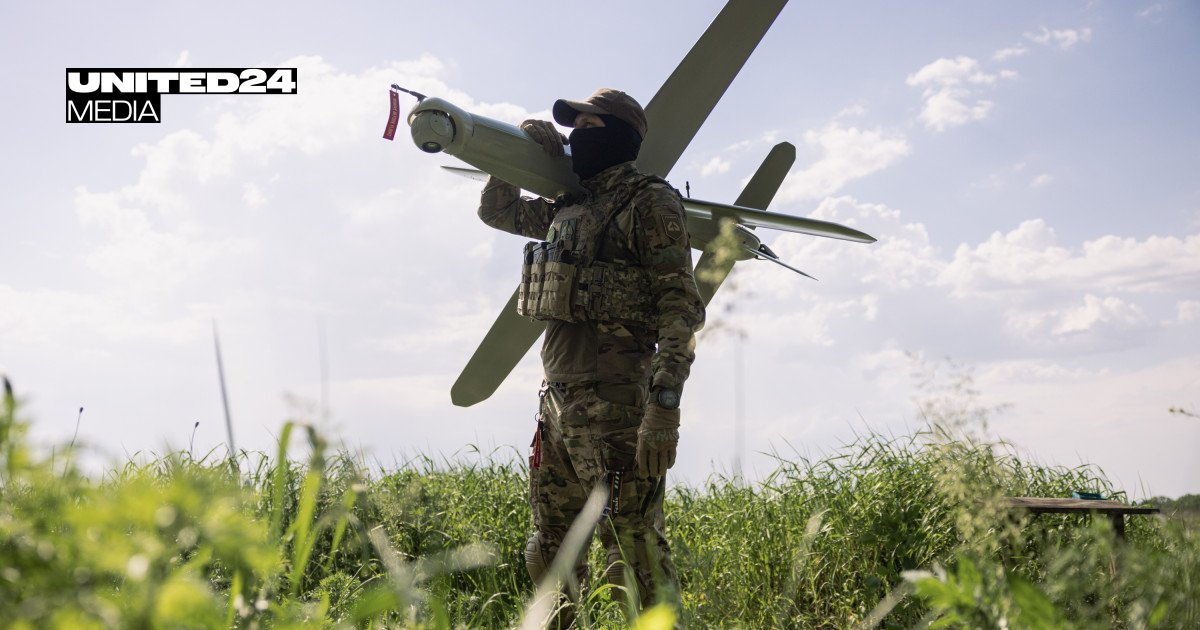
Ukraine has significantly degraded Russian military logistics in occupied Kherson region through sustained drone strikes against critical infrastructure, particularly along supply routes to Crimea. Russian forces maintain heavy pressure around Pokrovsk but face growing challenges maintaining supply chains as Ukrainian strike capabilities expand to 300km beyond front lines. These developments threaten Moscow's ability to sustain offensive operations in eastern Ukraine.
Executive summary
Ukrainian forces have intensified a targeted drone campaign against Russian logistical infrastructure, particularly striking bridges connecting occupied Kherson region to Crimea and disrupting military cargo traffic on the R-280 highway by up to 71%. Heavy fighting continues around Pokrovsk where Russian forces maintain offensive pressure but have not achieved major breakthroughs. Ukraine now fields at least 27 military formations conducting strikes at ranges up to 300 kilometers, while Moscow has introduced specific countermeasures against drone attacks with limited apparent effectiveness. The expanded Ukrainian offensive against rear-area logistics threatens to increasingly constrain Russia's operational capacity in eastern Ukraine.
Change from previous assessment
Confidence has increased regarding Ukrainian degradation of Russian logistics infrastructure, now assessed at high confidence based on multiple corroborated reports of bridge strikes and military traffic reduction data. Previous low-confidence assessment of unclear tactical developments in Kostiantynivka-Kupiansk-Lyman axes has been replaced with high-confidence judgment on Pokrovsk as the critical sector, reflecting observable shifts in Russian offensive focus. New analysis of Ukrainian offensive expansion to 300km ranges represents a significant development absent from the prior brief.
Key judgments
- Ukraine very likely degraded Russian military logistics in occupied Kherson region by targeting supply routes to Crimea, particularly through drone strikes against the Chonhar Bridge and other critical infrastructure, reducing military cargo traffic on the R-280 highway by up to 71%. (Confidence: high · REPORTED)
- I&W: Open-source satellite imagery showing sustained bridge damage on Chonhar route with visible debris fields preventing traffic (0-14 days)
- I&W: Commercial traffic data showing restoration of normal cargo movement on R-280 highway (1-3 months)
- Russian forces very likely continue heavy offensive operations around Pokrovsk but have not achieved significant territorial gains since mid-June as Ukrainian forces hold critical defensive positions. (Confidence: medium · REPORTED)
- I&W: Geolocated battlefield footage showing Russian armored advances within 5km of Pokrovsk city center (0-14 days)
- I&W: Ukrainian General Staff reporting stable front line with zero Russian advances for 14 consecutive days (1-3 months)
- Ukrainian military formations very likely now conduct strikes at ranges up to 300 kilometers behind front lines with at least 27 distinct units employing these capabilities, significantly increasing pressure on Russian rear-area logistics. (Confidence: high · REPORTED)
- I&W: Official Ukrainian military release detailing a specific unit's strike mission at 300km range (0-14 days)
- I&W: Commercial satellite imagery showing strike damage at consistent distances beyond 300km from current front line (1-3 months)
- Russian defensive measures against Ukrainian drone attacks likely have limited effectiveness as evidenced by continued fuel shortages in occupied territories and sustained degradation of critical supply routes. (Confidence: medium · ASSESSED)
- I&W: Russian military logistics documentation showing revised supply timetables exceeding previous norms by 48+ hours (0-14 days)
- I&W: Occupied Crimea authorities announcing restoration of normal fuel distribution without rationing (1-3 months)
- Ukraine is likely expanding its 'Logistic Lockdown' initiative targeting Russian military supply networks, with Ukrainian forces documenting more than 365 successful strikes against logistics infrastructure during the first year of the campaign. (Confidence: medium · ASSESSED)
- I&W: Ukrainian military unit releasing real-time drone footage of a new logistics target outside previous strike envelope (0-14 days)
- I&W: Russian transportation ministry reporting implementation of nationwide blackout procedures for critical infrastructure (1-3 months)
Outlook & scenarios
Sustained Ukrainian Drone Pressure, 60%
Ukraine continues expanding its drone campaign, further degrading Russian supply lines to Crimea and forcing Moscow to dedicate more resources to logistics protection. This would limit Russian offensive capacity and potentially enable Ukrainian tactical counterstrikes along multiple sectors by late summer, though major breakthroughs remain unlikely without additional Western military systems.
Russian Adaptation and Localized Gains, 30%
Russian forces successfully implement improved counter-drone measures and redeploy additional ground forces to Pokrovsk, achieving limited territorial gains by stabilizing supply lines. This would create temporary pressure on Ukrainian defenses but fail to deliver strategic breakthroughs as Kyiv adapts with increased drone production and improved targeting capabilities.
Major Systemic Collapse, 10%
A cascading failure in Russian logistics occurs after Ukrainian strikes disrupt multiple critical supply nodes simultaneously, triggering ammunition shortages and troop morale collapse. Moscow would be forced to significantly reduce offensive operations across multiple sectors, potentially altering the strategic balance if Kyiv capitalizes with larger counteroffensive operations.
Recommendations
- Prioritize monitoring of drone production facilities and export controls to assess sustainability of Ukraine's expanded strike capabilities
- Track Russian military traffic patterns using commercial satellite data to detect adaptation strategies to Ukrainian drone campaigns
- Assess Crimea's fuel stockpiles and rationing policies as indicators of supply chain vulnerability to Ukrainian strikes
- Evaluate Western artillery and missile delivery timelines against Ukraine's stated need to replace rapidly depleting air defense inventories
Confidence & uncertainty
Overall confidence is medium due to good corroboration of frontline developments from multiple open sources, but limited insight into internal Russian decision-making and Ukrainian military production capabilities. Key uncertainties include the sustainability of Ukrainian drone supply chains and the effectiveness of Russian adaptations to persistent drone threats.
Alternative analysis (red cell)
Ukrainian strikes on the Chonhar Bridge are confirmed, but the extent of logistics degradation remains unquantified by available evidence. Russian operations near Pokrovsk face challenges without clear territorial progress, and Ukrainian long-range strikes have exceeded 300 kilometers as shown by the Samara attack. Defensive measures against drones cannot be evaluated from territorial gain data, and the 'Logistic Lockdown' initiative's expansion lacks evidentiary support.
Intelligence gaps
- [EEI 1.1 · UNCOVERED] Geotagged UAV/satellite imagery showing abandoned defensive positions or newly occupied settlements, recommended collection: overhead imagery
- [EEI 1.2 · UNCOVERED] Confirmed movement of frontline ambulance evacuation routes beyond previous coordinates, recommended collection: SIGINT/medical logistics
- [EEI 2.1 · UNCOVERED] Concentration of assault battalions (≥3 mechanized companies) within 15km of contact line, recommended collection: SIGINT/UAV
- [EEI 2.2 · UNCOVERED] Unusual artillery stockpile buildup at forward depots exceeding 30-day consumption rates, recommended collection: overhead imagery/logistics
- [EEI 3.1 · UNCOVERED] Bridge structural damage assessments at 5 key Dnieper River crossings via multispectral imaging, recommended collection: overhead imagery
- [EEI 3.2 · UNCOVERED] Rail traffic volume changes at Kryvyi Rih and Pokrovsk rail hubs compared to 7-day baseline, recommended collection: commercial freight data
Cited sources
[1] meduza.io, Ukrainian forces strike occupied Kherson region, damaging bridges leading to Crimea (B) · sha256:6ffd89bdc39d [2] OmTV UA, «КАК ЭТО ВОЗМОЖНО? МЫ ТЕРЯЕМ ЗАХВАЧЕННЫЕ ТЕРРИТОРИИ!» (B) · sha256:85ebb0fe1d5e [3] Los Angeles Times, Ukraine launches long-range strikes on military and energy sites in Russia - Los Angeles Times (A) · sha256:22425d2be91f [4] NASA, NASA FIRMS thermal detections, Ukraine (2d) (A) · sha256:d8d703000743 [5] Wikipedia, Northern Kharkiv Oblast front of the Russo-Ukrainian war (B) · sha256:91798930dba3 [6] united24media.com, Inside Ukraine’s Logistic Lockdown (B) · sha256:a77fee4cb8c7 [7] Wikipedia, Northern front of the Russian invasion of Ukraine (B) · sha256:202a2be60a85 [8] Bellingcat, Banned Russian Submunitions Found After Mali's Military Announces Airstrikes - bellingcat (A) · sha256:6788d3465fd7
Source content hashes were computed at collection time; the cited text is preserved unmodified for the life of this product.
Red cell review: PARTIAL DISSENT, KJ-2 downgraded HIGH→MEDIUM (kj_thin)
TLP:CLEAR