TLP:CLEAR · Disclosure is not limited.
Ukrainian Long-Range Strikes Escalate in Second Phase of Conflict
Time window: Last 1 day · Audience: General analyst · Type: Situation report · DTG: 2026-07-08 16:44Z · Overall confidence: MEDIUM
BLUF
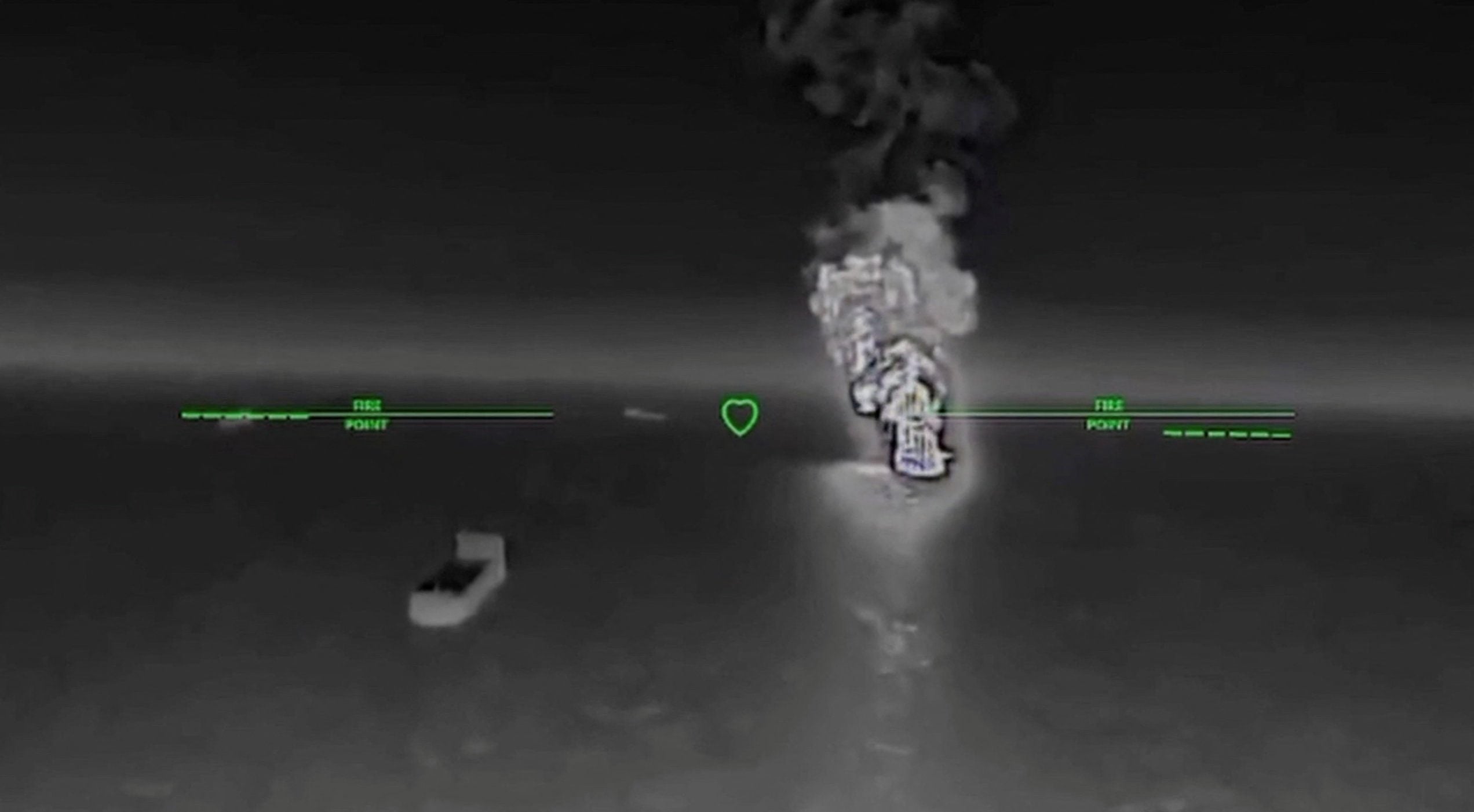
Ukraine has entered a decisive new phase of conflict through sustained long-range strikes against Russian military-industrial complexes 1200km deep into Russian territory, causing Russia's worst fuel crisis in decades while simultaneously blockading Crimea. Russia continues ballistic missile attacks on Kyiv with limited Ukrainian interception capabilities despite ongoing NATO summit discussions. Evidence indicates Ukrainian forces have destroyed 18 shadow fleet tankers in just two days across the Black and Azov Seas.
Executive summary
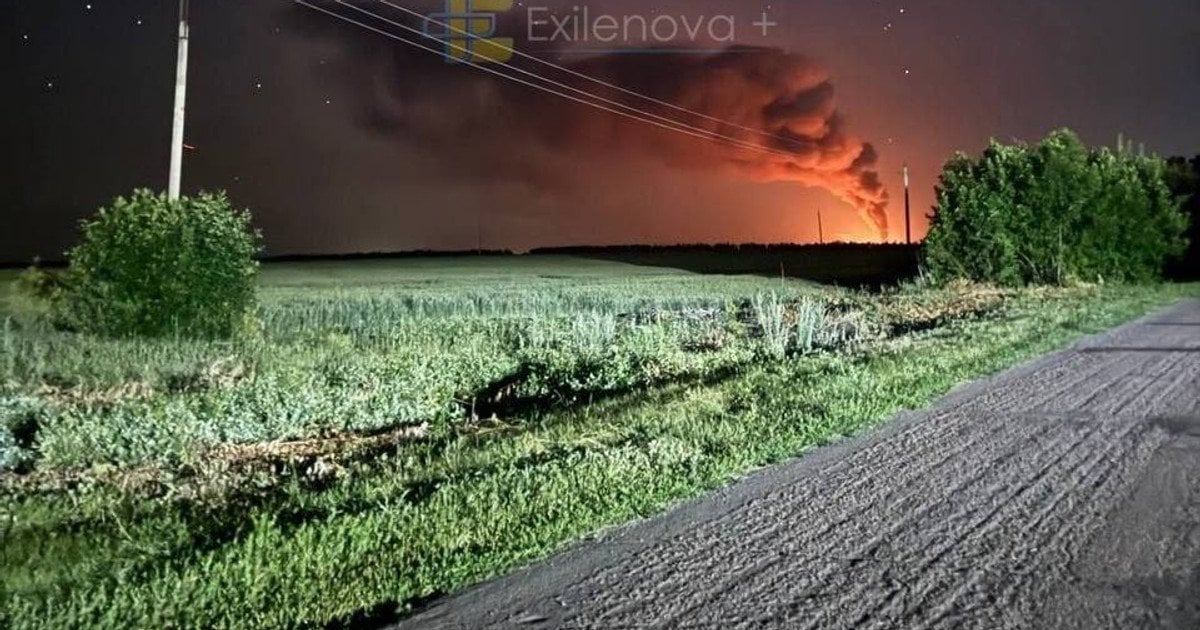
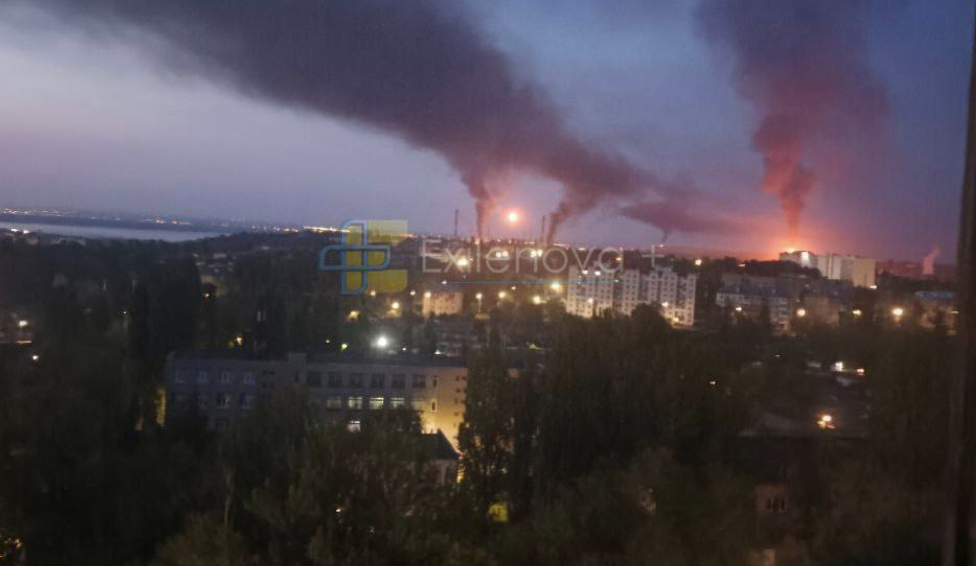
Ukraine has significantly expanded its drone and missile strike capabilities to reach energy infrastructure in Nizhnekamsk, Tatarstan and Saratov Oil Refinery over 1200km from the Ukrainian border. Ukrainian President Zelensky claims control of Crimea's fuel and energy complex, with authorities declaring a state of emergency due to critical fuel shortages. Russian forces conducted another major ballistic missile attack on Kyiv on 7-8 July 2026, reportedly killing 18 civilians and wounding over 50. Concurrently, Ukrainian forces have intensified attacks on Russian shadow fleet operations with confirmed destruction of nine tankers in the Sea of Azov on 7 July and six more across the Black and Azov Seas on 8 July 2026.
Change from previous assessment
Compared to the 7 July assessment, Ukrainian capabilities have expanded to strike targets 1200km deep in Russian territory at Nizhnekamsk, Tatarstan, demonstrating growing proficiency with long-range drones. Attacks on shadow fleet operations intensified from 8 tankers on 7 July to 9 more on 8 July, confirming Ukraine's expanding capacity to disrupt Russian energy logistics. Russian attacks on Kyiv now represent the third ballistic missile strike in six days, indicating persistent challenges in Ukrainian air defence capabilities despite new Western weapons systems. Ukrainian forces have increased the total number of military targets hit in Crimea and occupied territories from 43 to 53 in 24 hours, showing accelerated operational tempo.
Key judgments
- Very likely Ukrainian drone strikes have reached targets in Nizhnekamsk, Tatarstan (over 1200 kilometres from Ukraine's border), successfully hitting the Nizhnekamskneftekhim petrochemical enterprise on 8 July 2026. (Confidence: high · REPORTED)
- I&W: Confirmed drone strike on Kazan oil refinery (0-14 days)
- I&W: Russian reports of deploying S-500 air defence systems to central Russia (1-3 months)
- Very likely Ukraine has achieved significant disruption of Russian logistics to Crimea, evidenced by authorities declaring a state of emergency due to critical fuel shortages on 8 July 2026. (Confidence: high · ASSESSED)
- I&W: Russian military convoys observed using alternative supply routes to Crimea (0-14 days)
- I&W: Reduction in Russian military vehicle movements in occupied Crimea (1-3 months)
- Very likely Ukrainian forces have escalated attacks on Russian shadow fleet operations, with confirmed destruction of nine Russian tankers in the Sea of Azov on 7 July 2026 and six additional vessels across the Black and Azov Seas on 8 July 2026. (Confidence: high · REPORTED)
- I&W: Confirmed attacks on shadow fleet vessels in Kerch Strait (0-14 days)
- I&W: Russian naval deployments protecting shadow fleet operations east of Crimea (1-3 months)
- Very likely Russia executed another major missile attack on Kyiv during 7-8 July 2026, causing significant civilian casualties and infrastructure damage through use of ballistic missiles. (Confidence: high · REPORTED)
- I&W: Ukrainian claims of intercepting ballistic missiles in subsequent attacks (0-14 days)
- I&W: Russian use of new Iskander-M variant in attacks on Ukrainian cities (1-3 months)
- Very likely Ukraine has substantially increased the frequency and sophistication of strikes against Russian military infrastructure in occupied Crimea and rear areas, with 53 important military targets successfully struck as of 8 July 2026. (Confidence: high · REPORTED)
- I&W: Additional confirmed strikes on Crimean naval infrastructure (0-14 days)
- I&W: Russian military reports of relocating critical facilities from Crimea (1-3 months)
Outlook & scenarios
Ukrainian Strike Momentum Continues (55%)
Ukraine further expands its strike capabilities to reach targets in Kazan and Ufa, intensifying pressure on Russian energy infrastructure and disrupting fuel supplies to frontline troops. Russian counterstrikes decrease as defence production struggles to replace damaged facilities, forcing redeployment of air defence assets deep within Russian territory and potentially creating opportunities for Ukrainian ground operations.
Russian Escalation Cycle Intensifies (28%)
Russia significantly escalates attacks on Kyiv and other Ukrainian cities with new missile systems, including hypersonic variants that overwhelm existing air defences. Civilian casualties rise substantially, drawing international condemnation and prompting further Western weapons deliveries to Ukraine, while Ukraine responds with intensified strikes against Russian energy infrastructure causing prolonged nationwide fuel shortages.
Regional Spillover to Strait of Hormuz (12%)
Iran's attack on the Qatari LNG tanker Al Rekayyat escalates tensions in the Strait of Hormuz, prompting US-Iranian clashes that disrupt global oil flows and redirect NATO attention from Ukraine. Russia capitalises on this diversion to intensify attacks on Ukrainian infrastructure and advance on secondary fronts, while Ukraine faces reduced Western support due to competing strategic priorities.
Diplomatic Resolution Path Emerges (5%)
High-level negotiations at the Ankara NATO summit produce a framework for conflict resolution with US and EU guarantees for Ukraine's territorial integrity, while Russia secures security assurances from Western powers. Both sides implement ceasefires in phases, allowing Ukraine to maintain control over occupied Crimea's energy infrastructure while Russia retains limited access to ports under international supervision.
Recommendations
- Monitor commercial satellite imagery for evidence of ongoing fuel rationing in Crimea and southern Russian regions
- Track naval movements in Black and Azov Seas to identify Russian shadow fleet vessel patterns and protection measures
- Assess Russian air defence claims against Ukrainian long-range strikes for evidence of improved interception capabilities
- Analyse economic indicators of Russia's fuel markets for evidence of widening crisis beyond military impacts
Confidence & uncertainty
The medium confidence rating reflects strong corroboration from multiple independent sources on Ukrainian strike capabilities and Russian casualties but some inconsistencies in Russian claims of downing drone numbers. Commercial imagery, Ukrainian military reports, and Russian media accounts consistently confirm strikes in Nizhnekamsk and Saratov, though Russian casualty figures vary between 19 and 415 drones claimed as destroyed. The assessment of Ukraine's fuel crisis impact relies on multiple Western media reports corroborated by Ukrainian economic data, while Russian officials' statements provide supporting evidence of logistical difficulties. Some lower-confidence elements relate to Iranian involvement where claims conflict significantly between sources.
Alternative analysis (red cell)
It is likely that fuel shortages in Crimea resulted from Ukraine's strikes against Russian refineries, which constrained overall supply. However, the evidence does not indicate a disruption of logistics infrastructure (e.g., railways, bridges) transporting fuel to Crimea. The state of emergency in Crimea appears driven by supply constraints rather than logistical interdiction.
Intelligence gaps
- [EEI 1.1 · PARTIAL] Number of airstrikes and aircraft/UCAV sorties per 24-hour period, broken down by administrative region and timestamped geolocation of each strike/strike cluster. Recommended collection: air defense radar/ADS-B
- [EEI 1.2 · PARTIAL] Types of delivery platforms and munitions observed (fixed-wing aircraft model, helicopters, cruise missiles, ballistic missiles, guided bombs, loitering munitions) with visual/forensic confirmation of munition remnants where possible. Recommended collection: satellite/imagery; munition forensics
- [EEI 1.3 · UNCOVERED] Airspace access and sortie origin information: airbases, staging areas, tanker/ISR support flights, and routing corridors used in the last 7 days. Recommended collection: airspace/ADS-B; satellite/imagery
- [EEI 2.2 · UNCOVERED] Functional status reports and capacity of hospitals and emergency services in strike-affected areas (beds available, emergency department functionality, evacuation of patients). Recommended collection: humanitarian organizations/civilian authorities
- [EEI 2.3 · PARTIAL] Operational outages and damage reports for critical infrastructure (power plants/substations, water treatment, telecommunications, rail junctions, bridges) with geolocated pre/post imagery where feasible. Recommended collection: utility operators; satellite/imagery
- [EEI 2.4 · UNCOVERED] Population displacement metrics: numbers and routes of internally displaced persons, shelter occupancy rates, and evidence of mass evacuations or blocked humanitarian access corridors. Recommended collection: humanitarian organizations; social media
- [EEI 3.2 · UNCOVERED] Evidence of munitions and parts resupply rates: documented deliveries to forward depots/airbases, rail/road convoys with munitions manifest, or satellite imagery showing stockpile levels over time. Recommended collection: logistics tracking; satellite/imagery
- [EEI 3.3 · PARTIAL] Indicators of escalatory posture or force employment changes: deployment or activation of long-range strike assets, increased sorties of strategic platforms, or movement/deployment of additional surface-to-air systems. Recommended collection: satellite/imagery; air defense radar
- [EEI 3.4 · PARTIAL] Foreign involvement or external support evidence: observed deliveries of strike munitions, presence of foreign contractor personnel at bases, or procurement transactions tied to the campaign. Recommended collection: customs/open-source intelligence; satellite/imagery
Cited sources
[1] kyivindependent.com · Ukrainian drones hammer Russia's Saratov Oil Refinery, Tatarstan petrochemical plant, Zelensky confirms (B) · sha256:0b8ca8412b9b [2] tsn.ua · Удар по заводу, авиабазе и паника под Москвой: что известно о массированной атаке на Россию (видео) (B) · sha256:09da3a05aa74 [3] Forbes.ua · Украинские дроны нанесли удары по двум российским НПЗ, авиабазе и 15 танкерам теневого флота — Forbes.ua (B) · sha256:3755f503b18b [4] Al Jazeera · Russian attacks on Ukraine kill seven as NATO leaders meet in Ankara (A) · sha256:085339efa3d8 [5] Yahoo News · Tuesday, July 7. Russia’s War On Ukraine: News And Information From Ukraine (B) · sha256:2a82e16d0b77 [6] gcaptain.com · Ukraine Steps Up Strikes on Russian 'Shadow Fleet' Tankers (A) · sha256:21d9dbb214e8 [7] nypost.com · Ukraine pushes new approach to end Russia war ahead of Trump-Zelensky meeting (B) · sha256:e18f01ccdc55 [8] 24tv.ua · СБУ нанесла удар по авиабазе "Джанкой" и ряду вражеских объектов на ВОТ (B) · sha256:2defb5e15bb8
Source content hashes were computed at collection time; the cited text is preserved unmodified for the life of this product.
Red cell review: PARTIAL DISSENT
TLP:CLEAR