TLP:CLEAR · Disclosure is not limited.
United States and Iran Exchange Second Wave of Military Strikes on July 9
Time window: Last 1 day · Audience: General analyst · Type: Situation report · DTG: 2026-07-09 14:22Z · Overall confidence: MEDIUM
BLUF
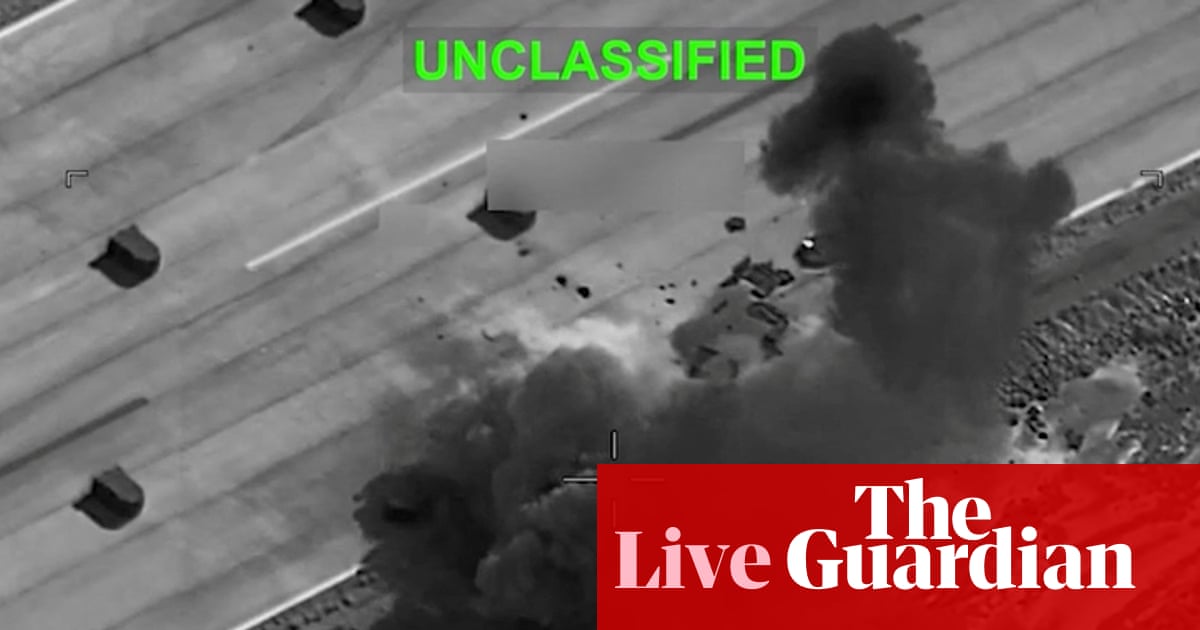
The United States conducted approximately 90 additional strikes against Iranian military infrastructure on July 9, including bridges for the first time since April, while Iran responded by targeting U.S. military facilities in Bahrain, Kuwait, and Qatar. These escalating actions signal a deterioration of the temporary ceasefire arrangement and threaten to widen conflict beyond the Strait of Hormuz. While Israeli officials assess the escalation will likely remain confined to the Gulf region for now, the pattern of tit-for-tat strikes indicates diminishing room for diplomatic de-escalation.
Executive summary
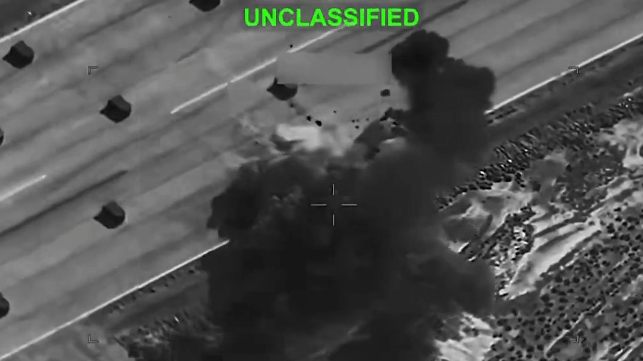
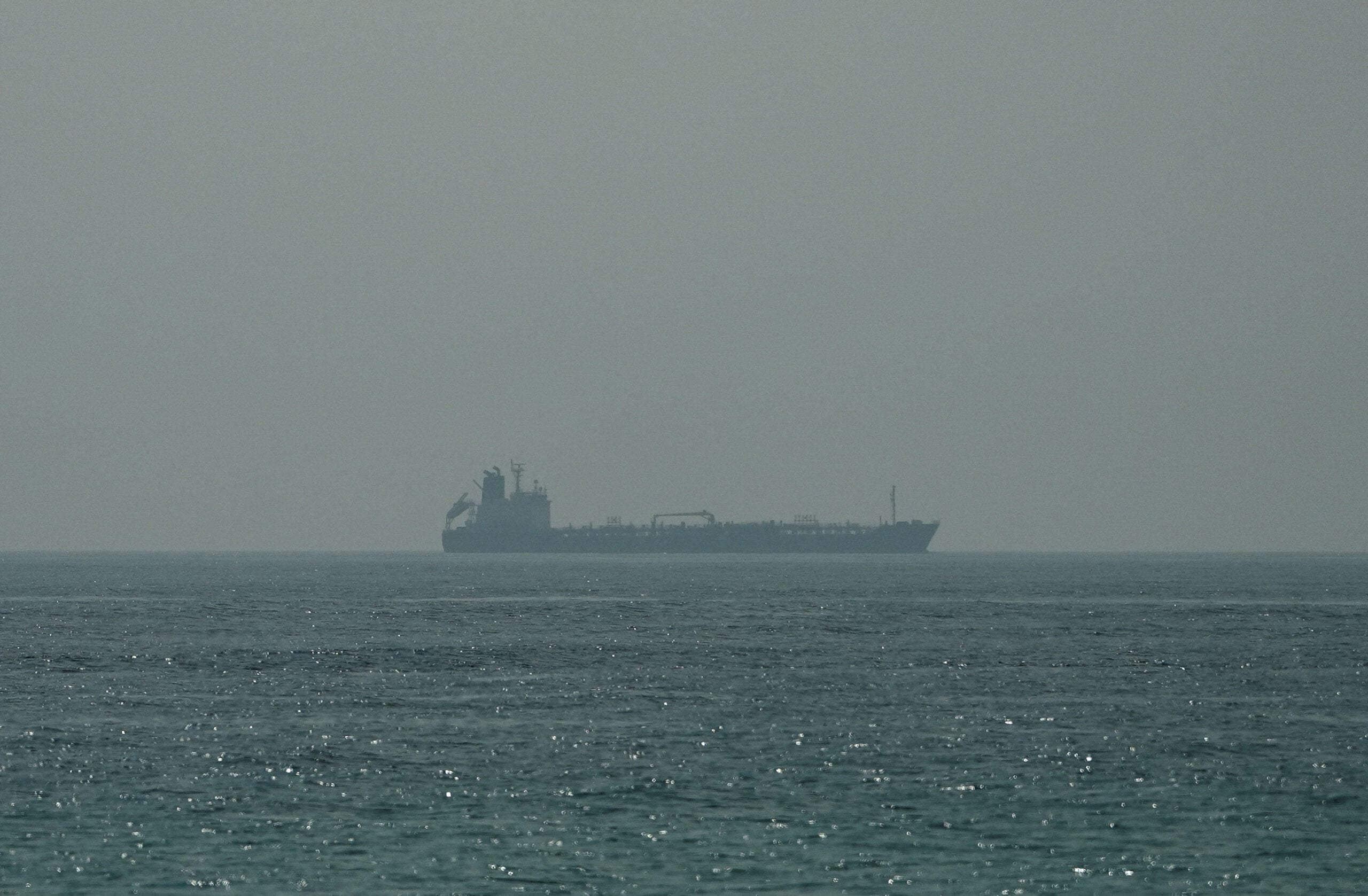
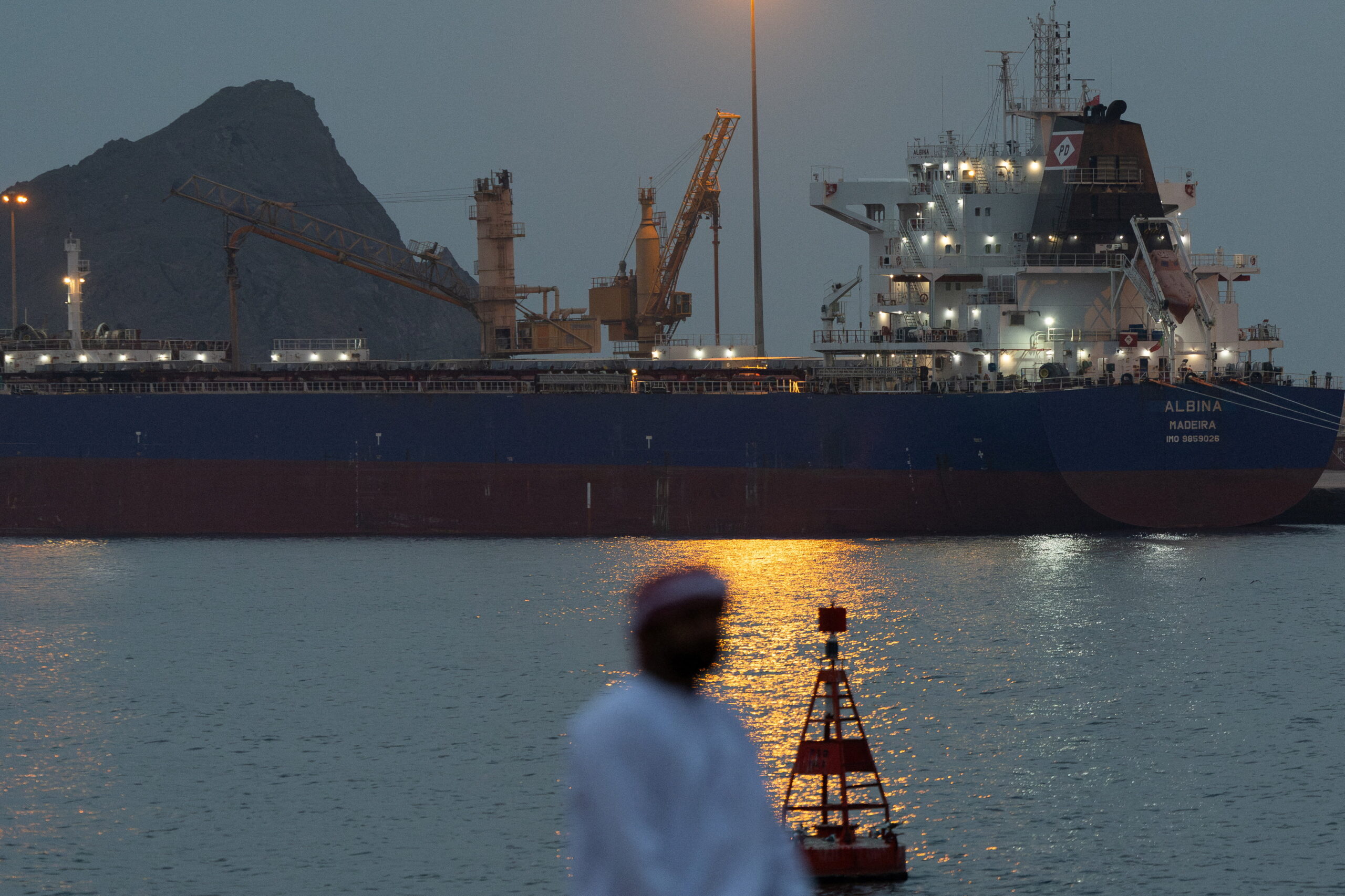
Following attacks on commercial vessels in the Strait of Hormuz, the United States launched a second wave of strikes against Iran on July 9, hitting approximately 90 targets including air defence systems, missile storage sites, naval forces, and critical infrastructure such as bridges. Iran responded by directing missile and drone strikes against U.S. military facilities across Bahrain, Kuwait, and Qatar. These exchanges have killed at least 14 people and wounded 78 in Iran, with one additional injury reported in Kuwait from falling debris. President Trump warned the situation would escalate if attacks on shipping continue, while European aviation authorities adjusted risk classifications as tanker traffic through the Strait of Hormuz shows initial signs of normalisation.
Change from previous assessment
This assessment confirms continued escalation beyond yesterday's reporting, with the United States hitting approximately 90 additional targets including critical infrastructure such as bridges in Iran while Iran broadened its response to include Qatar, expanding beyond yesterday's focus on Bahrain and Kuwait. Yesterday's brief assessed that the ceasefire had collapsed; today's reporting confirms this through actual military exchanges rather than just statements, with both sides targeting previously avoided locations. Confidence in the humanitarian impact assessment increased from medium to high as casualty figures from Iranian authorities became available.
Key judgments
- Very likely that the United States conducted approximately 90 additional strikes against Iranian military infrastructure on July 9, including bridges for the first time since April. (Confidence: high · REPORTED)
- I&W: Iranian state media or U.S. Central Command releases official casualty or damage assessment from July 9 strikes within 0-14 days (0-14 days)
- I&W: U.S. or Iranian officials confirm specific bridge restoration timelines exceeding three weeks (1-3 months)
- Very likely that Iran responded to the U.S. strikes by launching missile and drone attacks against U.S. military facilities in Bahrain, Kuwait, and Qatar on July 9. (Confidence: high · REPORTED)
- I&W: U.S. Central Command releases detailed incident log of all Iranian projectiles intercepted in the Gulf within 0-14 days (0-14 days)
- I&W: Bahraini or Qatari authorities report restoration of full military operational capacity within two weeks (1-3 months)
- The U.S. strikes killed at least 14 people and wounded 78 in Iran while causing at least one additional injury in Kuwait from falling debris. (Confidence: high · REPORTED)
- I&W: Iranian Health Ministry releases detailed casualty breakdown by location within one week (0-14 days)
- I&W: Kuwaiti authorities confirm full recovery of injured personnel within 30 days (1-3 months)
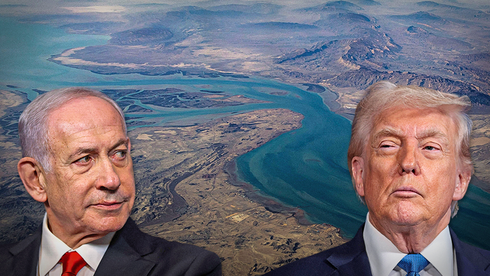
- Likely that the conflict remains contained to the Gulf region for now, without direct Israeli involvement in the current exchange of strikes. (Confidence: medium · ASSESSED)
- I&W: Israeli government denies involvement in any military operation against Iran within 0-7 days (0-7 days)
- I&W: Iranian officials explicitly exclude Israeli targets from declared retaliatory actions within one week (0-14 days)
- Very likely that these strikes represent a deliberate escalation pattern, with both sides expanding target sets beyond the temporary understanding established on June 17. (Confidence: high · ASSESSED)
- I&W: U.S. Department of State releases updated maritime advisory with expanded restricted zones within 0-7 days (0-7 days)
- I&W: European Union Aviation Safety Agency reinstates high-risk classification for Middle East aviation within one month (1-3 months)
Outlook & scenarios
Continued Tit-for-Tat Escalation (55%)
The United States and Iran will continue limited reciprocal strikes targeting military infrastructure while avoiding actions that directly threaten critical economic chokepoints like the Strait of Hormuz. This scenario envisions additional U.S. strikes on Iranian military facilities and corresponding Iranian missile attacks against U.S. bases in Gulf Cooperation Council states over the next 30 days, with no direct Israeli involvement but continued high alert status for Israeli forces monitoring the escalation near the Strait of Hormuz.
Diplomatic De-escalation Following Third-Party Mediation (25%)
Regional actors including Oman and Jordan will initiate renewed diplomatic channels within two weeks, leading to a temporary pause in hostilities by late July. This scenario assumes European powers increase maritime de-mining operations in Omani waters and that Gulf Arab states offer neutral ground for negotiations, potentially resulting in modified terms of the previous interim agreement without addressing core issues like Iran's authority over Strait of Hormuz traffic management.
Significant Regional Escalation (15%)
Either side conducts a strike that causes significant collateral damage or casualties beyond previous parameters, triggering broader regional conflict. The most plausible trigger would be Iranian strikes damaging high-value petroleum infrastructure in GCC states or a U.S. strike causing radiation release at Bushehr nuclear power plant. This scenario could lead to direct Israeli involvement against Iran within 60 days as regional alliances solidify around either the U.S.-Gulf Cooperation Council axis or the Iran-Hezbollah-Houthi axis.
Energy Market Shock (5%)
Disruption from sustained strikes on dual-use infrastructure causes significant and prolonged interruption to LNG shipments through strategic chokepoints. If South Korean and Chinese shipyards experience targeted strikes disrupting construction of the 260 LNG carriers on order, global energy markets could face supply shortages within 12-18 months despite alternative pipeline routes currently under development in the Gulf region. This low-probability, high-impact scenario would likely accelerate investment in alternative LNG construction facilities outside East Asia.
Recommendations
- Monitor U.S. Central Command press releases for specific geographic coordinates of targeted infrastructure to identify patterns in military objectives
- Track European Union Aviation Safety Agency updates regarding Middle East aviation risk classifications as indicators of perceived threat evolution
- Analyse commercial shipping patterns through the Strait of Hormuz using AIS data to assess whether normalisation of tanker traffic continues or reverses
- Review casualty figures released by Iranian authorities against independent sources to verify potential underreporting of civilian casualties
- Assess statements from Iranian Parliament Speaker Mohammad Bagher Ghalibaf as the primary interlocutor for nuclear negotiations following hardliner protests against prior deals
Confidence & uncertainty
Overall confidence assessment is medium due to multiple high-quality media reports from major outlets including Al Jazeera, The Guardian, and The Jerusalem Post providing consistent accounts of the military exchanges, corroborated by official statements from U.S. Central Command and Iranian state media. However, confidence is tempered by single-source reporting on specific target locations and casualty breakdowns, as well as conflicting accounts about the exact number of targets struck (ranging from just over 80 to 90 targets). No significant contradictions exist in the core sequence of events, but assessment of Iranian intent relies on single-source diplomatic reporting that requires further corroboration.
Intelligence gaps
- [EEI 1.1 · UNCOVERED] Detection and characterization of ballistic/cruise missile or rocket launches originating from Iranian territory or from Iran-controlled positions in Iraq/Syria (time, launch coordinates, missile type, flight trajectory/impact area). Recommended collection: satellite/imagery
- [EEI 1.2 · UNCOVERED] Movements and posture changes of Iran-backed proxy forces (Hezbollah units in Lebanon, militias in Syria/Iraq): concentrations of personnel, transport of rocket/artillery launchers, visible logistics build-up within operational range of Israel. Recommended collection: human/intel
- [EEI 1.3 · UNCOVERED] Israeli defensive and offensive posture changes: reservist call-ups, mobilization orders, sorties/airstrikes attributed to Israel, and domestic activation of missile-defense systems (locations and activation times). Recommended collection: open-source/media
- [EEI 1.4 · UNCOVERED] Evidence of pre-positioning or arming of naval mines, fast attack craft, or anti-ship missile systems in the Gulf of Oman, northern Arabian Sea, or off the Lebanese/Syrian coasts that could be used to interdict Israeli or allied shipping. Recommended collection: maritime/AIS
- [EEI 2.1 · UNCOVERED] Movements and tasking changes of external military assets: carrier strike groups, amphibious ready groups, expeditionary air wings, or ballistic-missile defense units into the Eastern Mediterranean, Persian Gulf, or Red Sea (vessel/aircraft IDs, routing, on-station times). Recommended collection: maritime/AIS
- [EEI 2.2 · UNCOVERED] Formal diplomatic/military actions: evacuation orders or embassy closures, public troop posture statements, bilateral/multilateral defense commitments announced, requests for overflight or basing rights in regional states. Recommended collection: diplomatic
- [EEI 2.3 · UNCOVERED] Changes to force protection or alert levels at foreign bases in the region (e.g., US bases in Kuwait, Qatar, UAE; Russian bases in Syria): activation of additional air defenses, curfews, or reinforcement shipments (personnel/equipment manifests). Recommended collection: signals/intel
- [EEI 3.1 · UNCOVERED] Incidents against commercial vessels: attacks, seizures, mine strikes, or forced rerouting of tankers and bulk carriers in the Strait of Hormuz, Bab al-Mandeb, Red Sea, or eastern Mediterranean (vessel names/IMO, location, damage/impairment). Recommended collection: maritime/AIS
- [EEI 3.2 · UNCOVERED] Changes in crude oil and refined product flows from key terminals (reported tanker loading delays, terminal closures, throughput volumes at Kharg, Mina al-Ahmadi, Ras Tanura, and major Gulf ports compared to baseline). Recommended collection: commercial/ports
- [EEI 3.3 · UNCOVERED] Market and insurance indicators: sudden spikes in war-risk or hull insurance premiums for Middle East routes, large moves in regional FX/stock indices, and notable changes in commodity futures (oil, freight rates) tied to regional risk perceptions. Recommended collection: financial/transactional
Cited sources
[1] Los Angeles Times · U.S. and Iran exchange intensifying fire across the Mideast, threatening the interim deal to end war - Los Angeles Times (A) · sha256:d8e035597290 [2] military.com · US and Iran Exchange Intensifying Fire Across the Gulf, Threatening the Interim Deal to End War (B) · sha256:294c5b79b00f [3] gcaptain.com · IMO Urges Ships to Avoid Hormuz as U.S. Strikes Iran Over Vessel Attacks (A) · sha256:9b55686dc824 [4] maritime-executive.com · U.S. and Iran Continue to Exchange Strikes in Dispute Over Hormuz (B) · sha256:a8d2eafbdb1d [5] maritime-executive.com · Chinese Scholars Claim That the Batanes Aren't Part of Philippines (B) · sha256:8feec1aa83d8 [6] theguardian.com · Trump says truce ‘over’ as Iran reports US attack near nuclear plant – Middle East crisis live (A) · sha256:dd34a26a1b61 [7] aljazeera.com · Iran war live: Tehran hits Bahrain, Kuwait, Qatar after deadly US strikes (A) · sha256:d6ba333540ed [8] ynetnews.com · Israel braces for renewed Iran fighting as Netanyahu, Katz cancel military ceremony (A) · sha256:37118a6b247a [9] Wikipedia · Reactions to the 2026 Iran war (B) · sha256:6ccdb3c574f1 [10] huffpost.com · U.S. Launches New Airstrikes On Iran And Tehran Fires Back At Gulf Arab States (B) · sha256:bdcca8b49d5a [11] aljazeera.net · الناتو حائر في هرمز بين حرب لم يخترها وحليف أمريكي يريد الانخراط الكامل (A) · sha256:31fbe0de3357 [12] aljazeera.net · عينها على هرمز. ما حسابات إسرائيل مع عودة التصعيد في إيران؟ (A) · sha256:76120da06efd [13] CNN · Israel watches as U.S.-Iran tensions escalate | CNN (A) · sha256:62c59db24e24 [14] Atlantic Council · New Middle East corridors are about more than just bypassing the Strait of Hormuz (C) · sha256:fb9fac91221a
Source content hashes were computed at collection time; the cited text is preserved unmodified for the life of this product.
TLP:CLEAR