TLP:CLEAR · Disclosure is not limited.
US-Iran Blockade Enforcement and Hormuz Shipping Risks
Time window: Last 1 day · Audience: General analyst · Type: Situation report · DTG: 2026-10-06 11:10Z · Overall confidence: HIGH
BLUF
US blockade enforcement and attacks on commercial shipping in the Strait of Hormuz are continuing, while reports indicate Iranian crude exports have stopped loading but substantial oil remains afloat. Saudi-backed Yemeni forces have opened a new offensive, but claims of control around Bab el-Mandeb and Mokha remain disputed.
Executive summary
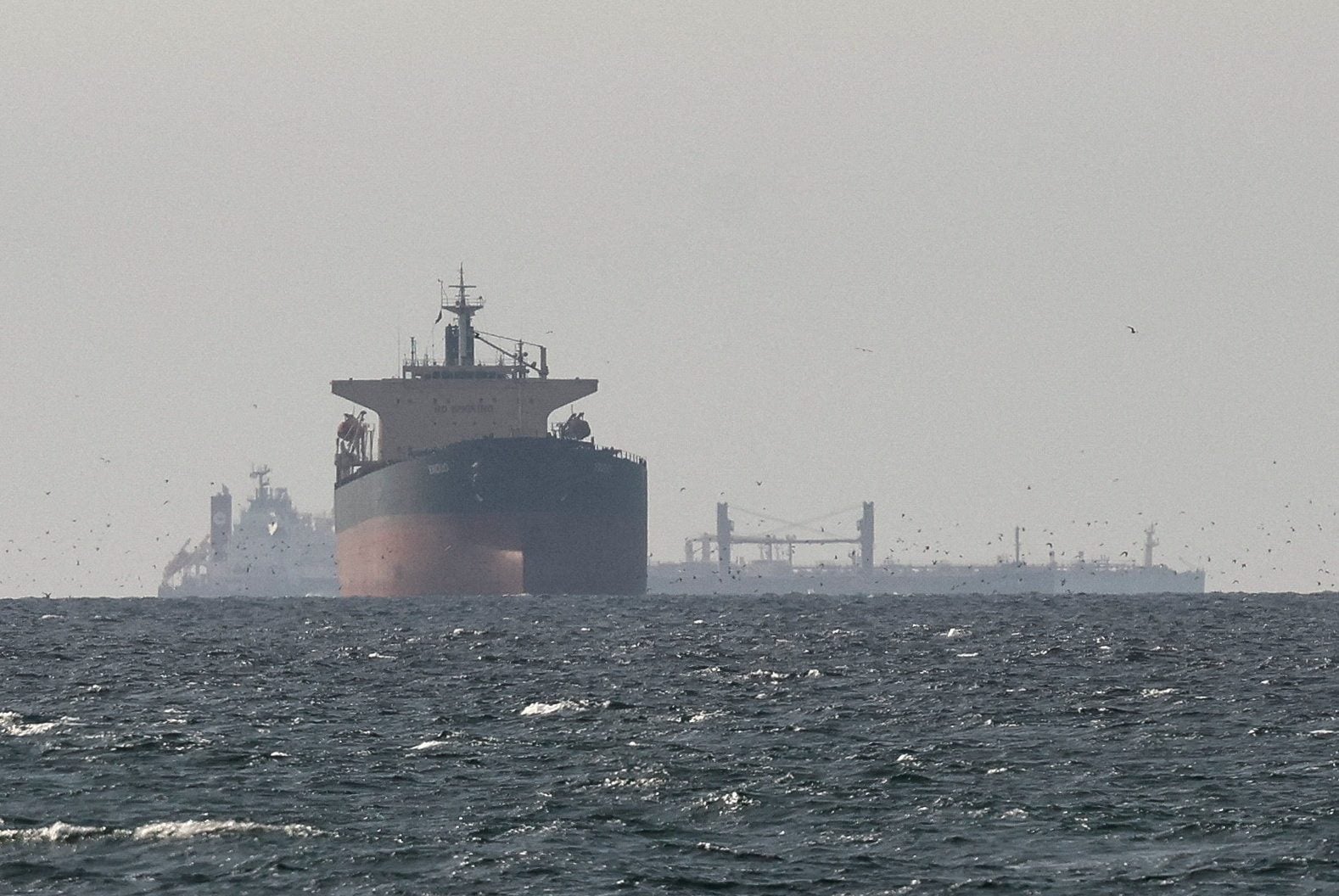
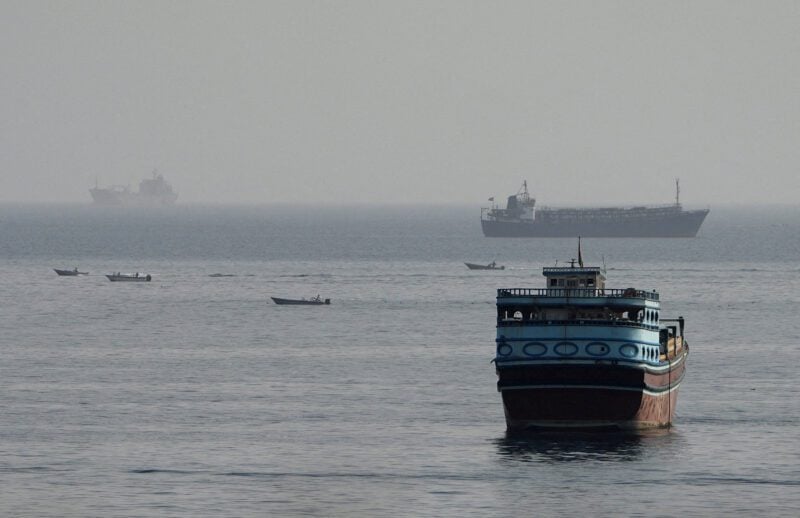
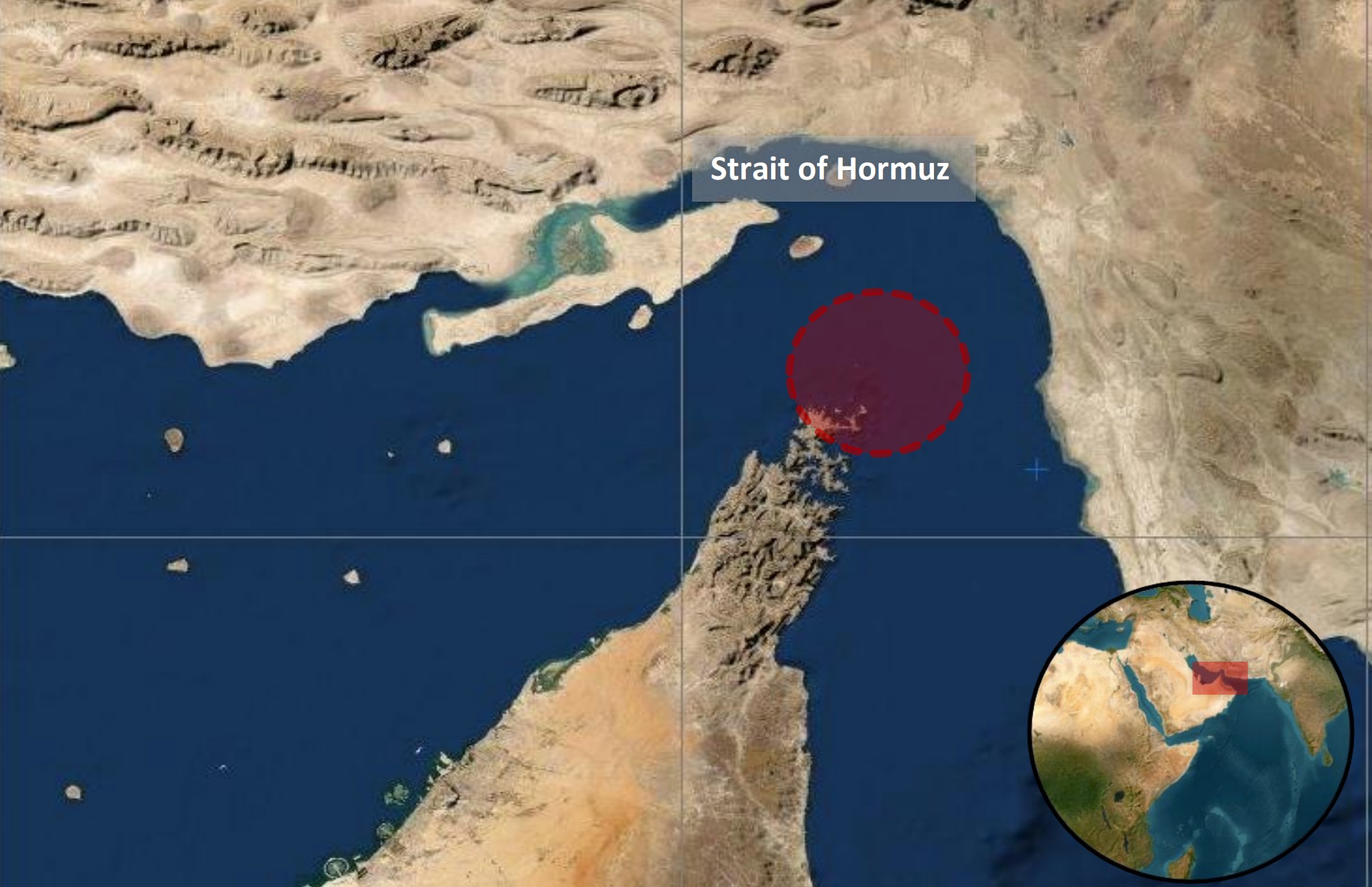
On 5 October, UK Maritime Trade Operations reported five incidents involving commercial shipping in or near the Strait of Hormuz, including four tanker attacks and an IRGC threat against another vessel. CENTCOM said US forces had redirected the 130th commercial vessel and had disabled three vessels and destroyed 13 others during the preceding 12 weeks. Bloomberg and Kpler tracking estimates indicate no Iranian crude loadings in September and about 15 million barrels still afloat at the start of October, while United Against Nuclear Iran reported at least 50 laden tankers backed up near Iran. In Yemen, the internationally recognised government announced Operation Dawn of Yemen and Saudi Arabia reported strikes on hundreds of targets. Government claims of gains around Bab el-Mandeb and Mokha conflict with Houthi denials and other reports of continued fighting. Separately, 12 US B-1 bombers left RAF Fairford for home stations in the United States.
Change from previous assessment
Since the 5 October brief, reporting has shifted the assessment from general shipping risk and prospective force movements to specific blockade enforcement and incident counts: CENTCOM reported 130 vessel diversions, and UKMTO reported five shipping incidents on 5 October. New tracking estimates indicate no Iranian crude loadings in September, but substantial oil remains afloat, contradicting the US Treasury Secretary's claim that none remains on the water. Yemen's announced offensive is now accompanied by competing claims over Bab el-Mandeb, Dhubab, Mokha and Taiz. The report that 12 B-1 bombers left RAF Fairford reduces the visible forward bomber presence, but does not establish a change in US strike intent. Confidence has increased in the assessment that blockade enforcement is active; attribution and battlefield-control judgments remain contested.
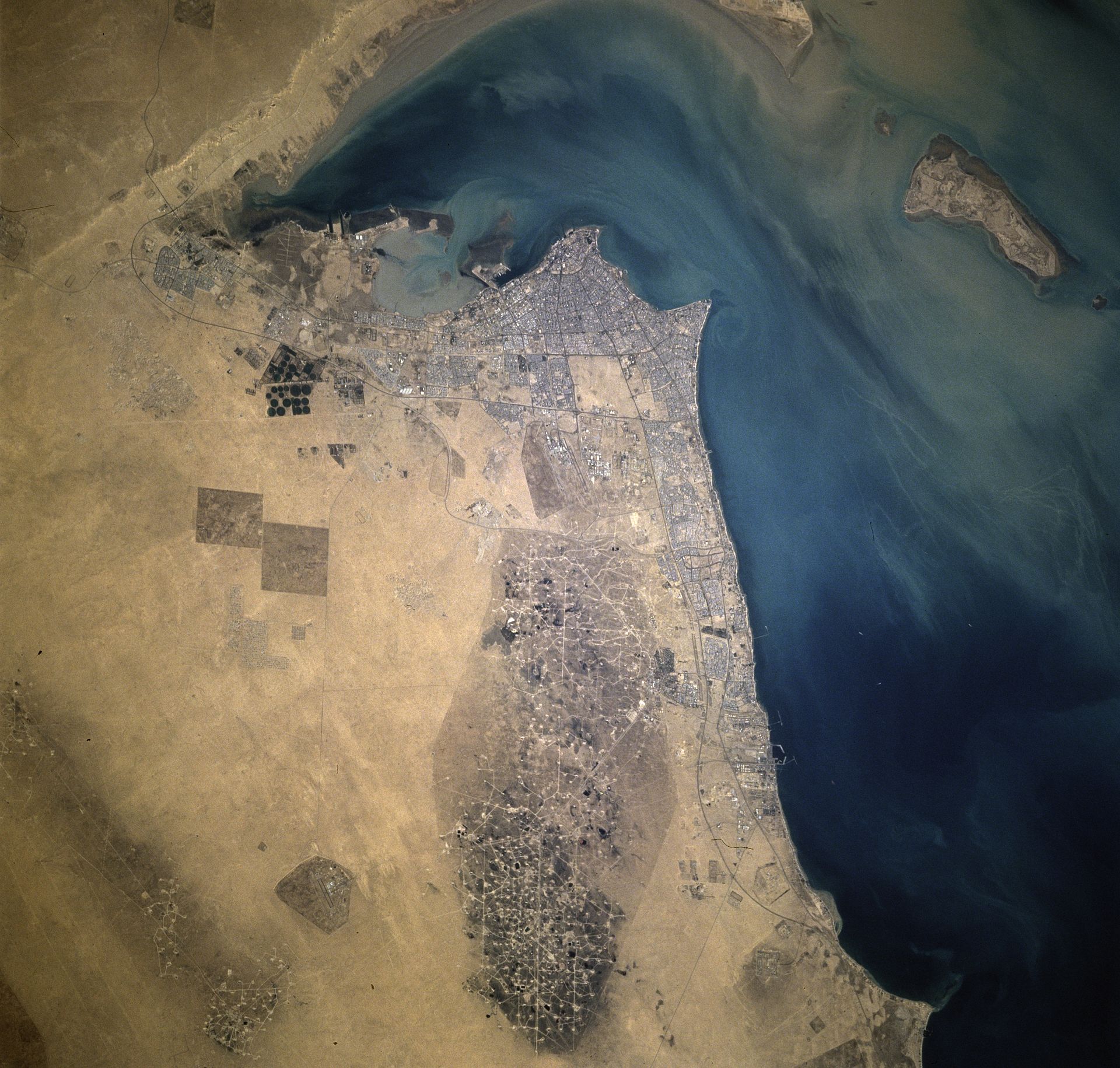
Key judgments
- US forces are very likely to continue enforcing the naval blockade against Iranian ports over the next 0-14 days. CENTCOM reported that US forces redirected the 130th commercial vessel on 5 October and had disabled three vessels and destroyed 13 commercial vessels during the preceding 12 weeks. Those figures and the stated enforcement intent come from US military reporting and do not independently establish the blockade's full scope. (Confidence: medium · ASSESSED)
- I&W: Confirm: CENTCOM reports additional vessel diversions or disables another vessel attempting to reach or leave an Iranian port. (0-14 days)
- I&W: Break: CENTCOM announces a suspension of blockade enforcement or stops reporting vessel diversions. (0-14 days)
- Further attacks or threats against commercial shipping in the Strait of Hormuz are likely over the next 0-14 days. UK Maritime Trade Operations reported five incidents on 5 October, including four tanker attacks; JMIC separately documented four tanker attacks between 2 and 3 October. The attacker in the 5 October projectile strike remains unidentified in the incident reporting, despite a separate report attributing an attack off the Musandam Peninsula to Iran. (Confidence: medium · ASSESSED)
- I&W: Confirm: UKMTO issues another warning of a tanker strike or IRGC threat in or near the Strait of Hormuz. (0-14 days)
- I&W: Break: UKMTO and JMIC report no new attacks or threats and commercial transits continue without new incident warnings. (0-14 days)
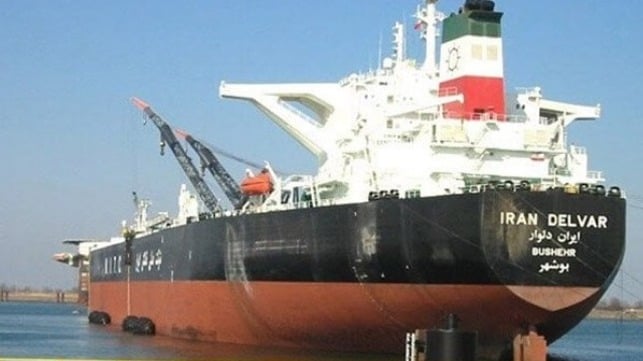
- Iranian crude exports are very likely to remain severely constrained over the next 0-14 days, but the claim that no Iranian oil remains afloat is contradicted by vessel-tracking reports. Bloomberg's preliminary estimate put September loadings at zero, and United Against Nuclear Iran reported no tanker loading at Kharg Island on 5 October. Kpler estimated about 15 million barrels remained afloat at the start of October, while United Against Nuclear Iran reported at least 50 laden tankers backed up near Iran. These estimates differ in scope and source, and the Bloomberg figure is preliminary. (Confidence: medium · ASSESSED)
- I&W: Confirm: Updated Bloomberg or Kpler tracking continues to show no new Iranian crude loadings while estimates of afloat Iranian crude decline. (0-14 days)
- I&W: Break: Vessel tracking confirms crude loading at Kharg Island or renewed Iranian crude cargoes departing the Gulf. (0-14 days)
- The Yemeni government and Saudi-led coalition are very likely to sustain offensive operations over the next 0-14 days, but control of Bab el-Mandeb, Dhubab and Mokha is not established. Rashad al-Alimi announced Operation Dawn of Yemen, and the Saudi-led coalition said its aircraft had destroyed 324 high-value targets. Government-aligned sources claimed gains at Dhubab and Bab el-Mandeb; the Houthis denied those gains, while other reports described continued fighting and conflicting accounts of the advance on Mokha and the road near Taiz. The UN migration agency reported about 184,000 people displaced in Yemen since the war resumed. Houthi-run health authorities reported two dead and seven wounded in strikes in Sanhan and Sa'wan; the exact casualty figures remain unverified. (Confidence: medium · ASSESSED)
- I&W: Confirm: New Saudi-led coalition strikes or IRG advances are reported around Dhubab, Mokha or Taiz. (0-14 days)
- I&W: Break: The parties announce a halt to operations, or independent reporting establishes that the offensive has stopped and front lines are no longer changing. (0-14 days)
- Hormuz crude flows had recovered to nearly 80 per cent of pre-war levels by 26 September, but that figure does not establish normal or safe passage. Kpler put the seven-day average at 14.2 million barrels per day; UKMTO's subsequent incident reports and continued Gulf cargo movements show that commercial transits coexist with attacks and threats. The flow estimate is dated and does not establish the current volume. (Confidence: medium · ASSESSED)
- I&W: Confirm: Updated Kpler flow data remain near or above the reported 14.2 million barrels per day while UKMTO continues to report shipping incidents. (0-14 days)
- I&W: Break: Updated flow data fall materially below the 26 September level or maritime advisories document a sustained halt in commercial transits. (0-14 days)
Outlook & scenarios
Blockade enforcement and hazardous passage persist (55%)
Over the next 0-14 days, US forces continue redirecting vessels bound for Iranian ports, Iranian crude remains largely unable to load, and tanker attacks or threats continue in the Strait of Hormuz. Gulf producers maintain some commercial traffic despite the risks.
Shipping recovery proceeds without a settlement (30%)
Gulf producers continue sending cargoes through Hormuz and reported crude flows hold near recent recovery levels. US blockade enforcement remains in place, Iranian crude stocks afloat drain gradually, and attacks do not stop commercial transits.
Regional escalation after a lethal attack (15%)
A further attack on a tanker or Saudi energy infrastructure causes substantial casualties or damage. Saudi Arabia expands its response in Yemen, US forces intensify blockade enforcement, and Iranian military warnings are followed by broader regional military action. This is a low-probability, high-impact outcome; current reporting does not establish who carried out the recent Hormuz attacks.
Recommendations
- Maintain a daily incident log for UKMTO and JMIC reports in the Strait of Hormuz. Reconcile incident dates and counts, and keep attacker attribution separate from confirmed vessel damage.
- Track CENTCOM's vessel-diversion tally alongside Kpler, Bloomberg and United Against Nuclear Iran shipping estimates. Distinguish crude already loaded and afloat from new loadings, and flag preliminary or advocacy-group estimates.
- Prioritise verification of control around Bab el-Mandeb, Dhubab airstrip and Mokha. Compare government, Houthi and independent reporting before using territorial-control claims in assessments.
- Monitor Taiz front-line reporting and humanitarian updates from the UN migration agency. Record displacement figures separately from casualty claims made by Houthi-run bodies.
- Compare updated Hormuz flow estimates with UKMTO incident reports and tanker freight rates. Do not treat aggregate export recovery as evidence that transit is safe or that the strait has normalised.
Confidence & uncertainty
Overall confidence is high in the broad situation picture because UKMTO and JMIC reporting, CENTCOM's blockade tally, and separate Kpler and Bloomberg tracking estimates converge on persistent shipping risk and severe constraints on Iranian crude exports. Confidence is lower on attacker attribution, the volume of oil still afloat and territorial control in Yemen. Some market estimates are preliminary, and several battlefield claims come from parties to the fighting.
Intelligence gaps
- [EEI 1.2 · PARTIAL] Changes in US or Iranian force posture indicating preparation for further attacks, including aircraft dispersal, missile-unit movement, naval sortie activity, or air-defense activation. Recommended collection: satellite imagery/aviation and maritime tracking
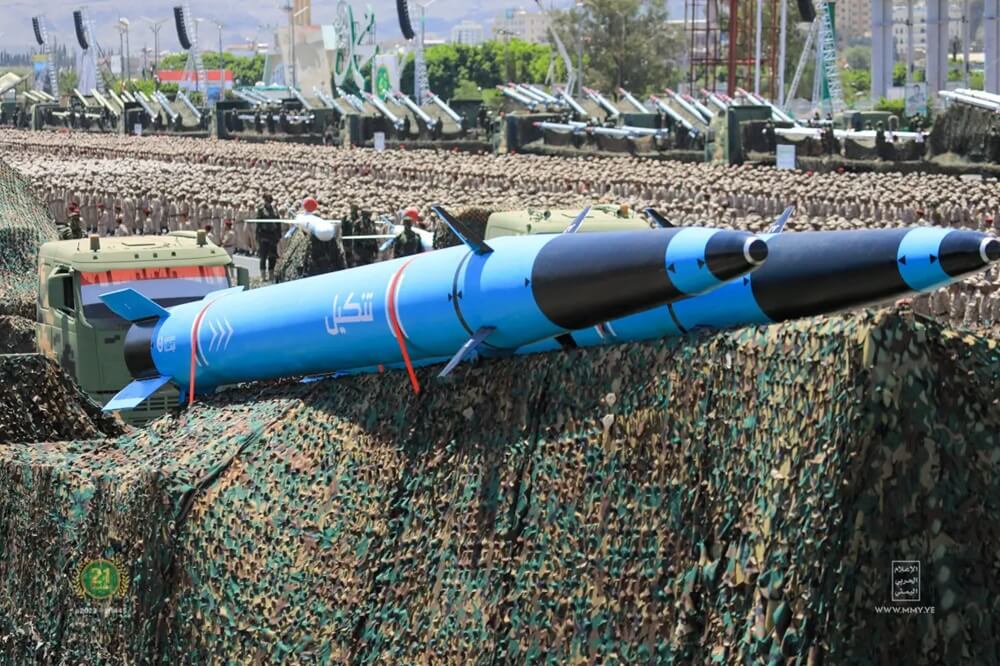
- [EEI 2.1 · PARTIAL] Deployment or repositioning of Iranian ballistic missiles, cruise missiles, drones, fast-attack craft, or other strike assets within operational range of US or partner targets. Recommended collection: satellite imagery/signals intelligence
- [EEI 2.3 · UNCOVERED] Iranian diplomatic messages, intermediary contacts, or de-escalation proposals directed to the United States or regional governments. Recommended collection: diplomatic reporting/official statements
- [EEI 2.4 · UNCOVERED] Changes in Iranian military alert levels, command activity, weapons dispersal, or continuity-of-government measures. Recommended collection: signals intelligence/satellite imagery
- [EEI 3.1 · PARTIAL] Arrival or departure of US carrier strike groups, bombers, air-defense units, special operations forces, or additional personnel in the region. Recommended collection: maritime and aviation tracking
- [EEI 3.2 · UNCOVERED] Changes to US force-protection conditions, base access, evacuation plans, embassy staffing, or noncombatant evacuation preparations. Recommended collection: official notices/diplomatic reporting
- [EEI 3.3 · PARTIAL] Presidential, Pentagon, or theater-command statements describing authorized response options, expanded objectives, or revised rules of engagement. Recommended collection: official statements
- [EEI 3.4 · UNCOVERED] US or coalition kinetic actions against Iranian territory, military infrastructure, or aligned groups following new exchanges. Recommended collection: military reporting/open-source imagery
- [EEI 4.3 · PARTIAL] Regional government decisions to close airspace or waterways, raise military readiness, expel personnel, or request additional US or allied forces. Recommended collection: official statements/aviation and maritime notices
Cited sources
[1] gCaptain · Five Hormuz Incidents Reported Monday as Tanker Attacks Mount (C) · 5 October 2026 · sha256:7d29fb9ec75b [2] gCaptain · US Blockade Bottles Up Dozens of Iranian Tankers, Nonprofit Says (C) · 6 October 2026 · sha256:5d235cdcec4f [3] The Maritime Executive · UKMTO: Tanker's Engine Room On Fire After Latest Hormuz Attack (C) · sha256:4d2ac849ea98 [4] The Maritime Executive · Iran’s Floating Oil Stocks Run Dry (C) · sha256:7e96d42235f8 [5] BBC News · Yemeni military says it has retaken Mokha and 'secured' Red Sea waterway (A) · 5 October 2026 · sha256:ed6cabf000bf [6] Reuters (republished by gCaptain) · Saudi-Backed Forces Claim Control of Bab el-Mandeb Strait (A) · 5 October 2026 · sha256:13a171d6d7bc [7] The Maritime Executive · Houthis Face Being Cut Off on Yemeni Coast (C) · sha256:f9851b7ae047 [8] gCaptain · Opinion: Oil's New Problem Isn't Supply. It's Logistics (C) · 5 October 2026 · sha256:928c997559ab [9] gCaptain (republishing Bloomberg) · Kuwait Oil Output at 75% of Prewar as Hormuz Transits Rise (C) · 5 October 2026 · sha256:5957bc21d3a0
Source content hashes were computed at collection time; the cited text is preserved unmodified for the life of this product.
Red cell review: CONCUR WITH COMMENT
TLP:CLEAR