TLP:CLEAR · Disclosure is not limited.
US, Iran: Ceasefire Collapses, Strikes Exchange, and Hormuz Blockade Tightens
Time window: Last 7 days · Audience: General analyst · Type: Situation report · DTG: 2026-07-09 12:13Z · Overall confidence: MEDIUM
BLUF
The interim ceasefire has collapsed as the United States hit over 80 Iranian targets on 8 July and roughly 90 more on 9 July, and Iran struck US-linked sites in Bahrain and Kuwait. With the Strait of Hormuz still blocked and shipping under fire, oil spiked 6 percent on 8 July; a near‑term tit‑for‑tat is likely.
Executive summary
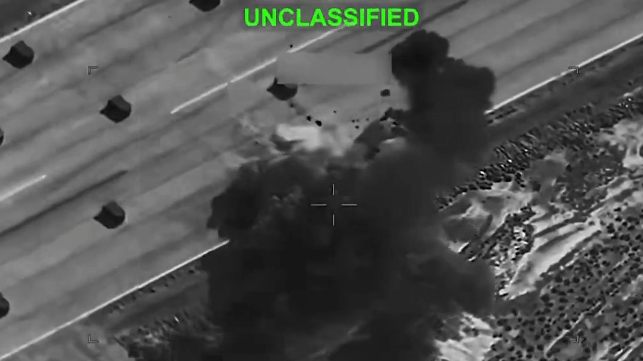
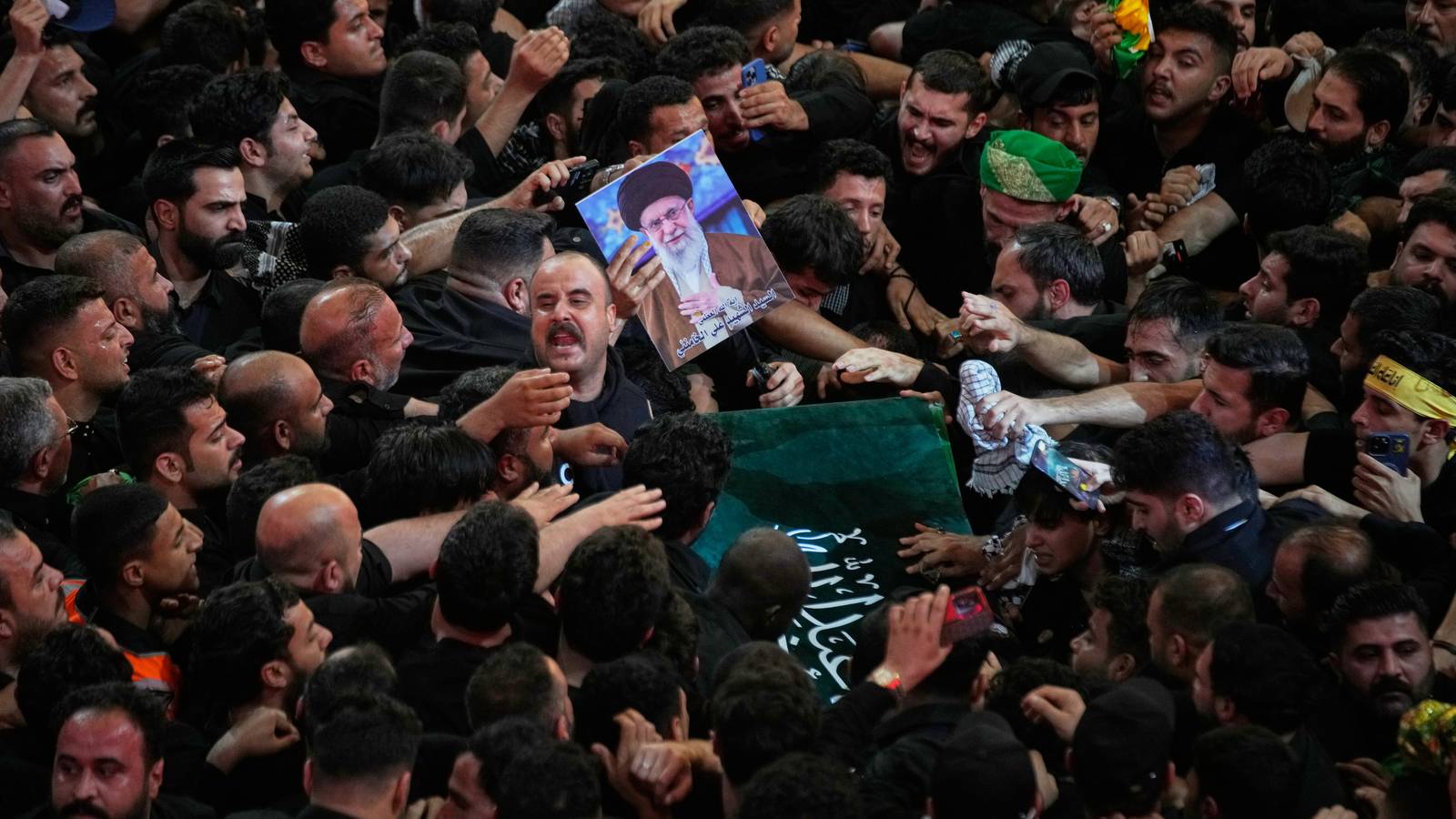
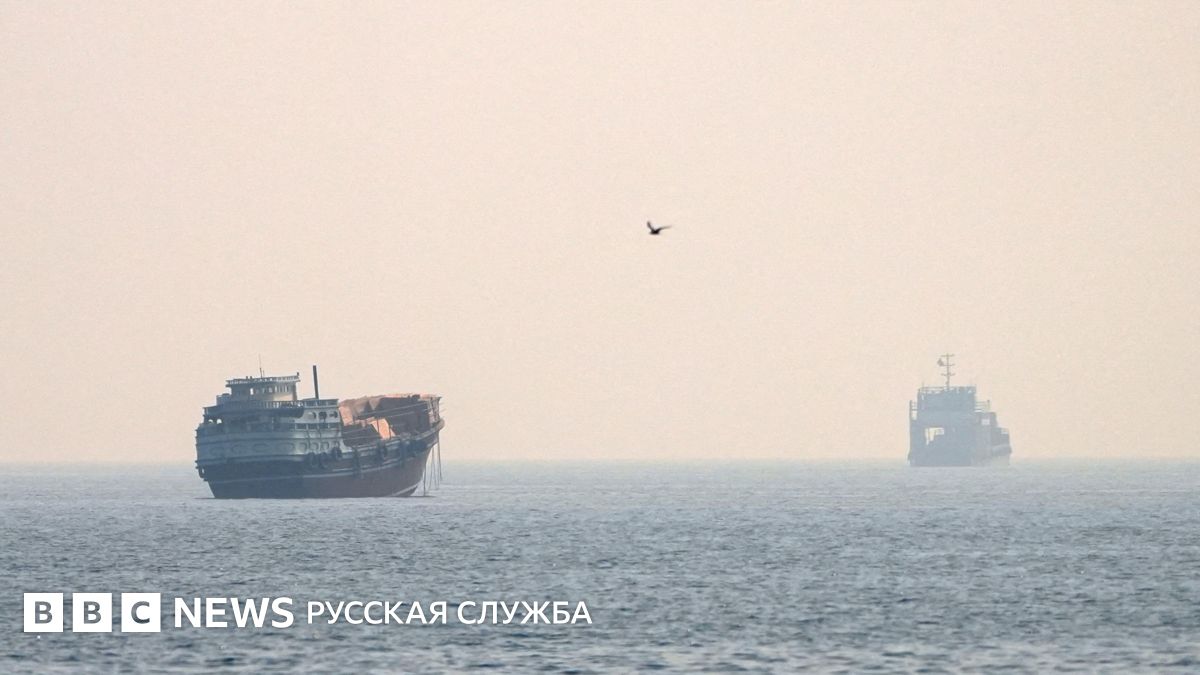
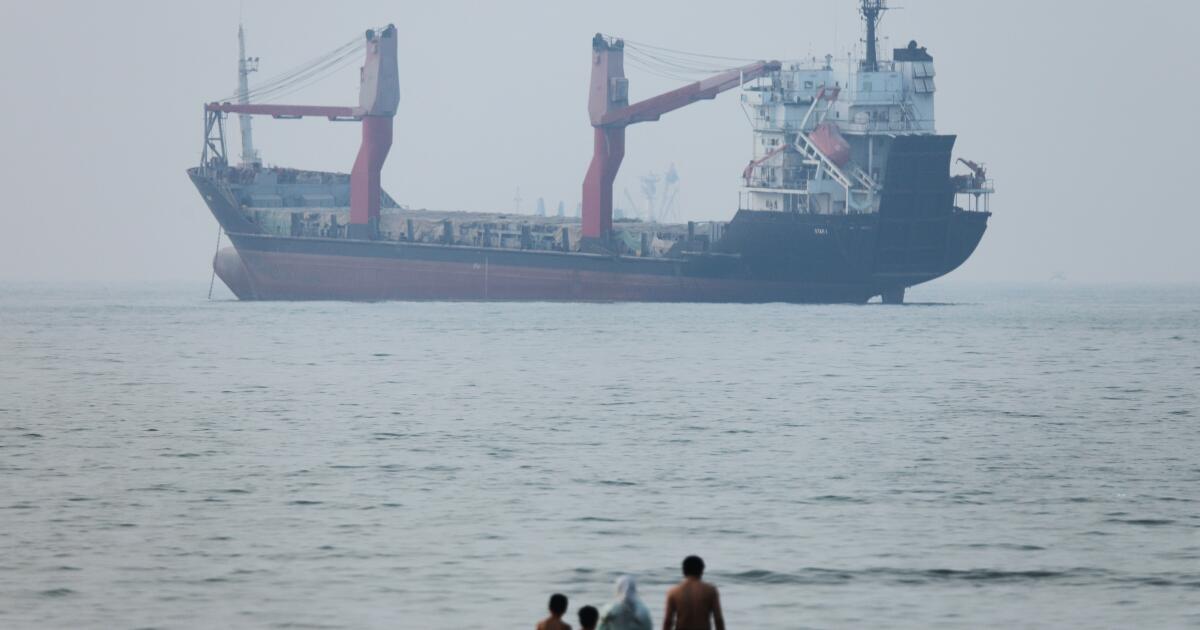
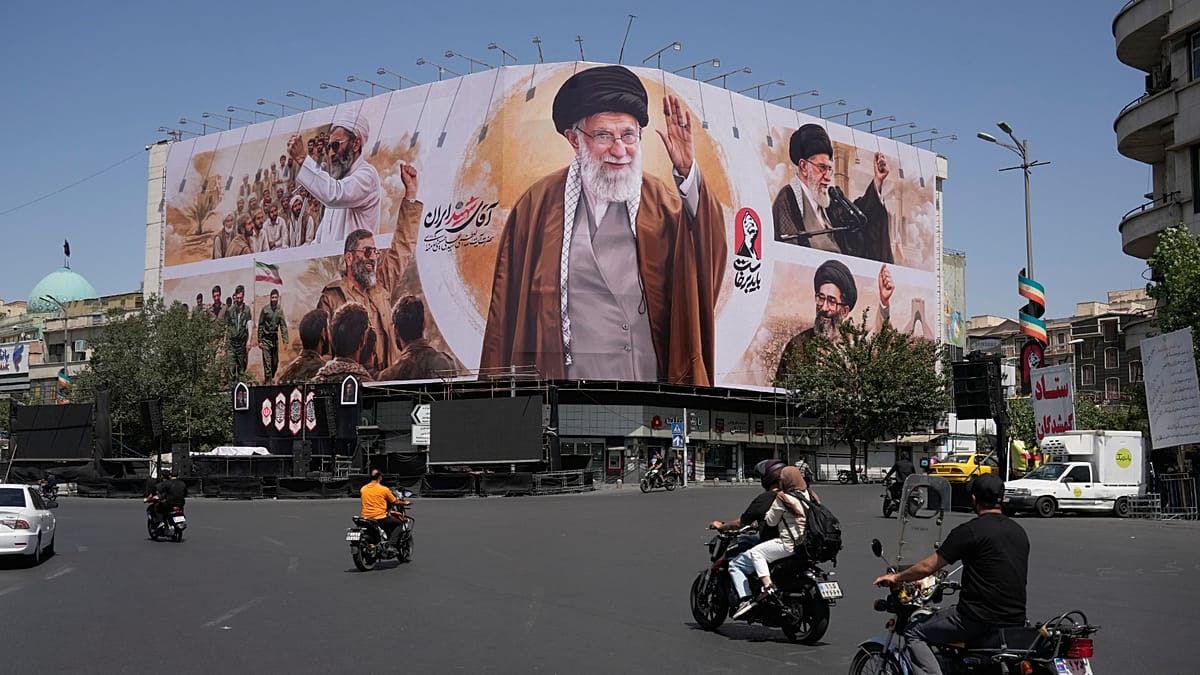
Washington resumed large-scale strikes on Iran on 7-9 July, officially declaring the ceasefire over. US targeting included air defence systems, naval facilities, logistics nodes and, for the first time since April, bridges and rail, with explosions reported in multiple southern coastal cities and near Bushehr. Tehran responded by firing missiles and drones at US-linked military sites in Bahrain and Kuwait, where intercepts were reported and one person was wounded by debris. The maritime trigger was Iranian attacks on three commercial vessels in or near Omani waters by the Strait of Hormuz, which Iran has kept blocked, squeezing energy markets. Oil rose 6 percent and equities dipped on 8 July. Negotiations were suspended during ceremonies for the late Supreme Leader Ali Khamenei; Iranian officials say Hormuz will only reopen on Iranian terms, while Washington warns of harsher action if shipping is hit again.
Key judgments
- Active hostilities have resumed and the interim US, Iran ceasefire has collapsed since 8-9 July, with Washington conducting successive strike waves on Iranian targets and Tehran attacking US-linked sites in Bahrain and Kuwait. This is very likely to persist in the near term. (Confidence: high · REPORTED)
- I&W: Another public CENTCOM release describing new strikes on Iranian territory within the next reporting cycle (0-14 days)
- I&W: Official announcement by Washington and Tehran of a renewed truce with a verified halt in cross‑border strikes for 14 consecutive days (1-3 months)
- US strikes concentrated on Iran’s southern coast lining the Strait of Hormuz and targeted air defence systems, naval facilities, missile and drone depots, and logistics infrastructure; bridges and rail links, including the Aq Tekeh Khan rail bridge near Aqqala and a section of the Tehran, Mashhad railway, were also hit. US reporting cites over 80 targets on 8 July and about 90 more on 9 July, though totals vary across sources. (Confidence: medium · REPORTED)
- I&W: High‑resolution satellite imagery confirming damage to the Aq Tekeh Khan rail bridge at Aqqala and to a named segment of the Tehran, Mashhad line (0-14 days)
- I&W: Independent imagery and ground reporting show bridges and rail at the named locations remain intact, contradicting strike claims (0-14 days)
- Iran’s response focused on US military sites in Bahrain and Kuwait, with air defences reporting multiple intercepts and one injury from falling debris in Kuwait; it is likely that some drones or missiles reached the vicinity of US facilities, but Tehran’s claim of destroying 85 installations is almost certainly inflated. (Confidence: medium · ASSESSED)
- I&W: Commercial satellite imagery shows new impact sites or fire damage at Ali Al Salem Air Base or US naval facilities in Bahrain (0-14 days)
- I&W: Verified strikes against GCC petroleum or desalination assets, indicating a shift away from military-only targeting (0-14 days)
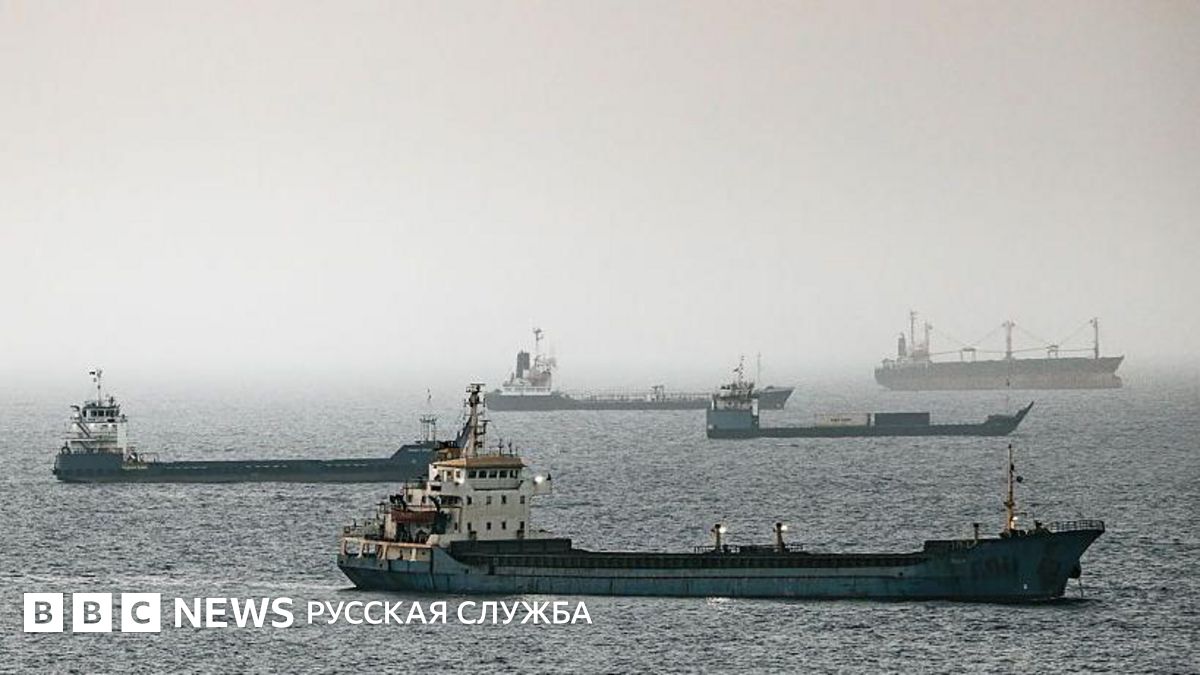
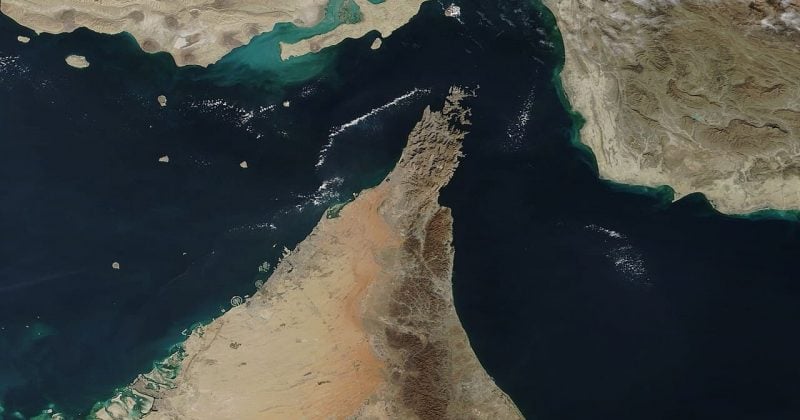
- Iranian attacks on commercial vessels near the Strait of Hormuz on 6-7 July triggered US strike packages; Iran has kept the strait blocked, threatening a major share of global oil supply, which, combined with the shipping attacks, drove a 6 percent oil price jump and an opening dip in equities on 8 July while importers such as Indonesia faced higher fuel costs. (Confidence: high · REPORTED)
- I&W: Persistent absence of laden oil and LNG tanker transits through Hormuz on AIS tracks for seven consecutive days (0-14 days)
- I&W: Multiple tanker convoys complete two‑way Hormuz transits without incident under declared escort regimes (1-3 months)
- US strikes killed at least 14 and wounded 78 in Iran over 8-9 July, including one fatality at an airport building in Iranshahr; reported damage includes rail bridges and explosions in southern coastal cities and near the Bushehr nuclear plant perimeter. (Confidence: medium · REPORTED)
- I&W: Iranian authorities publish updated casualty lists consistent with 14 dead and 78 wounded from 8-9 July strikes (0-14 days)
- I&W: IAEA or Iranian officials provide public status updates confirming no damage to the Bushehr plant core facilities (0-14 days)
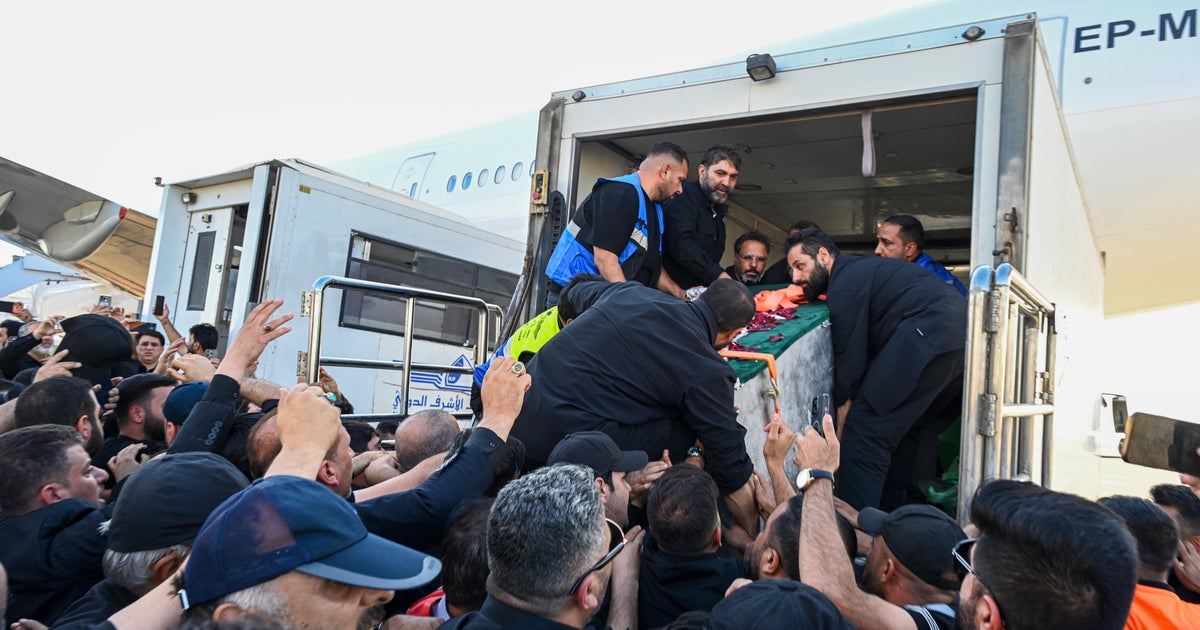
- Meaningful de‑escalation is unlikely before the late Supreme Leader’s burial on 9 July and a resumption of any talks, given both sides’ hardened positions over control of Hormuz and explicit warnings of harsher action if shipping is attacked again. (Confidence: medium · ASSESSED)
- I&W: No formal meeting scheduled and continued coercive public statements on Hormuz from both sides through the week after the burial (0-14 days)
- I&W: Public schedule of renewed US, Iran talks released by mediators within two weeks of the funeral (0-14 days)
Outlook & scenarios
Managed tit‑for‑tat confined to Gulf theatre (60%)
US conducts intermittent strike waves of the 80-90 target scale against coastal air defence, naval and logistics nodes along the Strait of Hormuz. Iran continues to fire missiles and drones at US military sites in Bahrain and Kuwait, largely avoiding GCC petroleum infrastructure. The Hormuz blockade and shipping risk persist, with periodic market spikes and no formal talks beyond backchannels.
Regional widening with critical‑infrastructure targeting (35%)
Tehran expands beyond US military sites to strike GCC petroleum or desalination facilities and steps up long‑range fire at Israel and US‑aligned Arab states. Washington intensifies target sets inland and may consider coercive options against strategic energy nodes such as Kharg Island, while precision strikes recur near sensitive facilities like Bushehr. Energy markets price in prolonged disruption and insurers raise premiums for Gulf calls.
Conditional pause after mourning period (25%)
Following Khamenei’s burial, both sides reduce tempo and quietly re‑engage via mediators. Limited naval deconfliction emerges while maritime traffic begins to resume under Iranian ‘arrangements’, with continued rhetorical sparring and a fragile hold on major kinetic actions pending further talks.
Recommendations
- Prioritise collection of commercial satellite imagery over: the Aq Tekeh Khan rail bridge near Aqqala, identified segments of the Tehran, Mashhad railway, Sirik port area, Bushehr nuclear plant perimeter, and coastal cities along the Strait of Hormuz that reported explosions. Establish a before‑and‑after baseline to validate claimed US target effects.
- Establish a Hormuz maritime watch floor: fuse AIS tracks with shipping alerts to flag any laden oil or LNG convoy attempts and any loitering patterns near Omani waters where three vessels were attacked. Maintain a running list of affected hulls and flag states, including Qatari interests.
- Build a structured dataset of Iranian strikes and GCC intercepts: log time, launcher type if reported, intercept outcomes, and location for Bahrain and Kuwait. Use this to assess Iranian accuracy, volume, and any shift from military to economic targets.
- Task economic monitoring to correlate event timing with price moves: track intraday Brent and WTI, tanker day rates and equity index openings around strikes and shipping incidents to inform risk briefings.
- Exploit authoritative channels for diplomatic intent: monitor CENTCOM releases, US presidential statements on shipping and potential escalatory options, and Iranian Foreign Ministry and negotiator posts on control of Hormuz and MoU compliance.
- Use NASA FIRMS thermal detections as a cueing layer for suspected strike sites in southern Iran and along rail corridors, then validate with higher‑resolution imagery to discriminate industrial fires from kinetic damage.
- Prepare indicators and thresholds for a shift to critical‑infrastructure targeting in the GCC: identify named petroleum and desalination assets most at risk and set alerting for any credible reports of attacks or abnormal shutdowns.
- Coordinate with maritime security counterparts to update routing and risk advisories in line with continued IMO‑style guidance to avoid Hormuz and any confirmed reopening under Iranian ‘arrangements’.
Confidence & uncertainty
Multiple independent major media and official statements corroborate the resumption of US strikes, Iranian retaliatory fire into Bahrain and Kuwait, the declared end of the ceasefire, attacks on shipping and the ongoing Hormuz blockade. Target sets and casualty figures are broadly consistent across sources, but there are unresolved variances in reported numbers of targets struck, the extent of damage claimed by Iran against US facilities, and the precise location and scale of infrastructure hits. Some elements rely on single‑side reporting and claims that are likely propagandistic, keeping the headline confidence at medium rather than high.
Alternative analysis (red cell)
The reporting indicates kinetic exchanges occurred in early July, but the record is internally inconsistent on timing, scale, and effects. Independent geolocated imagery, neutral battle-damage assessments, and host-nation confirmations are largely absent for many high-impact claims (target lists, casualty totals, and alleged Iranian successes). A more cautious estimate is that episodic strikes and attempted retaliatory launches took place with uncertain effectiveness and ambiguous implications for a durable collapse of the ceasefire.
Cited sources
[1] Wikipedia · 2026 Iran war (B) · sha256:5679ee6b421a [2] Los Angeles Times · Iran ceasefire is 'over,' Trump says, and orders additional strikes - Los Angeles Times (A) · sha256:1ad6a6524b46 [3] cnn.com · The US is striking Iran again. Can it ever deliver a knockout blow? | CNN (A) · sha256:1021dcad8e0b [4] military.com · US and Iran Exchange Intensifying Fire Across the Gulf, Threatening the Interim Deal to End War (A) · sha256:294c5b79b00f [5] haaretz.com · U.S. military launches second straight night of attacks as Iran says it struck American bases in the Gulf (A) · sha256:0b599b0a122d [6] Al Jazeera · Why have US-Iran strikes resumed and what does it mean for peace? (A) · sha256:33fed5272a61 [7] USA Today · Iran ceasefire 'over,' Trump says. What's the status of peace talks? (A) · sha256:93a5bb114bec [8] BBC News Русская служба · США и Иран обменялись новыми ударами, Трамп заявил, что «для него» перемирие закончилось - BBC News Русская служба (A) · sha256:1e475bf21bf0 [9] BBC News Русская служба · «Они не заслуживают сделки». США заявили о 170 ударах по Ирану за двое суток, Тегеран — об атаках на американские базы - BBC News Русская служба (A) · sha256:b2132426acb5 [10] newsru.co.il · США нанесли удары по более чем 80 целям в Иране после атак КСИР на суда в Ормузском проливе - NEWSru.co.il (A) · sha256:5caa644a6075 [11] maritime-executive.com · U.S. and Iran Continue to Exchange Strikes in Dispute Over Hormuz (B) · sha256:a8d2eafbdb1d [12] huffpost.com · U.S. Launches New Airstrikes On Iran And Tehran Fires Back At Gulf Arab States (B) · sha256:bdcca8b49d5a [13] Euronews · Режим прекращения огня с Ираном завершен - Дональд Трамп (A) · sha256:6a189e5aab1c [14] lenta.ru · «Новые удары масштабнее предыдущих». США атаковали Иран из-за нападений в Ормузском проливе (B) · sha256:9eae6f7e1ed8 [15] cryptobriefing.com · Iran blocks Strait of Hormuz, threatening global oil supply amid conflict (B) · sha256:726861c72492 [16] gcaptain.com · First LNG Cargo Ships from TotalEnergies' Mexican Plant Energia Costa Azul (B) · sha256:61dc565dab80 [17] gcaptain.com · Indonesia Gets First Russian Oil Shipment After Deal with Moscow (B) · sha256:57b6e3885c03 [18] CBS News · Live Updates: Iran says 14 killed in U.S. strikes as war ramps back up ahead of Khamenei's burial (A) · sha256:760e9096133a [19] newsru.co.il · Армия США нанесла новую серию ударов по целям Иране - NEWSru.co.il (B) · sha256:08a3e66bd80d [20] gcaptain.com · Trump Says US Ceasefire With Iran Is ‘Over’ After Strikes (A) · sha256:5af0b45f6c68 [21] foxnews.com · Trump says 'Iran lies and cheats' as IRGC emerges as dominant force in negotiations with US (B) · sha256:dd2bf4abc244 [22] Newsweek · Former NATO commander says Trump has 3 options on Iran amid new strikes (B) · sha256:9c4f47266308 [23] theguardian.com · First Thing: Trump calls Iran’s leaders ‘scum’ and declares fragile ceasefire over (A) · sha256:537ee2cbe3fb
Source content hashes were computed at collection time; the cited text is preserved unmodified for the life of this product.
Red cell review: PARTIAL DISSENT
TLP:CLEAR