TLP:CLEAR · Disclosure is not limited.
US, Iran ceasefire framework meets hard realities at Hormuz and along the Israel, Lebanon front
Time window: Last 7 days · Audience: General analyst · Type: Situation report · DTG: 2026-06-18 18:11Z · Overall confidence: MEDIUM
BLUF
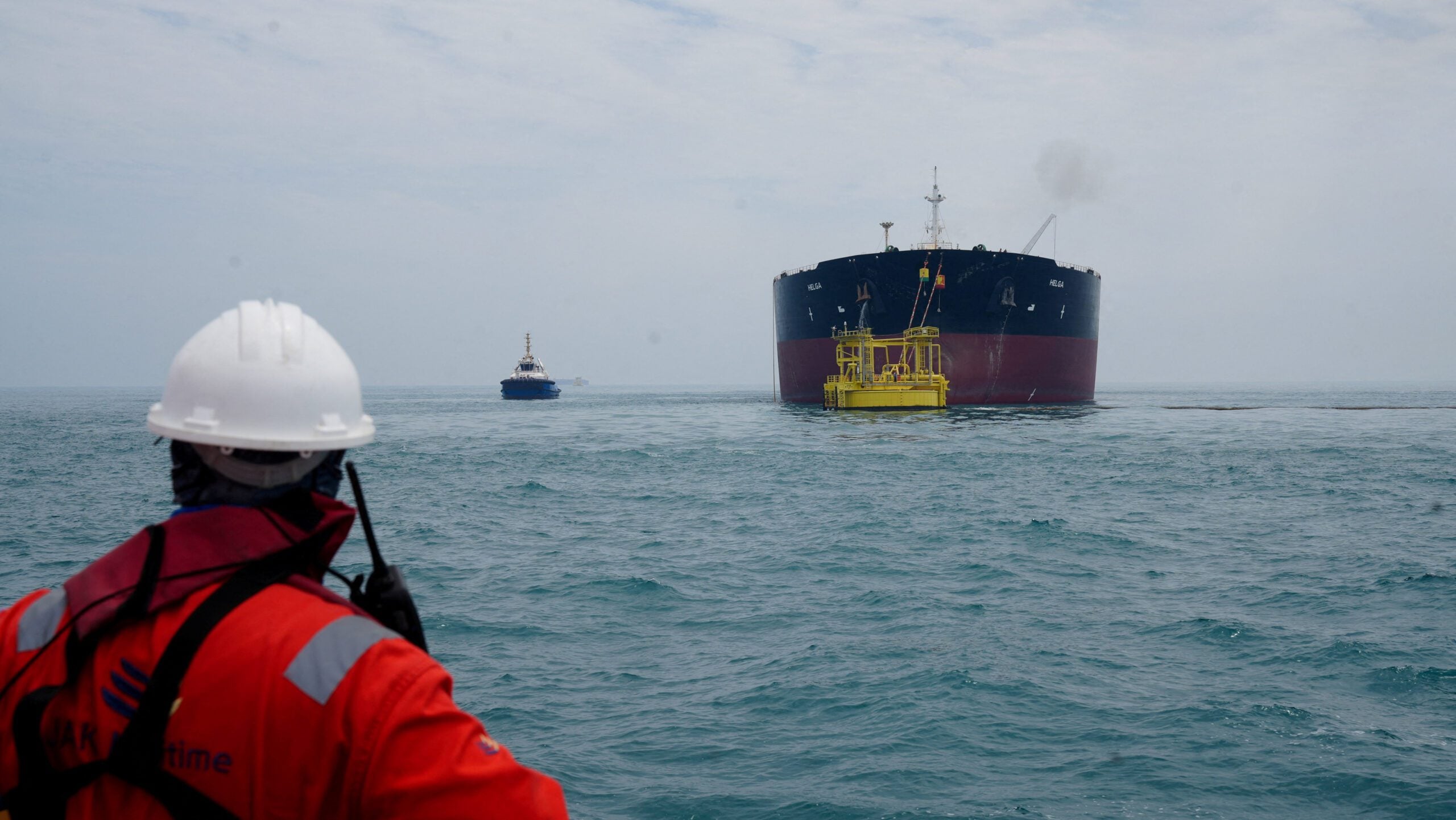
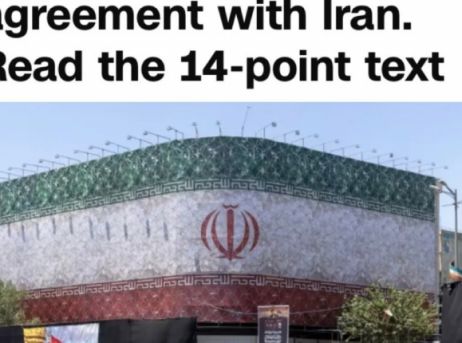
Washington and Tehran have announced a memorandum to cease hostilities and reopen the Strait of Hormuz, but fighting between Israel and Hezbollah continues and the central strait remains mined. Maritime traffic is inching back via a constrained southern lane while major carriers hold off, keeping energy and security risks elevated in the near term.
Executive summary
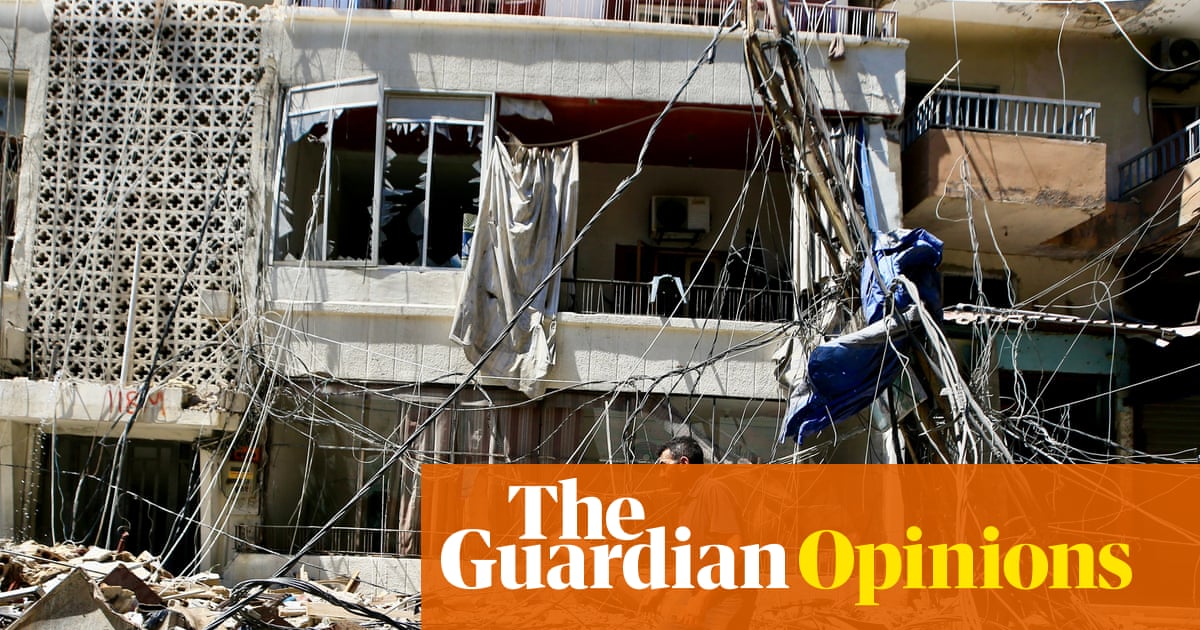
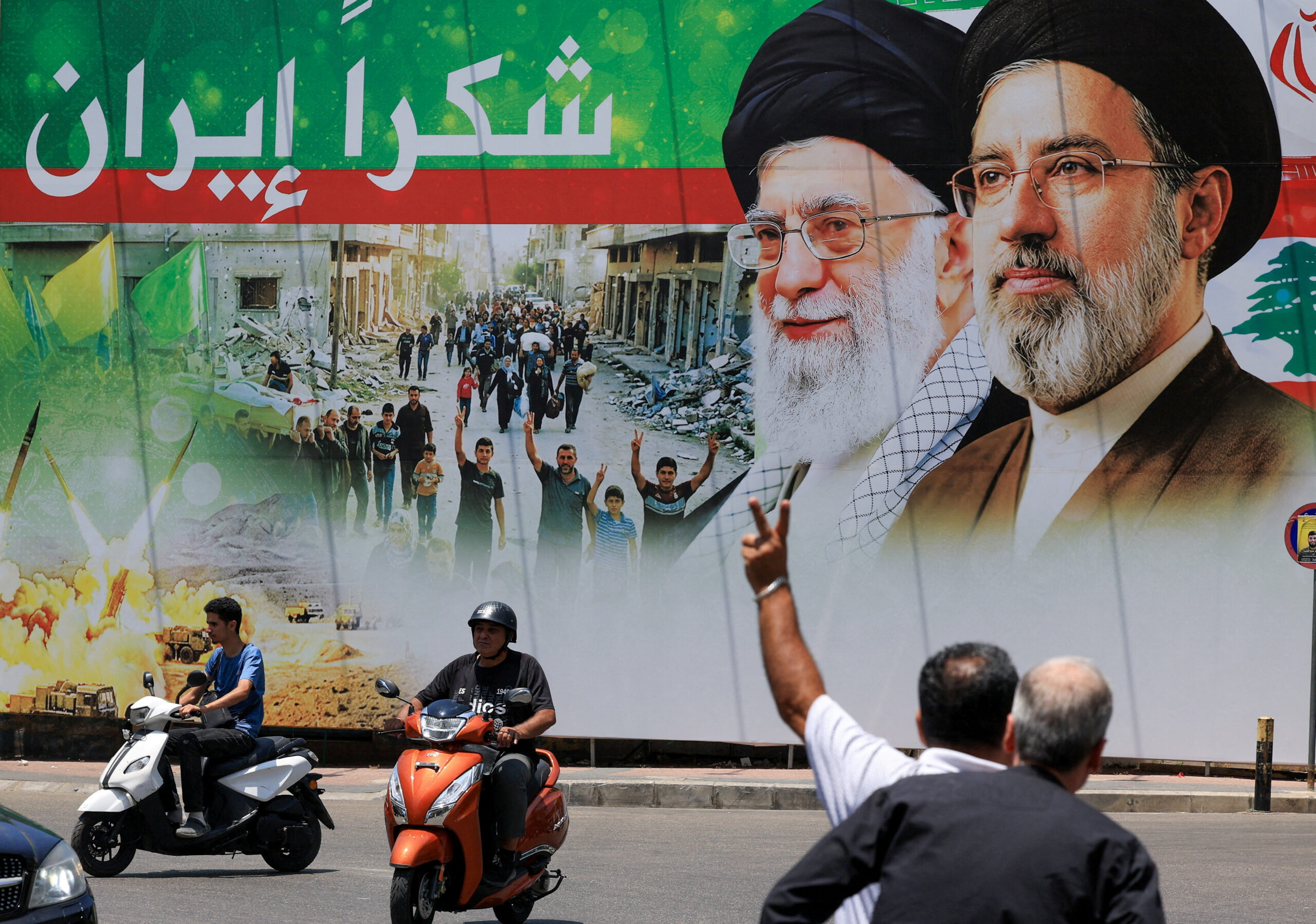
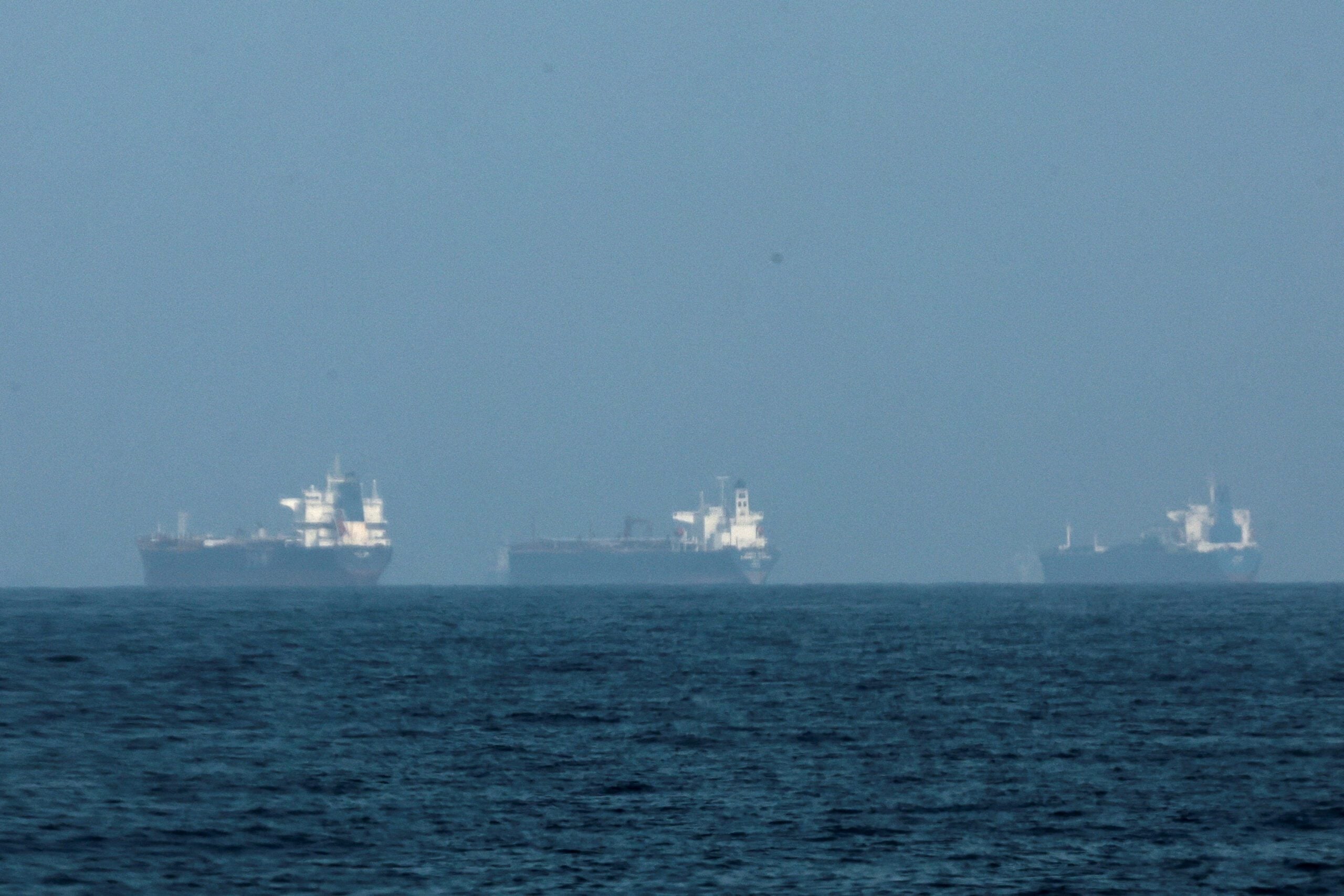
A US, Iran memorandum of understanding to end fighting and reopen Hormuz has been announced, with commitments to lift the US naval blockade and ensure safe commercial passage on set timelines. Public readouts differ over scope, sanctions and governance, and Israel has signalled that not all provisions bind it. On the ground and at sea, the situation remains brittle: Hezbollah has fired missiles, mortars and drones at Israel and the IDF struck targets in southern Lebanon and Beirut. At sea, the main traffic separation scheme through Hormuz is closed due to mines, but a limited number of tankers transited via the southern route, while major carriers have not resumed. Energy prices, which spiked earlier in the war, have eased on the deal news, but market and security volatility are likely to persist until mine clearance and compliance are verified.
Key judgments
- Clashes between Hezbollah and Israel are very likely to continue over the next two weeks despite ceasefire language in the US, Iran memorandum. (Confidence: high · ASSESSED)
- I&W: IDF reports of additional Hezbollah rocket, mortar or drone launches into northern Israel with siren activations in border communities such as Metula or Misgav Am. (0-14 days)
- I&W: A verified 72-hour halt in Hezbollah fire and a concurrent end to IDF air or artillery strikes in southern Lebanon. (0-14 days)
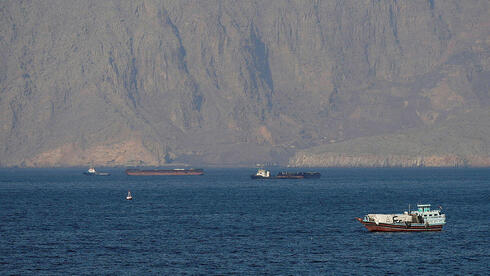
- Navigation through Hormuz is reopening along a constrained southern route, but the main traffic separation scheme is closed due to mines; a return to pre-war daily throughput is unlikely within one to three months. (Confidence: medium · ASSESSED)
- I&W: Public confirmation by naval authorities that mine clearance of the central TSS is complete and the scheme is reopened to routine traffic. (1-3 months)
- I&W: Average daily transits sustain above 100 ships for seven consecutive days or A.P. Moller-Maersk announces resumption of Hormuz transits. (1-3 months)
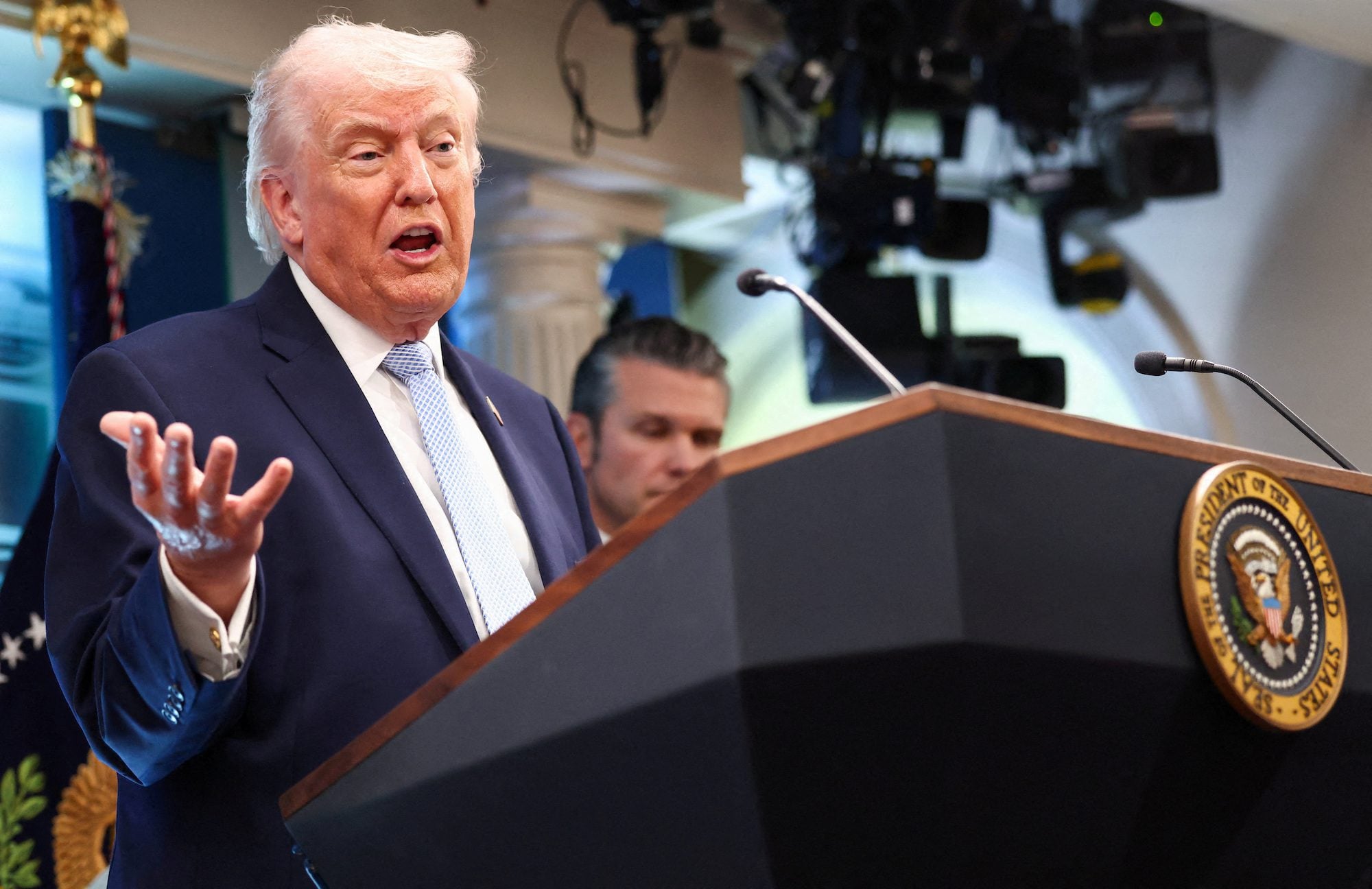
- A US, Iran memorandum framing a ceasefire and Hormuz reopening very likely exists, but its scope and implementation are contested and could slip. (Confidence: medium · ASSESSED)
- I&W: Publication of an identical signed text by both governments and initiation of the stated 30-day blockade-lifting and 60-day safe-passage measures. (0-14 days)
- I&W: Senior officials in either capital publicly dispute key terms or postpone planned steps such as sanctions waivers or maritime coordination. (0-14 days)
- Energy-market relief after the accord is likely to be tempered by continued security and logistics risks around Hormuz, keeping price volatility elevated in the near term. (Confidence: medium · ASSESSED)
- I&W: Brent crude holds below 85 dollars per barrel for two consecutive weeks alongside steady increases in verified Hormuz transits. (1-3 months)
- I&W: A successful attack or confirmed new mining incident against a commercial vessel near the TSS drives a sustained price spike above 100 dollars. (0-14 days)
- The risk of renewed direct US, Iran exchanges remains at roughly even chance over the next month despite recent de-escalatory steps. (Confidence: medium · ASSESSED)
- I&W: US announces additional strikes on Iranian air defence, radar or drone command nodes in southern Iran. (0-30 days)
- I&W: Thirty consecutive days without Iranian drone launches toward the strait as reported by CENTCOM. (1-3 months)
- The war’s humanitarian impact remains severe, with large-scale displacement in Lebanon, confirmed deaths in Iran and fatalities among merchant seafarers. (Confidence: medium · REPORTED)
- I&W: Verified updates from Lebanese authorities or UN agencies showing new returns or further displacement from southern Lebanon. (1-3 months)
- I&W: Maritime industry casualty reporting reflects no new seafarer deaths over a 30-day period transiting Hormuz. (1-3 months)
Outlook & scenarios
Phased de-escalation and managed reopening of Hormuz (50%)
The memorandum’s timelines are implemented: the US begins lifting the naval blockade within 30 days and Iran facilitates safe commercial passage within 60 days, potentially including joint mine clearance. Early tanker and LNG transits expand as coordination mechanisms take shape and enforcement pauses persist, gradually restoring flows via the southern route before reopening the main TSS.
Protracted partial reopening with proxy fire smouldering (60%)
The central TSS remains mined and closed, the southern lane handles about 20 ships a day, and major carriers such as Maersk hold off. Maritime organisations press for clarity on routing, reporting and protection. Meanwhile, Hezbollah, IDF exchanges continue at a low-to-moderate tempo, with Israel noting it does not consider all memorandum provisions binding.
Slide back to confrontation after a triggering incident (25%)
A high-casualty strike or a successful Iranian hit on shipping or a US base prompts US retaliatory strikes on Iranian air defence and drone infrastructure, collapsing the framework. Tehran’s threats to treat certain US-linked commercial assets as military targets become operational, drawing in regional bases and heightening escalation risk.
Wildcard: Rapid mine clearance unlocks a faster shipping rebound (20%)
Unexpectedly swift mine clearance of the main TSS, coupled with a credible international coordination body, enables a faster-than-anticipated return toward pre-war throughput. Major lines announce resumption and price volatility eases more quickly than markets expect.
Recommendations
- Maritime picture: task a daily fusion of AIS and industry reporting to track flagged tanker and LNG transits through Hormuz’s southern route, noting ship classes and declared drafts against reported constraints; capture when any major carrier publicly resumes.
- Mine risk: request allied naval reporting on mine-clearance progress and geospatially map the closed TSS against the location count of reported mines; update risk overlays for insurer and operator use.
- Deal verification: compile and compare the US and Iranian published texts of the memorandum, including stated timelines for blockade lifting, safe passage and any governance language, and log deviations across official and media readouts.
- Energy analytics: update price scenarios anchored on the recent Brent range and earlier wartime peaks; stress-test supply and shipping assumptions using reported Asian and European gas price changes and IMF growth downgrades.
- Proxy conflict watch: maintain a rolling log of Hezbollah launches and IDF strikes with precise locations and munitions types to assess adherence to ceasefire language that references Lebanon.
- Force protection and travel: sustain elevated posture at US facilities in Bahrain, Kuwait, Jordan and the UAE; circulate FAA and State Department advisories to US operators and personnel transiting the region.
- Open-source corroboration: use NASA VIIRS thermal detections to cross-check reports of explosions near Iran’s Sirik and Qeshm, noting that signatures show heat, not cause, and require human validation.
Confidence & uncertainty
Overall confidence is medium. Reporting on Hezbollah, IDF exchanges, initial tanker and LNG transits, mine presence and industry caution is consistent and multi-sourced. The largest uncertainty is the scope and implementation of the US, Iran memorandum: public readouts differ on sanctions relief, governance of the strait and timelines, and Israel has signalled it does not view all provisions as binding. The speed of mine clearance and the willingness of major carriers to resume also remain unclear, which sustains uncertainty in the energy and shipping outlook.
Alternative analysis (red cell)
The reporting supports that an interim U.S.–Iran memorandum and limited maritime transits exist and that localized hostilities and humanitarian harm have occurred, but the evidence is internally inconsistent and frequently untriangulated. A defensible alternative is that the memorandum imposes meaningful political constraints that could limit—but not eliminate—episodic clashes; that Hormuz transits are resuming in a constrained, partial manner with uncertain timelines for full recovery; and that humanitarian impact is severe while exact casualty and displacement figures remain unsettled pending consolidated reporting.
Cited sources
[1] zavtra.ru · События: 14 пунктов: Иран и США подписали — в электронном виде — меморандум о завершении конфликта (B) · sha256:666a1174851e [2] The Jerusalem Post · Live Updates: Latest from Israel, Iran, and Middle East | The Jerusalem Post (A) · sha256:64306a237e32 [3] ynetnews.com · Tensions persist as US-Iran agreement nears and drones target Israel and Hormuz shipping (B) · sha256:32b715464452 [4] Los Angeles Times · Israel strikes Beirut suburbs in run-up to anticipated U.S.-Iran deal - Los Angeles Times (A) · sha256:8e4a28820027 [5] gcaptain.com · Maritime Industry Demands Clarity on Hormuz Reopening as Mine Risks Persist (B) · sha256:95da5e306d15 [6] gcaptain.com · Three Saudi-Flagged Supertankers Sail Through Hormuz After Iran Deal Signed, Data Shows (A) · sha256:6451ebd1b9c4 [7] gcaptain.com · Iran Deal Raises Serious Questions Over Future Management of the Strait of Hormuz (B) · sha256:2c25bbb95343 [8] gcaptain.com · Iran Deal Opens Door to Hormuz Reopening, But Shipping Industry Warns of Long Road Ahead (B) · sha256:c7b2ef0c120c [9] gcaptain.com · Barnacle Boom: Divers Race to Clean Ships Stranded in Persian Gulf (B) · sha256:95f0973530be [10] kommersant.ru · "Коммерсантъ FM" (B) · sha256:85f690996147 [11] gcaptain.com · Trump Signs Interim Iran Deal as Focus Shifts to Hormuz (B) · sha256:448e576b1f29 [12] Atlantic Council · What the US-Iran deal means for the rest of the Middle East (and beyond) (C) · sha256:5f93318fe142 [13] Institute for the Study of War (ISW) and The Critical Threats Project (CTP) at the American Enterprise Institute · Iran Update Special Report, June 12, 2026 (B) · sha256:1d92477fba93 [14] Congressional Research Service · [PDF] Effects of Iran Conflict on Natural Gas Prices - Congress.gov (A) · sha256:e45d49fbec04 [15] Wikipedia · Economic impact of the 2026 Iran war (B) · sha256:7cb06542dd0e [16] theguardian.com · Tallying the global cost of the US-Israel war against Iran (A) · sha256:095d4de51905 [17] The Jerusalem Post · Live Updates: Latest from Israel, Iran, and Middle East | The Jerusalem Post (A) · sha256:83246f26b8ee [18] Institute for the Study of War (ISW) and The Critical Threats Project (CTP) at the American Enterprise Institute · Iran Update Special Report, June 11, 2026 (B) · sha256:22f4cd0e4605 [19] nypost.com · Iran planning to treat Elon Musk's companies in Middle East as military targets: Iranian state media (B) · sha256:f1b713101c26 [20] theguardian.com · Even if the Iran war is over, it made its mark: the fear, killing and upheaval were all normalised | Nesrine Malik (A) · sha256:799a1ae6664d
Source content hashes were computed at collection time; the cited text is preserved unmodified for the life of this product.
Red cell review: PARTIAL DISSENT
TLP:CLEAR