TLP:CLEAR · Disclosure is not limited.
US, Iran ceasefire under strain: Lebanon front and Hormuz tensions, 19-26 June 2026
Time window: Last 7 days · Audience: General analyst · Type: Situation report · DTG: 2026-06-26 00:20Z · Overall confidence: MEDIUM
BLUF
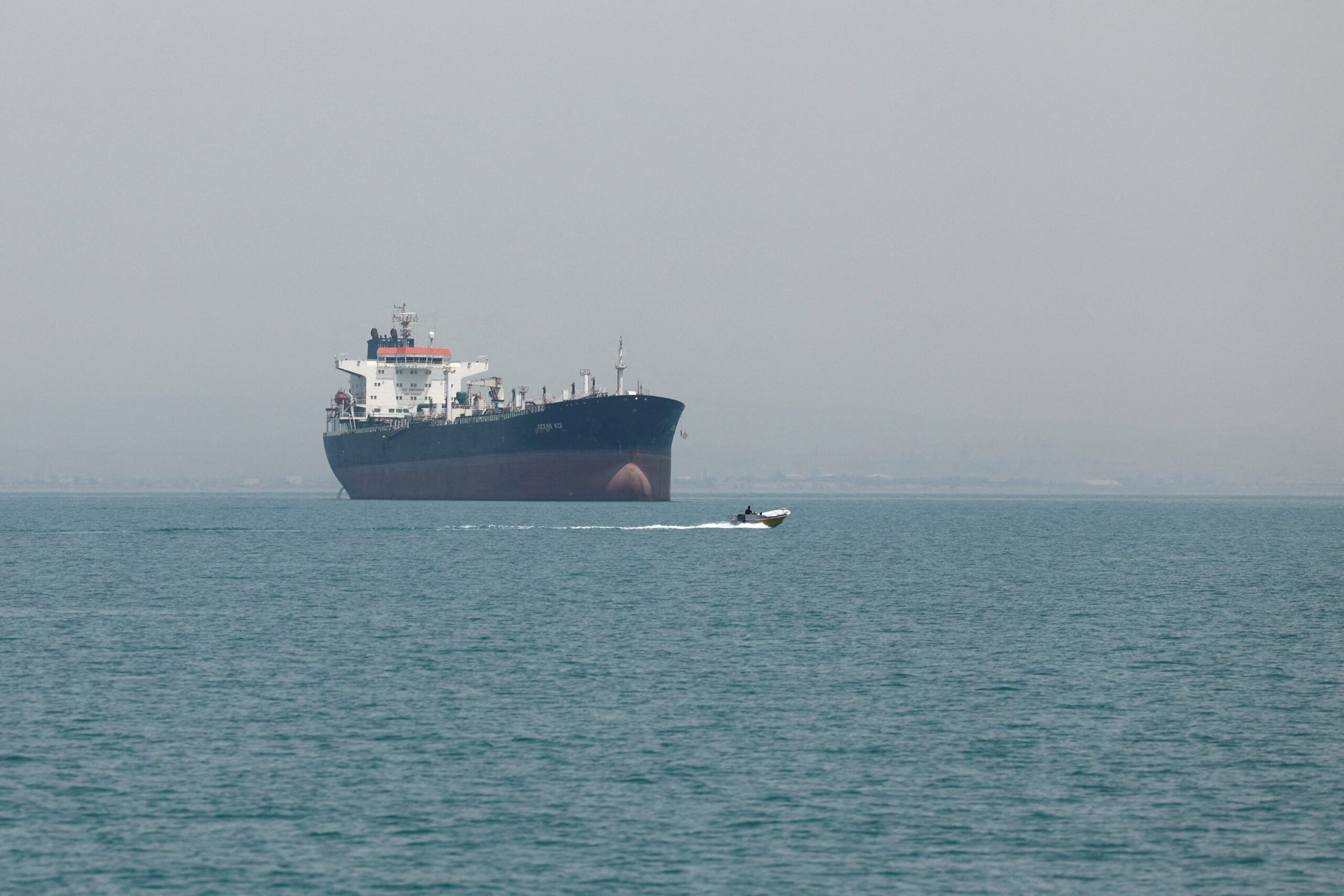
De-escalation is brittle. UNIFIL says the Lebanon ceasefire is largely holding, yet Israeli drone overflights persist, and IRGC warnings in the Strait of Hormuz forced ships to turn back as the IMO paused its evacuation corridor after a Gulf of Oman attack. Near-term risk of renewed shipping disruption and a breakdown on the Lebanon front remains elevated despite diplomatic momentum and easing oil prices.
Executive summary
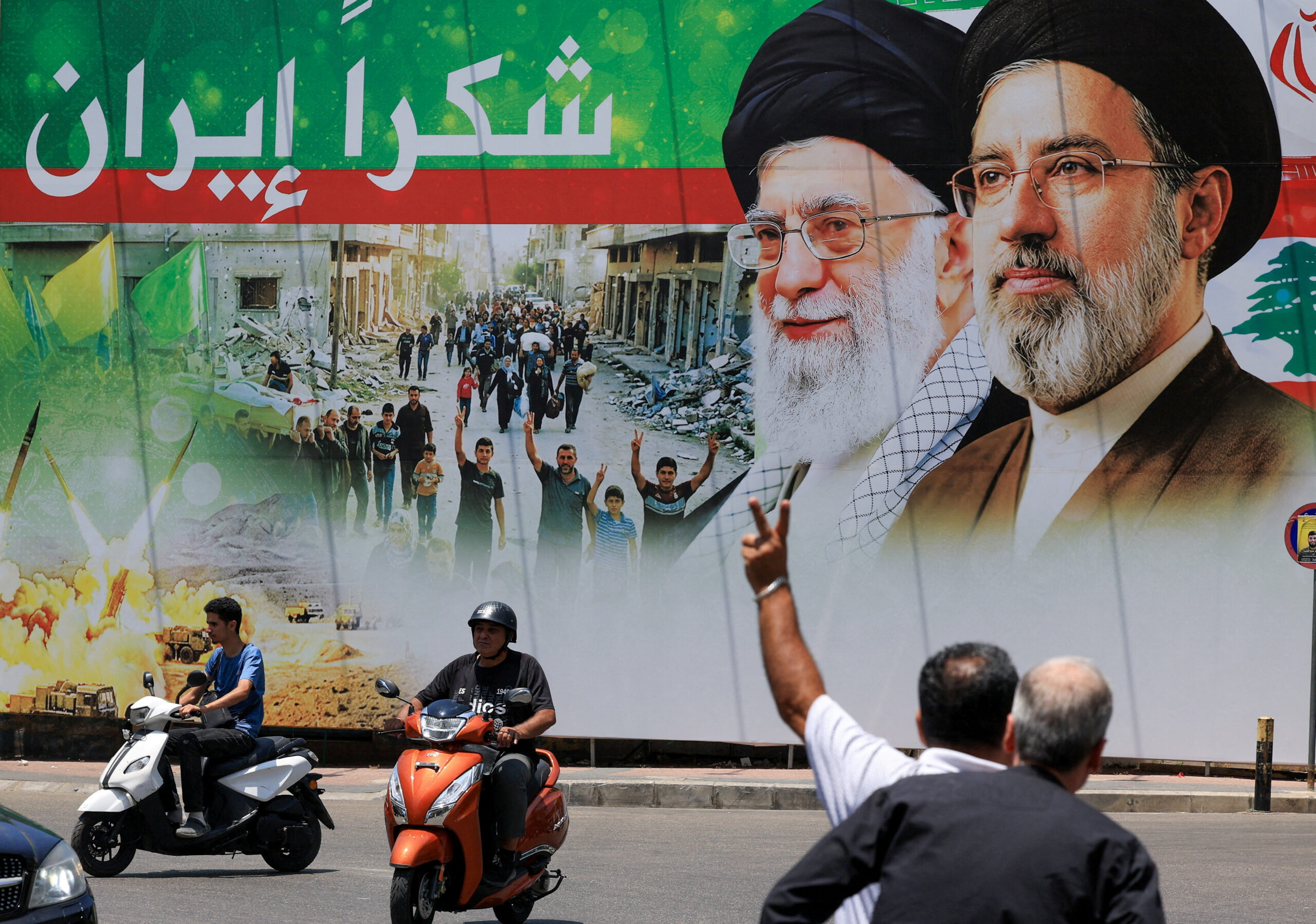
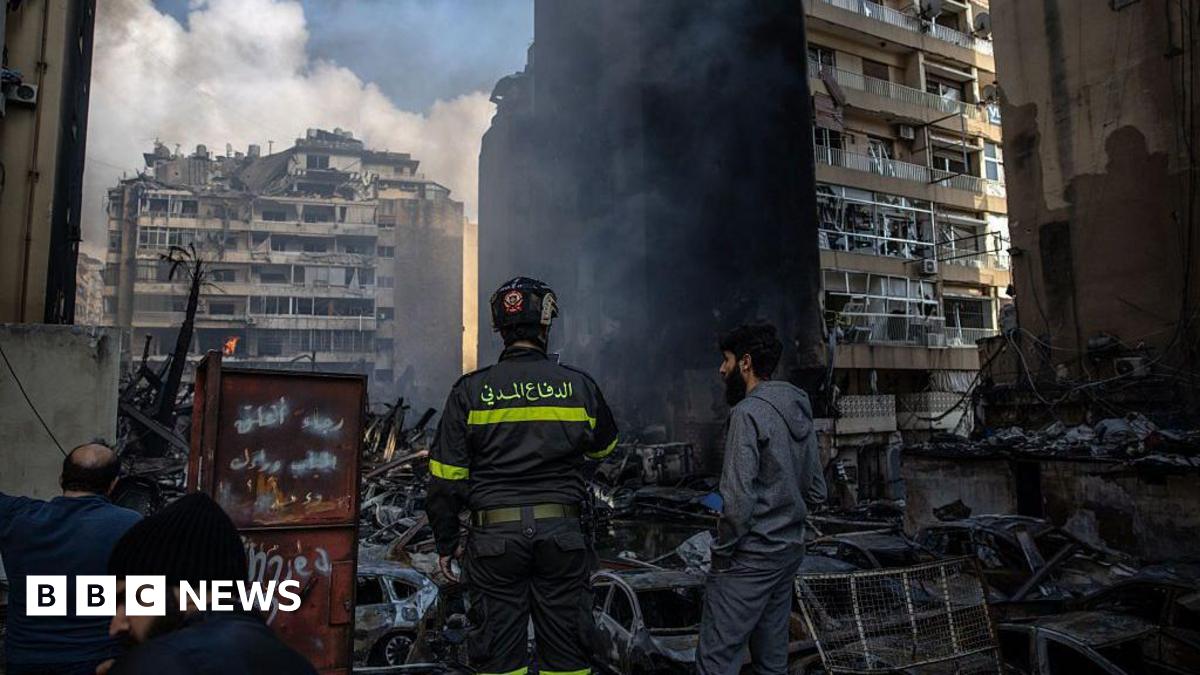
Since the 14 June Islamabad Memorandum, Gulf capitals have welcomed the US, Iran track, but implementation is contested and the operating picture is fragile. In Lebanon, UNIFIL reports the 19 June ceasefire is largely holding, although Israeli drones continue to violate airspace and officials deny any Israeli withdrawal; humanitarian needs remain acute after extensive destruction and casualties. At sea, the IRGC’s 25 June radio warnings prompted vessels to reverse course and the IMO-led evacuation movement has been paused after a Gulf of Oman attack, even as 57 ships transited since 23 June and oil prices fell on signs that shipments are approaching pre-war levels. Iran and aligned actors have demonstrated missile and drone capabilities against Israel, US bases and Gulf states, while US domestic debate and Iran’s refusal to entertain IAEA visits complicate the diplomatic track.
Key judgments
- Lebanon’s 19 June ceasefire is fragile but largely holding, and it is likely to face recurrent violations that keep collapse risk elevated over the next 1-3 months. (Confidence: medium · ASSESSED)
- I&W: UNIFIL reports renewed missile launches or airstrikes breaching the ceasefire (0-14 days)
- I&W: Hezbollah publicly orders a resumption of cross-border attacks after the current pause (0-14 days)
- Freedom of navigation through the Strait of Hormuz remains precarious despite recent improvements, and it is very likely that intermittent disruptions will persist over the next month. (Confidence: high · ASSESSED)
- I&W: UKMTO/IMO formally resume the paused vessel movement process and clear new transits via the temporary corridor (0-14 days)
- I&W: Another merchant vessel is struck near Oman or inside the strait, triggering fresh industry and insurer warnings (0-14 days)
- Despite ceasefire diplomacy, Iran and aligned groups retain the capability and intent to strike Israel, US bases and Gulf states, so it is likely the threat environment for US personnel and partners in the UAE and wider Gulf will remain elevated over the next 1-3 months. (Confidence: high · ASSESSED)
- I&W: FAA escalates its advisory to impose additional route restrictions for US operators in UAE or adjacent FIRs (0-14 days)
- I&W: A claimed or intercepted strike attempt on UAE territory or US facilities in Gulf states (0-14 days)
- Implementation of the US, Iran Islamabad Memorandum faces contested politics and verification disputes, creating a roughly even chance that follow-through slows or narrows in the near term despite regional support. (Confidence: medium · ASSESSED)
- I&W: Public release of the signed MoU text detailing inspection access and navigation modalities (0-30 days)
- I&W: US Senate schedules or advances additional war powers or Iran-related authorisation votes (0-30 days)
- Lebanon’s humanitarian burden is severe and will likely impede returns even if the guns stay quiet, given extensive housing destruction and contested but high casualty reports. (Confidence: medium · ASSESSED)
- I&W: UN reporting shows sustained reductions in shelter populations and verified repair or reconstruction starts in affected southern districts (1-3 months)
- I&W: New displacement surges or hospital overcrowding alerts from Lebanon’s health ministry (0-14 days)
Outlook & scenarios
Brittle de-escalation holds (45%)
UNIFIL continues to report no missile launches or airstrikes, Israeli drone overflights persist at a lower tempo, and humanitarian access inches up as families test returns. In Hormuz, the paused IMO corridor resumes in phases and traffic normalises, aided by IRGC radio discipline on designated routes and industry routing via the temporary lane. Oil flows rise and prices stabilise at or below pre-war levels. Political friction over the MoU continues but does not derail implementation.
Managed friction with recurring incidents (35%)
The Lebanon ceasefire endures but sees sporadic flare-ups, airspace violations and brief displacements. In the Strait, IRGC warnings recur and the convoy system cycles between pause and restart after isolated attacks near Oman, causing schedule slippage and higher insurance costs. The MoU advances selectively without inspection breakthroughs, sustained by Gulf support and back-channel troubleshooting.
Escalation relapse (20%)
A fatal cross-border incident in Lebanon triggers renewed exchanges that breach the ceasefire. Iran-aligned actors launch a limited strike towards a Gulf state or US site, prompting emergency aviation advisories and a halt to the IMO movement plan. Traffic through Hormuz drops sharply as ships turn back pending security guarantees. Domestic political backlash in Washington and Tehran stalls MoU execution.
Recommendations
- Maintain continuous maritime situational awareness on Hormuz: ingest UKMTO advisories, the paused/resumed status of the IMO-led movement, and live monitoring of IRGC radio broadcasts on transit permissions and designated routes; update risk scores for voyages accordingly.
- Task daily collection against UNIFIL reporting, Israeli air activity over southern Lebanon, and any rocket or artillery detections to validate whether the ceasefire remains largely holding or is eroding.
- Prepare shipping and energy market notes tying movements to price action: correlate reported transits and any attacks near Oman with oil price shifts following statements on shipments approaching pre-war levels.
- Track political implementation risk: monitor White House, Congress interactions on war powers and public Iranian statements on IAEA access; flag any publication of MoU text or inspection modalities.
- Advise missions and contractors in the UAE and neighbouring Gulf states to review security postures against missile and drone threats in line with FAA advisories and prior ordered departures; pre-identify medevac and non-combatant evacuation triggers.
- For humanitarian planning on Lebanon, align assistance prioritisation to areas with confirmed housing destruction and fluctuating shelter populations; build contingency for rapid displacement if shelling resumes.
Confidence & uncertainty
Overall confidence is medium. Several judgments rest on multiple high-reliability sources: UNIFIL and UN statements on the Lebanon ceasefire status, IRGC radio warnings that prompted vessels to turn back, the pause of the IMO-led movement, and Gulf support for the US, Iran track. However, important elements are contested or mixed. US congressional signals on war powers conflict in the reporting, casualty figures for Lebanon vary by source, and the verification track is clouded by Iran’s denial of planned IAEA visits. Some maritime incident details rely on single-event reporting. These gaps and contradictions warrant a medium headline confidence.
Alternative analysis (red cell)
The claims present a mixed and sometimes internally contradictory picture with several single-source clusters (e.g., 17e18b7e and 801039df sharing origin_cluster_id 1b06513e-c369-4fc9-a5c5-991d60016e92) and important adjudicative contradictions (1c16c8d0 vs f2d5c94a/83901ba2). A defensible alternative reading is that major strike exchanges have reduced while low-level violations and localized humanitarian impediments persist; diplomatic signals (e8a23185) introduce meaningful uncertainty about future Iranian/align group behavior and thus the threat and implementation trajectories are less settled than the original brief’s medium/high confidences imply.
Cited sources
[1] United Nations · From Lebanon to the Strait of Hormuz, a Middle East hanging on fragile peace talks (A) · sha256:d0d950f95951 [2] Al Jazeera · Iran war day 117: Nuclear inspections dispute as US Senate curbs war powers (A) · sha256:8d0dd225482f [3] Atlantic Council · What the US-Iran deal means for the rest of the Middle East (and beyond) (C) · sha256:5f93318fe142 [4] gcaptain.com · Trump Row With Republican Senator Clouds US Drive to Sell Iran Deal to Gulf Allies (B) · sha256:dd061495e009 [5] United Nations · World News in Brief: UN launches Hormuz evacuation plan, UNICEF youth champion killed in Gaza, Lebanon ceasefire ‘largely holding’ (A) · sha256:41dca8a20228 [6] gcaptain.com · Ships Turn Back in Strait of Hormuz as IRGC Renews Transit Warnings (B) · sha256:f5d9e9e45ddc [7] gcaptain.com · Ship Attack Off Oman Derails IMO's Hormuz Evacuation Effort (B) · sha256:918fb650e3ef [8] gcaptain.com · Day of the Seafarer 2026: The Human Cost of Keeping World Trade Moving (B) · sha256:ec015da0f56d [9] BBC · Thousands killed in US-Israeli war on Iran - but experts say true total may never be known (A) · sha256:7fc5f20bc9f4 [10] Wikipedia · 2026 Iran war (B) · sha256:d781dcbc9593 [11] Georgetown Journal of International Affairs · The War Against Iran and Global Risks: “Tell Me How This Ends” - Georgetown Journal of International Affairs (C) · sha256:e232a63acbcd [12] Al Jazeera · Pragmatic choice: Israel’s war backfires as Gulf backs US-Iran deal (A) · sha256:34e802d18cd0 [13] U.S. Department of State · United Arab Emirates Travel Advisory (A) · sha256:7a0c71f2991b [14] Wikipedia · Red Sea crisis (B) · sha256:fc8c53e90c6b [15] BBC · Iran warns it will respond if Israeli attacks on Lebanon don't stop immediately (A) · sha256:b56838731a1f
Source content hashes were computed at collection time; the cited text is preserved unmodified for the life of this product.
Red cell review: PARTIAL DISSENT
TLP:CLEAR