TLP:CLEAR · Disclosure is not limited.
US-Iran Conflict: Economic Pressure, Hormuz Disruption and Regional Spillover
Time window: Last 7 days · Audience: General analyst · Type: Situation report · DTG: 2026-08-27 12:10Z · Overall confidence: MEDIUM
BLUF
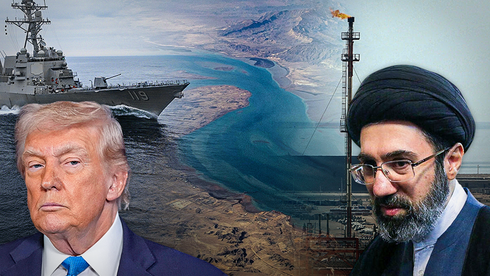
The United States is likely to avoid new strikes in the immediate term while intensifying economic pressure on Iran. Commercial shipping through the Strait of Hormuz is very likely to remain constrained, while Oman-Iran contacts offer a possible route to limited easing rather than an immediate return to normal traffic.
Executive summary
Reporting from 20 to 27 August 2026 indicates that Washington is shifting emphasis towards sanctions and control of shipping through the Strait of Hormuz, despite conflicting reporting on current and future US military action. Iran retains missile and drone capability that has disrupted energy flows and exposed Gulf states and US assets to further risk. Oman and Iran issued a joint statement on safe navigation on 25 August, but Iranian officials stated that the understandings did not mean immediate reopening. The conflict is also imposing humanitarian costs in Somalia through higher fuel and fertiliser prices, while Israeli strikes in southern Lebanon preserve a separate escalation channel.
Key judgments
- The United States is very likely to keep new strike options paused over the next 0-14 days while intensifying economic pressure on Iran. Marco Rubio told allies that Washington did not plan new attacks for now, and reporting describes a shift towards economic pressure and control of shipping through the Strait of Hormuz. The US Treasury launched Operation Economic Outcast, sanctioned nearly 60 entities, individuals and vessels, targeted five Iranian economic sectors, and expanded secondary-sanctions exposure. This is an assessed judgement with medium confidence. Official Treasury reporting corroborates the economic campaign, but the no-new-strikes posture rests partly on major-media reporting and is contested by reporting of massive US strikes and US B-1 bomber deployment. (Confidence: medium · ASSESSED)
- I&W: Confirmation: during the next 0-14 days, the US Treasury announces another Iran-related designation or secondary-sanctions action without a new US military strike announcement. (0-14 days)
- I&W: Break: the US military announces a new strike on Iran or an Iranian-linked target, or confirms operational employment of B-1 bombers against Iran. (0-14 days)
- Commercial shipping through the Strait of Hormuz is very likely to remain below normal during the next 0-14 days. Mr Guterres reported that commercial shipping had slowed to a trickle, reporting stated that energy-flow disruptions continued because Iran retained missile and drone capability, and Iranian Deputy Foreign Minister Kazem Gharibabadi said that understandings with Oman did not mean immediate reopening. This is an assessed judgement with medium confidence because reporting on the scale of disruption and the effect of the Oman talks is mixed, and several accounts are single-source. (Confidence: medium · ASSESSED)
- I&W: Confirmation: vessel and tanker movements remain at materially reduced levels, with commercial shipping described as a trickle for seven consecutive days. (0-14 days)
- I&W: Break: Iran and Oman announce operational navigation arrangements, followed by sustained regular commercial traffic through the Strait of Hormuz. (0-14 days)
- A limited Oman-mediated easing of maritime tensions has a roughly even chance within 1-3 months, but an immediate restoration of regular traffic is unlikely. Iran and Oman issued a joint statement on 25 August, Iran's Revolutionary Guard announced an agreement with Oman, and both sides reported progress in negotiations. The Iranian Deputy Foreign Minister nevertheless stated that the understandings did not mean immediate reopening, while a separate report described a future binding arrangement involving Iran, Oman and the United States. This is an assessed judgement with medium confidence because the reporting supports diplomatic movement but does not establish implementation. (Confidence: medium · ASSESSED)
- I&W: Confirmation: Iran, Oman and the United States publish a binding navigation protocol covering transit procedures and revenues, followed by a sustained rise in commercial vessel movements. (1-3 months)
- I&W: Break: Iran or Oman withdraws from the talks, or commercial traffic remains at current reduced levels after a public reopening announcement. (0-14 days)
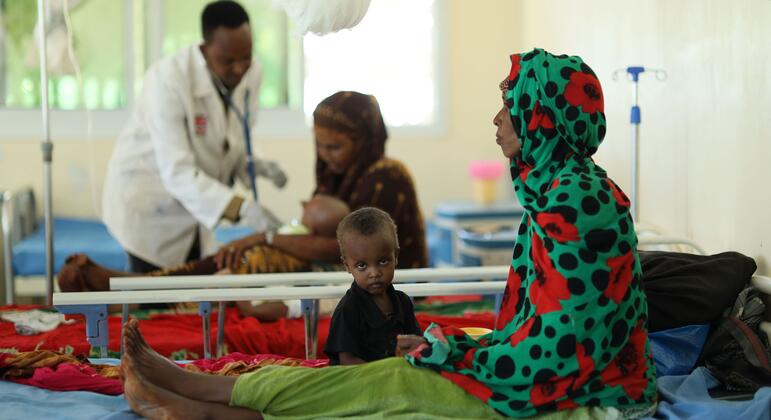
- The conflict is very likely to deepen humanitarian and economic pressure in Somalia and contribute to wider food-market stress over the next 1-3 months. UNICEF reported that the war was raising fuel and fertiliser costs in Somalia, where admissions of children with severe acute malnutrition were up 32 per cent from the previous year, more than 200 health and nutrition facilities had closed, and nearly 1.9 million children were projected to face malnutrition. The World Food Programme was assisting roughly 600,000 people while fighting in Baidoa blocked assistance to about 5,000 children. This is an assessed judgement with medium confidence because the direct Somalia impact is reported by UNICEF, while the scale and duration of wider food-market effects rely partly on forecasts and single-source economic reporting. (Confidence: medium · ASSESSED)
- I&W: Confirmation: UNICEF reports further increases in severe acute malnutrition admissions, facility closures or loss of access to nutrition services in Somalia. (1-3 months)
- I&W: Break: fuel and fertiliser prices stabilise while WFP access expands in Baidoa and the number of functioning health and nutrition facilities rises. (1-3 months)
- Israeli-Hezbollah exchanges in southern Lebanon are likely to continue over the next 0-14 days. Israeli forces shelled the plain of Marjayoun on 25 August, reporting on 27 August described IDF strikes at multiple locations in southern Lebanon, and the IDF conducted strikes against Hezbollah after drones were launched at troops. This is an assessed judgement with low confidence because the reporting is recent, largely single-source and does not establish Hezbollah's wider intent or the full scale of activity. (Confidence: low · ASSESSED)
- I&W: Confirmation: the IDF reports additional strikes in southern Lebanon or Hezbollah launches further drones at IDF troops. (0-14 days)
- I&W: Break: Israel and Hezbollah announce a monitored cessation of attacks and no further strikes or drone launches are reported for 14 consecutive days. (0-14 days)
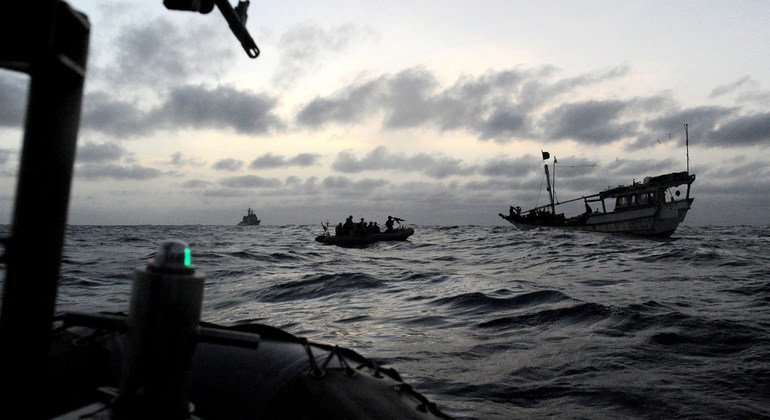
- Maritime security cooperation among Ethiopia, Yemen, Djibouti and Somalia is likely to expand over the next 1-3 months as regional officials respond to threats affecting the Red Sea and Gulf of Aden. Officials from the four countries met in Nairobi, where the UN Office on Drugs and Crime, the EU, INTERPOL, the International Maritime Organization and IGAD supported a Maritime Law Enforcement Dialogue focused on maritime-domain awareness and operational coordination. This is an assessed judgement with medium confidence because multilateral reporting corroborates the meeting, but it does not confirm follow-on implementation. (Confidence: medium · ASSESSED)
- I&W: Confirmation: Ethiopia, Yemen, Djibouti and Somalia establish shared maritime reporting procedures, conduct coordinated patrols or hold a follow-on operational meeting. (1-3 months)
- I&W: Break: participating governments report no agreement on information-sharing or operational coordination after the Nairobi dialogue. (1-3 months)
Outlook & scenarios
Economic squeeze and constrained Hormuz traffic (55%)
This is the most likely baseline over the next 0-14 days. The Trump administration avoids new strikes, the US Treasury adds sanctions pressure, Iran retains the ability to impede tanker traffic, and commercial shipping through the Strait of Hormuz remains sharply below normal.
Limited maritime easing through Oman (30%)
Within 1-3 months, Iran and Oman convert their August discussions into practical navigation arrangements, possibly with US involvement. Traffic rises towards pre-war levels, but the wider sanctions campaign and political conflict remain in place.
Renewed military exchange and Gulf infrastructure damage (20%)
This is an unlikely but high-impact outcome. Iranian missile or drone attacks strike US military assets, Gulf states, oil infrastructure or desalination facilities, prompting renewed US or Israeli strikes against Iran and further disruption to energy flows.
Regional maritime containment with persistent localised conflict (25%)
Regional maritime authorities improve coordination in the Red Sea and Gulf of Aden, limiting some spillover from the Hormuz crisis. Israeli-Hezbollah exchanges in southern Lebanon continue at a lower but persistent level.
Recommendations
- Maintain a daily 0-14 day indicator table covering US strike announcements, Treasury designations, Iranian missile and drone activity, Gulf interception reports, and commercial vessel movements through the Strait of Hormuz.
- Treat Oman-Iran navigation statements as diplomatic intent until verified by published procedures, port clearances and sustained commercial traffic. Record any participation by the United States in a binding arrangement separately from bilateral Iran-Oman contacts.
- Build a sanctions-exposure matrix covering the nearly 60 designated entities, individuals and vessels, the five targeted Iranian sectors, UAE-linked commercial activity and the reported Iranian tankers monitored near Sri Lanka.
- Track Somalia humanitarian indicators weekly, including fuel and fertiliser prices, severe acute malnutrition admissions, the number of functioning health and nutrition facilities, WFP access to Baidoa and coverage of the 1.9 million projected cases.
- Maintain a separate southern Lebanon watch for IDF strikes near Marjayoun, further attacks at named locations and Hezbollah drone activity. Do not merge this track with the Hormuz assessment unless there is evidence of coordinated action.
- Prioritise collection on implementation of the Nairobi maritime dialogue, including shared reporting procedures, coordinated patrols and follow-on meetings involving Ethiopia, Yemen, Djibouti and Somalia.
Confidence & uncertainty
Overall confidence is medium. Official Treasury, UN and UNICEF reporting, together with major-media accounts, corroborates the economic campaign, Hormuz disruption and humanitarian effects. Confidence is lower on near-term military intent, attack attribution, the status of mine clearance, the severity of current traffic reduction and Iran's oil exports, where reporting includes single-source, low-confidence or internally inconsistent claims.
Cited sources
[1] ynetnews.com · US holds off on new Iran strikes, turns to economic squeeze (A) · sha256:d880d16ff246 [2] U.S. Department of the Treasury · Treasury Launches Unprecedented Campaign Against Iranian Regime on Economic D-Day (A) · sha256:3b7c04b0dcbf [3] WION · US-Iran War LIVE: Deadly B-1 Bombers Enter West Asia War As Massive US Strikes Pound Iran | WION (B) · sha256:3eb89b7de7c0 [4] United Nations · Global food supply has become ‘collateral damage’ in conflicts: Secretary-General (A) · sha256:2802827681c7 [5] globalbankingandfinance.com · Trump Says Iran Not Ready for Right Deal Amid US Sanctions Threat (B) · sha256:8c754a20180e [6] Deutsche Welle · 6 تداعيات ترسم حصيلة 6 أشهر من حرب إيران (B) · sha256:bedeed11f7ff [7] jpost.com · Five ways the US-Iran conflict is reshaping global power and the Middle East - analysis (B) · sha256:4f17deafb9e5 [8] Sky News Arabia · التصعيد بين أميركا وإيران. آخر الأخبار (B) · sha256:a5a2e81800ae [9] The Jerusalem Post · Live Updates: Latest from Israel, Iran, and the Middle East | The Jerusalem Post (B) · sha256:b95015d5da71 [10] Atlantic Council · Four scenarios for a looming global food crisis (C) · sha256:1ec9ad793bff [11] United Nations · Somalia: Humanitarian aid cuts leave millions of children vulnerable to hunger (A) · sha256:2a8c20f6ae5a [12] United Nations · As wars spread, the global food system unravels (A) · sha256:0bdb06755717 [13] Wikipedia · Economic impact of the 2026 Iran war (B) · sha256:912abfe6a0d4 [14] The Jerusalem Post · Live Updates: Latest from Israel, Iran, and the Middle East | The Jerusalem Post (A) · sha256:96c48b077632 [15] United Nations · Red Sea nations step up maritime cooperation as regional threats grow (A) · sha256:8dee734336be
Source content hashes were computed at collection time; the cited text is preserved unmodified for the life of this product.
TLP:CLEAR