TLP:CLEAR · Disclosure is not limited.
US-Iran Conflict Intensifies with Naval Blockade Reimposition and Expanded Airstrikes
Time window: Last 1 day · Audience: General analyst · Type: Situation report · DTG: 2026-07-15 16:25Z · Overall confidence: LOW
BLUF
The United States has very likely reimposed a comprehensive naval blockade on Iran and intensified airstrikes against Iranian military targets following Iranian attacks on commercial vessels in the Strait of Hormuz. Iran has very likely threatened to halt all Middle Eastern energy exports in response, while President Trump has very likely abandoned his initial proposal for a 20 percent security fee on Hormuz transit. US strikes have likely caused significant Iranian military casualties and reportedly civilian deaths, with Brent crude rising to $85 per barrel as commercial shipping faces increasing disruption.
Executive summary
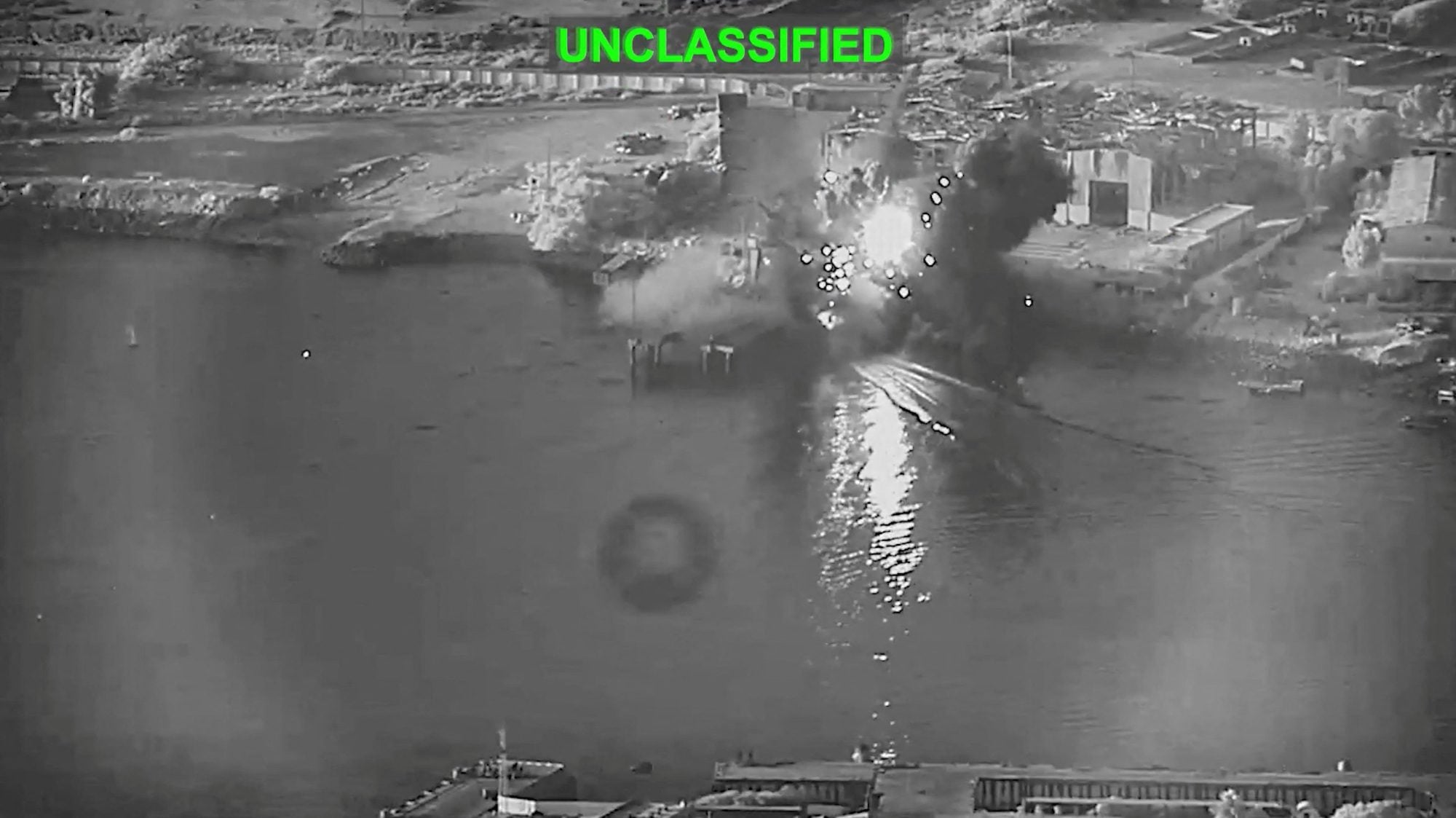
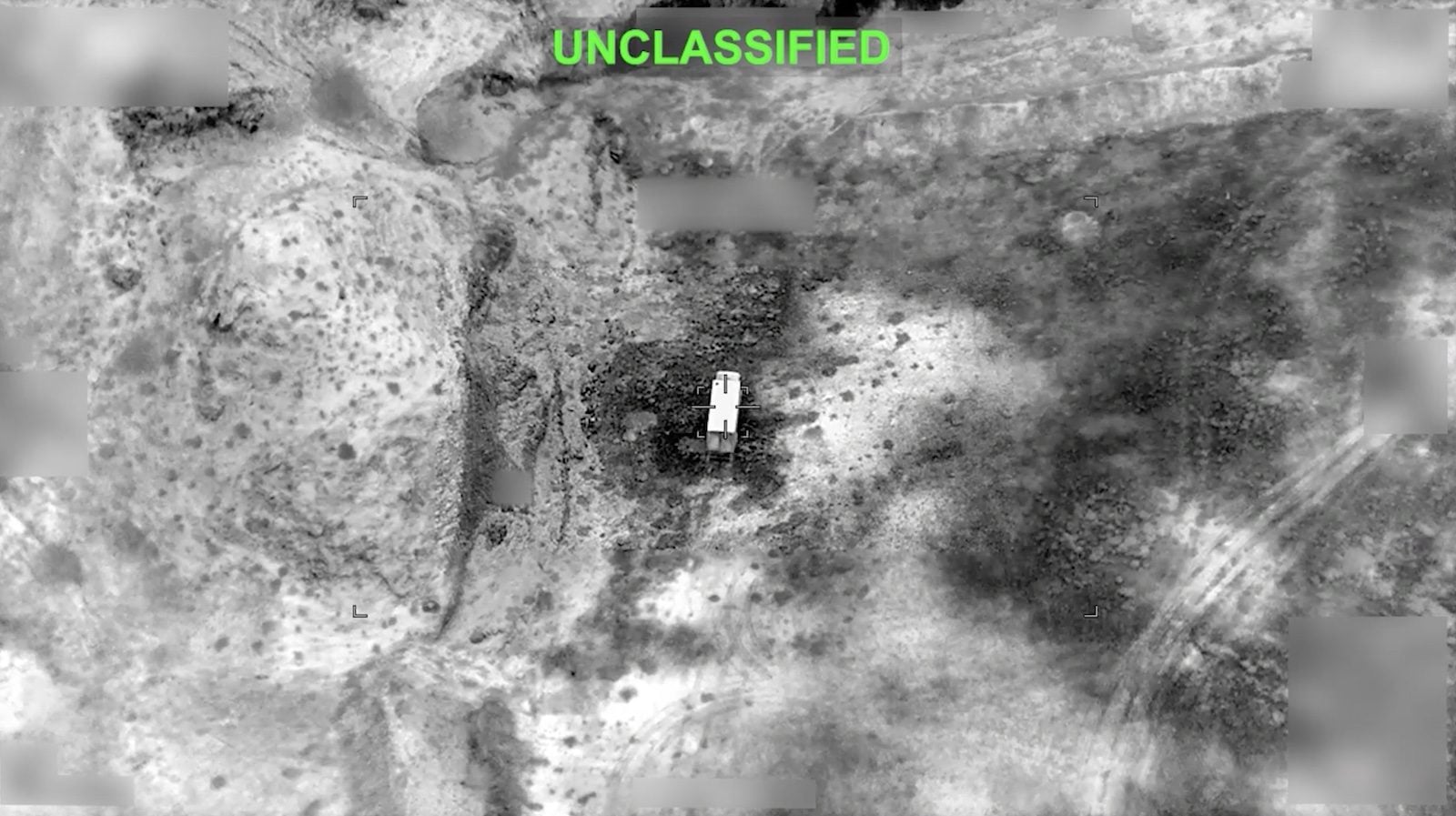
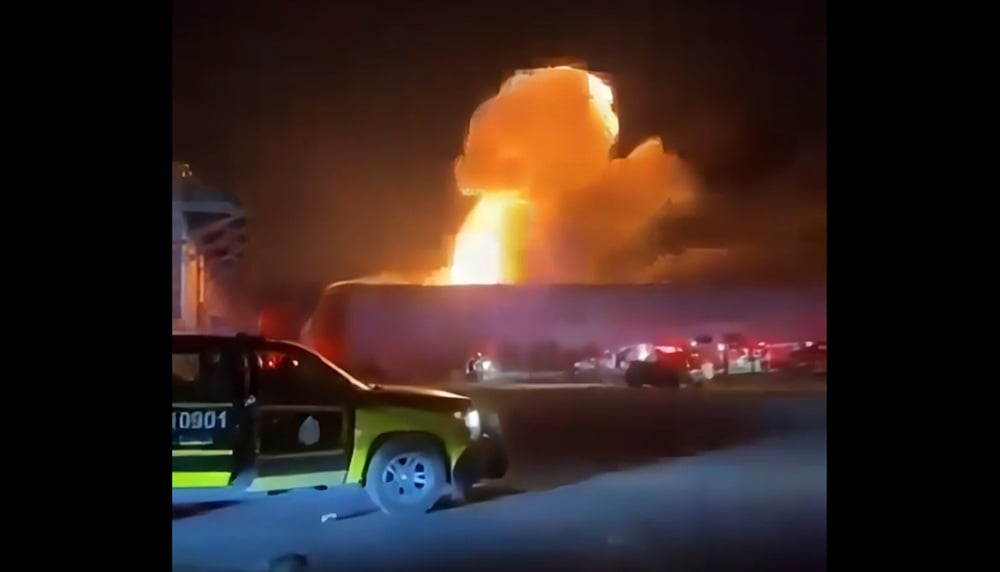
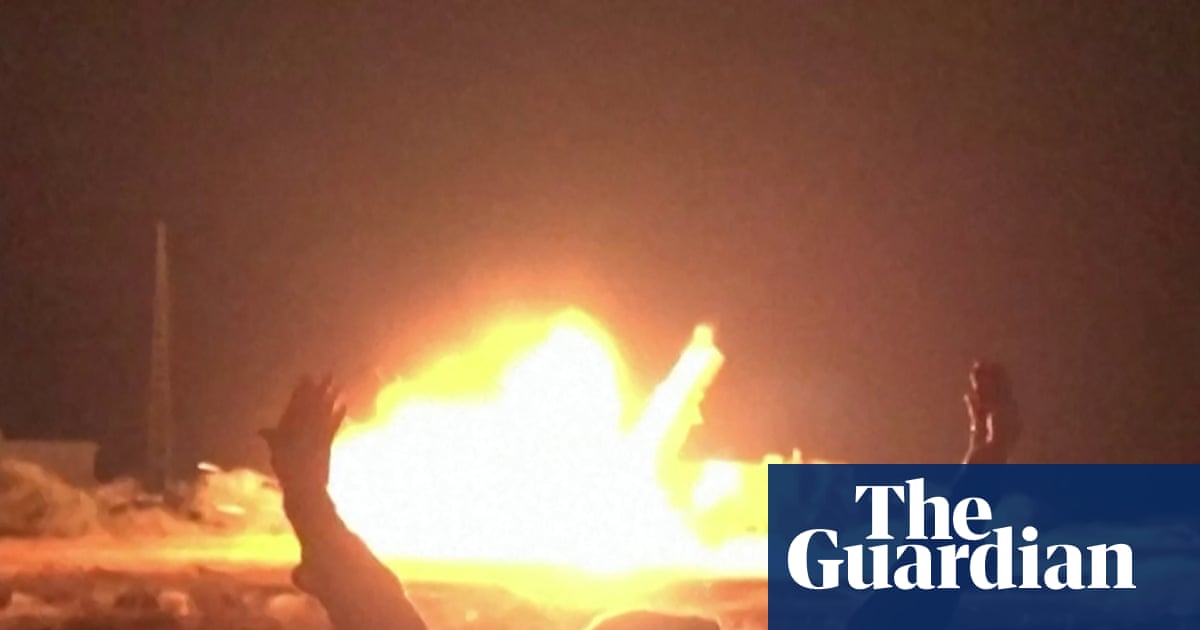
U.S. forces have reimposed a naval blockade covering all Iranian ports while intensifying airstrikes against coastal defence systems and military facilities on July 15. Iran's Revolutionary Guard has claimed responsibility for attacks on multiple US-allied targets across the region while threatening to shut down all Middle Eastern energy exports. President Trump first announced but then abandoned plans to impose a 20 percent fee on Hormuz transit, instead pursuing investment commitments from Gulf states. US military operations have reportedly killed at least seven Iranian military personnel with civilian casualties claimed by Tehran, as shipping companies avoid US-guided transit schemes and Brent crude prices continue rising amid growing regional instability.
Change from previous assessment
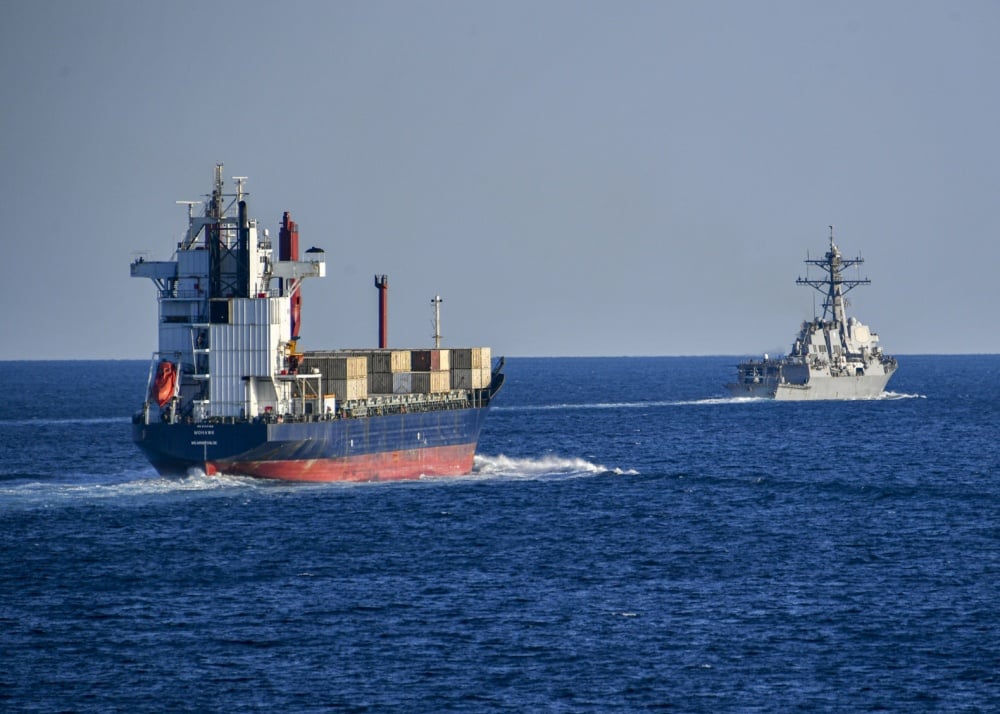
US operations have evolved from the initial blockade implementation described in prior brief to a more comprehensive reimposition featuring intensified airstrikes and use of unmanned maritime systems. Iran's threats have expanded from targeting specific vessels to promising closure of all Middle Eastern energy exports. Trump's proposed 20 percent transit fee appeared and was abandoned within 24 hours, representing a significant policy reversal not previously indicated. The humanitarian toll is better characterised with additional casualty reporting but remains inconsistent across sources. Commercial shipping disruption has deepened as tanker transits through the Strait of Hormuz drop to minimal levels with only four verified crossings reported on July 12.
Key judgments
- The United States has very likely reimposed a comprehensive naval blockade covering all Iranian ports and intensified its airstrikes on Iranian military facilities following renewed attacks in the Strait of Hormuz. (Confidence: high · REPORTED)
- I&W: CENTCOM issues statement confirming continued enforcement of the blockade beyond the initial 48-hour period (0-72 hours)
- I&W: US announces formal diplomatic engagement with Omani authorities to coordinate blockade implementation (0-3 days)
- Iran's Islamic Revolutionary Guard Corps has very likely threatened to close all Middle Eastern energy exports in response to the US blockade, marking a significant escalation in its rhetorical stance. (Confidence: medium · REPORTED)
- I&W: Iranian vessels deny access to additional commercial tankers beyond the Strait of Hormuz (0-48 hours)
- I&W: Saudi Arabia or Kuwait publicly confirms disruption to their oil export infrastructure (0-3 days)
- President Donald Trump has very likely abandoned his initial proposal to impose a 20 percent fee on vessels transiting the Strait of Hormuz following Gulf leadership objections, while instead arranging for trade and investment commitments from Gulf states. (Confidence: high · REPORTED)
- I&W: Gulf Cooperation Council releases joint statement confirming investment agreements with the United States (0-4 days)
- I&W: US Customs and Border Protection issues formal notification that no fees will be collected for Hormuz transits (0-2 days)
- US military strikes have likely killed at least seven Iranian military personnel with Tehran reporting over 30 civilian casualties, creating significant humanitarian concerns. (Confidence: medium · REPORTED)
- I&W: International Committee of the Red Cross reports access to affected civilian areas in southern Iran (0-5 days)
- I&W: Iranian government releases verified hospital records confirming casualty figures (0-72 hours)
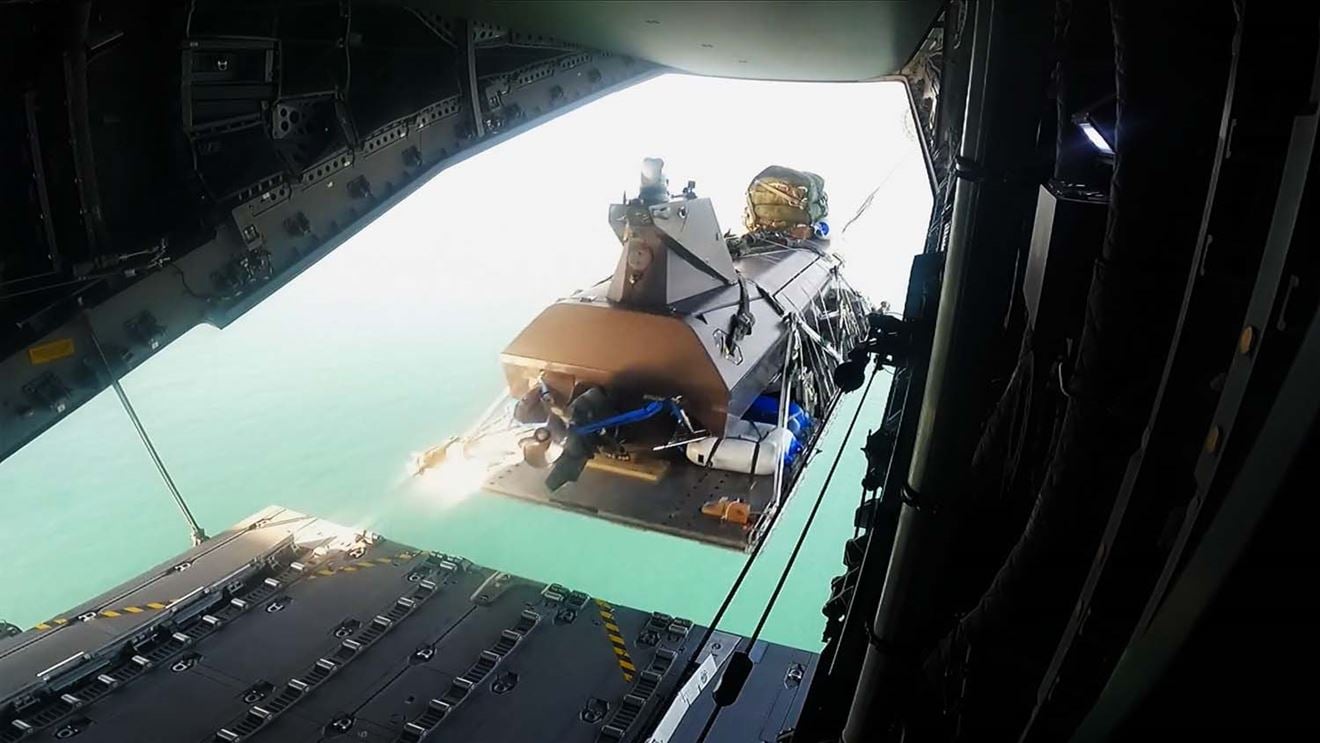
- The United States has almost certainly begun using autonomous maritime systems in combat operations, marking a near-certain shift in its military approach to the Strait of Hormuz. (Confidence: high · REPORTED)
- I&W: CENTCOM releases further operational details of unmanned maritime system deployments (0-4 days)
- I&W: Iran announces specific countermeasures targeting US unmanned maritime capabilities (0-3 days)
Outlook & scenarios
Escalating Conflict Spillover (40%)
US-Iran exchange intensifies with each side targeting more vital infrastructure, triggering wider regional conflict as Iran activates Houthi proxies in Yemen to target Red Sea shipping lanes, while Gulf Arab states increase military coordination with US forces.
Managed Escalation with Limited Strike Campaign (35%)
Trump-Netanyahu meeting on July 17 leads to coordinated approach limiting US strikes to military targets only, while Iran restricts counterstrikes to areas outside Gulf Cooperation Council states, maintaining but not expanding the current escalation pattern.
Economic Containment Standoff (20%)
Conflict settles into containment pattern with US maintaining blockade while Iran accepts limited disruption to energy exports, focusing diplomatic efforts on leveraging oil price increases to offset economic costs while preventing further escalation.
Wildcard: Red Sea Closure (5%)
Iran successfully mobilises Houthi allies to effectively close Bab el-Mandeb Strait, dramatically widening conflict scope and triggering global economic shock as alternative shipping routes struggle to handle diverted traffic.
Recommendations
- Deploy additional US Navy assets to enhance commercial shipping protection while maintaining blockade enforcement standards
- Establish direct communication channels between CENTCOM and Iranian military leadership to prevent accidental escalation
- Coordinate with Gulf states on energy market monitoring to prepare for potential Middle Eastern export disruption
- Prepare contingency plans for alternative shipping routes should Strait of Hormuz become completely inaccessible
- Monitor humanitarian impact through UN channels as civilian casualties reported in southern Iran
Confidence & uncertainty
Overall confidence in this assessment remains low due to significant reliance on single-source reporting for operational details of military activities, contradictory casualty reporting between US and Iranian sources, and limited independent verification of events in the conflict zone. Multiple media outlets have reported similar statements from political leaders which creates an appearance of corroboration but may reflect repeated dissemination of the same unverified claims. Commercial shipping data shows reduced transit volume through the Strait but provides limited insight into actual conflict impact, while economic indicators like oil price movements could reflect broader market factors beyond this specific conflict. The presence of conflicting claims about casualty figures and strike effectiveness further diminishes confidence in precise characterisation of military outcomes.
Intelligence gaps
- [EEI 1.1 · UNCOVERED] Movement, dispersal, or emplacement of Iranian conventional or IRGC heavy assets (ballistic missile launchers, Khoramshahr/Toofan-class missile transporters, ground-to-ground TELs, air defense batteries, amphibious units) from garrison areas toward forward bases or coastal launch sites. Recommended collection: satellite/IMINT
- [EEI 1.2 · UNCOVERED] Authenticated Iranian military orders, NSC/IRGC operations directives, or senior leadership statements explicitly directing strikes against Israel or U.S. forces or authorizing cross-border operations. Recommended collection: human/diplomatic
- [EEI 2.1 · UNCOVERED] Observable pre-launch preparations for missile/rocket/cruise missile strikes (fueling, warhead mating, launcher orientation, support vehicle congregation) and abnormal munitions handling at known launch sites. Recommended collection: satellite/IMINT
- [EEI 2.2 · UNCOVERED] Indications of proxy arms shipments and weapons transfers (truck convoys, small boat transfers, container movements from Iran to proxies, new stockpiles in Lebanon, Iraq, Yemen, Syria). Recommended collection: maritime/AIS
- [EEI 2.3 · UNCOVERED] Evidence of cyber attack planning or active exploitation campaigns targeting Israeli or U.S. military/critical infrastructure (emergence of new command-and-control servers, spear-phishing campaigns against defense personnel, successful intrusions). Recommended collection: cyber
- [EEI 3.1 · UNCOVERED] Movements and posture changes of U.S. regional platforms (carrier strike groups, amphibious ready groups, B-52/B-1/B-2 or fighter deployments, missile defense assets repositioning) and associated armament loadouts. Recommended collection: satellite/IMINT
- [EEI 4.1 · UNCOVERED] Hezbollah-specific indicators: convoys and logistics movements toward Lebanon–Israel border, artillery/rocket emplacement in southern Lebanon, documented strikes-preparation activity, public mobilization orders or recruitment drives. Recommended collection: satellite/IMINT
- [EEI 4.3 · UNCOVERED] Militia cross-border attack evidence from Iraq/Syria: recorded rocket/mortar launch events into Israel or strikes against U.S. facilities, movement of armed convoys toward border areas, and intercepted communications coordinating cross-border operations. Recommended collection: signals/ELINT
Cited sources
[1] military.com · Tehran Threatens to Halt All Mideast Energy Exports After US Reimposes Its Blockade on Iran (B) · sha256:f0015118e0df [2] The Jerusalem Post · Live Updates: Latest from Israel, Iran, and Middle East | The Jerusalem Post (A) · sha256:73a4bec78cd0 [3] gcaptain.com · Iran Threatens Wider Energy Chokepoints After Fresh U.S. Strikes (A) · sha256:711246ba41c4 [4] nowlebanon.com · As Iran’s Proxy Network Recedes, Lebanon Cannot Remain the Last Exception - Nowlebanon (B) · sha256:675add89230b [5] maritime-executive.com · Trump Drops Hormuz Protection Fee Saying Gulf States Will Invest in US (B) · sha256:4e2d5c5ce853 [6] maritime-executive.com · Iran Threatens to Close Off All Oil and Gas Export Routes From Gulf Region (B) · sha256:7c6f9d9ba3f9 [7] haaretz.com · Trump walks back Hormuz transit fee, threatens strikes on Iranian energy targets (A) · sha256:61138d490b5d [8] The Guardian · Trump flip-flops on Hormuz toll and threatens Iran’s civilian infrastructure | First Thing (A) · sha256:aff78456b814 [9] gcaptain.com · Trump Vows Strikes on Iran's Power Plants and Bridges Unless Hormuz Reopens (B) · sha256:f20adb6eaee1 [10] gcaptain.com · Refiners, Not Consumers, Are Biggest Winners From Jones Act Waiver, OSG CEO Says (C) · sha256:20ee72c1ea7b [11] gcaptain.com · U.S. Navy Sea Drones Make Combat Debut in Operations Near Hormuz (B) · sha256:7b2f3eb6bff2 [12] aljazeera.net · ضربات أمريكية على جنوب إيران وإصابة عسكريين في الكويت بهجوم للحرس الثوري (A) · sha256:9d7d4ec27f1f [13] maritime-executive.com · Royal Navy Drops a Drone Boat Out of a Plane (B) · sha256:7df33deb4161
Source content hashes were computed at collection time; the cited text is preserved unmodified for the life of this product.
TLP:CLEAR