TLP:CLEAR · Disclosure is not limited.
US-Iran Conflict: Military Exchanges and Regional Spillover Intensify
Time window: Last 1 day · Audience: General analyst · Type: Situation report · DTG: 2026-09-05 16:08Z · Overall confidence: HIGH
BLUF
The US-Iran conflict is almost certainly still active, with Iranian attacks on US positions and US strikes on IRGC-linked facilities sustaining escalation across Jordan, the Gulf and the Strait of Hormuz. The main near-term escalation risks are a US strike on Pickaxe Mountain, further disruption around Kharg Island and expansion of fighting involving the Houthis and Hezbollah.
Executive summary
US Central Command reported strikes on Iranian military targets on 1 September, including IRGC air-defence, radar, maritime, mine-laying and communications facilities. Iran subsequently launched missiles and drones against US positions, while Jordan reported intercepting 10 of 13 Iranian ballistic missiles that entered its airspace on 2 September. A separate report of a successful Iranian strike on US positions in northern Jordan remains unconfirmed. Donald Trump has warned of a possible US strike on the Pickaxe Mountain facility near Natanz and said US intelligence agencies are monitoring activity there. Shipping through the Strait of Hormuz remains virtually closed or effectively closed in current reporting. Fighting involving the Houthis in western Yemen and Israeli strikes against Hezbollah positions in southern Lebanon and the Bekaa Valley add further regional pressure. The Trump administration is also developing an early-stage post-war strategy focused on containing Iran and advancing regional normalisation.
Change from previous assessment
Since the 4 September brief, the assessment adds a new US warning concerning Pickaxe Mountain, US intelligence monitoring of the site, a reported but unverified tanker strike near Kharg Island, intensified fighting on Yemen's western coast and a reported Israeli-Hezbollah exchange in southern Lebanon and the Bekaa Valley. Confidence remains high that US-Iran military exchanges continue. The shipping assessment remains very likely, but current reporting gives less basis for judging whether the Strait of Hormuz is fully closed or for attributing responsibility. The main escalation focus has shifted from the prior brief's possible Israeli ground operation at Tall al-Tahir to the US option against Pickaxe Mountain and maritime incidents around Kharg Island. The prior South Korean deployment judgment is not carried forward because the current reporting provides no update.
Key judgments
- Direct US-Iran military exchanges are almost certainly continuing through 5 September 2026. US Central Command reported strikes on 1 September against IRGC air-defence sites, radar systems, maritime assets, mine-laying capabilities and communications facilities. Reporting also describes Iranian missile and drone attacks on US positions in Jordan, Kuwait and Bahrain. Jordan's Armed Forces said 13 Iranian ballistic missiles entered its airspace on 2 September, 10 were intercepted and three fell in remote areas. A separate Fars report of a successful strike on US positions in northern Jordan remains unconfirmed by Jordanian authorities and US Central Command. (Confidence: high · REPORTED)
- I&W: Confirmation would come from a new CENTCOM statement or Iranian announcement describing further strikes against named US facilities in Jordan, Kuwait or Bahrain. (0-14 days)
- I&W: The assessment would weaken if Washington and Tehran publicly confirm a halt to attacks and Jordan reports no further Iranian missile or drone activity. (0-14 days)
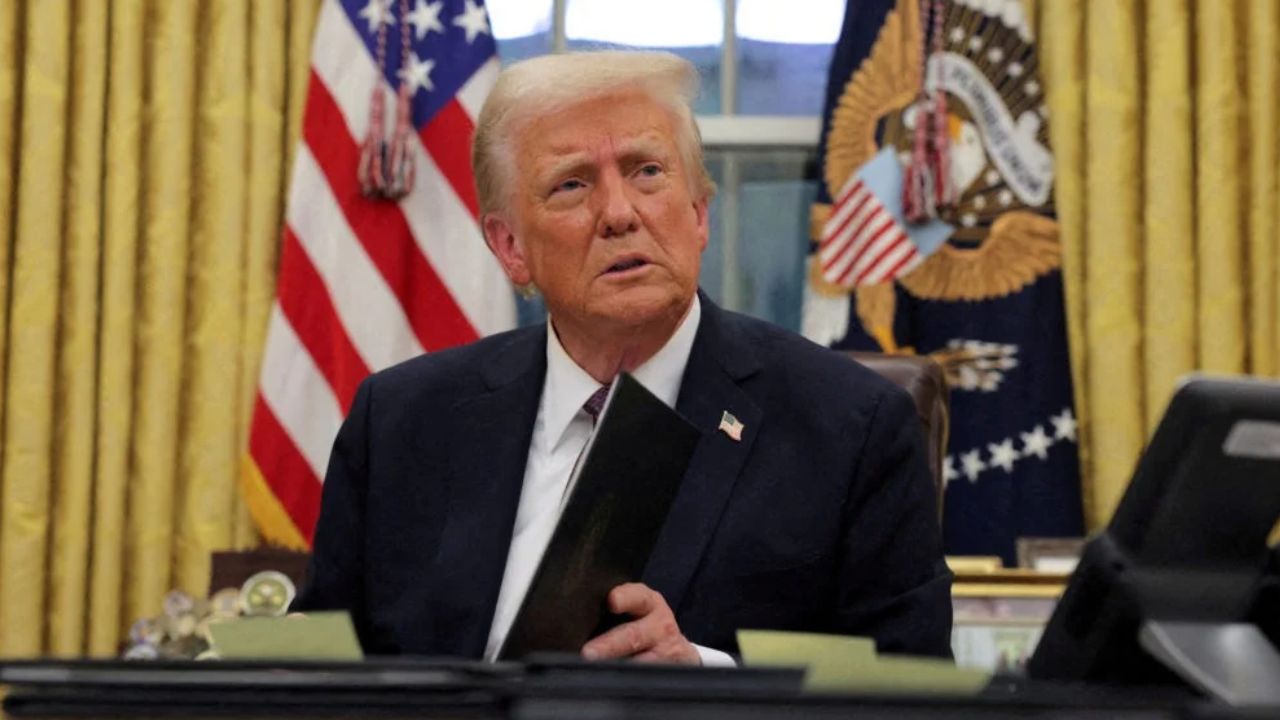
- The US is very likely to retain an active strike option against Pickaxe Mountain over the next 14 days, but an imminent attack is not established. Donald Trump warned on 4 and 5 September of a possible strike conditional on intelligence about suspicious activity, and said US intelligence agencies were monitoring the complex near the damaged Natanz facility. The reporting differs on the warning's date and conditional framing, and does not confirm operational preparations for an attack. (Confidence: medium · ASSESSED)
- I&W: Confirmation would come from a White House or CENTCOM announcement of a strike, an imminent operational warning, or reporting of damage at Pickaxe Mountain. (0-14 days)
- I&W: The assessment would weaken if Washington explicitly rules out military action against the facility and reports that monitoring continues without operational activity. (0-14 days)
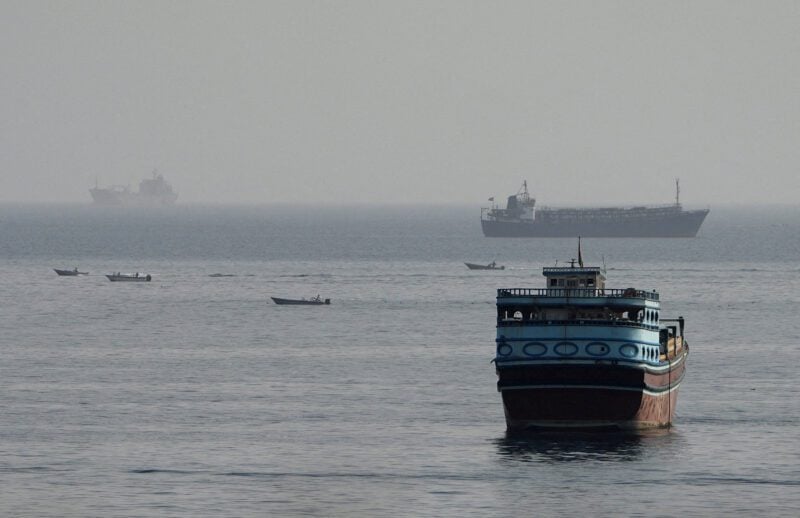
- Commercial shipping through the Strait of Hormuz is very likely to remain severely depressed over the next 30 days, while responsibility for the virtual closure remains contested. Current reporting describes the waterway as virtually or effectively closed, following attacks on merchant vessels and US strikes on IRGC sites used for maritime targeting. The Strait carried about one-fifth of global oil supplies before the war, increasing the consequences of continued disruption. (Confidence: medium · ASSESSED)
- I&W: Confirmation would come from continued near-zero commercial vessel movements through the Strait of Hormuz in independent shipping or port data. (0-14 days)
- I&W: The assessment would weaken if sustained commercial transits resume and Iran, the US or both governments announce navigational arrangements that reopen the waterway. (0-30 days)
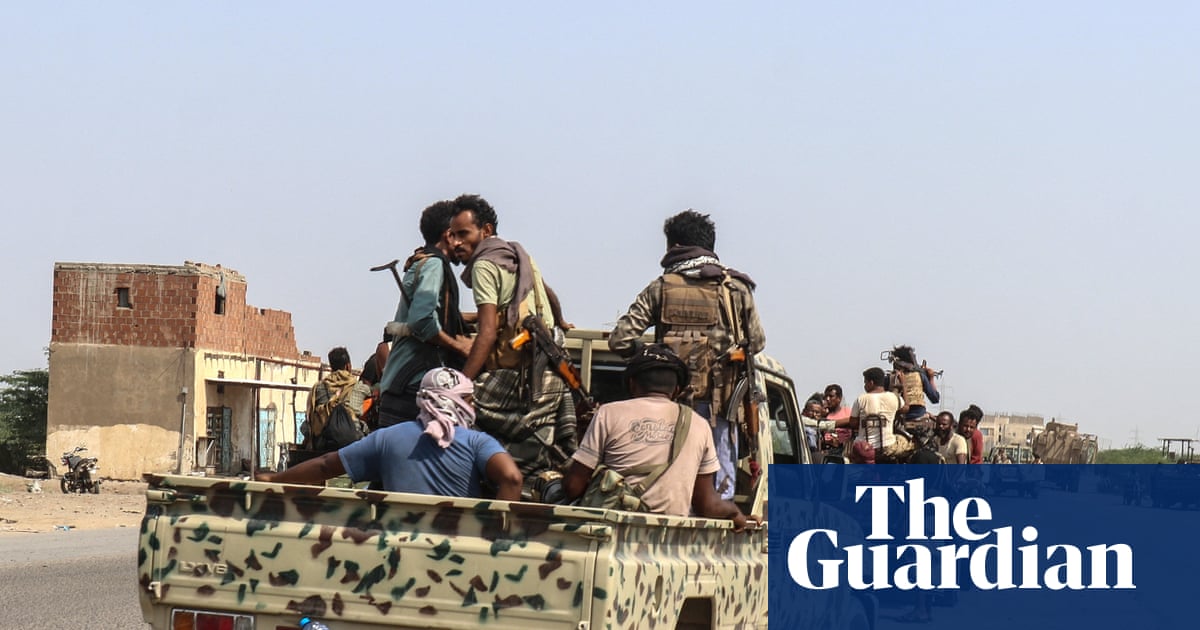
- Yemen's western coast is likely to remain a secondary conflict front and a threat to access around Bab al-Mandeb over the next 30 days. The Houthis declared a naval blockade against Saudi Arabia in July and are reported to be advancing towards strategic hills overlooking Bab al-Mandeb while fighting Yemeni government forces in Taiz and Hodeidah. Reporting conflicts over control of the al-Khazan and al-Makahna hills and contains differing casualty totals, which lowers confidence in the battlefield picture. (Confidence: medium · ASSESSED)
- I&W: Confirmation would come from verified Houthi control of additional terrain west of Taiz, renewed movement towards Bab al-Mandeb or a declared action against Saudi-linked shipping. (0-30 days)
- I&W: The assessment would weaken if Yemeni government forces sustain control of the western Taiz hills and the Houthis halt offensive activity and maritime threats. (0-30 days)
- Israel-Hezbollah exchanges in southern Lebanon and the eastern Bekaa Valley are likely to continue intermittently over the next 30 days. A 4 September report described Israeli strikes against Hezbollah positions after the group launched a drone towards Israeli forces, alongside reported civilian casualties. This is a thin, single-report assessment and confidence is low. (Confidence: low · ASSESSED)
- I&W: Confirmation would come from another Israeli strike in southern Lebanon or the Bekaa Valley, or another Hezbollah drone launch towards Israeli forces. (0-14 days)
- I&W: The assessment would weaken if Israel and Hezbollah announce and observe a sustained cessation of attacks for at least 14 days. (0-30 days)
- The Trump administration is very likely to continue drafting an early-stage post-war Middle East strategy rather than implement a settled plan immediately. Reported components include US-backed containment of Iran, Saudi-Israeli normalisation, expansion of the Abraham Accords, the next phase of the Gaza plan, an Israel-Syria security agreement and implementation of Israel-Lebanon agreements against Hezbollah. Two meetings with senior advisers have taken place, but the White House has declined to comment and reporting places completion weeks away. (Confidence: medium · ASSESSED)
- I&W: Confirmation would come from publication of a formal White House or State Department strategy, an interagency directive or direct consultations with the future Israeli government. (0-3 months)
- I&W: The assessment would weaken if the White House publicly abandons the strategy or senior officials stop discussing its regional components. (0-3 months)
- A return to formal US-Iran negotiations is unlikely over the next 30 days. The mid-June memorandum of understanding expired without progress towards a permanent peace deal, while Iran condemns the US strikes and Washington is combining a naval blockade with renewed economic pressure. Calls from the Shanghai Cooperation Organisation for a diplomatic settlement provide a diplomatic channel but do not indicate that Tehran and Washington are preparing to resume talks. (Confidence: medium · ASSESSED)
- I&W: The assessment would be broken by an announced US-Iran meeting, renewed interim agreement or publicly confirmed indirect negotiations. (0-30 days)
- I&W: Continuation of sanctions, blockade measures and reciprocal public accusations without a diplomatic timetable would confirm it. (0-30 days)
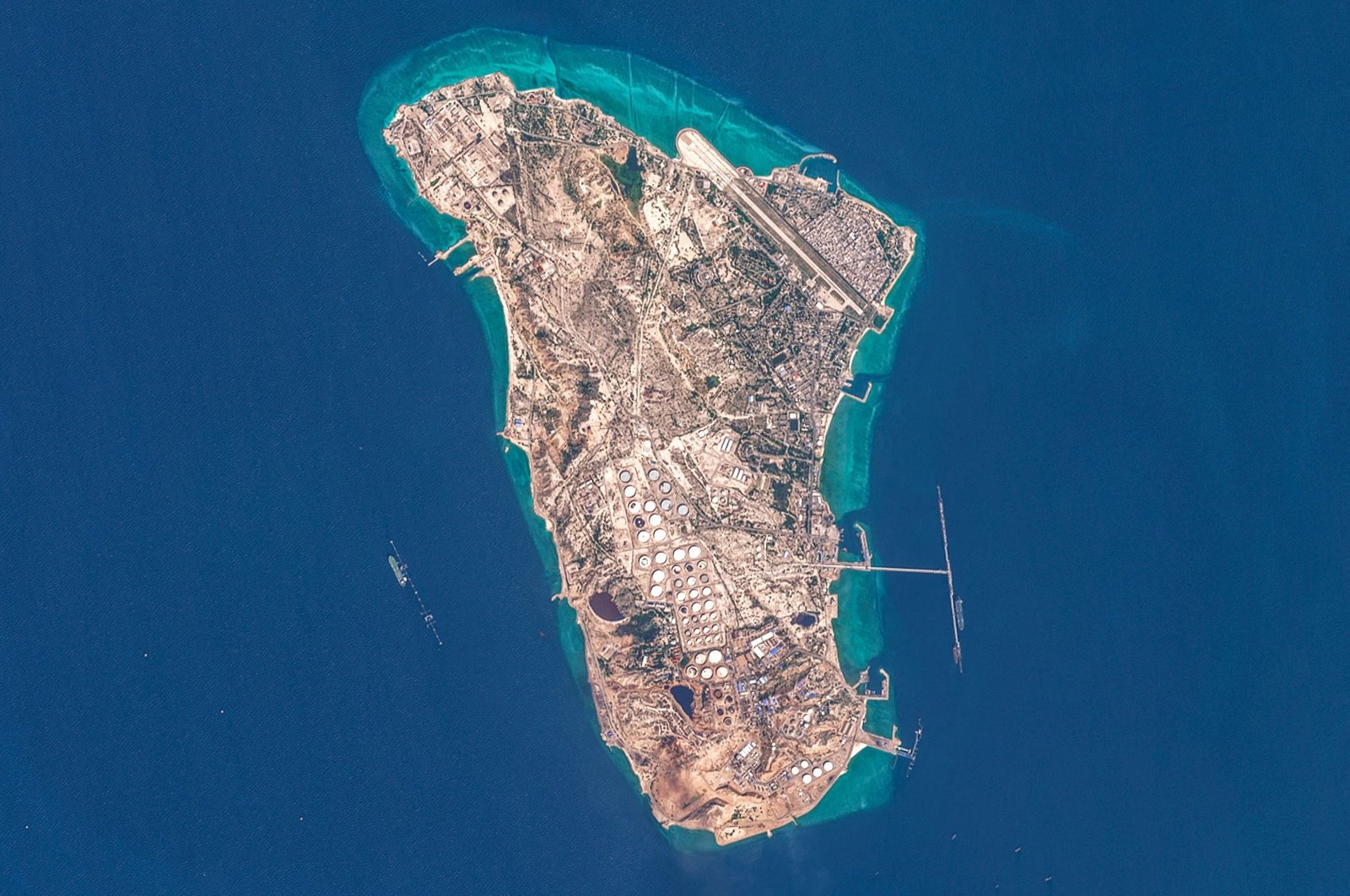
- The report that US missiles struck an Iranian tanker near Kharg Island remains unverified, and confidence that the incident occurred as described is low. Iranian authorities and Tasnim reported four missiles and an evacuation without casualties, while there was no immediate independent confirmation and CENTCOM had not responded at the time of reporting. (Confidence: low · REPORTED)
- I&W: Confirmation would come from a CENTCOM statement, independent imagery of the tanker or corroborated crew and port reporting. (0-7 days)
- I&W: The assessment would weaken if independent evidence shows the tanker was not damaged or if US and Iranian authorities jointly reject the account. (0-14 days)
Outlook & scenarios
Managed attrition with continued maritime disruption (60%)
The most likely path is continued US strikes against Iranian military and maritime-linked targets, followed by Iranian missile, drone and shipping attacks that remain below the threshold of a broader regional war. The Strait of Hormuz stays virtually closed, Jordan continues intercepting Iranian projectiles, and Washington postpones any strike on Pickaxe Mountain while maintaining the option.
Escalation around Pickaxe Mountain or Kharg Island (20%)
A US strike on Pickaxe Mountain, or confirmation of a US attack near Kharg Island, prompts Iran to intensify attacks on US positions and commercial shipping. The resulting escalation increases pressure on Jordan, Gulf states and maritime traffic and makes a return to negotiations less likely.
Limited diplomatic pause (25%)
Iran and the US establish an interim channel and reduce attacks without resolving the conflict. Shipping movements improve gradually, the post-war strategy remains under development, and the Shanghai Cooperation Organisation and other diplomatic actors press for a wider settlement.
Low-probability, high-impact regional expansion (15%)
The Houthis consolidate positions near Bab al-Mandeb while Israel-Hezbollah exchanges intensify and Iran expands attacks on US bases or shipping. The conflict develops simultaneous pressure points in the Strait of Hormuz, Bab al-Mandeb, southern Lebanon and the Gulf.
Recommendations
- Maintain a 24-hour watchlist for Pickaxe Mountain, Natanz, Kharg Island, Muwaffaq Salti Air Base, US facilities in Kuwait and Bahrain, the Strait of Hormuz, Bab al-Mandeb, western Taiz, Hodeidah, southern Lebanon and the Bekaa Valley.
- Separate confirmed activity from attribution claims in every update. Treat the Fars account of a successful strike in northern Jordan and the tanker report near Kharg Island as unverified until CENTCOM, Jordanian authorities, independent imagery or corroborated local reporting provide confirmation.
- Track Pickaxe Mountain warning indicators separately from general US-Iran exchanges. Do not treat Trump's public warnings or intelligence monitoring statements as evidence that an attack is imminent without operational confirmation.
- Use independent vessel-movement and port data to assess the operational status of the Strait of Hormuz and Kharg Island. Report the shipping condition separately from the unresolved question of whether Iran, the US or wartime conditions are responsible for the disruption.
- Monitor the western Taiz battlefield for verified changes around al-Khazan and al-Makahna hills, Houthi movement towards Bab al-Mandeb and any new statements or actions affecting Saudi-linked shipping.
- Track formal US-Iran diplomatic activity, including a renewed interim arrangement or indirect talks, alongside new sanctions and blockade measures. Treat a public US post-war strategy, direct Israeli coordination or abandonment of the planning effort as separate policy indicators.
- Prepare a dual-track update for decision-makers: one line for continued managed attrition without a Pickaxe strike, and one for rapid escalation following a strike on Pickaxe Mountain or a confirmed incident near Kharg Island.
Confidence & uncertainty
Overall confidence is high because the central assessment of continuing US-Iran military exchanges is supported by US Central Command statements, Jordanian military reporting and major-media accounts of Iranian attacks. The broader picture is also supported by converging reporting on Hormuz disruption, US economic pressure and the administration's strategy planning. Main uncertainties concern the success of the reported Iranian strike in northern Jordan, the tanker incident near Kharg Island, the timing of any Pickaxe Mountain strike, responsibility for Hormuz's closure and conflicting battlefield and casualty reports from Yemen.
Intelligence gaps
- [EEI 1.1 · UNCOVERED] Movement, dispersal, or emplacement of Iranian conventional or IRGC heavy assets (ballistic missile launchers, Khoramshahr/Toofan-class missile transporters, ground-to-ground TELs, air defense batteries, amphibious units) from garrison areas toward forward bases or coastal launch sites. Recommended collection: satellite/IMINT
- [EEI 1.2 · PARTIAL] Authenticated Iranian military orders, NSC/IRGC operations directives, or senior leadership statements explicitly directing strikes against Israel or US forces or authorizing cross-border operations. Recommended collection: human/diplomatic
- [EEI 1.3 · PARTIAL] Changes in Israeli and US force posture indicating anticipation of direct large-scale conflict, elevated readiness levels, mobilization notices, pre-positioning of munitions, or public/private orders to prepare offensive strikes. Recommended collection: open-source/diplomatic
- [EEI 2.1 · PARTIAL] Observable pre-launch preparations for missile/rocket/cruise missile strikes (fueling, warhead mating, launcher orientation, support vehicle congregation) and abnormal munitions handling at known launch sites. Recommended collection: satellite/IMINT
- [EEI 2.2 · UNCOVERED] Indications of proxy arms shipments and weapons transfers (truck convoys, small boat transfers, container movements from Iran to proxies, new stockpiles in Lebanon, Iraq, Yemen, Syria). Recommended collection: maritime/AIS
- [EEI 2.3 · UNCOVERED] Evidence of cyber attack planning or active exploitation campaigns targeting Israeli or US military/critical infrastructure (emergence of new command-and-control servers, spear-phishing campaigns against defense personnel, successful intrusions). Recommended collection: cyber
- [EEI 3.1 · UNCOVERED] Movements and posture changes of US regional platforms (carrier strike groups, amphibious ready groups, B-52/B-1/B-2 or fighter deployments, missile defense assets repositioning) and associated armament loadouts. Recommended collection: satellite/IMINT
- [EEI 3.3 · UNCOVERED] Changes in US base force-protection measures and rules of engagement at regional facilities (base lockdowns, evacuation notices, flight restrictions, activation of Local Defense Forces or missile intercept systems). Recommended collection: open-source/local reporting
- [EEI 4.1 · PARTIAL] Hezbollah-specific indicators: convoys and logistics movements toward Lebanon, Israel border, artillery/rocket emplacement in southern Lebanon, documented strikes-preparation activity, public mobilization orders or recruitment drives. Recommended collection: satellite/IMINT
- [EEI 4.2 · PARTIAL] Houthi-attributed maritime attack indicators: AIS anomalies/loss of contact for commercial vessels, reports of missile/drone strikes or near-miss incidents in Bab al-Mandeb/Red Sea, Houthi claims paired with imagery of weapons launches. Recommended collection: maritime/AIS
- [EEI 4.3 · UNCOVERED] Militia cross-border attack evidence from Iraq/Syria: recorded rocket/mortar launch events into Israel or strikes against US facilities, movement of armed convoys toward border areas, and intercepted communications coordinating cross-border operations. Recommended collection: signals/ELINT
TLP:CLEAR